“A little further on the right of the road leading to Amesbury, we see the mutilated remains of an enormous Druid barrow”
This is how Richard Colt Hoare described Woodhenge in the early 19th century, and it continued to be viewed as a disc barrow (with the name “Dough Cover”) until 30th June 1926.
On that day, Squadron Leader Gilbert Insall VC took an aerial photograph that showed a series of dark circular cropmarks inside the area enclosed by what had been regarded as the barrow’s ditch.
Insall’s photo is shown below, Woodhenge is just above left of the centre.
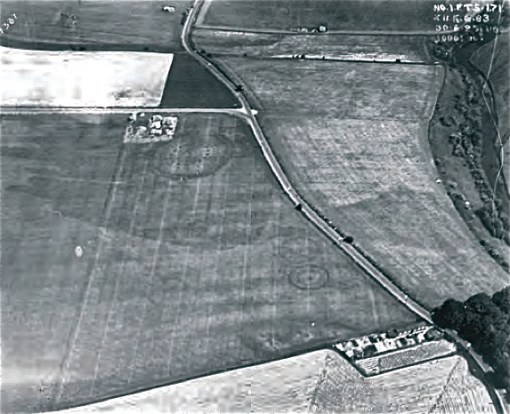
These marks later proved to be the surface traces of six concentric rings of postholes, uncovered by Maud and Ben Cunnington in their excavations between 1926 and 1928. These posts date to between 2600 and 2400BC.
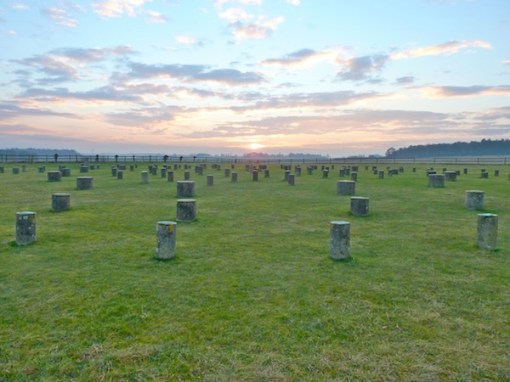
When their excavations were over, they installed short concrete markers to show the positions and sizes of the postholes, using colour-coded tops to indicate which holes belong to each concentric ring.
These are the markers that are still in place today.
The monument shares the same solstitial alignment as Stonehenge, pointing to summer sunrise in one direction and the winter sunset in the other. This photo shows winter solstice sunset.
As well as the postholes, the Cunningtons also discovered two burials and evidence that at least two stones had been erected on the site. Subsequent investigations in the mid-2000s found three more stone holes which show that large sarsens had been erected after the wooden posts had disappeared.
One of the burials was near the centre – that of a small child about three years old whose skull was broken. At the time that was interpreted as evidence of sacrifice although it’s also possible that the weight of earth on the body was the actual cause of the damage.
The second burial was in a grave in the bottom of the surrounding henge ditch, dateable by the fragments of Beaker pottery found within. The ditch dates to between 2400 and 2100BC.
Other pottery discovered at the site is the distinctive earlier Grooved Ware style from the time of Stonehenge and some fragments of a much older style that indicates activity at the site dates back at least to between 3,800 and 4,000 BC.
Woodhenge is on a low ridge that overlooks the River Avon to its east, and is due south of the huge neolithic henge of Durrington Walls. Along this ridgeline to the south is evidence of a number of other barrows and also structures that made use of large timber posts.
It’s been suggested that these “four posters” might be the remains of excarnation platforms – elevated wooden areas where the bodies of the dead would be placed to be defleshed by the elements and carrion birds.
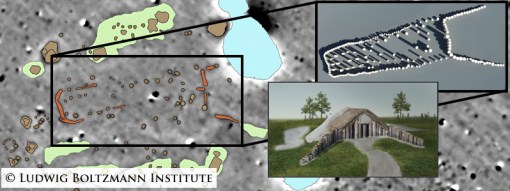
The fields around Woodhenge are rich in other archaeological remains. Apart from those already mentioned there is a ploughed-flat long barrow to the southwest. Recent geophysical research by the Stonehenge Hidden Landscapes Project has shown that beneath the ground surface there appears to be evidence of some kind of timber mortuary building.
Access to Woodhenge is via a small slip road off the A345 north of Amesbury. There is a small, free, car park area and the monument itself is open at all times. The neighbouring fields immediately to the west (“Cuckoo Stone Field” and north (“Durrington Walls Field”) are owned by the National Trust and allow open access.
It’s well worth exploring this area to get a wider perspective of the landscape within the Stonehenge World Heritage Site. The Ordnance Survey Explorer series map #130 “Stonehenge and Salisbury” shows the public footpaths.
Article by guest blogger and local Stonehenge historian Simon Banton
Circular walking route from Woodhenge to Stonehenge
This walk explores two major historic monuments, Durrington Walls and Stonehenge, in the heart of the Stonehenge World Heritage Site. Visit the National Trust site for this trail.
Durrington Walls and Woodhenge, Wiltshire: Walk of the week
The first of our new series of weekly walks, provided by the National Trust, is a ramble around mysterious Durrington Walls in Wiltshire, with views towards Stonehenge. Visit the Times Travel webpage
How to see Woodhenge on a guided walk
The National Trust are hosting ‘Discover Durrington Walls and Woodhenge’ events throughout the year. On this 3-mile walk, you’ll explore the secrets of Durrington Walls – once home to the builders of Stonehenge – and discover 6,000 years of hidden history with National Trust’s landscape guides. Visit the National Trust events page. Booking essential
Hire a local expert tour guide or join a scheduled group tour
The Stonehenge Travel Company based in nearby Salisbury are considered the local experts and offer archaeological guided walking tours of Woodhenge, Durrington Walls and the greater Stonehenge landscape. Stonehenge Guided Tours include photo stops and private group walking tours with transport from London
The Stonehenge News Blog
Follow us on Twitter and Facebook for all the latest Stonehenge News


 millennium from the 8th to the 5th BC, and they provide the first evidence of a possible continuity of societal activity across the mesolithic/neolithic boundary period.
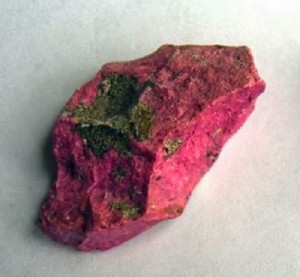 The combination of conditions at Blick Mead have lead the researchers involved to suggest that the site acquired a special significance through long association in tradition with being a place of ancestral return. Perhaps this is part of the reason Stonehenge itself was eventually built close by.
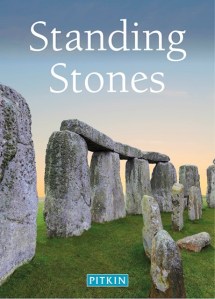 Long-standing questions include why they were erected and how? What do they tell us about Britain’s cultural history? As a standing stones enthusiast, Steve Marshall has travelled the British Isles to inspect these fascinating monoliths.
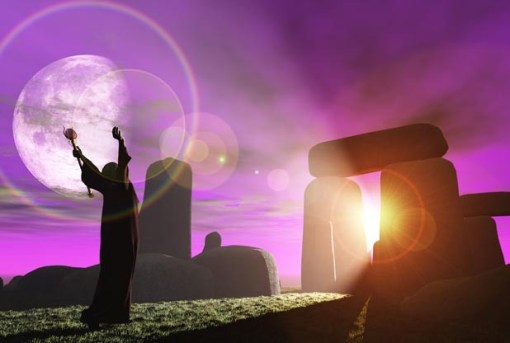
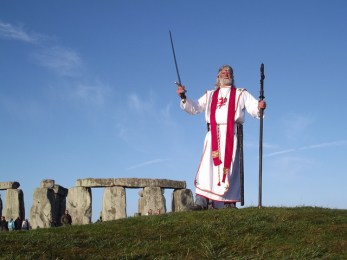 Other druids and pagans were at the court to support King Arthur Pendragon, who was joined by other druid and pagan supporters to protest outside the court, believes the £15 fee was “illegal” and excluded 12,500 from the event. He told the judge at the allocation hearing that the
 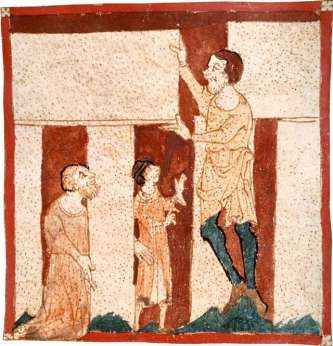 send for the Giant’s Dance, which is in Killaraus, a mountain in Ireland. For there is a structure of stones there, which none of this age could raise without a profound knowledge of the mechanical arts. They are stones of a vast magnitude and wonderful quality; and if they can be placed here, as they are there, round this spot of ground, they will stand for ever.”






 Stonehenge Stone Circle News and Information