Time to Elect a King.

2 07 2024

On July 4th 2024, the UK goes to the polls to choose who’ll govern us for the next five years. You’d be forgiven for thinking that nothing will ever change – that they’re all in it for themselves and that there’s no point in engaging with the process.

Hardly surprising really, the last 14 years have revealed just how self-serving the “political elite” can be when they become emboldened by the lack of proper scrutiny or accountability.

A supine broadcast media, in the case of the BBC largely because they are always terrified of the consequences of upsetting those who control whether their Charter is renewed, doesn’t help.

Newspapers (who reads them these days?) controlled mostly by offshore moguls whose only interest is in manipulating the levers of power behind the scenes are the plant-based media’s version of echo chambers for their audience.

What’s needed is to break the stranglehold of vested interests and start electing people who don’t give a stuff about the existing power structures and trample roughshod over conventional ideas of who our politicians should be.

In the Salisbury constituency there’s an option to do just that.

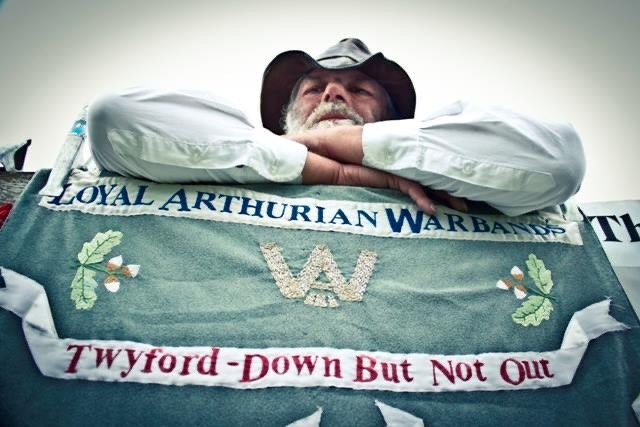
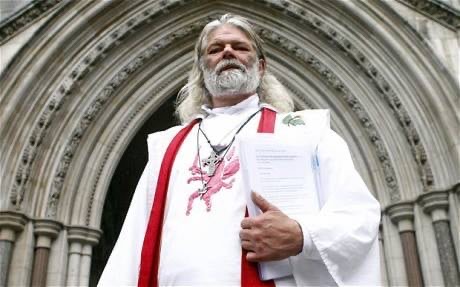
Step forward, King Arthur Uther Pendragon. Leader of the Loyal Arthurian Warband, Druid and environmental campaigner since before it became fashionable, and a firebrand who has been a thorn in the side of “The Authorities” for decades.

Loud, annoying and surprisingly effective at raising the profile of causes that may otherwise be ignored, Arthur’s nothing like the usual herd of career politicians.

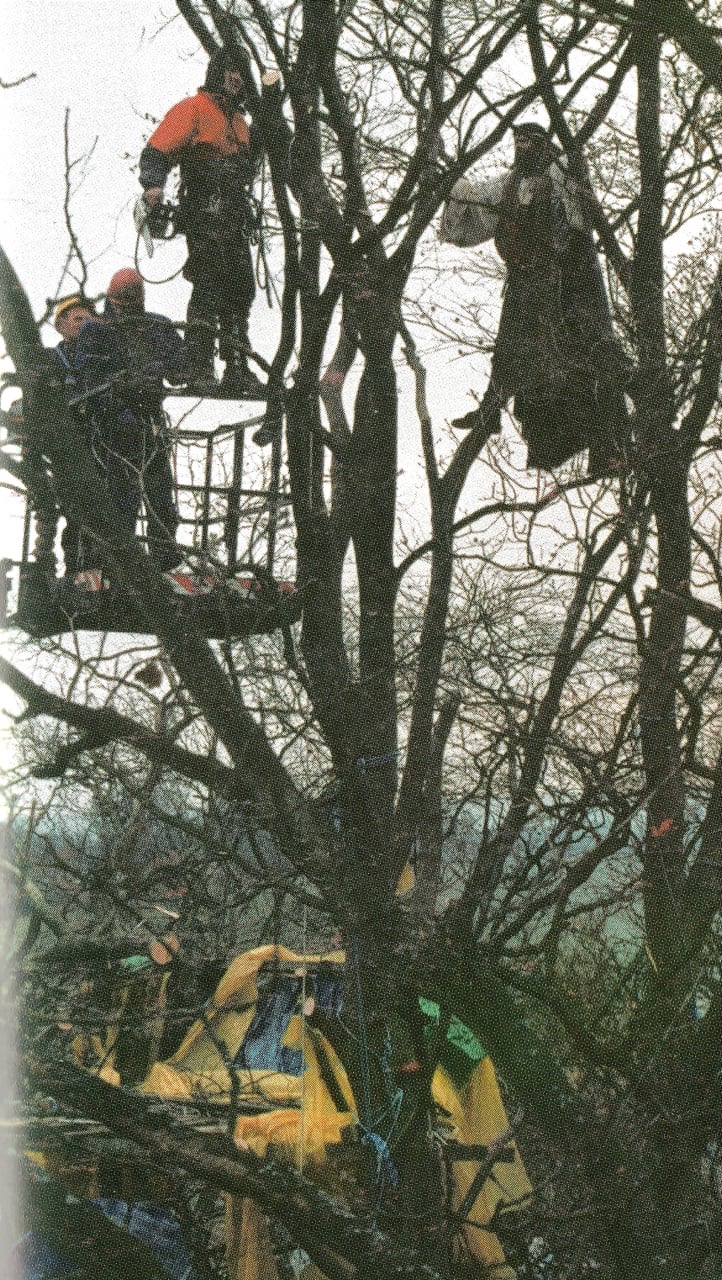
Ex-Army, ex-biker, once photographed defying the bailiffs and a bloke with a chainsaw at the top of a tree during the 3rd Battle of Newbury while protesting against the bypass.

Levitating Druid from “The Trials of Arthur”, photo Clive Odinson

He’s stood  an independent in every Parliamentary election in Salisbury since 2010, without the backing of any party machinery and supported only by grass-roots contributions.

As Prof. Ronald Hutton once put it, in “The Trials of Arthur” (ISBN 0-00-712114-8):

“A contemporary historian has therefore, to take Arthur Pendragon seriously. Upon the one hand he is a major figure in modern Druidry, leading one of the largest orders and representing a distinctive form of spirituality. On the other, he has an equally important place in the history of groups concerned with environmental issues and civil rights. It is an impressive dual achievement.”

A measure of the strength of the existing political system is that Arthur has mysteriously failed to be invited to a large number of the Hustings events held in the constituency.

The last thing the “ruling class” want is some independent-minded chap showing up and speaking uncomfortable truths it seems.

If we’re all content to carry on as we are, feeling powerless and shrugging our shoulders as Parliament becomes ever less relevant to the daily struggles of the public then fine.

If instead we think that it’s time for a change, then – at least in Salisbury – we get the chance to do it differently and elect a King.

Arthur Pendragon Links:
Vote for me as your champion, says senior druid standing to be MP – THE INDEPENENT
King Arthur Pendragon: ‘The people of Salisbury deserve a champion’ – THE SALISBURY JOURNAL
GE Interviews: Arthur Pendragon – Independent – SALISBURY RADIO
General Election: Who will be standing to be Salisbury’s next MP – SALISBURY JOURNAL
Arthur Pendragon – FACEBOOK
Druid Leader King Arthur Uther Pendragon, Head of the Loyal Arthurian Warband – STONEHENGE NEWS
Arthur Pendragon, Stonehenge and the Solstice – STONEHENGE NEWS BLOG

The Stonehenge News Blog
Follow us on Twitter and Facebook for all the latest Stonehenge News
http://www.Stonehenge.News


Stonehenge: Tunnel Vision.

12 04 2024

In December 2014 the then coalition UK Government announced to great fanfare that the decades long saga of the on-again-off-again A303 Stonehenge Tunnel project would be revived once more.

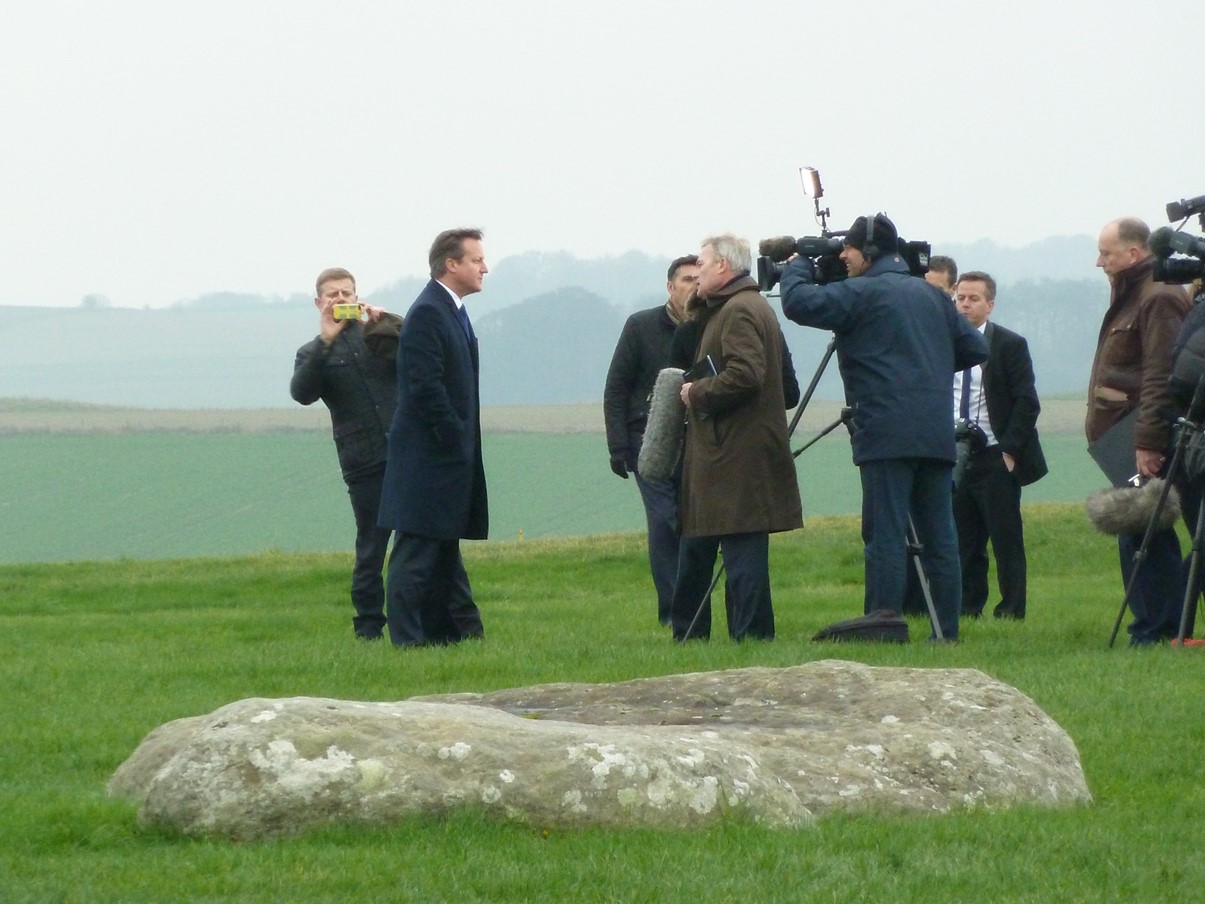
The sound of zombie horses attempting the crawl away from yet another flogging pervaded the World Heritage Site, as first Deputy Prime Minister Clegg then Prime Minister Cameron descended on Stonehenge accompanied by the usual press, TV and English Heritage top brass.

A previous version of the project, estimated at £400M, had been cancelled several years earlier by a Government of a different colour on the basis of the cost, so it was somewhat surprising to learn that its reanimated corpse was now expected to require an eye-watering £1.7B – £2.5B.

To be fair, according to the plan this time the tunnel will be fully bored rather than cut-and-cover and will be somewhat longer. Not long enough, mind you, to go the full distance from the eastern edge of the World Heritage Site all the way to the western edge.

Instead, it will put its portals in the ground well inside the area of Outstanding Universal Value, obliterating whatever might be in the way.

A brand new dual carriageway will run from the western portal across 1k of farmland, sunk into a trench around 9m deep and 50m wide, to a new junction with the A360 at Longbarrow Roundabout.

At the eastern portal, the new dual carriageway will emerge to soar over the current A303/A345 junction at Countess Roundabout on a 10m high flyover, bringing 60mph HGV traffic noise to the delighted locals.

Almost 10 years on from the announcement, here’s where we are.

After an Enquiry in Public (where the independent Examiners decided against the whole idea), a doleful procession of vacant-eyed Secretaries of State for Transport (some of whom lasted less than 2 months in the job), a determination by one of them to approve the scheme’s Development Consent Order despite UNESCO’s and many others’ misgivings, a Judicial Review into that decision which found the Sec. of State had acted “irrationally” in doing so, then a “re-determination” of the application by a subsequent incumbent which again gave approval, and a further legal challenge (recently lost by anti-tunnel campaigners), we are now awaiting an impending appeal against that ruling.

Over a quarter of a million people have signed petitions against the scheme, crowdfunding an expensive ongoing legal process to the tune of hundreds of thousands of pounds.

UNESCO have threatened that Stonehenge World Heritage Site may be placed on the World Heritage in Danger register (a precursor to delisting) if the scheme goes ahead in its present form.

In the event that the tunnel does get built – estimated costs are now above £3B, and look likely to rise even more over the 5 years the build is optimistically slated to take – one certain outcome is that the casual view of a 4,500 year old global icon of prehistory from the A303 will be lost forever.

From being something freely glimpsed in the magnificent early dawn light surrounded by mist as you crest King Barrow Ridge making your way westwards, or appearing unexpectedly nearby, glowing rose-golden in the rays of the setting Sun as you head past it eastwards, it will become an experience only available to those who are either willing and able to pay the ever-increasing entrance fee or are lucky enough to be capable of walking the couple of miles from the nearest available parking or bus stop.

Meanwhile Stonehenge looks on impassively, perhaps whispering to those who will listen that humanity’s obsession with getting to the next traffic bottleneck a whole 8 minutes faster really may not be worth the cultural, let alone the financial, cost in the long run.

GUEST BLOGGER: Simon Banton (April 2024)

The Stonehenge News Blog
Follow us on Twitter and Facebook for all the latest Stonehenge News and Equinox updates.
http://www.Stonehenge.News
April 2024


Section of A360 Road from Stonehenge to Salisbury will be closed for three months from 2nd April 2024

31 03 2024

A major A-road through Wiltshire will shut for three months during a significant roadworks project. Drivers warned of three month road closure ahead of A303 Stonehenge upgrade.

Motorists could face traffic carnage near popular tourist area with plans to close key road for three months

The A360 will close between its junction with The Avenue, near Salisbury, and the Longbarrow junction with the A303 from Tuesday, April 2.
During the closure, traffic will be diverted via the A345 and sections of the A303 and A36, as per the diagram below, and a comprehensive signage system is being developed to inform road users around Salisbury and as far away as Devizes and Shaftesbury to point traffic to alternate routes.

The busy route will remain shut for three months while works are carried out by Scottish and Southern Electricity Networks in relation to the planned A303 Amesbury to Berwick Down upgrade past Stonehenge.

National Highways said it would be “working hard” to minimise disruption before the summer

This scheme is being implemented on behalf of National Highways and will involve installing high voltage and fibre optic cabling along the road.

These cables will provide electricity for the major upgrade scheme on the A303, powering both construction and the planned tunnel in the long term.

A full closure is necessary during this period for safety reasons due to the narrow width of the road and the minimal spaces along the verges.

Work will be carried out seven days a week with some overnight working to allow the closure to be lifted before the school summer holidays.

National Highways says the works could have taken up to a year if single-lane closures and traffic signals were employed.

The diversion route will see drivers follow the A345, and sections of the A303 and A36, and National Highways has warned delays are likely.

Motorists have been advised to plan their journeys ahead of time and allow extra time to reach their destination.

Andrew Clark, National Highways’ project manager for the A303 Stonehenge scheme, says measures are in place to minimise the impact of the road closure.

He added: “The road scheme will ultimately tackle the longstanding issue of rat running and provide a real benefit to local communities, and for this essential preliminary work, we are doing all we can to put in measures to lessen the impact for local communities and the travelling public.

“We need to carry out the work now to maintain our programme, we appreciate that roadworks and road closures can be frustrating and we’d like to thank motorists, local residents, and businesses in advance for their patience.

“Without the full closure, the work would take a lot longer to complete, and working with Wiltshire Council, we’re making every effort to ensure that the impact on drivers and local communities is kept to an absolute minimum.”
A comprehensive signage system will be in place all the way from Devizes to Salisbury to point traffic to the alternative routes. SOURCE: Swindon Advertiser

Road Closure Links:
A360 set to be closed for FOUR MONTHS for Stonehenge tunnel project – Wiltshire Times
Drivers warned of three month road closure ahead of A303 Stonehenge upgrade – ITV
Section of A360 soon to be closed for three months – Salisbury Journal
Diversion route for A360 closure confirmed – Salisbury Radio
A360 temporary closure – English Highways

The Stonehenge News Blog
Follow us on Twitter and Facebook for all the latest Stonehenge News and Equinox updates.
http://www.Stonehenge.News


Stonehenge Spring (Vernal) Equinox Managed Open Access: 20th March 2022

12 02 2022

English Heritage are expected to give a short period of managed open access on the 20th March. Sunrise is at 6:11am, and access will commence as soon as it is safe, this is likely to be from approximately 5:45am and will end at 8:30am.

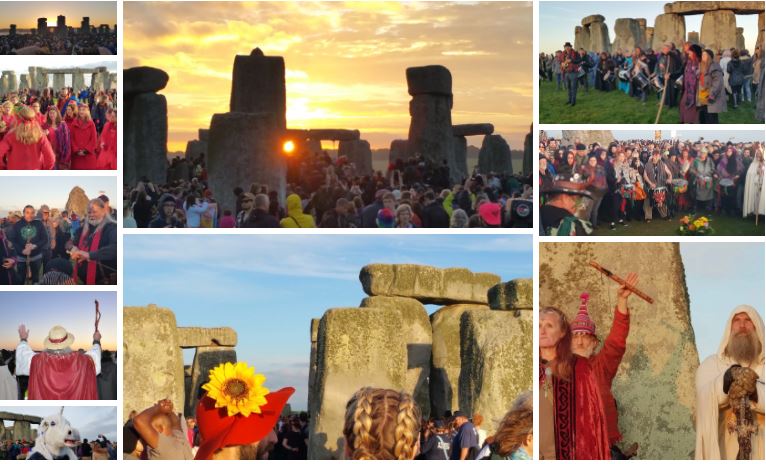
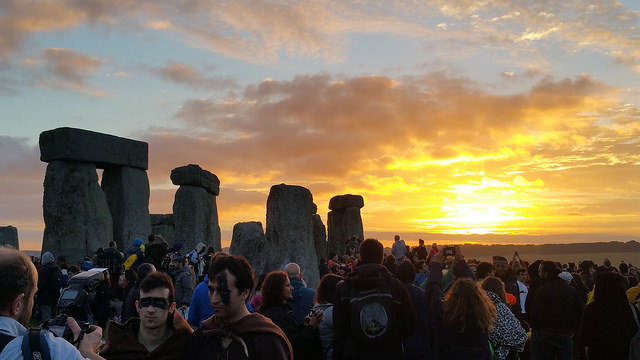
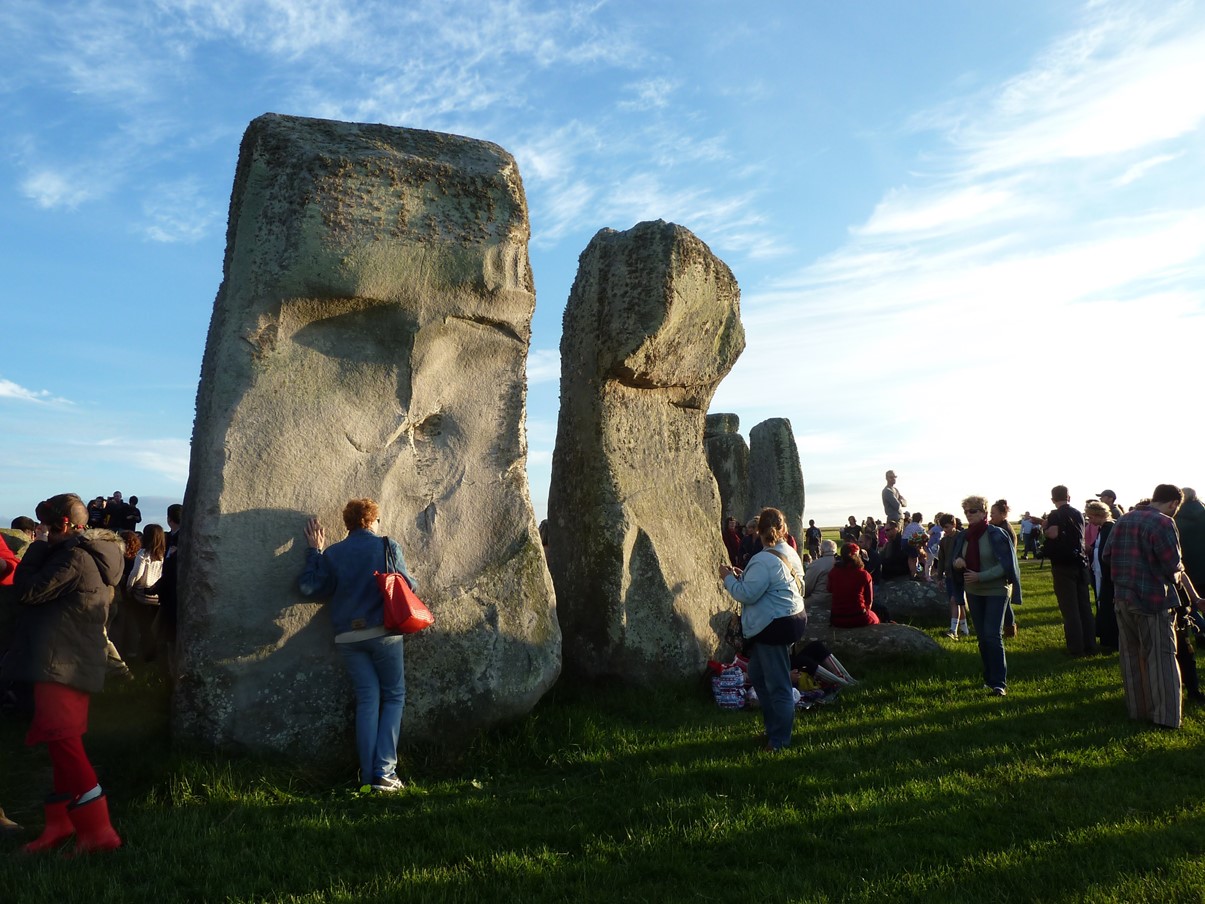
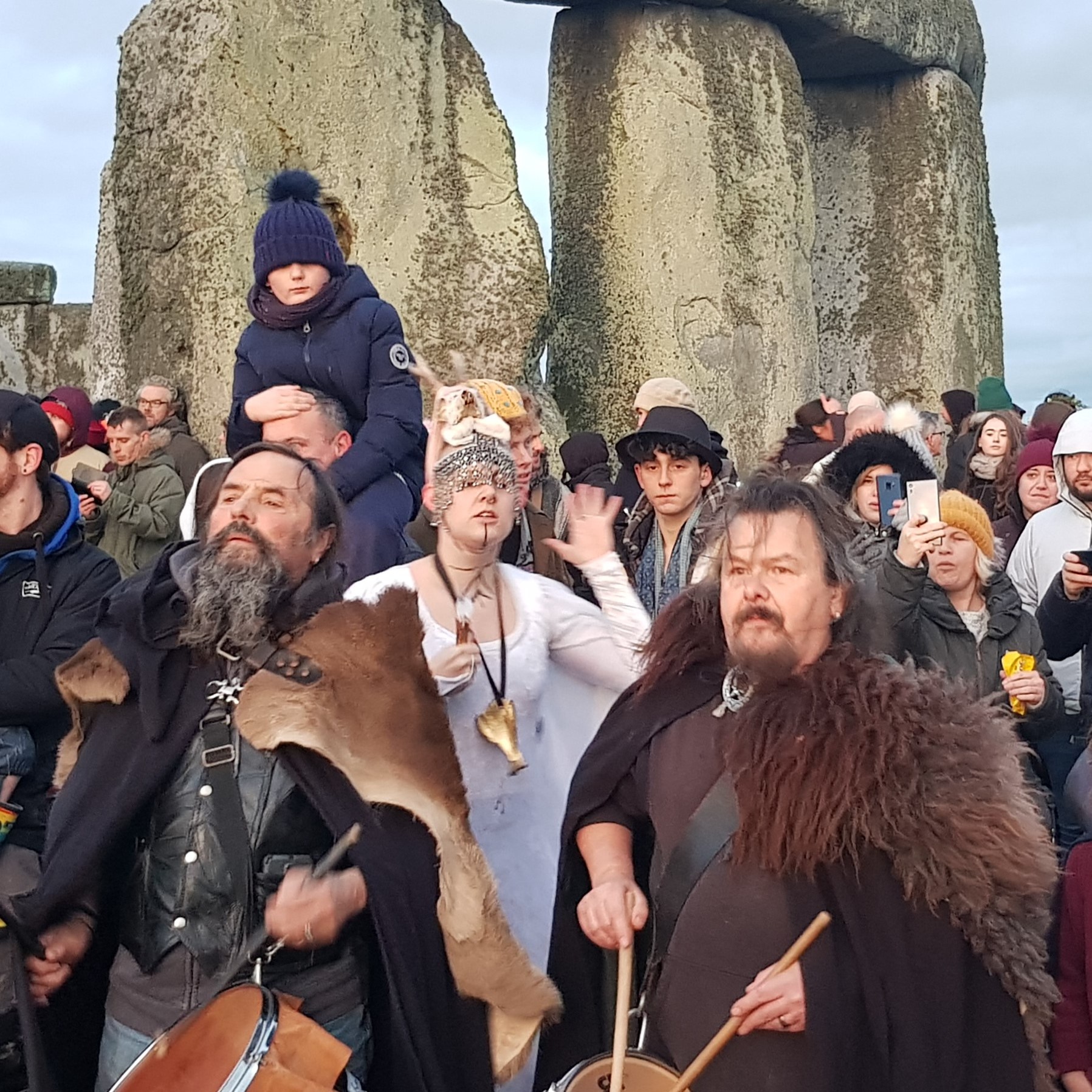
The spring equinox is one of the rare occasions that English Heritage opens up the stones for public access. Equinox open accesses attract fewer people than the Solstices – in the several hundreds rather than tens of thousands – and there are modern Druid ceremonies which are held in the circle around dawn.

Spring equinox 2022

This is the first of the four ‘sky points’ in our Wheel of the Year and it is when the sun does a perfect balancing act in the heavens. This is the point of the year when once again day and night are equal – 12 hours. The equinox, (the Latin word for Equinox means time of equal days and nights) is only the very moment the sun crosses the equator. The exact time of the 2022 Vernal Equinox is at 4.43pm

WHY CAN PAGANS AND DRUIDS GET SO CLOSE TO THE STONES FOR THE EQUINOX?

The famous Stonehenge circle is normally roped off to the public, but special access is granted four times a year. This is only on the mornings of the summer solstice, winter solstice, spring equinox and autumn equinox. English Heritage has ‘managed open access’, meaning the public can stand among the stones on these days. Anyone can turn up on the day to get close to the stones, but people are asked not to touch or climb on them. Organisers also have a ban on bringing glass bottles or pets onto the site and on playing amplified music. Stonehenge is expected to open at 5.45am when it was deemed light enough to safely allow people into the field and visitors must leave by 8.30am. English Heritage open to the paying public as normal at 9.30am.

Public access to Stonehenge currently takes place on four of the so-called ‘quarter festivals’. What exactly are the quarter festivals? And why are these occasions so celebrated by the Druids? The Quarter Festivals and the Druids

Why not join a guided tour from London or Bath and save the hassle of public transport and parking. Enjoy sunrise on the Equinox and hear all the latest theories of Stonehenge with an expert tour guide

Related Equinox Links:
How the Spring Equinox marks the changing seasons – The Telegraph
What is the vernal equinox? Why does it mark the first day of spring? – Express
Summer Solstice at Stonehenge. From Past to Present – Stonehenge News Blog
Stonehenge Spring Equinox Tours and Transport – Stonehenge Guided Tours
Solstice at Stonehenge – English Heritage
The Stonehenge Pilgrims – Stonehenge News Blog
What Exactly Is the Spring Equinox? – Country Living
Stonehenge Equinox / Solstice Guided Tours – Solstice Events UK
Visiting Stonehenge this year for the Spring Equinox Celebrations? RESPECT THE STONES

The Stonehenge News Blog
Follow us on Twitter and Facebook for all the latest Stonehenge News and Equinox updates.
http://www.Stonehenge.News


What are the full moon dates and names in 2022?

15 01 2022

Stargazers are set to witness some impressive celestial sights in 2022. As well as the full moons that come round every month, there will also be a series of supermoons to look out for.

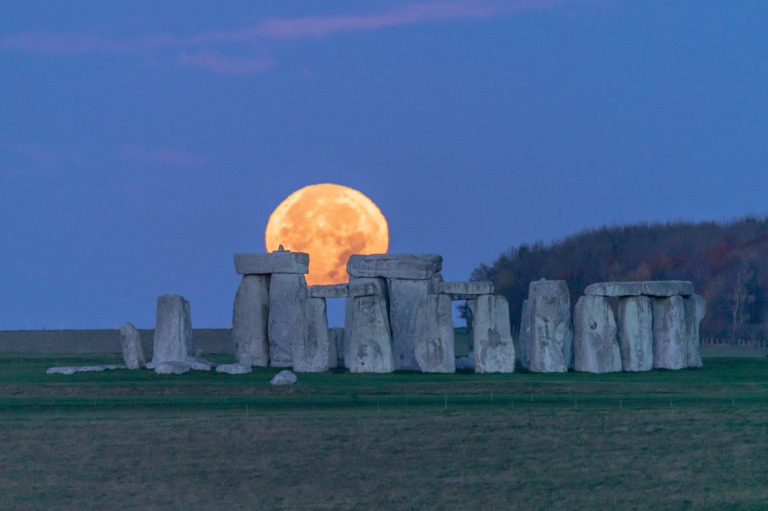
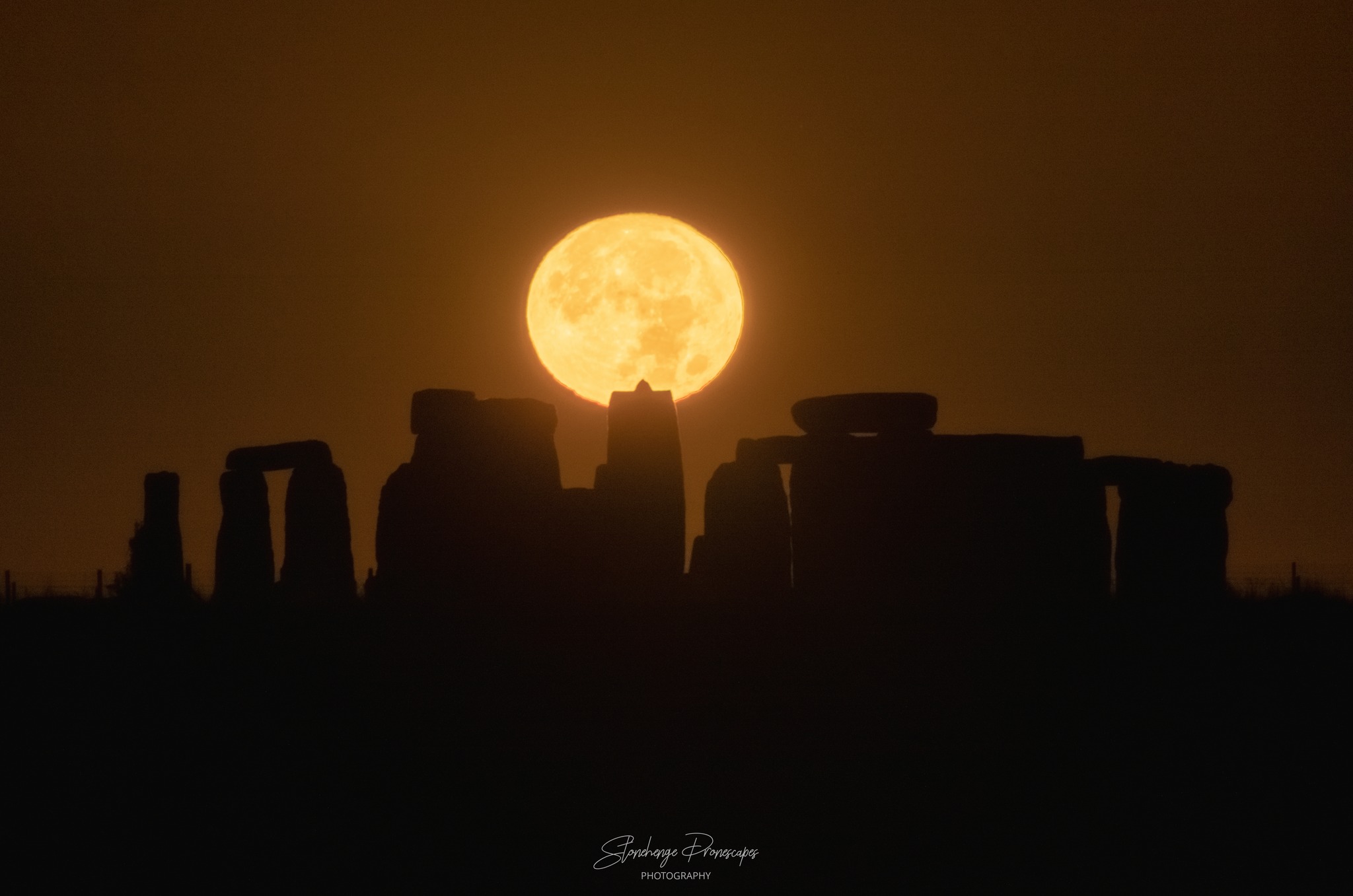
Full Moon over Stonehenge. Photo credits to Stonehenge Dronescapes

THE MOON moves through many phases and can have a profound effect on our energy and mindset as it transitions through the night sky. Here’s all of the full moon dates for 2022.

January 17th  2022:  Full Wolf Moon
February 15th 2022: Full Snow Moon
March 18th 2022: Full Worm Moon
April 16th 2022: Full Pink Moon
May 16th 2022: Full Flower Moon
June 14th 2022: Full Strawberry Moon
July 13th 2022: Full Black Moon
August 12th 2022: Full Sturgeon Moon
September 10th 2022: Full Harvest Moon
October 9th 2022: Full Hunters Moon
November 8th 2022: Full Frost Moon
December 8th 2022: Full Cold Moon

There are heaps of celestial events to look forward to in 2022. From meteor showers to solstices, equinoxes and glowing supermoons, Country Living have compiled your ultimate calendar guide to the very best astronomical events.

Stonehenge is situated on the edge of Salisbury Plain, the Landscape occupies a large, sparsely populated area ideal for stargazing.  These dark skies provide the perfect environment to see the stars in all their detail, so why not organise a night-time trip to see what you can discover? The National Trust mention Stonehenge as one of their top stargazing spots in the south west of England and it’s easy to see why. The timeless landscape surrounding Stonehenge is sparsely populated owing to the fact of its close proximity to Salisbury Plain and also due to Stonehenge being part of the UNESCO World Heritage Site. Keep an eye out for stargazing events organised by the National Trust and English Heritage here. 

Full Moon and Stonehenge Related links:
Stonehenge Dronescapes 2022 A3 Calendar – Purchase on EBAY
When is the next full Moon? Royal Museum Greenwich
Ancient Skies: Stonehenge and the Moon – Stonehenge News Blog
A simple-to-use tool for exploring and looking at the different Phases of the Moon. Moon Phases 2022.
Full list of 2022 astronomical events to look for – Daily Express
When is the next full moon? Your lunar astronomy guide – Science Focus
Visit Stonehenge and learn more about the astronomy of Stonehenge – Stonehenge Guided Tours8 must-see stargazing events to watch in 2022 – National Geographic
Month-by-month calendar guide to the best celestial events in 2022 – Country Living
Stonehenge and Ancient Astronomy. Stonehenge and Avebury World Heritage Site
Stonehenge Full Moon Guided Walking Tours.  Explore the landscape with a local historian and astronomer.
Stonehenge Dronescapes. Amazing photos of Stonehenge. Visit the Facebookpage
Guided Tours of Stonehenge from Bath and Salisbury – Stonehenge and Salisbury Guided Tours

The Stonehenge News Blog
Follow us on Twitter and Facebook for all the latest Stonehenge News
http://www.Stonehenge.News


The ‘remarqueable’ John Aubrey – Antiquary Son of Wiltshire.

12 03 2021

The 17th Century gentleman antiquarian, John Aubrey, is a fascinating, if elusive figure. Most famous for his proto-biography anthology, Brief Lives, in which he pithily captures in a few well-turned lines the key movers and shakers of his age, he is somewhat eclipsed by the greater lives he wrote about. Of Welsh descent (with family connections in Hereford and South Wales), Aubrey was born in Easton Piercy, Wiltshire 1626, and was to witness some of the most tumultuous events in English history.

Growing up within living memory of the rein of Elizabeth I, and amid the ruinous devastation caused by her murderous father, Henry VIII,  Aubrey was the witness firsthand the chaos of the English Civil War, the execution of Charles I, the merry England of Charles II, the brief rein of James II, and the Glorious Revolution, which saw in William and Mary. Living through such turbulent times, it is perhaps small wonder that Aubrey developed an obsession for the collection and preservation of the fragile, precious icons of the past. As his biographer, Ruth Scurr, pointed out, he was not alone in this predilection: ‘Rescuing or remembering the material remains of lost or shattered worlds became compelling for many who lived through the English Civil War.’ (2015: 4)  Yet Aubrey felt he was not only born in the right time, but the right place: ‘I was inclined by my genius from childhood to the love of antiquities: and my Fate dropt me in a countrey most suitable for such enquiries.’ One could also say ‘county’ as much as ‘countrey’, for in Aubrey’s birthplace and home, Wiltshire, he found an area worthy of a lifetime’s study.

With its hundreds of prehistoric monuments it is an antiquarian’s paradise. It seemed to have his name on it, literally. In 1649, when out hunting, he stumbled upon a remarkable arrangement of stones, half-hidden behind ivy and briar and apparently ignored as the mundane backdrop to the lives of simple farming folk, who grazed their livestock and grew their crops amongst them. This was the village of Avebury, and Aubrey couldn’t help but be tickled at the similarity between the names.

Tourists and gentlemen antiquaries can be seen visiting England’s most famous prehistoric monument, in this engraving by David Loggan  

By the time Aubrey was elected a Fellow of the Royal Society in 1663 news of his discovery of a monument, which ‘…doth exceed Stonehenge as a Cathedral does a Parish Church,’ reached the ears of Charles II, who asked Aubrey to show it to him on a hunting trip in Wiltshire. The monarch asked Aubrey to dig for treasure, but Aubrey discretely deferred this royal command, and instead undertook something for more useful.  He conducted a proto-survey of it, alongside one of Stonehenge in 1666, where he discovered the holes of timbered uprights, which bore cremated Neolithic remains – thousands of individual bone fragments from 56 individuals. These became known as the Aubrey Holes. Aubrey was educated in Dorset, then Trinity College, Oxford, before taking the bar at the Middle Temple, London. Although he moved in exalted circles as a member of the Royal Society, Aubrey often struggled with money. Fortunately, as an erudite and entertaining conversationalist (and, perhaps, more importantly a great listener) he was a favoured guest and enjoyed the rolling hospitality of his wealthy circle. Yet, living amid other lives had its deficits – although it was ideal ‘access’ for a future biographer, it meant his own projects were always deferred and piecemeal (tellingly, Miscellanies was the only monograph published in his lifetime, although he authored several, notably on his beloved Wiltshire, and he laboured upon his magnum opus, Monumenta Britannica, for thirty years).

Aubrey himself, an agnostic with more of a belief in astrology, thought such professional procrastination was written in the stars, as he reflected in later years, writing about himself like a subject of one of his own brief biographies: ‘His life is more remarqueable in an astrologicall respect then for any advancement of learning, having from his birth (till of late years) been labouring under a crowd of ill directions’. But it is precisely that restless interest in all things that resulted in the preservation of so much priceless history, for his precious collection of books, manuscripts, artefacts, art, and antiquities, was eventually bequeathed to Elias Ashmole, who went on to found the Ashmolean Museum in Oxford.  

Aubrey died in Oxford in 1697, at the end of a relatively brief (the Biblical ‘three score years and ten’) but certainly ‘remarqueable’ life. Through his tireless efforts he saved for posterity many treasures from the deluge of time, and his own legacy should be celebrated as Wiltshire’s most remarkable son.

Guest Blogger: Dr Kevan Manwaring is an author, lecturer, and specialist tour-guide. His books include The Long Woman (a novel which features Stonehenge and Avebury), Lost Islands, Turning the Wheel: seasonal Britain on two wheels, Desiring Dragons, Oxfordshire Folk Tales, Northamptonshire Folk Tales, and Herepath: a Wiltshire songline. He is a keen walker and loves exploring the ancient landscape of the Marlborough Downs (where he lives) and beyond.  www.kevanmanwaring.co.uk

Related links and articles:
John Aubrey: chronicler of the 17th century – History Extra
Research on Stonehenge – English Heritage Blog
John Aubrey: The Man who ‘Discovered’ Avebury – National Trust
Stonehenge Private Access Experience – Stonehenge Guided Tours
Stonehenge and the Druids – Stonehenge News Blog
John Aubrey: England’s first archaeologist? – The Heritage Trust
Stonehenge and Avebury Archaelogical Guided Tours – Stonehenge Tour Specialist

The Stonehenge News Blog
Follow us on Twitter and Facebook for all the latest Stonehenge News
http://www.Stonehenge.News


Ancient Skies: Stonehenge and the Moon.

29 11 2020

Whereas we can be sure that Stonehenge related directly to the Sun, its possible associations with the Moon remain much debated. Claims made in the 1960s that the monument incorporated large numbers of intentional alignments upon significant solar and lunar rising and setting positions are undermined by the archaeological evidence and are also statistically unsupportable.

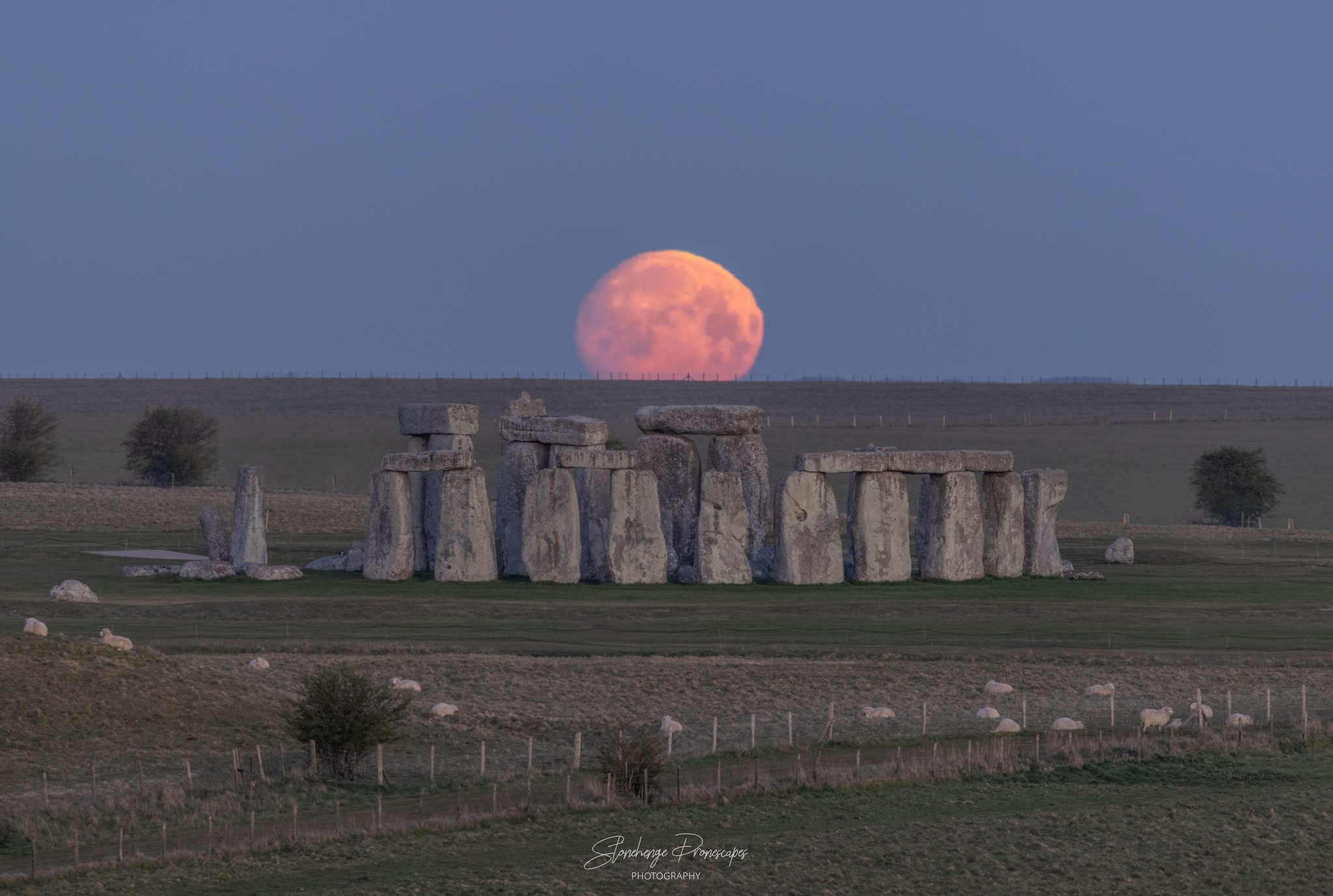
The full Harvest Moon setting over Stonehenge. Photo credit to Stonehenge Dronescapes

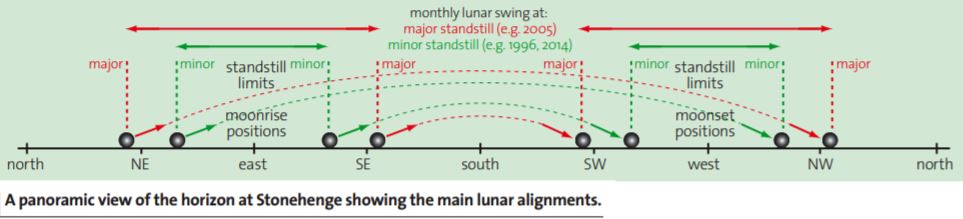
Nonetheless, some tantalizing strands of evidence remain. Chief among these is the orientation of the Station Stone rectangle. While its shorter axis simply follows the main solstitial orientation of the sarsen monument, its longer axis is oriented southeastwards close to the most southerly possible rising position of the Moon (most southerly moonrise). It has been argued that the latitude of Stonehenge was carefully chosen so that these two directions were nearly perpendicular, but the perfect location would have been further south, in the English Channel.

In any case, the precise location of Stonehenge was actually fixed by the pre-existing earth and timber monument upon whose remains the stones were constructed. The sightlines along the sides of the Station Stone rectangle were not (quite) blocked out by the sarsen monument. This suggests that they were of enduring significance.

The lunar phase cycle (“synodic month”) averaging 29.5 days is, for many indigenous peoples, the best-known cycle in the sky. The position of moonrise (moonset) moves up and down the eastern (western) horizon during a slightly shorter period – the “tropical month” of 27.3 days. Its phase is related to the season: the most southerly Moon is full around the summer solstice and new around the winter solstice. For the most northerly Moon the opposite is true.

Before the stones arrived, there was no evident solstitial orientation at Stonehenge. Yet after the earthen enclosure built several centuries earlier had fallen into disuse, and the timber posts standing in the Aubrey Holes had rotted away, a few people came here to make offerings of animals, tools and even human cremations. These were placed in the ditch, in the (now empty) Aubrey Holes, and were not placed randomly. There are concentrations in the directions of most northerly and most southerly moonrise, suggesting that Stonehenge and the Moon the motions of the Moon were a concern even at this early stage. (See the discussion on major and minor lunar standstills in the panel “Ancient Skies”.)

Fred Hoyle famously endorsed the idea that the 56 Aubrey Holes could have been used to predict eclipses by moving marker posts around according to certain rules. This idea does not stand up to scrutiny. For one thing, this could only predict eclipse danger periods – very different from predicting actual eclipses, for which the device would have been unreliable. For another, there exist several other Neolithic sites containing pit circles and they have widely ranging numbers of holes. Finally, the Aubrey Holes most likely held a circle of timber posts, predating the later constructions in stone, that mimicked older woodworking techniques.
SOURCE: Stonehenge and Ancient Astronomy. Stonehenge and Avebury World Heritage Site

Stonehenge sky visible around the world.
Enjoy a personal Stonehenge sky all year round, thanks to a new live feed of the sky above the ancient monument. The live feed gives us a chance to see the sky above Stonehenge from within the monument, whenever you like. On the website, we can gaze at the sky above the stone circle and track the path of other planets in our solar system. You can visit the website at any time of the day or night to see what it’s like inside the stone circle, with 360 degree views.
Experience it for yourself at www.stonehengeskyscape.co.uk

Relevant Stonehenge Links:
Stonehenge and other stone monuments were probably used for special moonlit ceremonies. STONEHENGE NEWS BLOG
Stonehenge and Ancient Astronomy. STONEHENGE AND AVEBURY WORLD HERITAGE SITES
Stonehenge Full Moon Guided Walking Tours. Explore the landscape with a local historian and astronomer. STONEHENGE GUIDED TOURS
Stonehenge Dronescapes. Amazing photos of Stonehenge. STONEHENGE DRONESCAPES
Celestial Stonehenge. The Moon, Planets and Stars. ENGLISH HERITAGE
Moving on from Stonehenge: Researchers make the case for archaeoastronomy. STONEHENGE NEWS BLOG
Stonehenge: The ancient SUPERCOMPUTER used to track movement of the universe. THE DAILY EXPRESS
Visit Stonehenge with an expert tour guide. STONEHENGE TOURS
Full Moon Rise at Stonehenge. SILENT EARTH
U.K Moon Phase Calendar. MOONPHASE

The Stonehenge News Blog
Follow us on Twitter and Facebook for all the latest Stonehenge News
http://www.Stonehenge.News


International Day For Monuments and Sites 2020. World Heritage Day is observed every year on 18th April. #WorldHeritageDay

18 04 2020

World Heritage is the shared wealth of humankind. Protecting and preserving this valuable asset demands the collective efforts of the international community. This special day offers an opportunity to raise the public’s awareness about the diversity of cultural heritage and the efforts that are required to protect and conserve it, as well as draw attention to its vulnerability.

Download the World Heritage app and discover all the UNESCO world heritage sites!

On 18th April 1982 on the occasion of a symposium organised by ICOMOSin Tunisia, the holding of the “International Day WHSfor Monuments and Sites” to be celebrated simultaneously throughout the world was suggested. This project was approved by the Executive Committee who provided practical suggestions to the National Committees on how to organise this day.

The idea was also approved by the UNESCO General Conference who passed a resolution at its 22nd session in November 1983 recommending that Member States examine the possibility of declaring 18th April each year “International Monuments and Sites Day”. This has been traditionally called the World Heritage Day.

A World Heritage site is a landmark or area which is selected by the United Nations Educational, Scientific and Cultural Organization (UNESCO) as having cultural, historical, scientific or other form of significance, and is legally protected by international treaties.

Stonehenge, Avebury and Associated Sites is a UNESCO World Heritage site

Stonehenge and Avebury, in Wiltshire, are among the most famous groups of megaliths in the world. The two sanctuaries consist of circles of menhirs arranged in a pattern whose astronomical significance is still being explored. These holy places and the nearby Neolithic sites are an incomparable testimony to prehistoric times.

“Celebrate it with a virtual visit to Stonehenge and observe a minute of silence for the ones we have lost to insensitive developments” Visit the English Heritage website and click the hotspots to find out more.

The Stonehenge News Blog
Follow us on Twitter and Facebook for all the latest Stonehenge News
http://www.Stonehenge.News


Monumental Lockdown: A period of Rejuvenation for Stonehenge

13 04 2020

On the 23rd of March, Boris Johnson announced strict ‘lockdown’ measures to curb the spread of the Coronavirus. This followed similar measures put in place worldwide. Subsequently, people have been restricted to their homes, allowed out only for essential work and shopping. Global tourism has been placed in indefinite suspension.

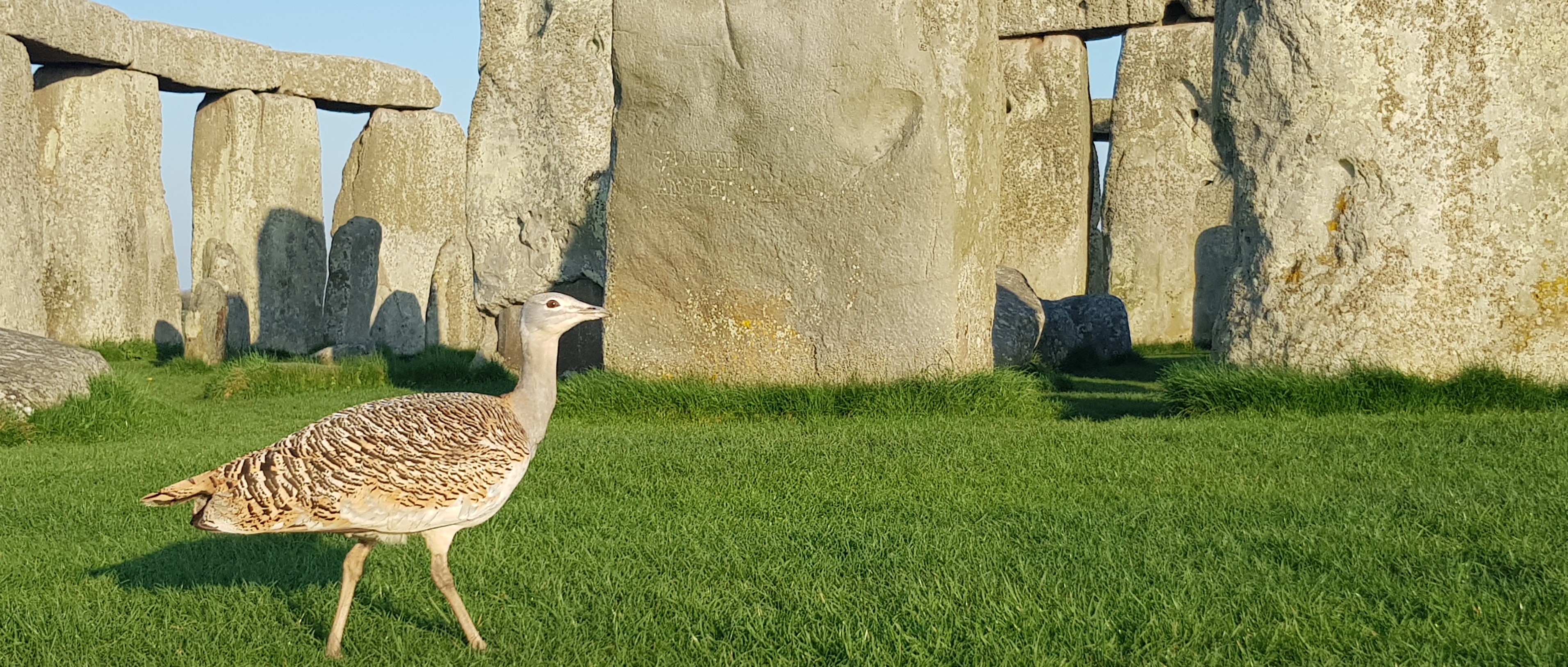
Stonehenge wildlife

One of Britain’s rarest – and strangest – birds is back at Stonehenge. The Great Bustard was affectionately christened by Stonehenge staff as “Gertrude”

Although a grave shame, the restrictions are essential for the fight against the terrible Coronavirus, and there are even environmental positives to the lockdown. The break in tourism has given the worlds cities and monuments a well needed break, a chance to rejuvenate. A silver lining in the crisis, appears to be a global drop in air pollution – Paul Monks, professor of air pollution at the University of Leicester, told the Guardian: ‘this fact ‘this might give us some hope from something terrible’.  The positives of this rejuvenation are becoming visible. In Venice have cleared and wildlife has returned in droves: “It is calm like a pond… We Venetians have the feeling that nature has returned and is taking back possession of the city,”

This period of rest for the worlds monuments and natural resurgence is set to benefit the world and will improve the tourists experience when they return. Nature needs time to breathe, so it could be that the way tourism is viewed may alter to allow nature further breathing space.

This period of rest is also set to benefit the ancient monoliths of Stonehenge, which remains unvisited for weeks, in a number of ways. Firstly, just like in Venice, the latent wildlife surrounding Stonehenge will have reclaimed full rights to the area – not only the grasses and plants that make up the verdant surroundings of the stones, but also birds and insects that call the planes of Wessex home. The resurgence of the nature in the surrounding area will surely make the site all the more pleasant when it reopens.

The drop-in air pollution and return of wildlife signal a return to environmental conditions closer to that of the stone’s erection, thousands of years ago. It is believed that this is crucial for the rejuvenation of the site’s primordial energies. For thousands of years, the site would have only seen large gatherings of people once or twice a year. Today, the rate of foot fall has increased exponentially. Experts in earth energies believe a short period of rest for the stones is sure to revitalise the wealth of energy that flows beneath the stones, and indeed all the lay lines which run through Wessex and the country as a whole.

All these factors combine to create a healthy environment for all monuments across the world, cleaner air, healthier wildlife and rest is sure not only to improve the aesthetics of our country, but also the deeper health of the monuments and even our own health when experiencing them. Across the land, nature is reclaiming land, allowing us to reconnect with nature and recreating a healthier environment for us to return to when normal life resumes.

RELEVANT LINKS:
Coronavirus: Is wildlife the big beneficiary of the COVID-19 lockdown? – EURONEWS
Venice canals clear up due to Covid-19 lockdown – BUSINESS TRAVELLER
Wild animals wander through deserted cities under Covid-19 lockdown –RFI
People in India can see the Himalayas for the first time in ‘decades,’ as the lockdown eases air pollution – CNN
UNESCO supports culture and heritage during COVID-19’s shutdown – UNESCO
UK road travel falls to 1955 levels as Covid-19 lockdown takes hold – THE GUARDIAN

News Blog
Follow us on Twitter and Facebook for all the latest Stonehenge News
http://www.Stonehenge.News


Stonehenge Spring (Vernal) Equinox 20th March 2020

14 03 2020

The Spring, or Vernal, Equinox is the point at which the sun crosses the equator, returning to the northern hemisphere, the point when day and night are at equal length.  The exact time of the 2020 Spring (Vernal) Equinox is at 03.49am

Stonehenge Vernal Equinox

As the sun returns, bringing with it the prospect of spring and all its light and warmth, where better to witness this celestial dance then amongst the essential beauty of the world’s most famous megaliths.

English Heritage are expected to give a short period of managed open access from approximately 05.45m to 8.00am. Due to the current climate concerning coronavirus we recommend checking the English Heritage website for any updates.

Spring equinox 2020

This is the first of the four ‘sky points’ in our Wheel of the Year and it is when the sun does a perfect balancing act in the heavens. This is the point of the year when once again day and night are equal – 12 hours. The equinox, (the Latin word for Equinox means time of equal days and nights) is only the very moment the sun crosses the equator.

The return of the sun and the promise of spring has always been a cause for celebration.

At the North Pole the sun will blaze for the next 6 months, here the days will elongate. Across the northern hemisphere, across the centuries, our ancestors have rejoiced in celebration at the end of winter. Globally, it is a time of unity between the northern and southern hemispheres as our days hang in perfect balance with one another. Stonehenge’s connection with the stars has ensured it as a hub for equinox celebrations and to this day the celebrations continue.

The time is for the instant when the Sun crosses the celestial equator moving northwards and has a celestial longitude of 0°

For the ancients, as well as today the celebrations welcomed the spring and the end of a harsh winter; this was the time when crops were resewn and the people celebrated the triumph of light over dark, of life over death. The celebrations have always been full of hope and joy – it is even foretold that as the wind and the weather are at the vernal equinox, so they will be for the next few months.

Public access to Stonehenge currently takes place on four of the so-called ‘quarter festivals’. What exactly are the quarter festivals? And why are these occasions so celebrated by the Druids? The Quarter Festivals and the Druids

Stonehenge and the Druids – who are the Druids?

Visiting Stonehenge this year for the Spring Equinox Celebrations? RESPECT THE STONES

English Heritage –  conditions of entry for ‘Managed Open Access’

If you are considering visiting Stonehenge for the Vernal Equinox and do not have transport you can join a specialist organised small group tour.  Use a reputable tour operator who respect the conditions of entry.  Stonehenge Guided Tours are the longest established company offering award winning discreet tours from London and Bath – click here for their exclusive Spring Equinox tour.  Solstice Events offer small group sunrise tours using local expert guides.

If you are unable to visit Stonehenge on the Equinox you can watch our FACEBOOK or  LIVE PERISCOPE STONEHENGE BROADCAST

The Stonehenge News Blog
Follow us on Twitter and Facebook for all the latest Stonehenge News
http://www.Stonehenge.News