Stargazers are set to witness some impressive celestial sights in 2022. As well as the full moons that come round every month, there will also be a series of supermoons to look out for.
THE MOON moves through many phases and can have a profound effect on our energy and mindset as it transitions through the night sky. Here’s all of the full moon dates for 2022.
January 17th 2022: Full Wolf Moon
February 15th 2022: Full Snow Moon
March 18th 2022: Full Worm Moon
April 16th 2022: Full Pink Moon
May 16th 2022: Full Flower Moon
June 14th 2022: Full Strawberry Moon
July 13th 2022: Full Black Moon
August 12th 2022: Full Sturgeon Moon
September 10th 2022: Full Harvest Moon
October 9th 2022: Full Hunters Moon
November 8th 2022: Full Frost Moon
December 8th 2022: Full Cold Moon
There are heaps of celestial events to look forward to in 2022. From meteor showers to solstices, equinoxes and glowing supermoons, Country Living have compiled your ultimate calendar guide to the very best astronomical events.
Stonehenge is situated on the edge of Salisbury Plain, the Landscape occupies a large, sparsely populated area ideal for stargazing. These dark skies provide the perfect environment to see the stars in all their detail, so why not organise a night-time trip to see what you can discover? The National Trust mention Stonehenge as one of their top stargazing spots in the south west of England and it’s easy to see why. The timeless landscape surrounding Stonehenge is sparsely populated owing to the fact of its close proximity to Salisbury Plain and also due to Stonehenge being part of the UNESCO World Heritage Site. Keep an eye out for stargazing events organised by the National Trust and English Heritage here.
The 17th Century gentleman antiquarian, John Aubrey, is a fascinating, if elusive figure. Most famous for his proto-biography anthology, Brief Lives, in which he pithily captures in a few well-turned lines the key movers and shakers of his age, he is somewhat eclipsed by the greater lives he wrote about. Of Welsh descent (with family connections in Hereford and South Wales), Aubrey was born in Easton Piercy, Wiltshire 1626, and was to witness some of the most tumultuous events in English history.
Growing up within living memory of the rein of Elizabeth I, and amid the ruinous devastation caused by her murderous father, Henry VIII, Aubrey was the witness firsthand the chaos of the English Civil War, the execution of Charles I, the merry England of Charles II, the brief rein of James II, and the Glorious Revolution, which saw in William and Mary. Living through such turbulent times, it is perhaps small wonder that Aubrey developed an obsession for the collection and preservation of the fragile, precious icons of the past. As his biographer, Ruth Scurr, pointed out, he was not alone in this predilection: ‘Rescuing or remembering the material remains of lost or shattered worlds became compelling for many who lived through the English Civil War.’ (2015: 4) Yet Aubrey felt he was not only born in the right time, but the right place: ‘I was inclined by my genius from childhood to the love of antiquities: and my Fate dropt me in a countrey most suitable for such enquiries.’ One could also say ‘county’ as much as ‘countrey’, for in Aubrey’s birthplace and home, Wiltshire, he found an area worthy of a lifetime’s study.
With its hundreds of prehistoric monuments it is an antiquarian’s paradise. It seemed to have his name on it, literally. In 1649, when out hunting, he stumbled upon a remarkable arrangement of stones, half-hidden behind ivy and briar and apparently ignored as the mundane backdrop to the lives of simple farming folk, who grazed their livestock and grew their crops amongst them. This was the village of Avebury, and Aubrey couldn’t help but be tickled at the similarity between the names.
Tourists and gentlemen antiquaries can be seen visiting England’s most famous prehistoric monument, in this engraving by David Loggan
By the time Aubrey was elected a Fellow of the Royal Society in 1663 news of his discovery of a monument, which ‘…doth exceed Stonehenge as a Cathedral does a Parish Church,’ reached the ears of Charles II, who asked Aubrey to show it to him on a hunting trip in Wiltshire. The monarch asked Aubrey to dig for treasure, but Aubrey discretely deferred this royal command, and instead undertook something for more useful. He conducted a proto-survey of it, alongside one of Stonehenge in 1666, where he discovered the holes of timbered uprights, which bore cremated Neolithic remains – thousands of individual bone fragments from 56 individuals. These became known as the Aubrey Holes. Aubrey was educated in Dorset, then Trinity College, Oxford, before taking the bar at the Middle Temple, London. Although he moved in exalted circles as a member of the Royal Society, Aubrey often struggled with money. Fortunately, as an erudite and entertaining conversationalist (and, perhaps, more importantly a great listener) he was a favoured guest and enjoyed the rolling hospitality of his wealthy circle. Yet, living amid other lives had its deficits – although it was ideal ‘access’ for a future biographer, it meant his own projects were always deferred and piecemeal (tellingly, Miscellanies was the only monograph published in his lifetime, although he authored several, notably on his beloved Wiltshire, and he laboured upon his magnum opus, Monumenta Britannica, for thirty years).
Aubrey himself, an agnostic with more of a belief in astrology, thought such professional procrastination was written in the stars, as he reflected in later years, writing about himself like a subject of one of his own brief biographies: ‘His life is more remarqueable in an astrologicall respect then for any advancement of learning, having from his birth (till of late years) been labouring under a crowd of ill directions’. But it is precisely that restless interest in all things that resulted in the preservation of so much priceless history, for his precious collection of books, manuscripts, artefacts, art, and antiquities, was eventually bequeathed to Elias Ashmole, who went on to found the Ashmolean Museum in Oxford.
Aubrey died in Oxford in 1697, at the end of a relatively brief (the Biblical ‘three score years and ten’) but certainly ‘remarqueable’ life. Through his tireless efforts he saved for posterity many treasures from the deluge of time, and his own legacy should be celebrated as Wiltshire’s most remarkable son.
Guest Blogger: Dr Kevan Manwaring is an author, lecturer, and specialist tour-guide. His books include The Long Woman (a novel which features Stonehenge and Avebury), Lost Islands, Turning the Wheel: seasonal Britain on two wheels, Desiring Dragons, Oxfordshire Folk Tales, Northamptonshire Folk Tales, and Herepath: a Wiltshire songline. He is a keen walker and loves exploring the ancient landscape of the Marlborough Downs (where he lives) and beyond. www.kevanmanwaring.co.uk
Whereas we can be sure that Stonehenge related directly to the Sun, its possible associations with the Moon remain much debated. Claims made in the 1960s that the monument incorporated large numbers of intentional alignments upon significant solar and lunar rising and setting positions are undermined by the archaeological evidence and are also statistically unsupportable.
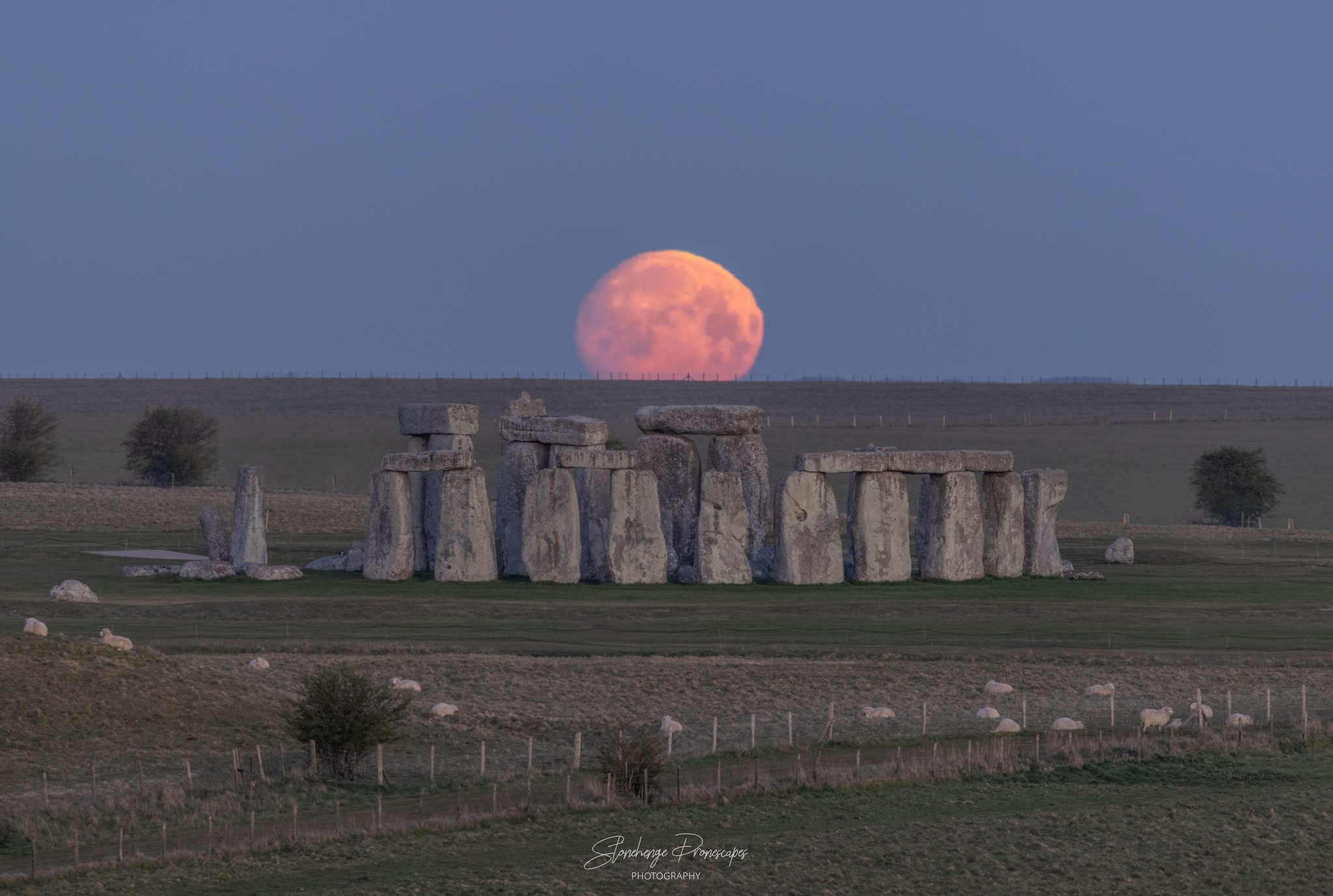
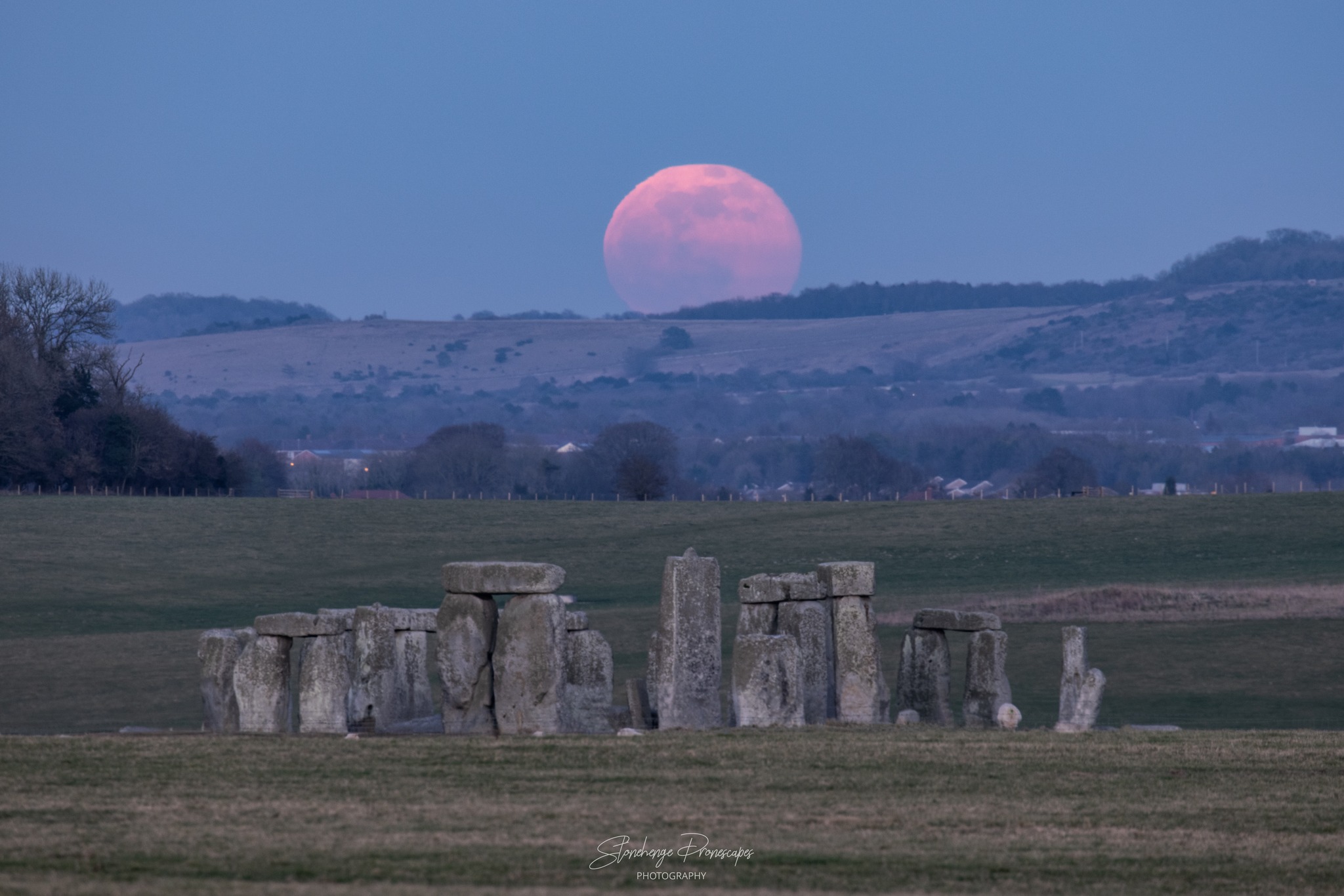
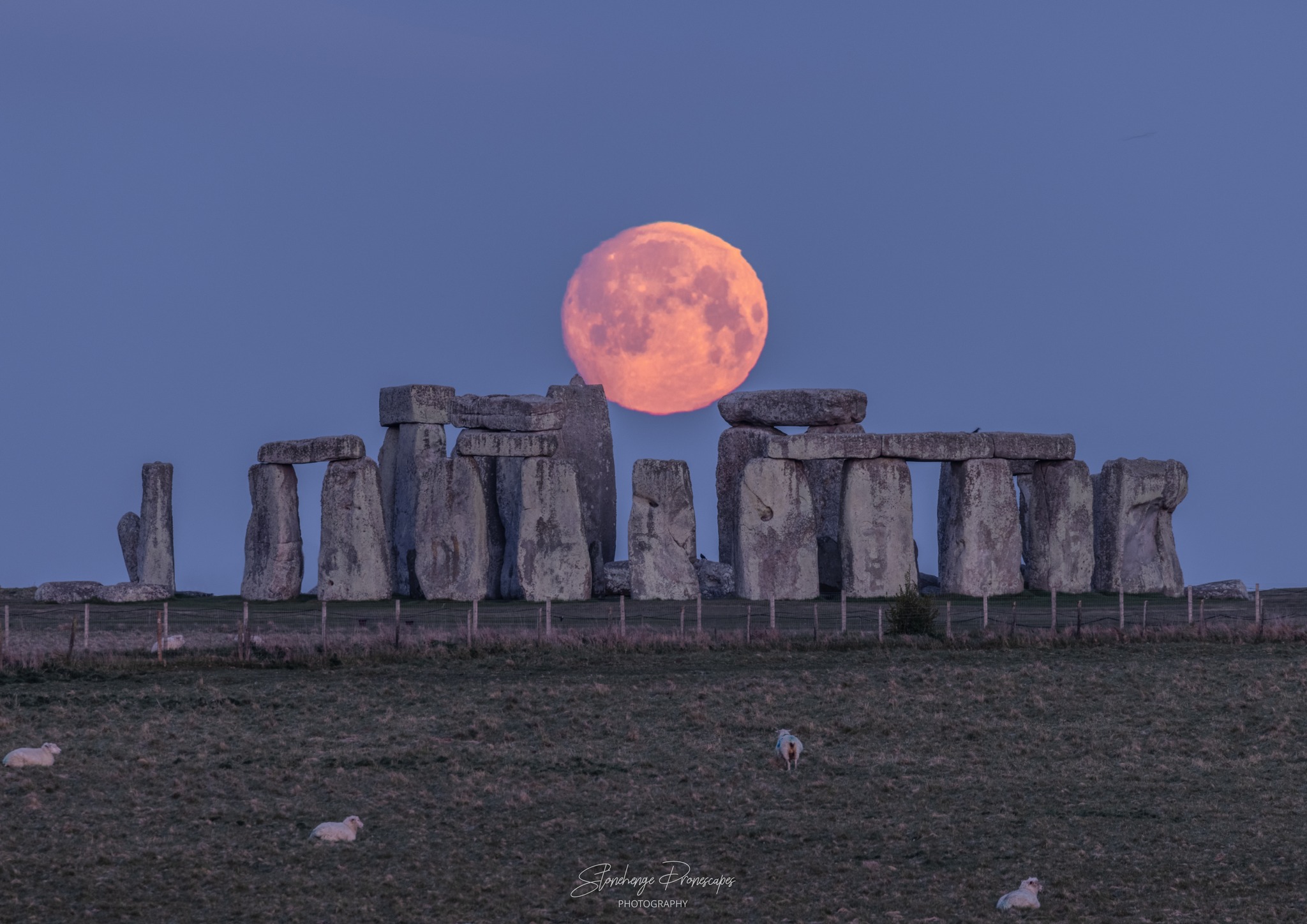
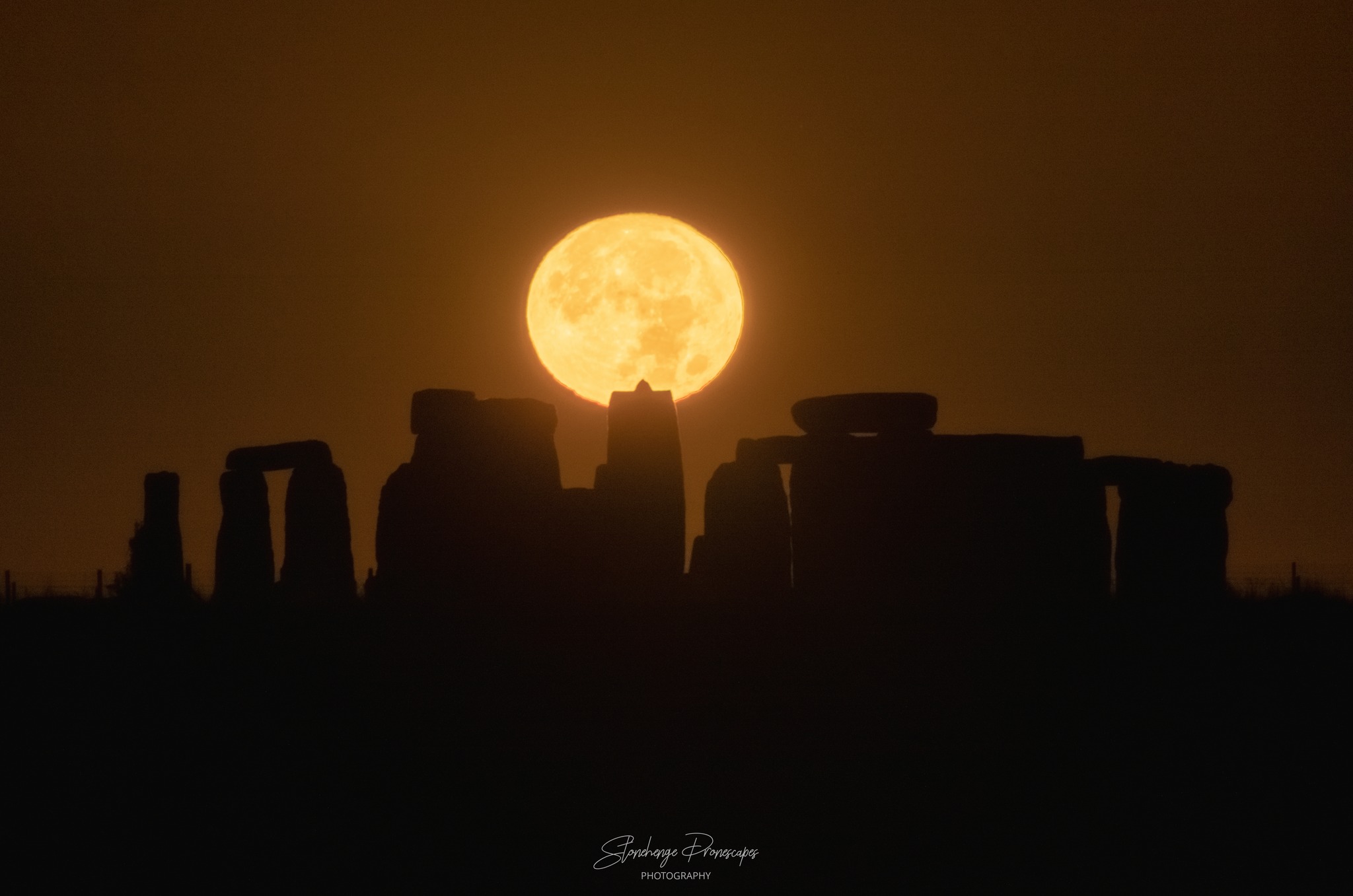
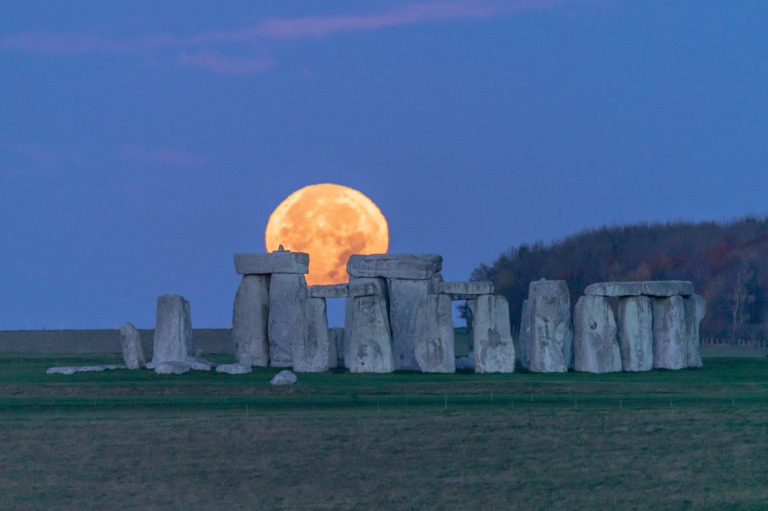
The full Harvest Moon setting over Stonehenge. Photo credit to Stonehenge Dronescapes
Nonetheless, some tantalizing strands of evidence remain. Chief among these is the orientation of the Station Stone rectangle. While its shorter axis simply follows the main solstitial orientation of the sarsen monument, its longer axis is oriented southeastwards close to the most southerly possible rising position of the Moon (most southerly moonrise). It has been argued that the latitude of Stonehenge was carefully chosen so that these two directions were nearly perpendicular, but the perfect location would have been further south, in the English Channel.
In any case, the precise location of Stonehenge was actually fixed by the pre-existing earth and timber monument upon whose remains the stones were constructed. The sightlines along the sides of the Station Stone rectangle were not (quite) blocked out by the sarsen monument. This suggests that they were of enduring significance.
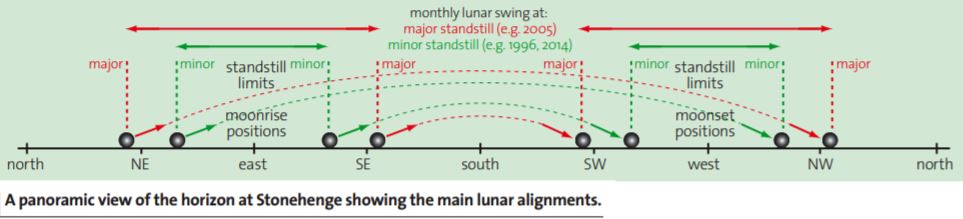
The lunar phase cycle (“synodic month”) averaging 29.5 days is, for many indigenous peoples, the best-known cycle in the sky. The position of moonrise (moonset) moves up and down the eastern (western) horizon during a slightly shorter period – the “tropical month” of 27.3 days. Its phase is related to the season: the most southerly Moon is full around the summer solstice and new around the winter solstice. For the most northerly Moon the opposite is true.
Before the stones arrived, there was no evident solstitial orientation at Stonehenge. Yet after the earthen enclosure built several centuries earlier had fallen into disuse, and the timber posts standing in the Aubrey Holes had rotted away, a few people came here to make offerings of animals, tools and even human cremations. These were placed in the ditch, in the (now empty) Aubrey Holes, and were not placed randomly. There are concentrations in the directions of most northerly and most southerly moonrise, suggesting that Stonehenge and the Moon the motions of the Moon were a concern even at this early stage. (See the discussion on major and minor lunar standstills in the panel “Ancient Skies”.)
Fred Hoyle famously endorsed the idea that the 56 Aubrey Holes could have been used to predict eclipses by moving marker posts around according to certain rules. This idea does not stand up to scrutiny. For one thing, this could only predict eclipse danger periods – very different from predicting actual eclipses, for which the device would have been unreliable. For another, there exist several other Neolithic sites containing pit circles and they have widely ranging numbers of holes. Finally, the Aubrey Holes most likely held a circle of timber posts, predating the later constructions in stone, that mimicked older woodworking techniques. SOURCE: Stonehenge and Ancient Astronomy. Stonehenge and Avebury World Heritage Site
Stonehenge sky visible around the world. Enjoy a personal Stonehenge sky all year round, thanks to a new live feed of the sky above the ancient monument. The live feed gives us a chance to see the sky above Stonehenge from within the monument, whenever you like. On the website, we can gaze at the sky above the stone circle and track the path of other planets in our solar system. You can visit the website at any time of the day or night to see what it’s like inside the stone circle, with 360 degree views. Experience it for yourself at www.stonehengeskyscape.co.uk
Relevant Stonehenge Links: Stonehenge and other stone monuments were probably used for special moonlit ceremonies. STONEHENGE NEWS BLOG Stonehenge and Ancient Astronomy. STONEHENGE AND AVEBURY WORLD HERITAGE SITES Stonehenge Full Moon Guided Walking Tours. Explore the landscape with a local historian and astronomer. STONEHENGE GUIDED TOURS Stonehenge Dronescapes. Amazing photos of Stonehenge. STONEHENGE DRONESCAPES Celestial Stonehenge. The Moon, Planets and Stars. ENGLISH HERITAGE Moving on from Stonehenge: Researchers make the case for archaeoastronomy. STONEHENGE NEWS BLOG Stonehenge: The ancient SUPERCOMPUTER used to track movement of the universe. THE DAILY EXPRESS Visit Stonehenge with an expert tour guide. STONEHENGE TOURS Full Moon Rise at Stonehenge. SILENT EARTH U.K Moon Phase Calendar. MOONPHASE
World Heritage is the shared wealth of humankind. Protecting and preserving this valuable asset demands the collective efforts of the international community. This special day offers an opportunity to raise the public’s awareness about the diversity of cultural heritage and the efforts that are required to protect and conserve it, as well as draw attention to its vulnerability.
Download the World Heritage app and discover all the UNESCO world heritage sites!
On 18th April 1982 on the occasion of a symposium organised by ICOMOSin Tunisia, the holding of the “International Day for Monuments and Sites” to be celebrated simultaneously throughout the world was suggested. This project was approved by the Executive Committee who provided practical suggestions to the National Committees on how to organise this day.
The idea was also approved by the UNESCO General Conference who passed a resolution at its 22nd session in November 1983 recommending that Member States examine the possibility of declaring 18th April each year “International Monuments and Sites Day”. This has been traditionally called the World Heritage Day.
A World Heritage site is a landmark or area which is selected by the United Nations Educational, Scientific and Cultural Organization (UNESCO) as having cultural, historical, scientific or other form of significance, and is legally protected by international treaties.
Stonehenge, Avebury and Associated Sites is a UNESCO World Heritage site
Stonehenge and Avebury, in Wiltshire, are among the most famous groups of megaliths in the world. The two sanctuaries consist of circles of menhirs arranged in a pattern whose astronomical significance is still being explored. These holy places and the nearby Neolithic sites are an incomparable testimony to prehistoric times.
“Celebrate it with a virtual visit to Stonehenge and observe a minute of silence for the ones we have lost to insensitive developments” Visit the English Heritage website and click the hotspots to find out more.
On the 23rd of March, Boris Johnson announced strict ‘lockdown’ measures to curb the spread of the Coronavirus. This followed similar measures put in place worldwide. Subsequently, people have been restricted to their homes, allowed out only for essential work and shopping. Global tourism has been placed in indefinite suspension.
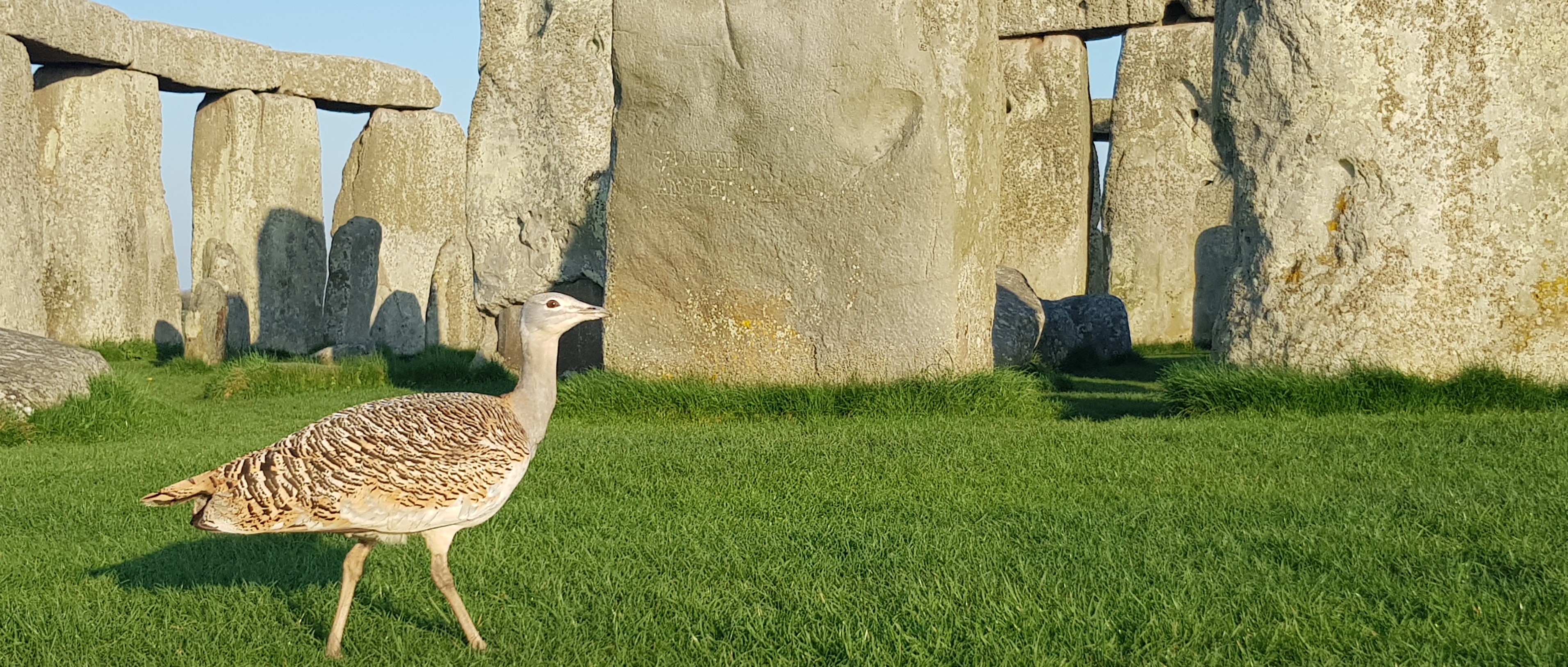
One of Britain’s rarest – and strangest – birds is back at Stonehenge. The Great Bustard was affectionately christened by Stonehenge staff as “Gertrude”
Although a grave shame, the restrictions are essential for the fight against the terrible Coronavirus, and there are even environmental positives to the lockdown. The break in tourism has given the worlds cities and monuments a well needed break, a chance to rejuvenate. A silver lining in the crisis, appears to be a global drop in air pollution – Paul Monks, professor of air pollution at the University of Leicester, told the Guardian: ‘this fact ‘this might give us some hope from something terrible’. The positives of this rejuvenation are becoming visible. In Venice have cleared and wildlife has returned in droves: “It is calm like a pond… We Venetians have the feeling that nature has returned and is taking back possession of the city,”
This period of rest for the worlds monuments and natural resurgence is set to benefit the world and will improve the tourists experience when they return. Nature needs time to breathe, so it could be that the way tourism is viewed may alter to allow nature further breathing space.
This period of rest is also set to benefit the ancient monoliths of Stonehenge, which remains unvisited for weeks, in a number of ways. Firstly, just like in Venice, the latent wildlife surrounding Stonehenge will have reclaimed full rights to the area – not only the grasses and plants that make up the verdant surroundings of the stones, but also birds and insects that call the planes of Wessex home. The resurgence of the nature in the surrounding area will surely make the site all the more pleasant when it reopens.
The drop-in air pollution and return of wildlife signal a return to environmental conditions closer to that of the stone’s erection, thousands of years ago. It is believed that this is crucial for the rejuvenation of the site’s primordial energies. For thousands of years, the site would have only seen large gatherings of people once or twice a year. Today, the rate of foot fall has increased exponentially. Experts in earth energies believe a short period of rest for the stones is sure to revitalise the wealth of energy that flows beneath the stones, and indeed all the lay lines which run through Wessex and the country as a whole.
All these factors combine to create a healthy environment for all monuments across the world, cleaner air, healthier wildlife and rest is sure not only to improve the aesthetics of our country, but also the deeper health of the monuments and even our own health when experiencing them. Across the land, nature is reclaiming land, allowing us to reconnect with nature and recreating a healthier environment for us to return to when normal life resumes.
RELEVANT LINKS:
Coronavirus: Is wildlife the big beneficiary of the COVID-19 lockdown? – EURONEWS Venice canals clear up due to Covid-19 lockdown – BUSINESS TRAVELLER Wild animals wander through deserted cities under Covid-19 lockdown –RFI People in India can see the Himalayas for the first time in ‘decades,’ as the lockdown eases air pollution – CNN UNESCO supports culture and heritage during COVID-19’s shutdown – UNESCO UK road travel falls to 1955 levels as Covid-19 lockdown takes hold – THE GUARDIAN
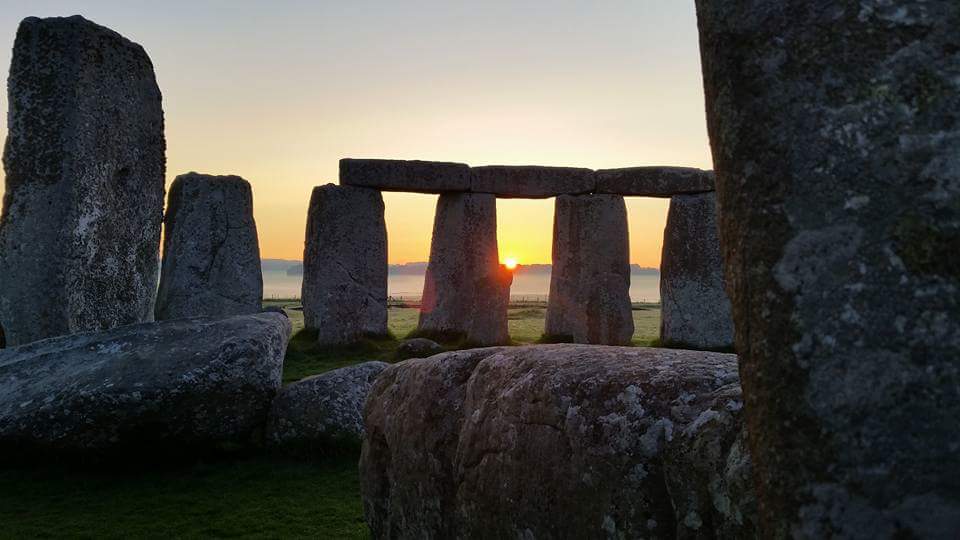
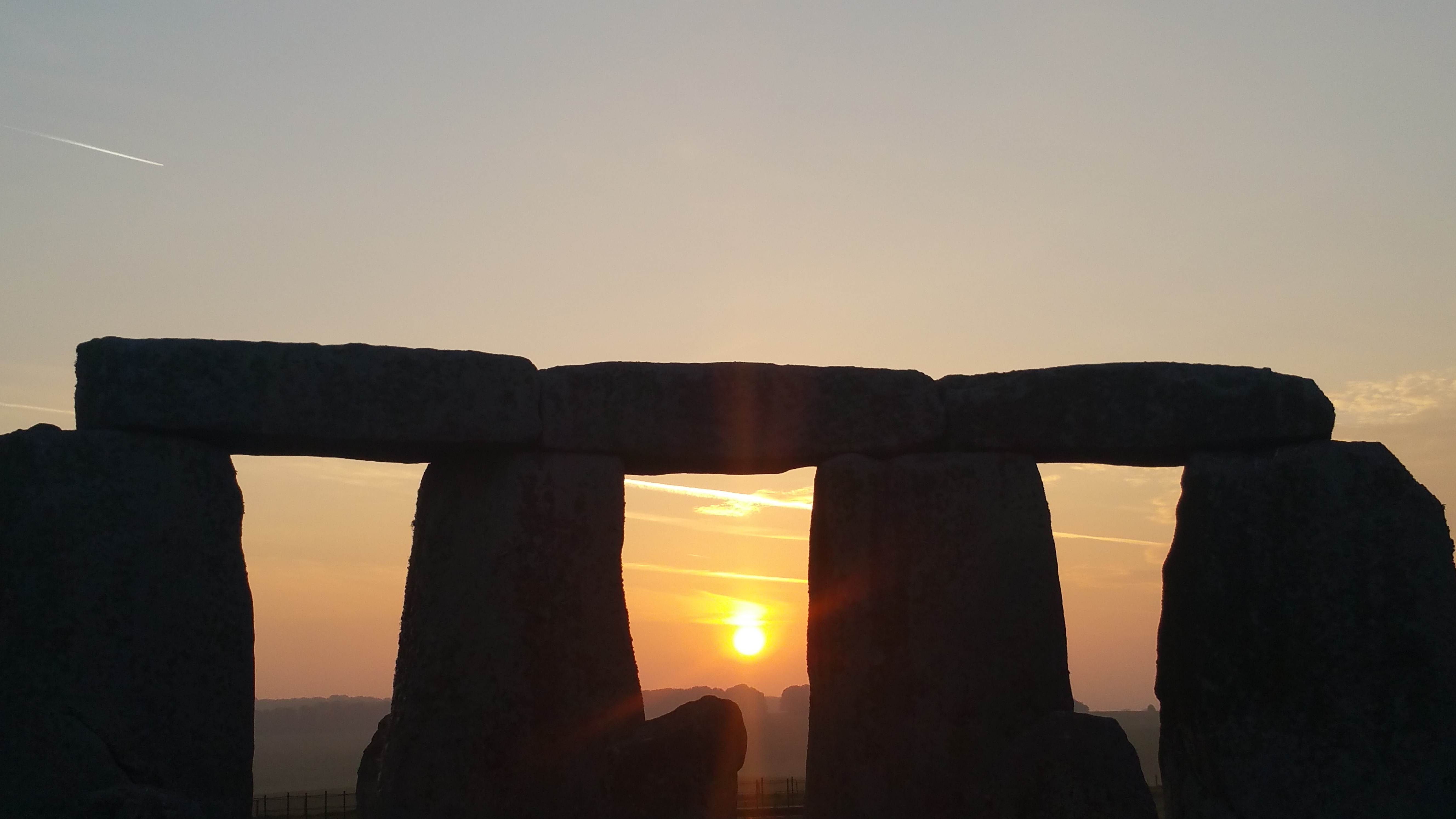
The Spring, or Vernal, Equinox is the point at which the sun crosses the equator, returning to the northern hemisphere, the point when day and night are at equal length. The exact time of the 2020 Spring (Vernal) Equinox is at 03.49am
As the sun returns, bringing with it the prospect of spring and all its light and warmth, where better to witness this celestial dance then amongst the essential beauty of the world’s most famous megaliths.
English Heritage are expected to give a short period of managed open access from approximately 05.45m to 8.00am. Due to the current climate concerning coronavirus we recommend checking the English Heritage website for any updates.
Spring equinox 2020
This is the first of the four ‘sky points’ in our Wheel of the Year and it is when the sun does a perfect balancing act in the heavens. This is the point of the year when once again day and night are equal – 12 hours. The equinox, (the Latin word for Equinox means time of equal days and nights) is only the very moment the sun crosses the equator.
The return of the sun and the promise of spring has always been a cause for celebration.
At the North Pole the sun will blaze for the next 6 months, here the days will elongate. Across the northern hemisphere, across the centuries, our ancestors have rejoiced in celebration at the end of winter. Globally, it is a time of unity between the northern and southern hemispheres as our days hang in perfect balance with one another. Stonehenge’s connection with the stars has ensured it as a hub for equinox celebrations and to this day the celebrations continue.
The time is for the instant when the Sun crosses the celestial equator moving northwards and has a celestial longitude of 0°
For the ancients, as well as today the celebrations welcomed the spring and the end of a harsh winter; this was the time when crops were resewn and the people celebrated the triumph of light over dark, of life over death. The celebrations have always been full of hope and joy – it is even foretold that as the wind and the weather are at the vernal equinox, so they will be for the next few months.
Public access to Stonehenge currently takes place on four of the so-called ‘quarter festivals’. What exactly are the quarter festivals? And why are these occasions so celebrated by the Druids? The Quarter Festivals and the Druids
If you are considering visiting Stonehenge for the Vernal Equinox and do not have transport you can join a specialist organised small group tour. Use a reputable tour operator who respect the conditions of entry. Stonehenge Guided Tours are the longest established company offering award winning discreet tours from London and Bath – click here for their exclusive Spring Equinox tour.Solstice Events offer small group sunrise tours using local expert guides.
Stonehenge’s mysterious beauty affects us all in different ways, but for many it is a sight of genuine religious importance.
Stonehenge Solstice Celebrations
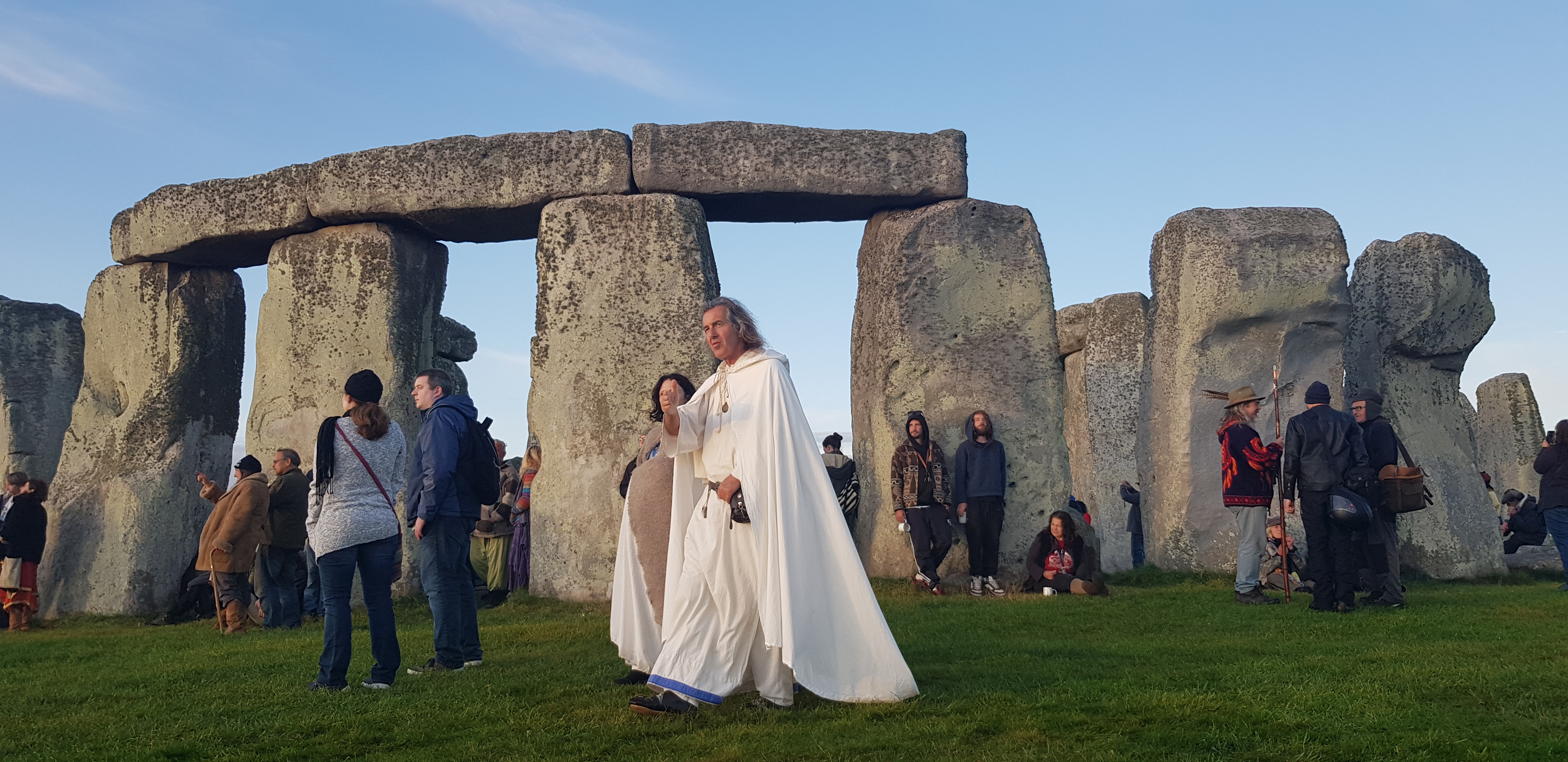
‘Druids’ is the general term used to refer to this multitudinous group who see Wiltshire’s world heritage site as a place of worship. In reality, Druidic beliefs vary, with different groups including neo-pagans and wiccans. Nonetheless, a whole host of Druidic worshippers converge on Stonehenge for the solstices, equinoxes and beyond. Today, there are over 7,000 members of the British druid order and I wanted to take a look at the history of druidism and its ties with Stonehenge’s arcane monoliths.
History of Druidism
Druids pre-dated the Roman invasion of Britain and in ancient Celtic cultures they were members of highly respected shamanic class. They were typically religious leaders, but also law keepers, chroniclers, doctors, and even political advisors. They were first mentioned in the 2nd century BC in roman sources and were even reported by Julius Caesar in 59 B.C. Druid’s were the arbiters of spirituality in pre-roman Britain and had a deep connection with the lore of the isles.
With first the Roman invasion (Roman religion tended towards assimilation, absorbing deities of other faiths in the hope of conversion) and then the rise of Christianity, Druidism faded into near non-existence. However, something of Druidic traditions remained and was eventually revived.
Two figures of huge importance to the Druidic revival were John Aubrey (1626-1692) and William Stukely (1687-1765). Aubrey was the first to suggest that Stonehenge had been built by Celtic Druids, the most prominent theory on the formation of Stonehenge until the 20th Century. Stukely (also famous for discovering the Cursus and Avenue at Stonehenge), proliferated the theory that Druid’s built Stonehenge and also worked hard to revive the culture, eventually proclaiming himself a Druid. Stukley worked hard to popularise Druidism, reviving pagan lore and dress whilst throwing parties in accordance with ancient beliefs. For Stukley, Stonehenge was a temple of worship – eventually publishing Stonehenge: A Temple Restor’d to the British Druids.
The origin of the word ‘Druid’’ is unclear, but the most popular view is that it comes from ‘doire’, an Irish-Gaelic word for oak tree (often a symbol of knowledge), also meaning ‘wisdom’. Druids were concerned with the natural world and its powers, and considered trees sacred, particularly the oak.
Today, the most prominent druid could be said to be a Salisbury Druid by the name of Arthur Uthur Pendragon – who has spent 33 years a Druid. A religious enthusiast, he can be found at every Stonehenge celebration and he also leads campaigns to reduce parking fees and has even run for MP.
Arthur Pendragon
Druidic Beliefs
From the time of the Celtic Druids, Druidism has had a strong bond with the natural world as well as the cosmos. Although Stukley determinedly linked his version of Druidism with Christianity – dubbing it ‘Patriarchal Christianity’ – Druidism since ancient times has been polytheistic, with different deities existing in the elements around us. The community largely believes that Stonehenge was built by ancient Druids as a place of worship – it being aligned with the midsummer sunrise so perfectly. Stonehenge thus represents the spiritual connection of man and the elements which is intrinsic to the beliefs of the Druid community.
Although the 21st century has seen a decline in Druidism, (In the 2001 census 30,569 people described themselves as Druids), the numbers are once again on the rise. Perhaps in a digital age, more and more people are seeking a deeper connection with the elements. A connection that Druidism certainly offers. Who knows? Maybe you too will feel this spiritual connection on your visit to the stones.
Quarrying of Stonehenge ‘bluestones’ dated to 3000 BC
Excavations at two quarries in Wales, known to be the source of the Stonehenge ‘bluestones’, provide new evidence of megalith quarrying 5,000 years ago, according to a new UCL-led study. The findings were published in the journal Antiquity.
Stonehenge (pictured) is made of natural pillars from Pembrokeshire, 180 miles (290 km) away from its current location in Wiltshire. Experts claim the obelisks were dragged there over land and not taken there by sea, as some theories have suggested
The discovery confirms a prediction made a century ago
It was Herbert Henry Thomas, a British geologist, who first declared that the “foreign stones” of Stonehenge—those that did not come from the vicinity of the prehistoric monument and whose raison d’être was therefore most shrouded in mystery—had been hewed from rocky outcrops in west Wales. In 1923 he pointed to the Preseli Hills of Pembrokeshire. Nearly a century later he has been found to be nearly, but not quite, right.
The new discoveries also cast doubt on a popular theory that the bluestones were transported by sea to Stonehenge.
Radiocarbon dates
Joshua Pollard, a professor of archaeology at the University of Southampton, said the findings were key as they were “further confirmation that the Stonehenge bluestones were moved by people (and not geological forces such as ice-sheets) in prehistory, in what stands out as one of the most remarkable instances of long-distance movement of large stones in the ancient world.”
He said that radiocarbon dates indicate there may have been a gap in time between the quarrying of the stones from Carn Goedog and Craig Rhos-y-felin, which may suggest they were “originally set up as one or more stone circles in Preseli.”
Prof Pollard went on to explain the research revealed the “far-flung importance of the Preseli region during the Neolithic.”
He added: “Ultimately, it’s a story about people – about early farmers – with a strong connection to ancestral lands, and their need to reinforce those connections through the movement and building of great megalithic monuments.”
Relevant Stonehege news links:
Solving the mystery of Stonehenge – The Economist
Stonehenge: Preseli stone ‘transported over land’ – BBC NEWS
The Where, When and How of Quarrying Stonehenge ‘Bluestones’ Is Revealed in New Report – Ancient Origins
How Stonehenge’s ‘bluestones’ were quarried 5,000 years ago: Ready-made pillars were pried away from rocky outcrops before being transported over land NOT sea – Daily Mail
Stonehenge is one of many megalithic monuments from prehistory dotted around Europe and scientists have now discovered the art form of giant rocks was a popular trend that started 6,500 years ago in France.
The first monument was erected in northwest France in 4,500 BC, study finds
Then the tradition, practice and popularity for similar monuments spread
Monuments appeared at coastal regions on Mediterranean and Atlantic coasts
Sailors are thought to have taken the trend around Europe over 2,000 years as they used their budding sea routes
The knowledge and expertise to create these monuments was then spread around Europe by sailors over the following millennia.
Similar monuments to the original appeared in coastal regions around the Mediterranean and Atlantic coasts via sailors on large ships using emerging sea routes.
Relevant Stonehenge News links:
Was Stonehenge built by seafarers? Daily Mail
Stonehenge, other ancient rock structures may trace their origins to monuments like this. Science Mag
Prehistoric sailors may be responsible for Stonehenge. New York Post
Stonehenge mystery solved? Fox News
The Stonehenge News Blog
Follow us on Twitter and Facebook for all the latest Stonehenge News
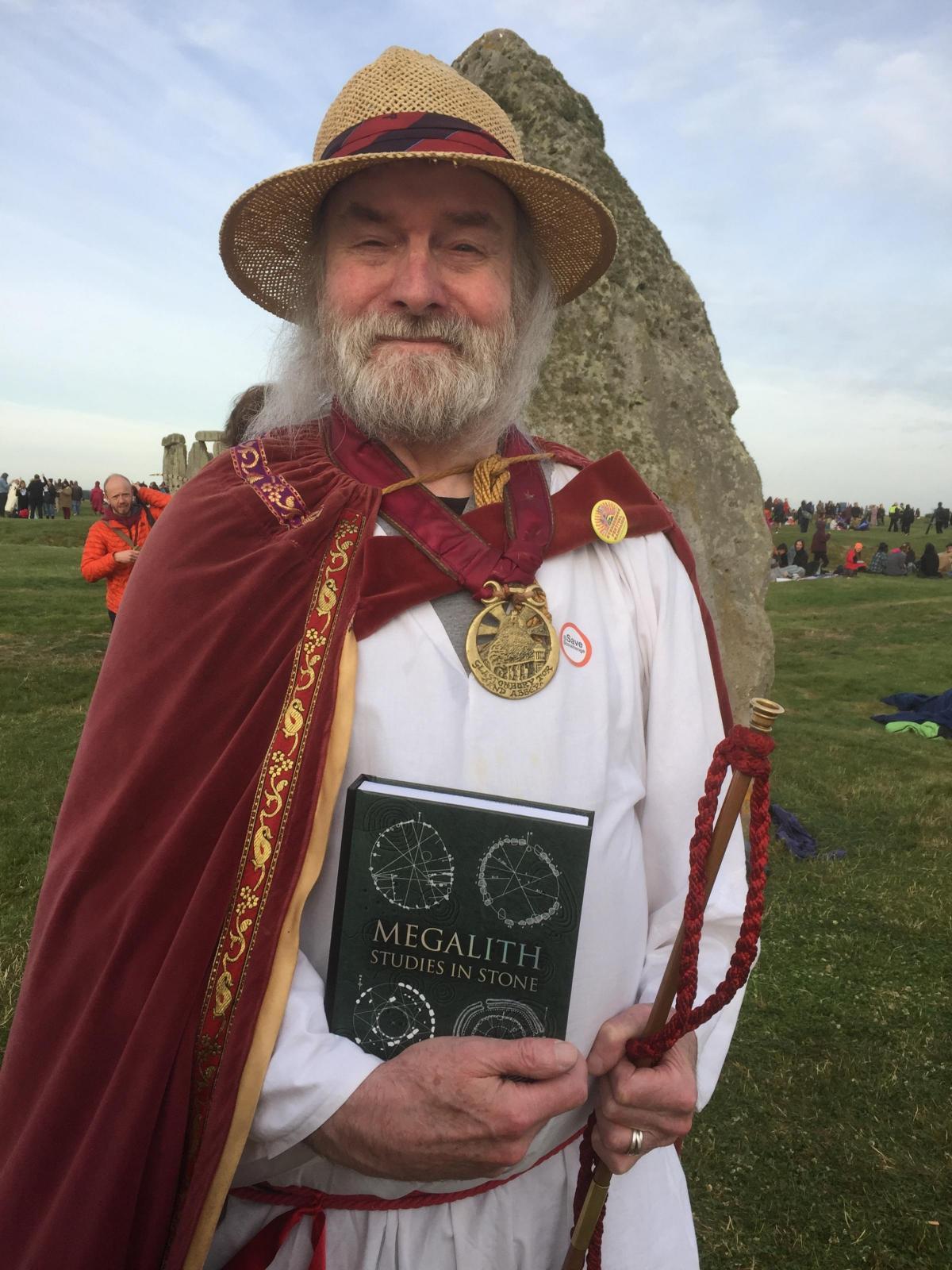
SOLSTICE morning marked both the longest day of the year and the release of new book Megalith: Studies in Stone that claims to reveal secret behind the mystery of the cosmology surrounding stone circle constructions like Avebury.
Megalith is the first global study into the stones at both Avebury and Stonehenge and has been penned by stone circle experts including Robin Heath, that focusses on the Wiltshire circles.
Among the insights in Megalith, the book argues that there were probably once 99 stones in the outer circle at Avebury.
Contributing author Robin Heath, author of 11 books on prehistoric and ancient sciences, said: “The eight contributing authors to Megalith have undertaken original research on the nature and purpose of megalithic monuments outside the boundaries of the present day archaeological model of prehistory. This pioneering collection of their work celebrates megalithic society’s abilities and achievements in a new light, revealing an intellectual facet of prehistory, one that was employing an integrated and coherent cosmology, a megalithic science, more than 6,000 years ago.”
Mr Heath was joined by publisher and editor John Martineau giving talks about at both sites about the monuments. John Martineau, founder of the Megalithomania conference said: “The megalithic culture of western Europe left behind some vast and enigmatic temples, and yet there is little understanding of the cosmology driving their construction.” On solstice morning 9500 people flooded Stonehenge and 600 attended Avebury. No arrests were made at Stonehenge and two in Avebury.
Eight co-authors and experts in their fields have contributed to the book to shed light on the original purposes of Avebury and other sites where stone circles dominate the landscape.
We aim to make this the ultimate source of the latest Stonehenge news available on the web. This blog is updated almost daily and promises to deliver accurate 'up to date' information on new theories, new digs, solstice events, Druid gatherings, the new visitor centre, general megalithic links and some fun along the way. We welcome your input....
"There is so much misinformation about Stonehenge on the web, so it’s really refreshing to see such a clear and lucid presentation, what you have here looks like best general overview of Stonehenge to date, well done!"
Mystery surrounds this 5,000 year old monument in the centre of the World Heritage Site. Visit this prehistoric South West site near Salisbury in Wiltshire, and decide for yourself whether Stonehenge was a place of sun worship, a healing sanctuary, a sacred burial site, or something different altogether!
THIS BLOG claims no credit for any images posted on this site unless otherwise noted. Images on this blog are copyright to its respectful owners. If there is an image appearing on this blog that belongs to you and do not wish for it appear on this site, please E-mail with a link to said image and it will be promptly removed.





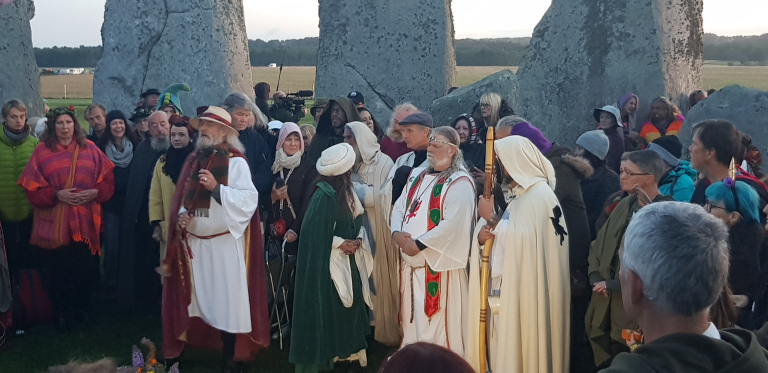
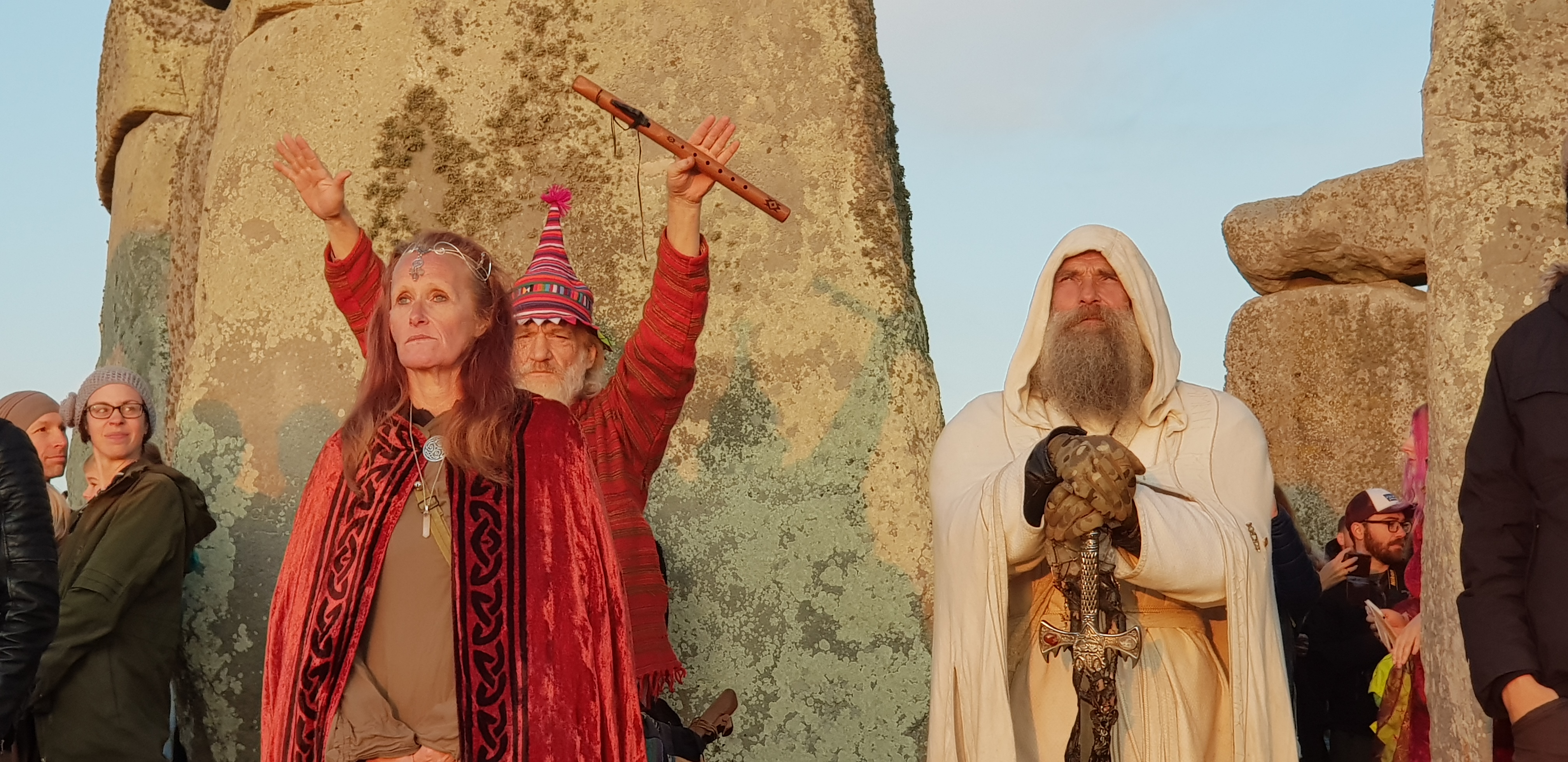
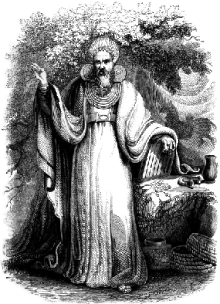 Druids pre-dated the Roman invasion of Britain and in ancient Celtic cultures they were members of highly respected shamanic class. They were typically religious leaders, but also law keepers, chroniclers, doctors, and even political advisors. They were first mentioned in the 2nd century BC in roman sources and were even reported by Julius Caesar in 59 B.C. Druid’s were the arbiters of spirituality in pre-roman Britain and had a deep connection with the lore of the isles.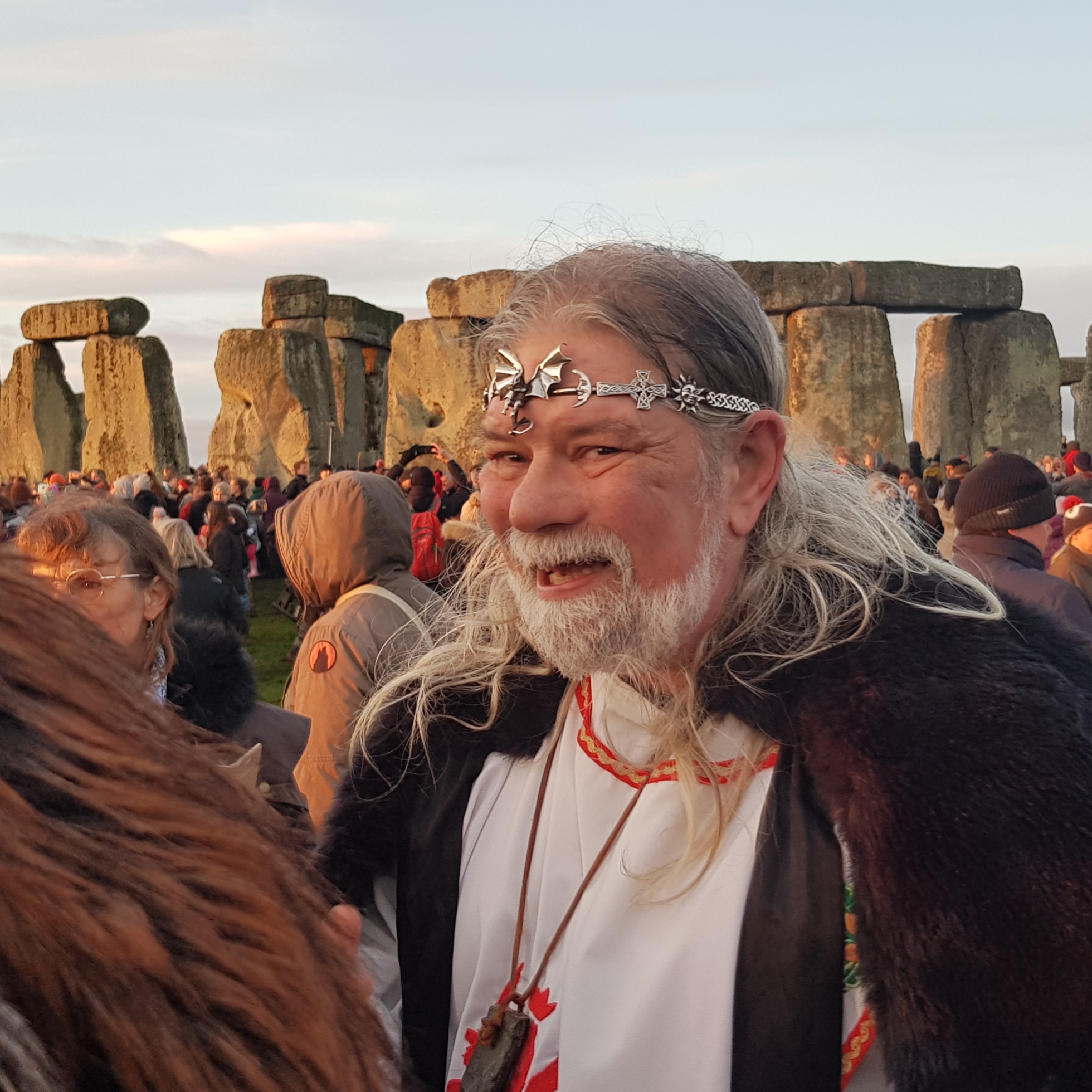
 has been penned by stone circle experts including Robin Heath, that focusses on the Wiltshire circles.




 StonehengeNews
 travelstonehenge

 Stonehenge Stone Circle News and Information