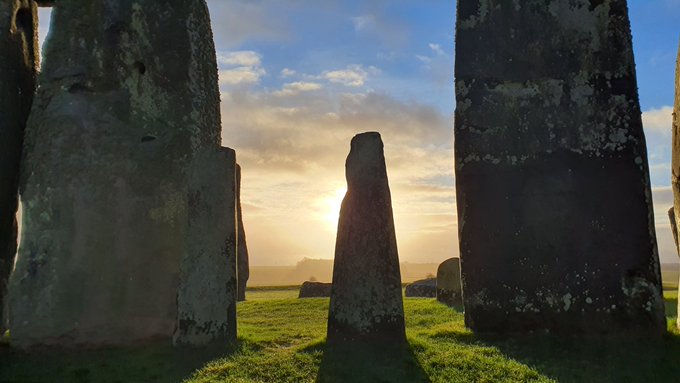
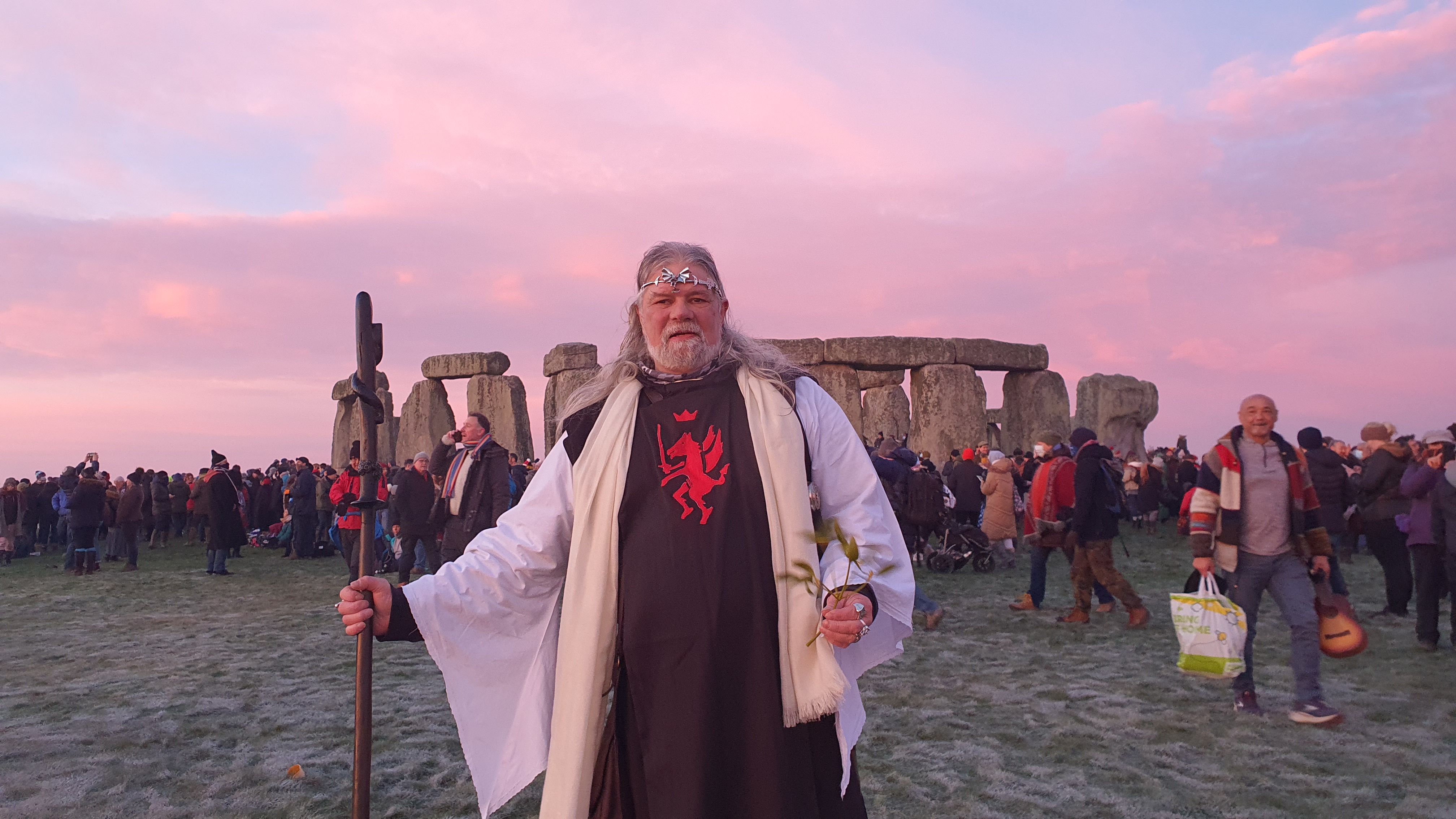
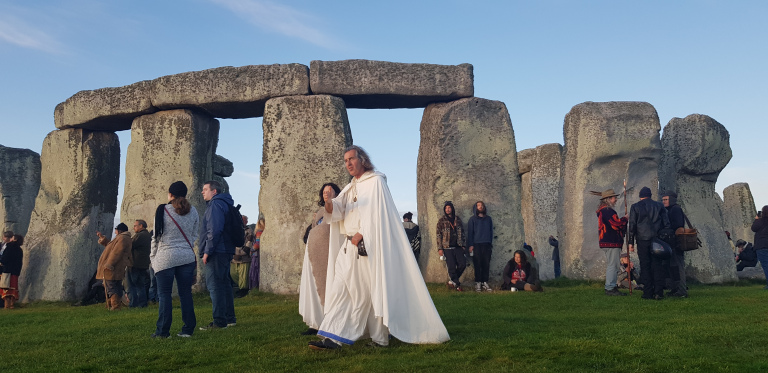
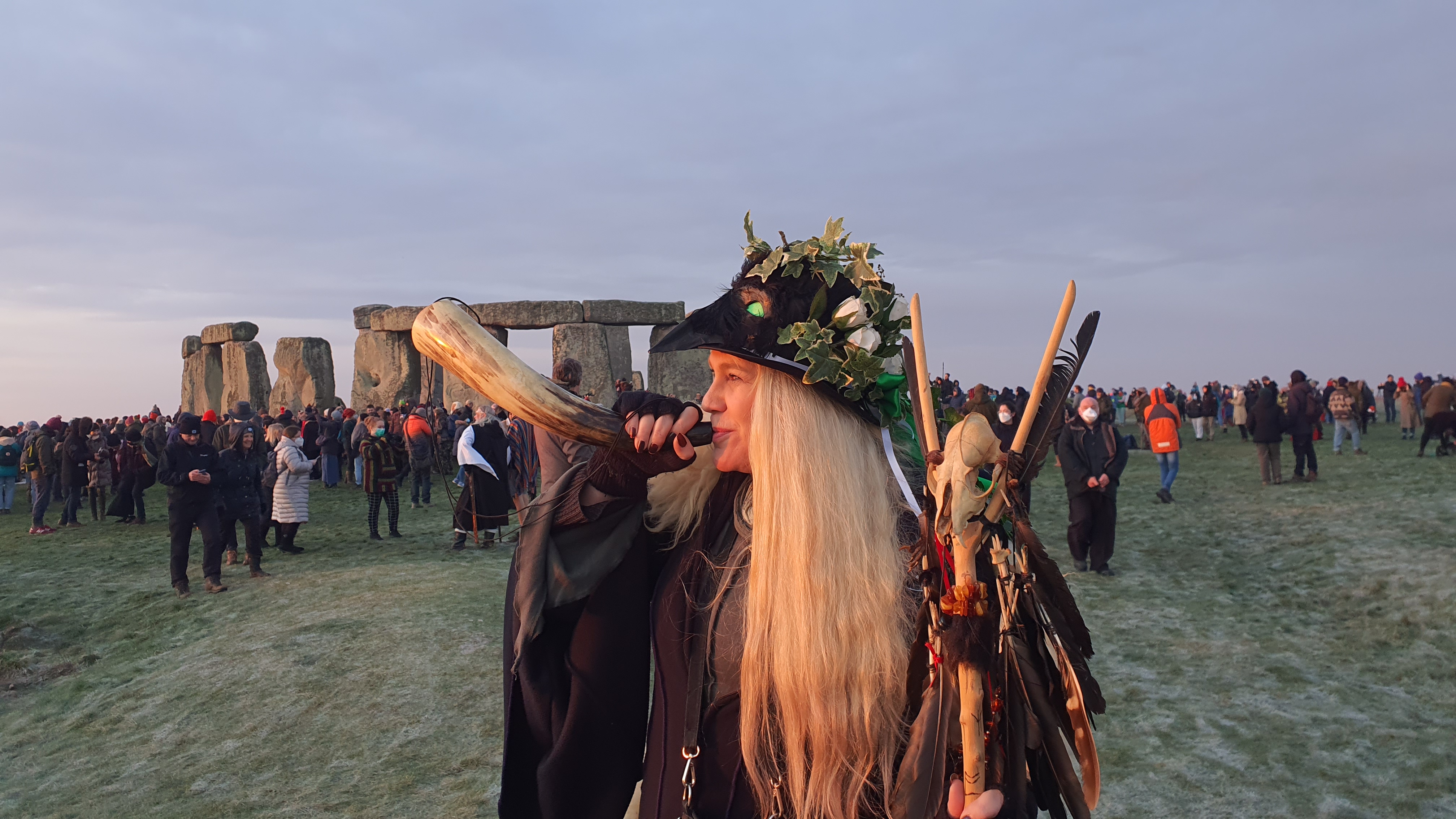
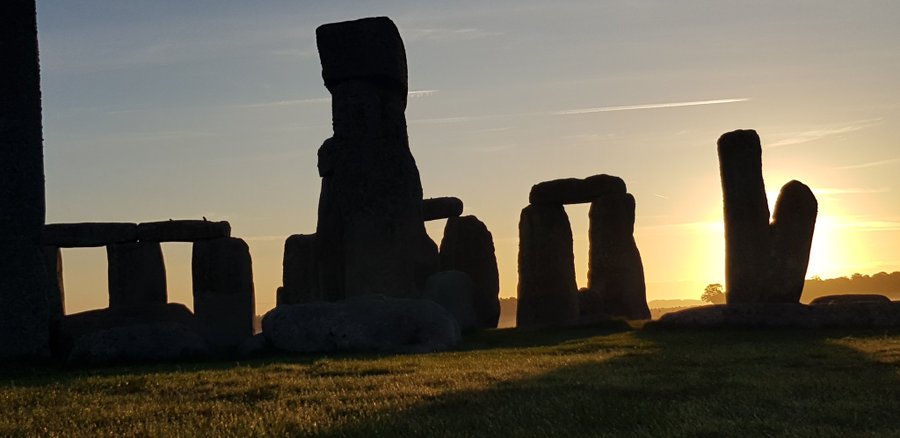
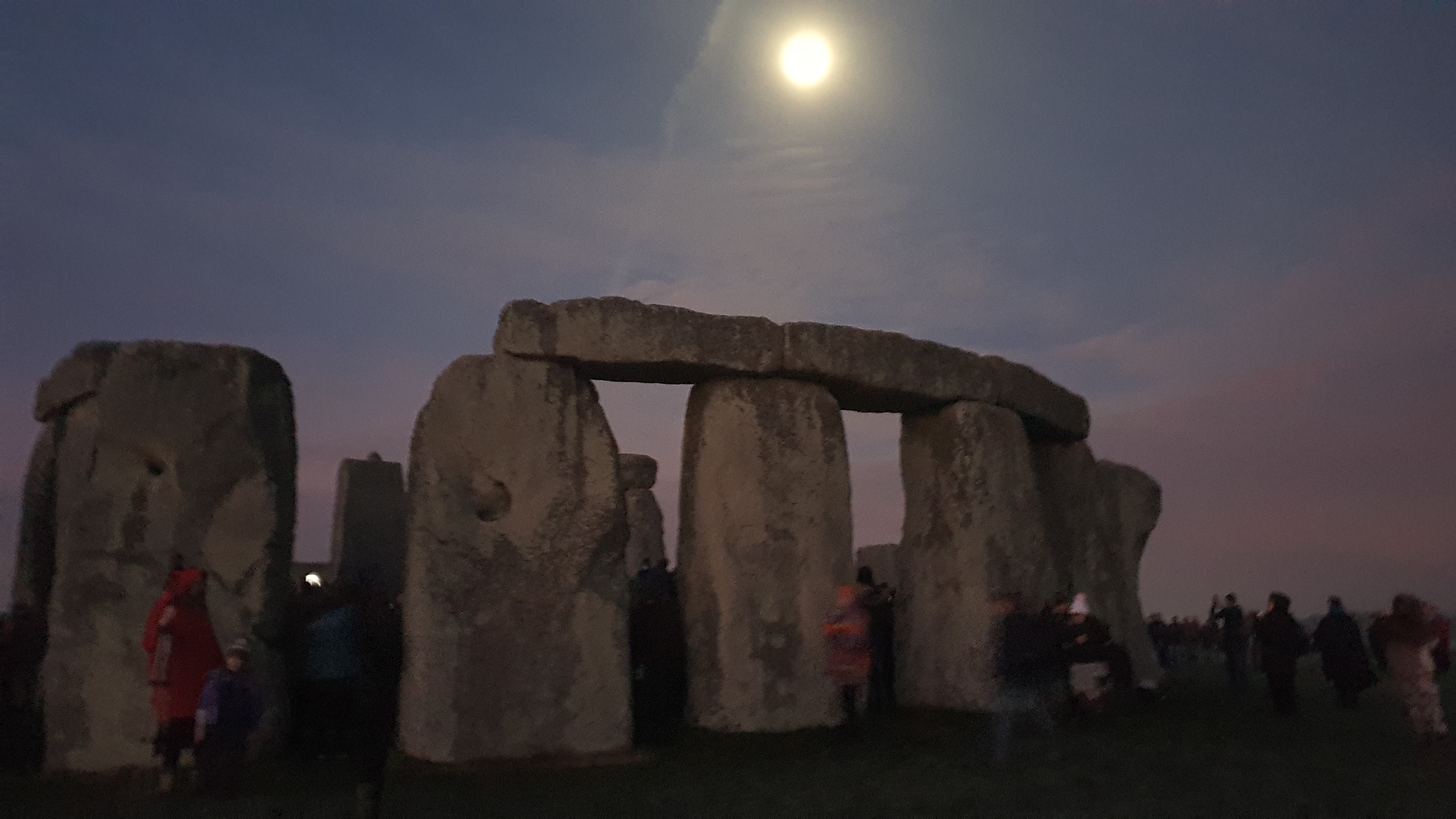
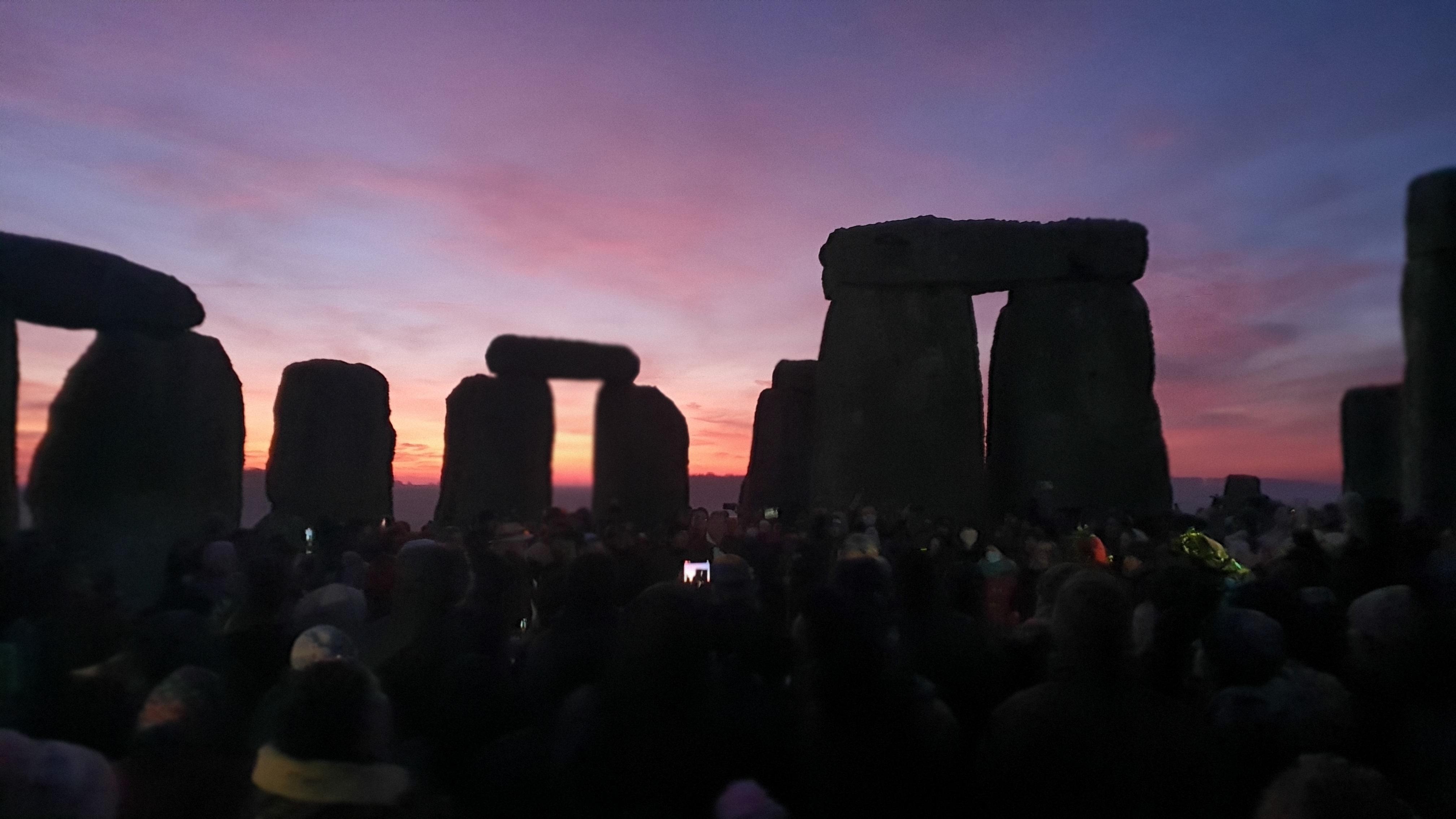
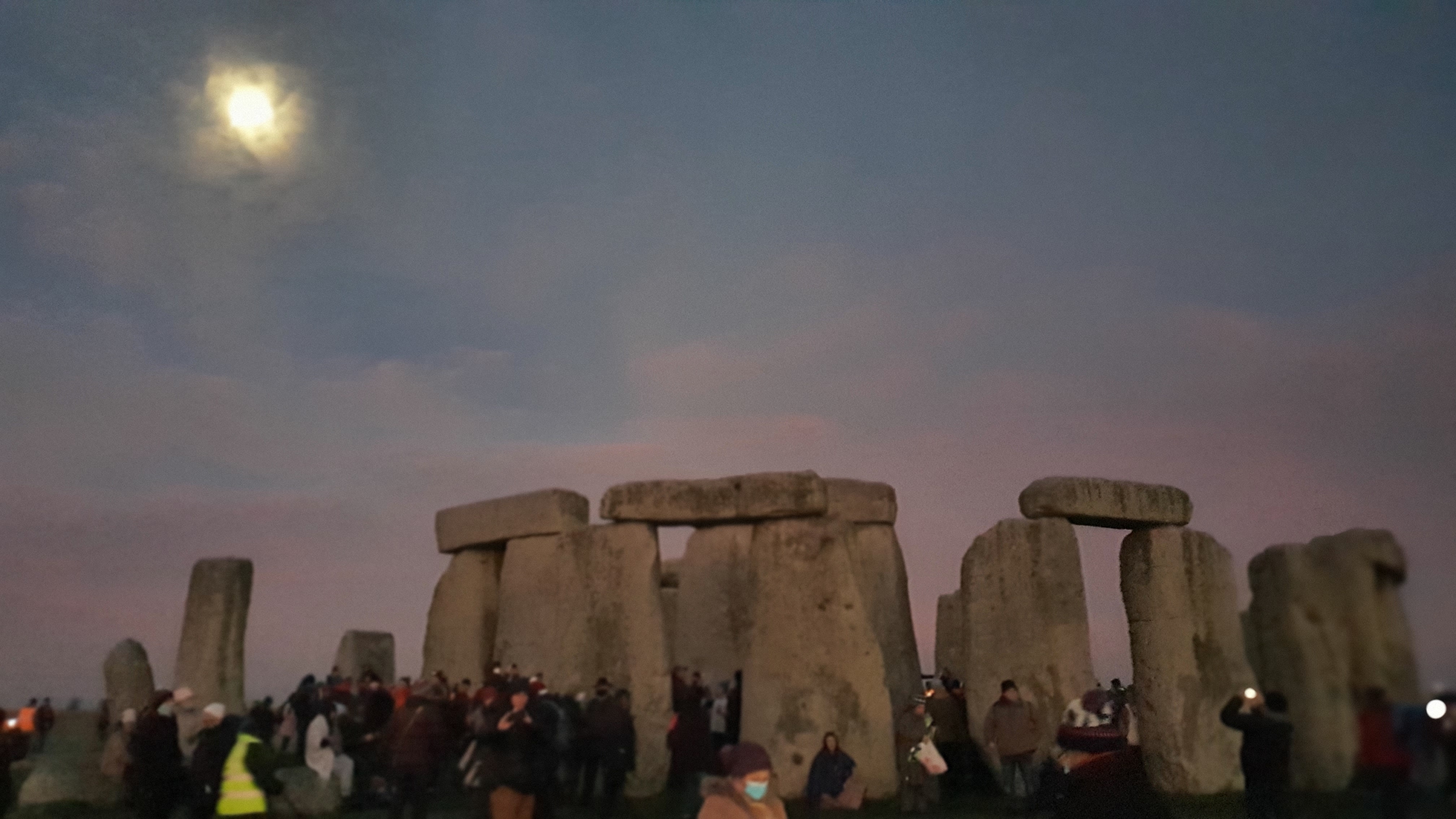
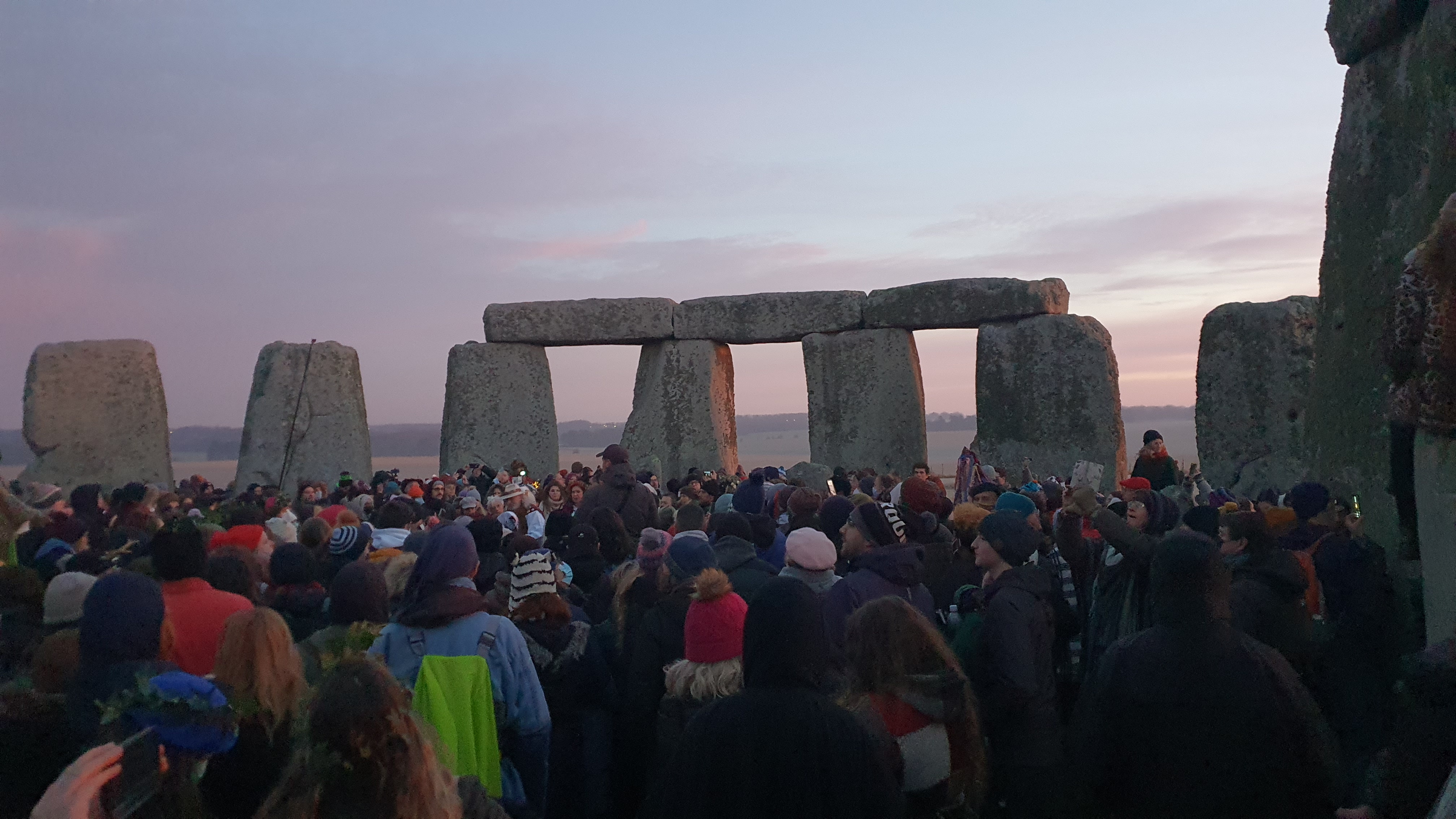
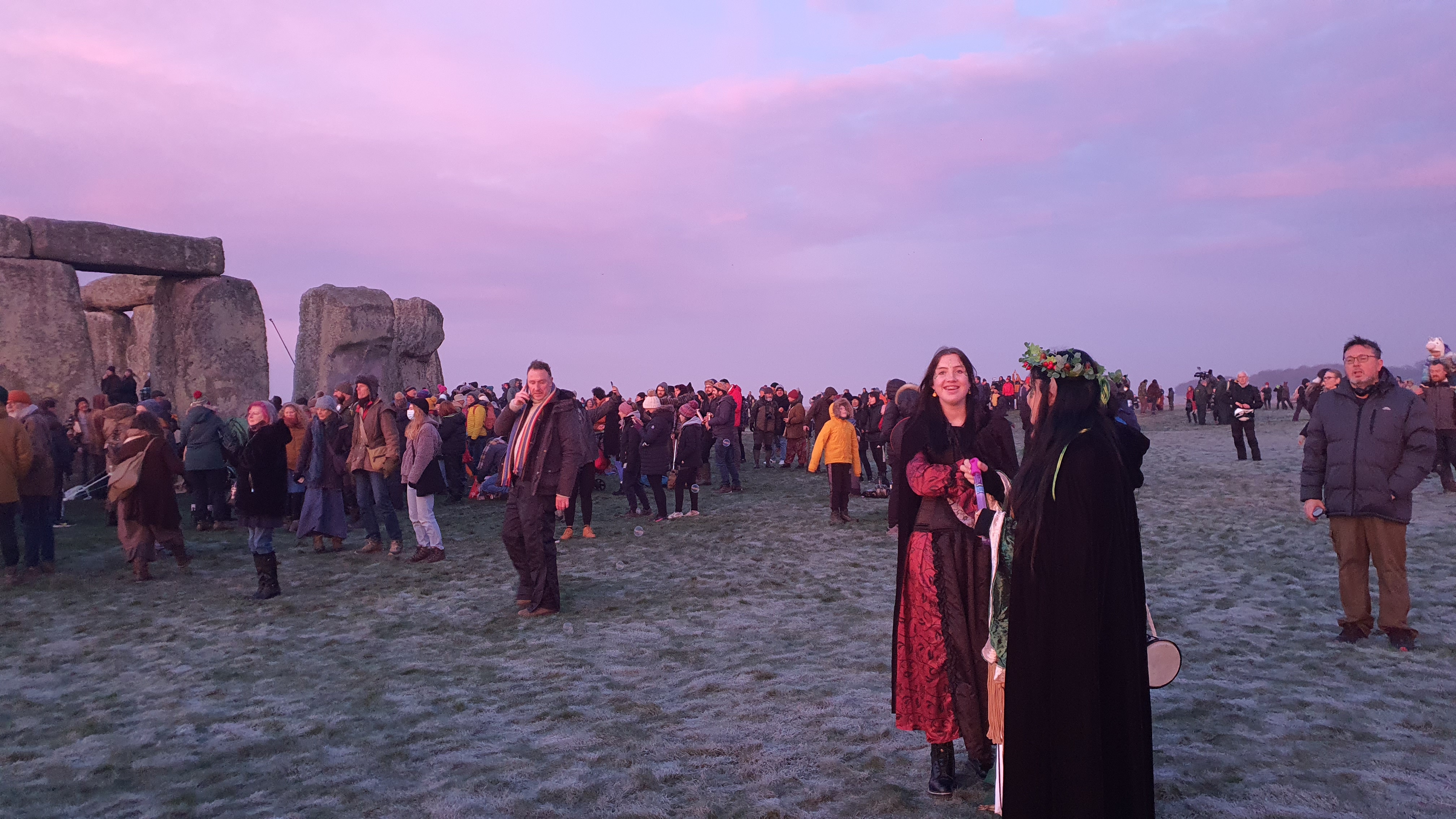
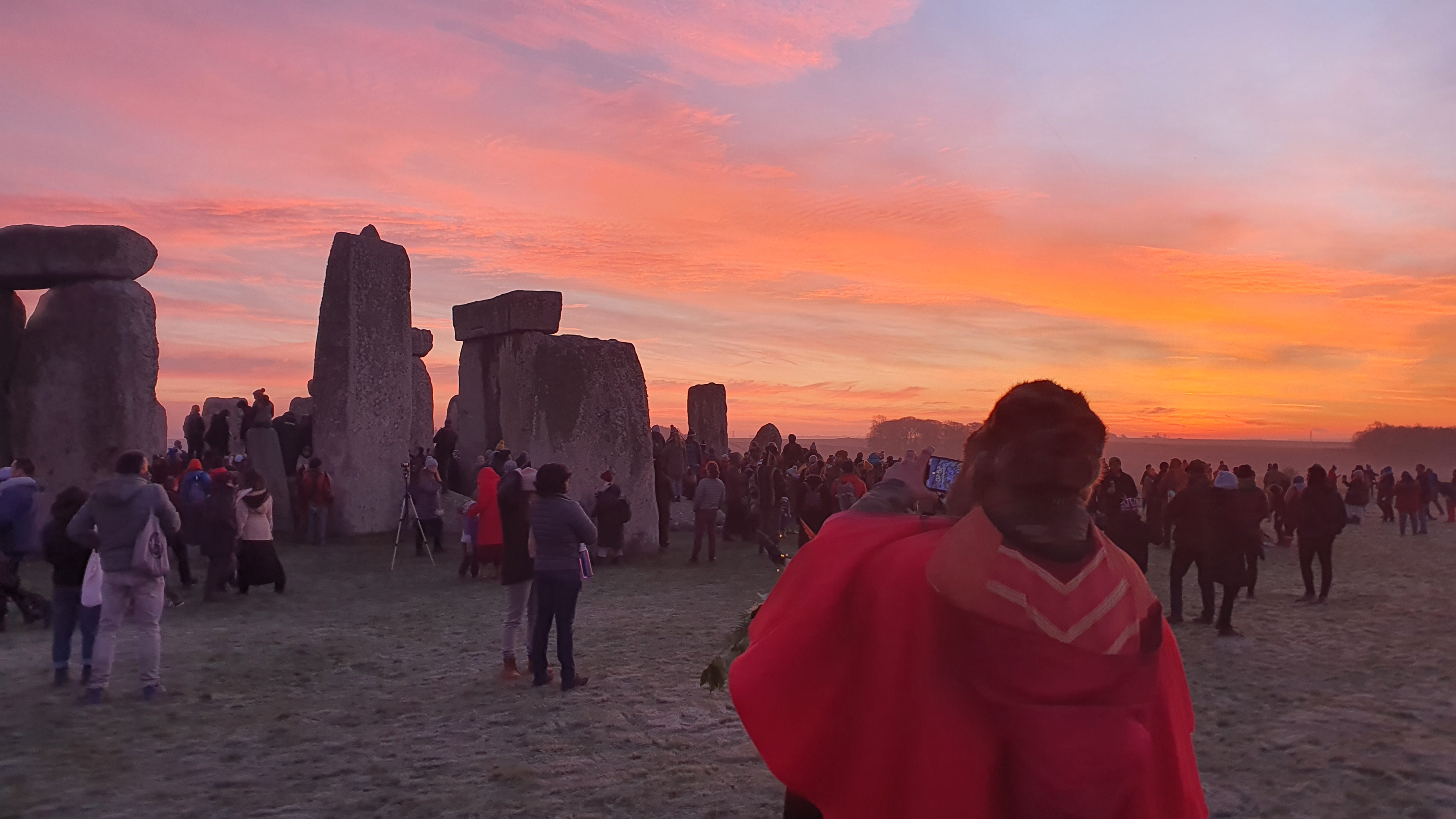
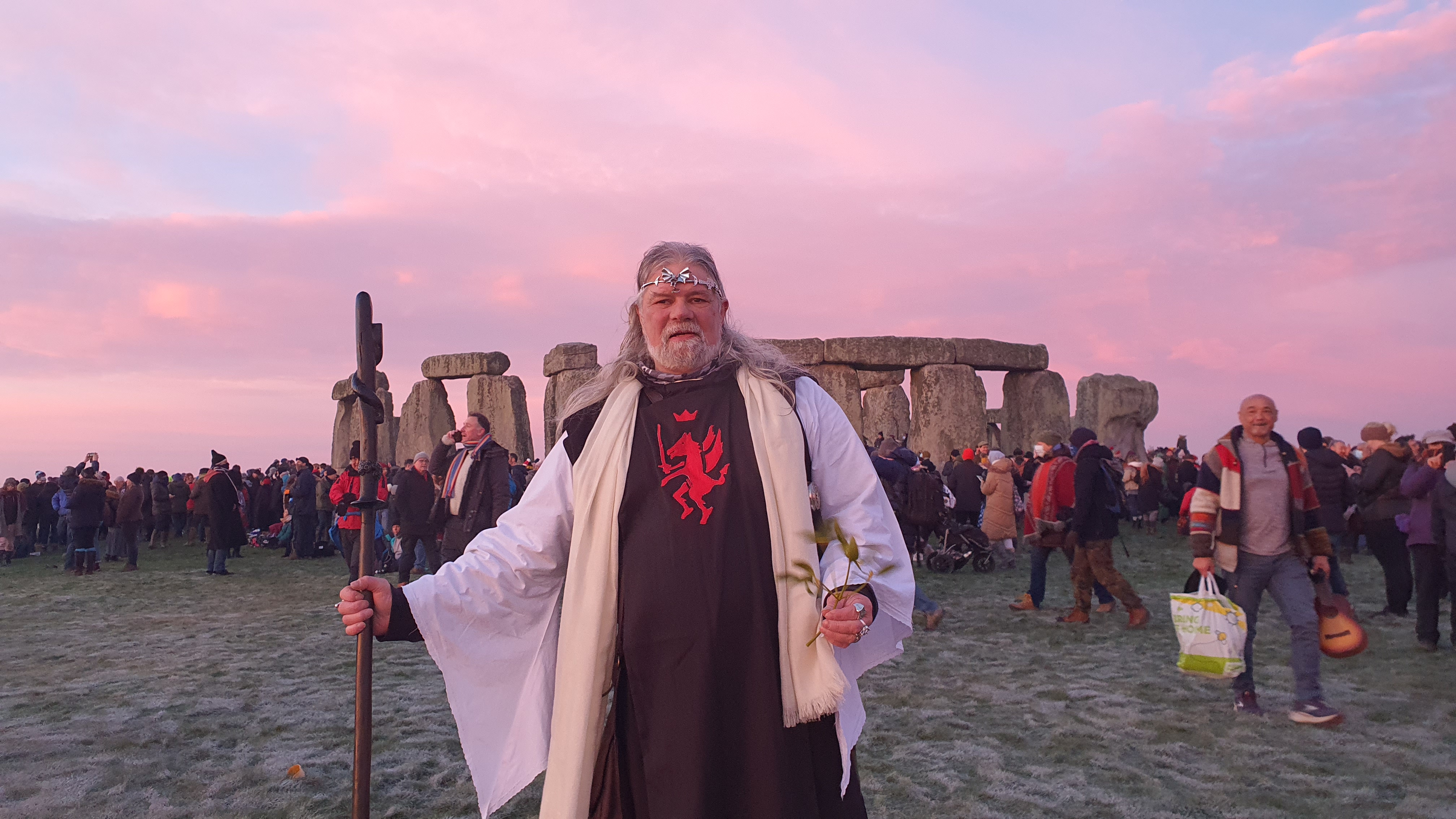
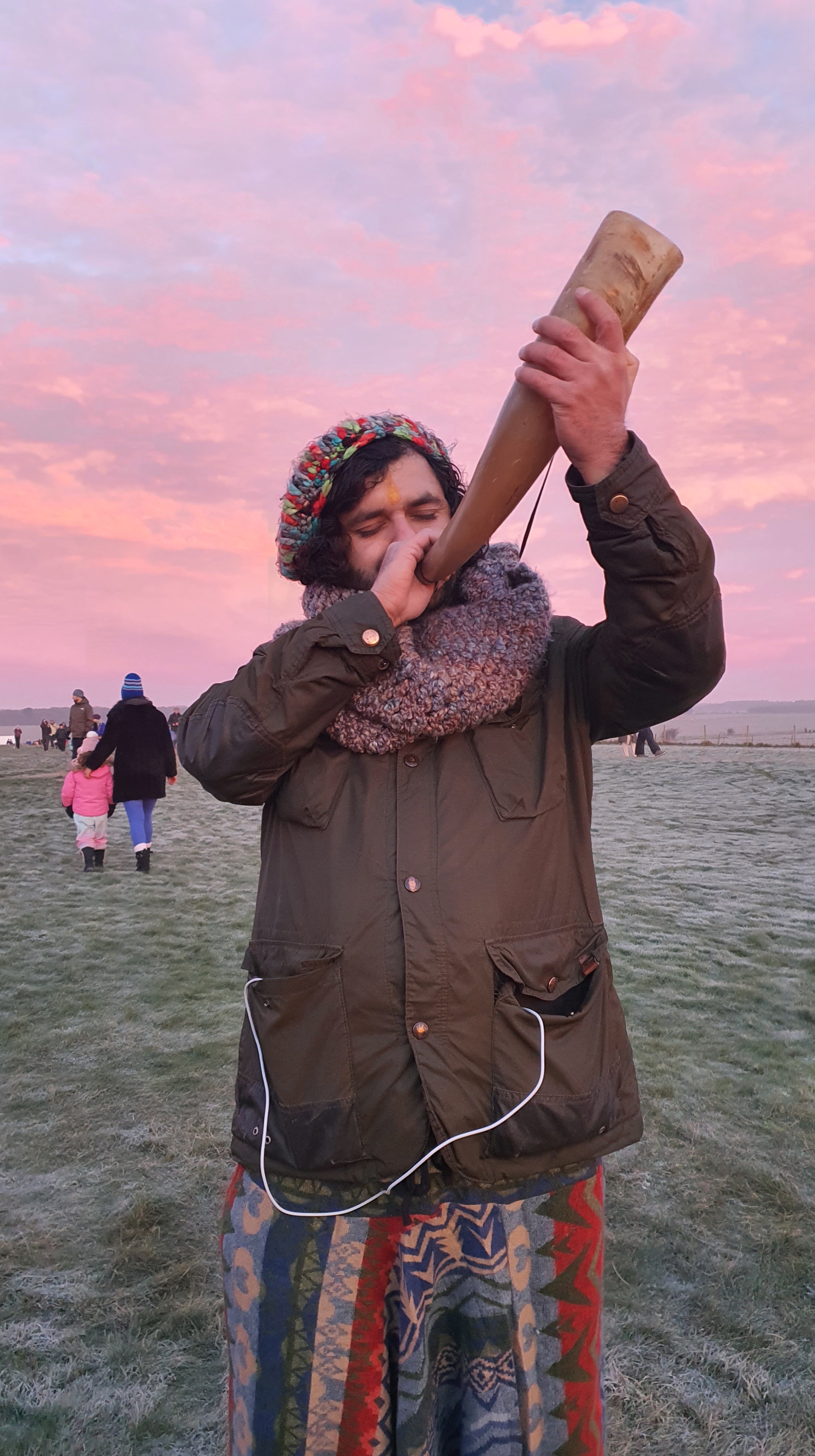
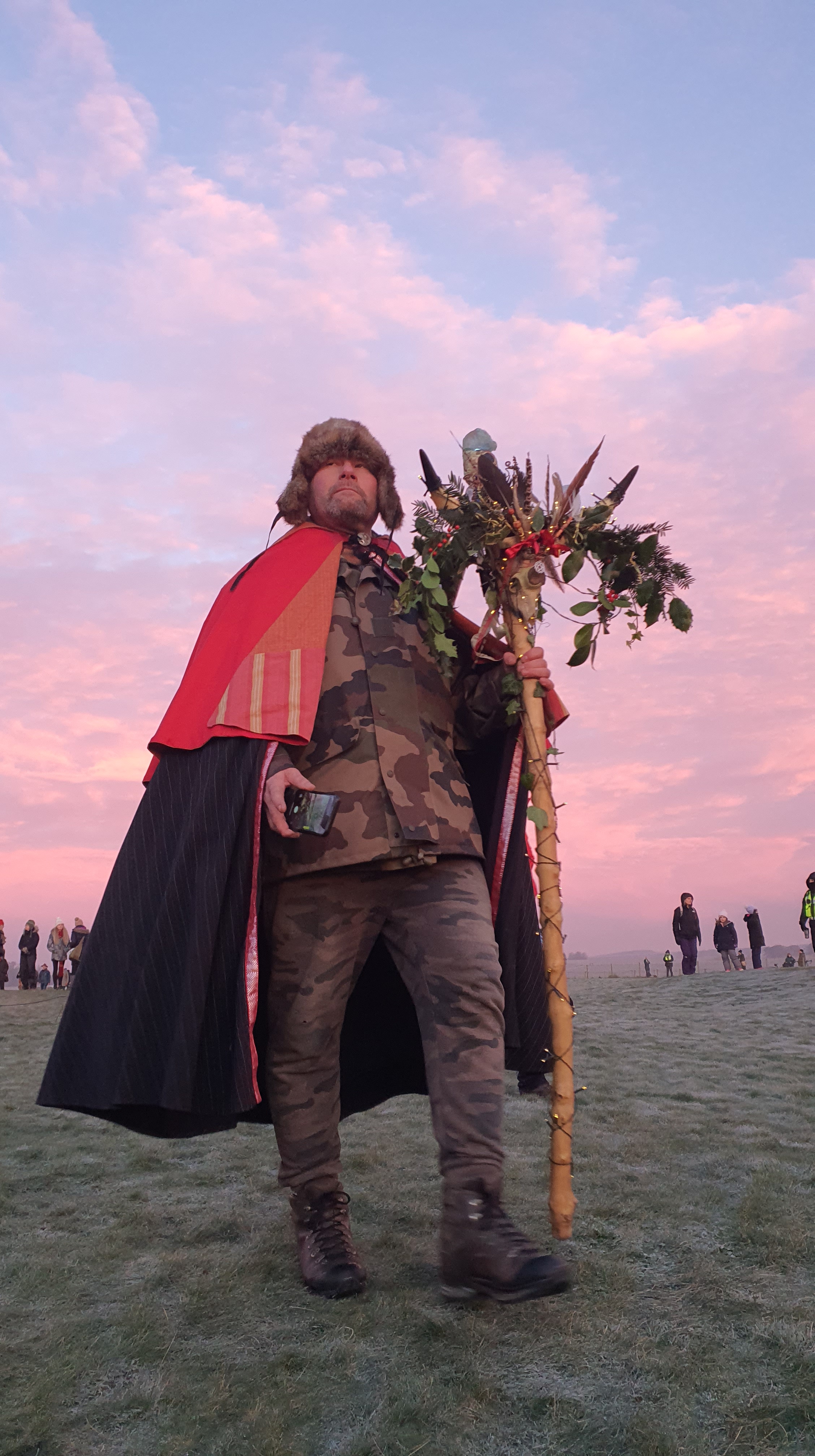
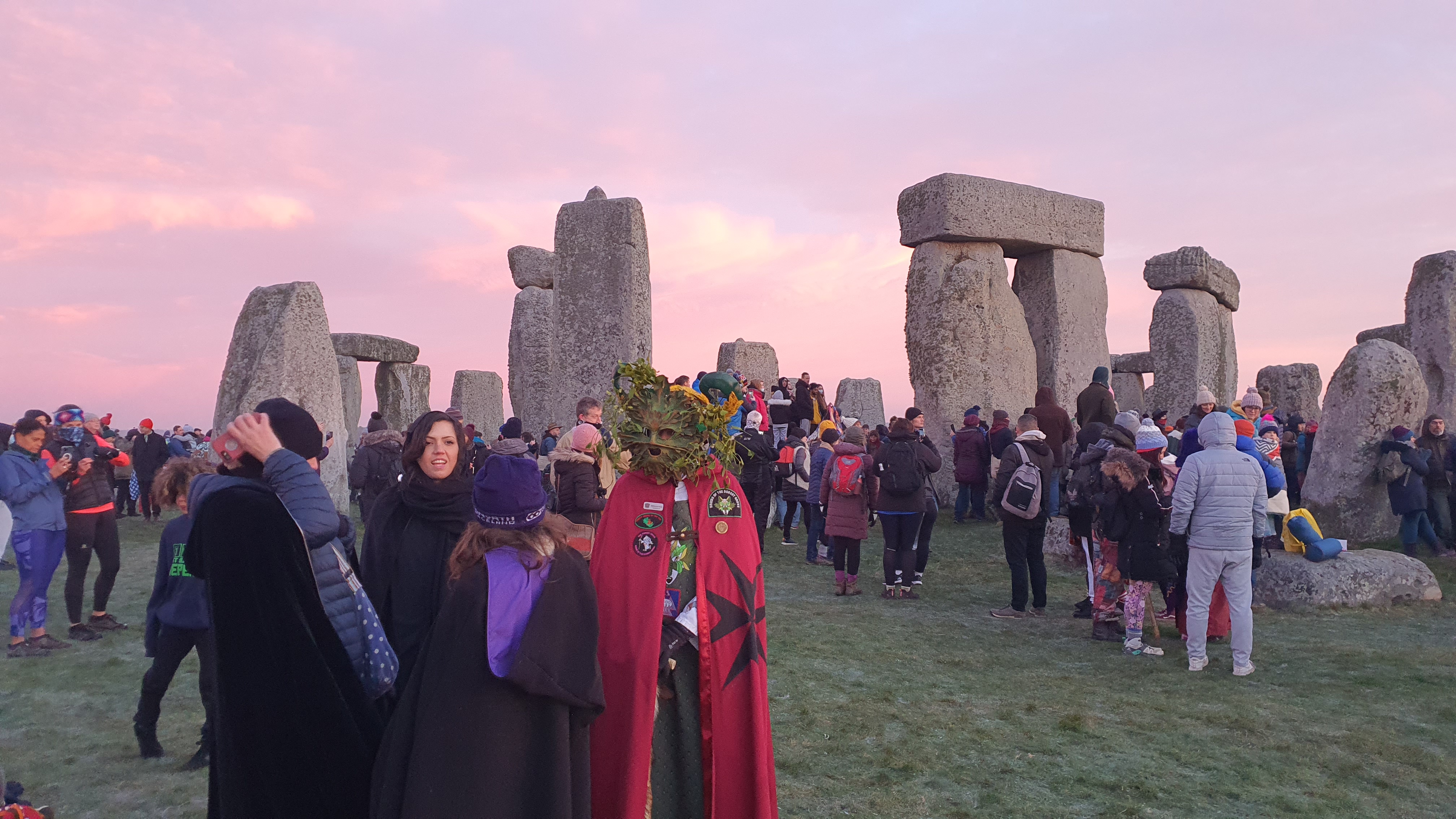
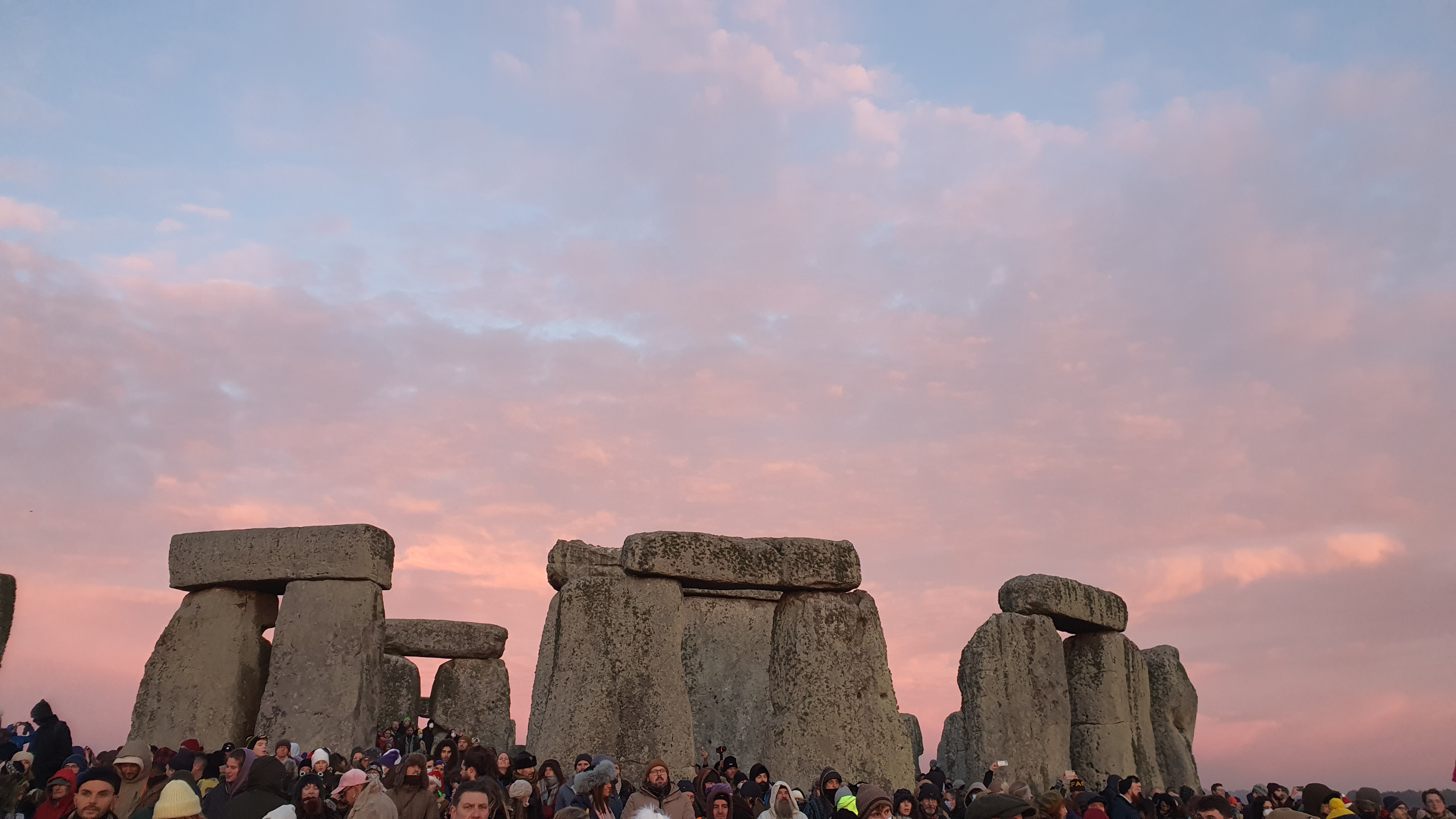
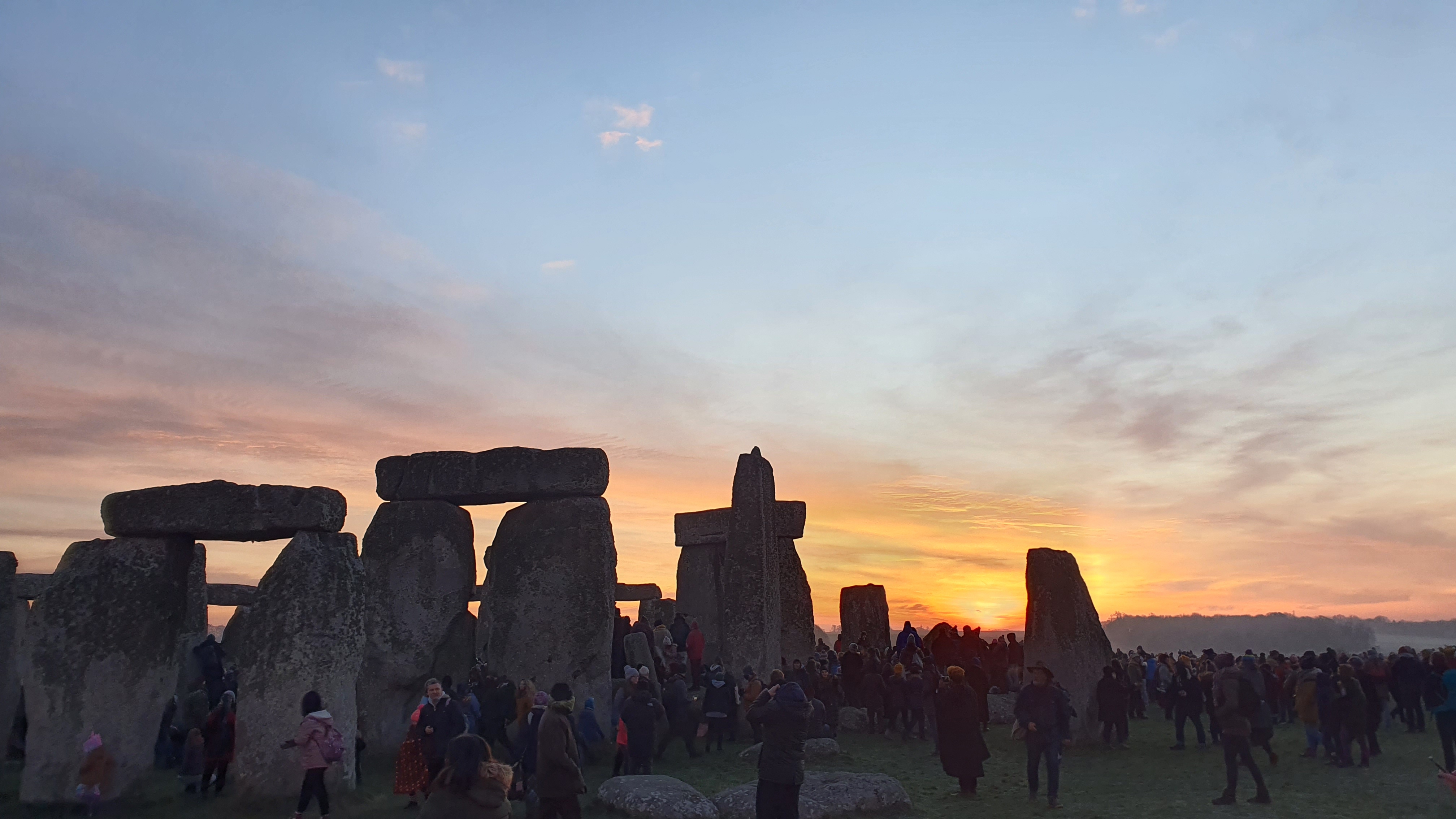
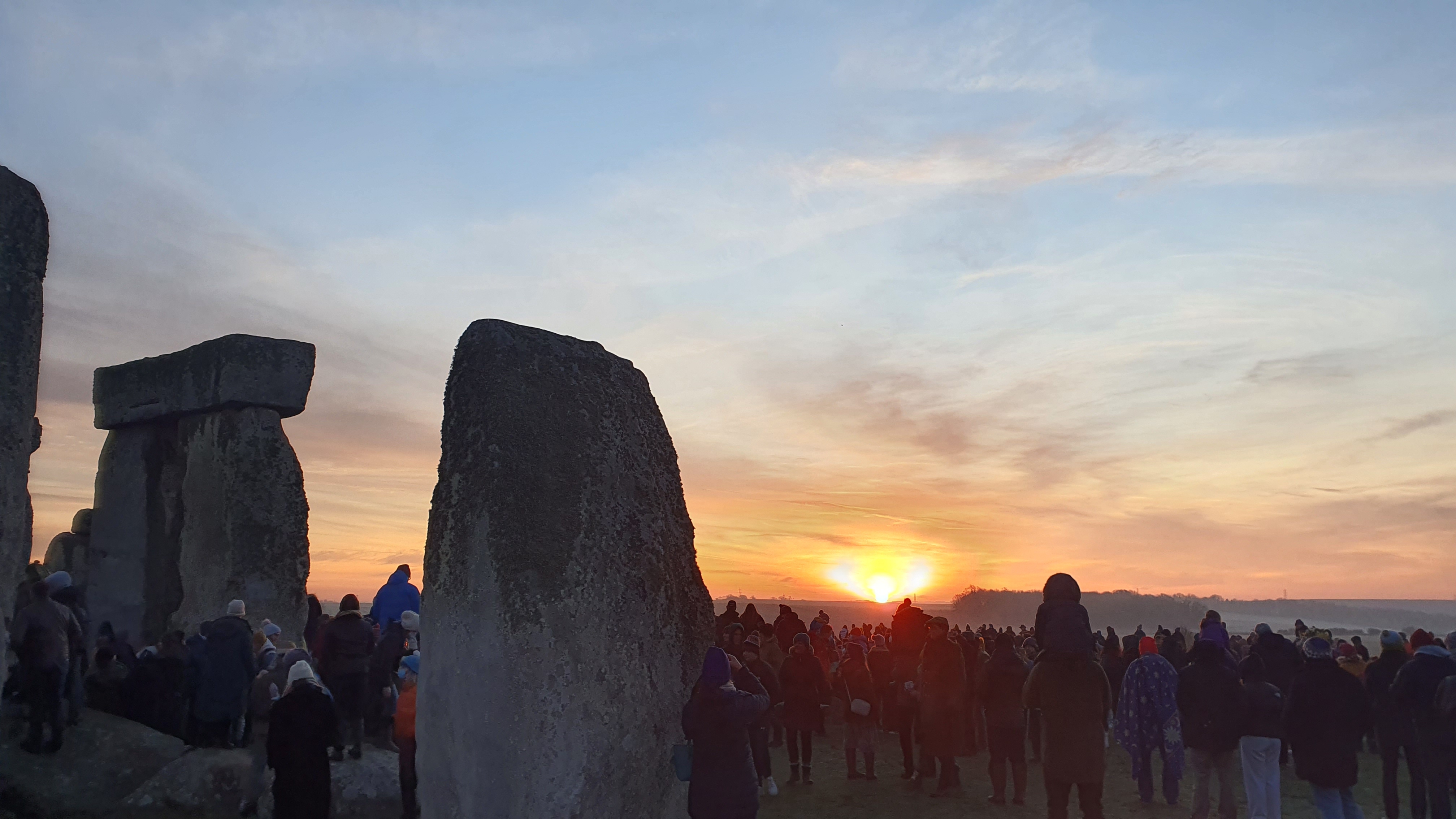
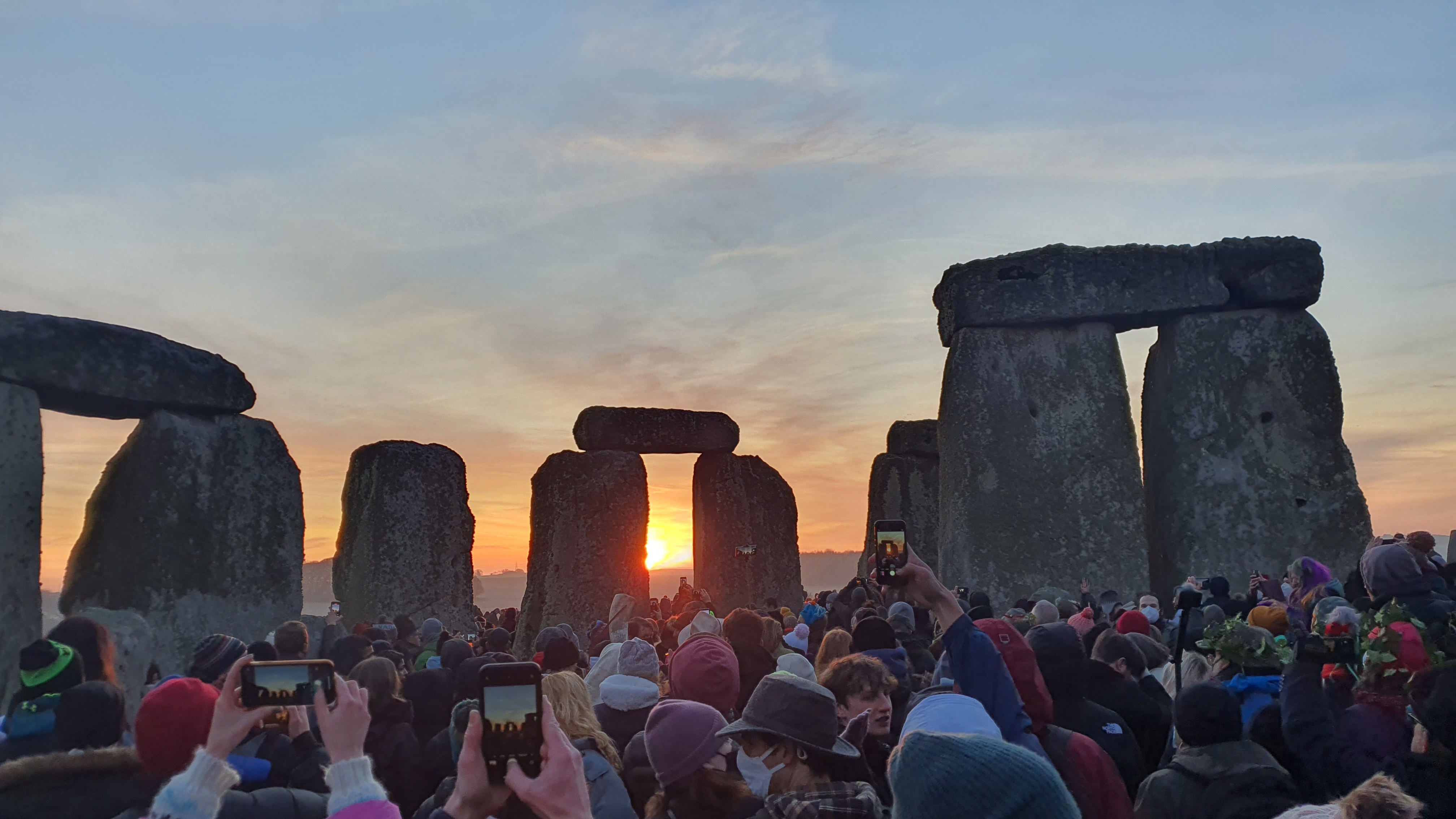
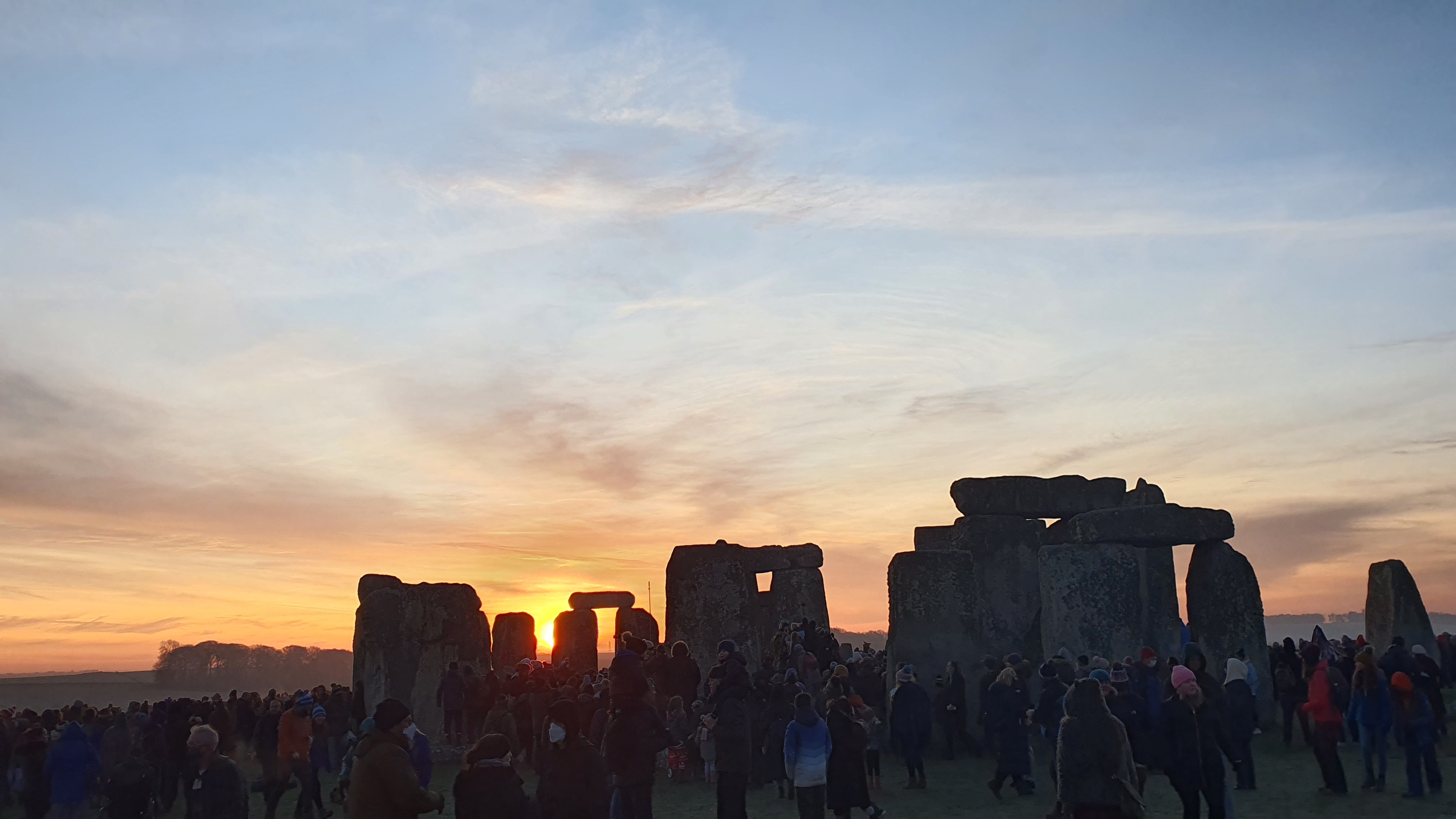
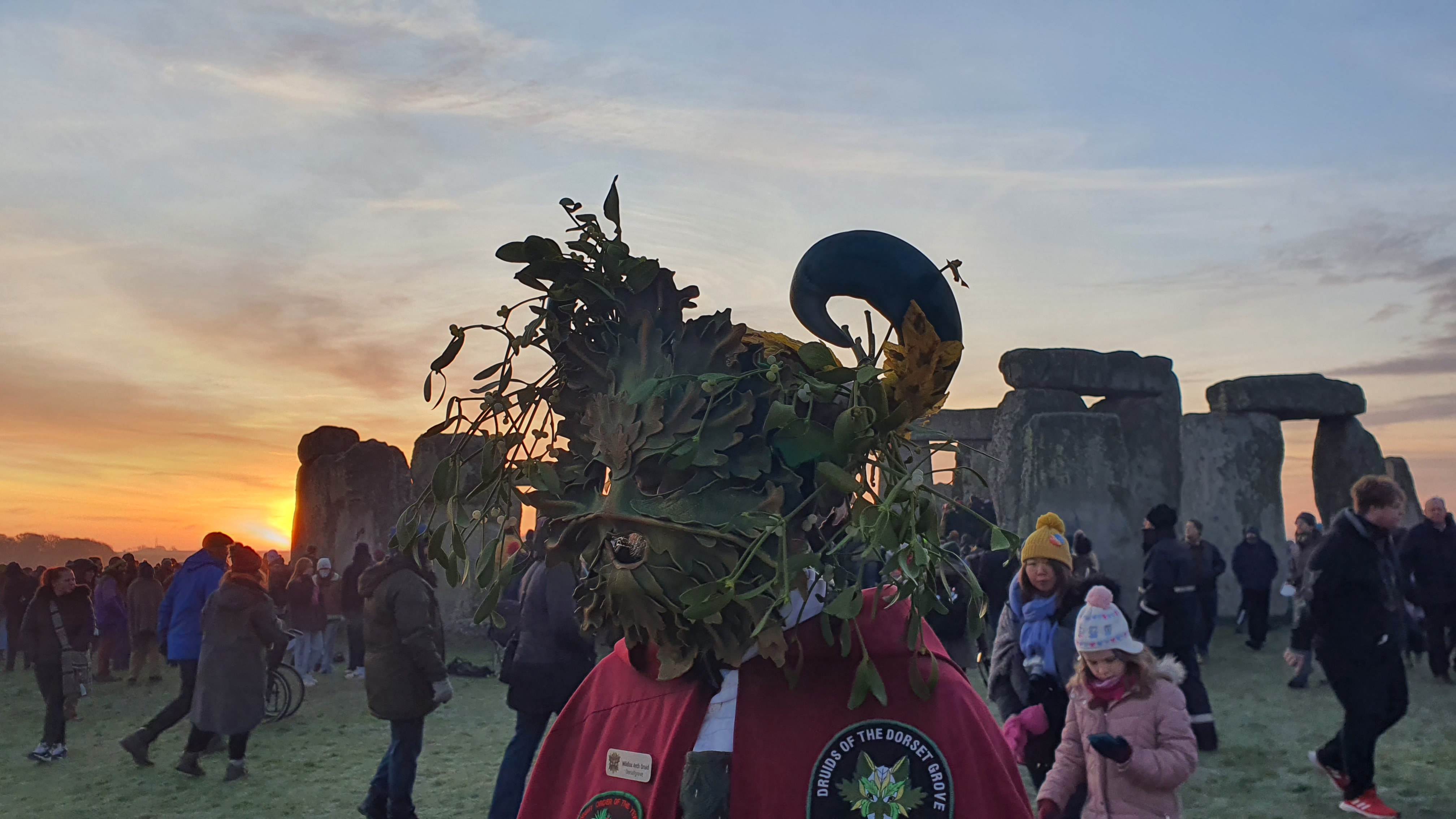
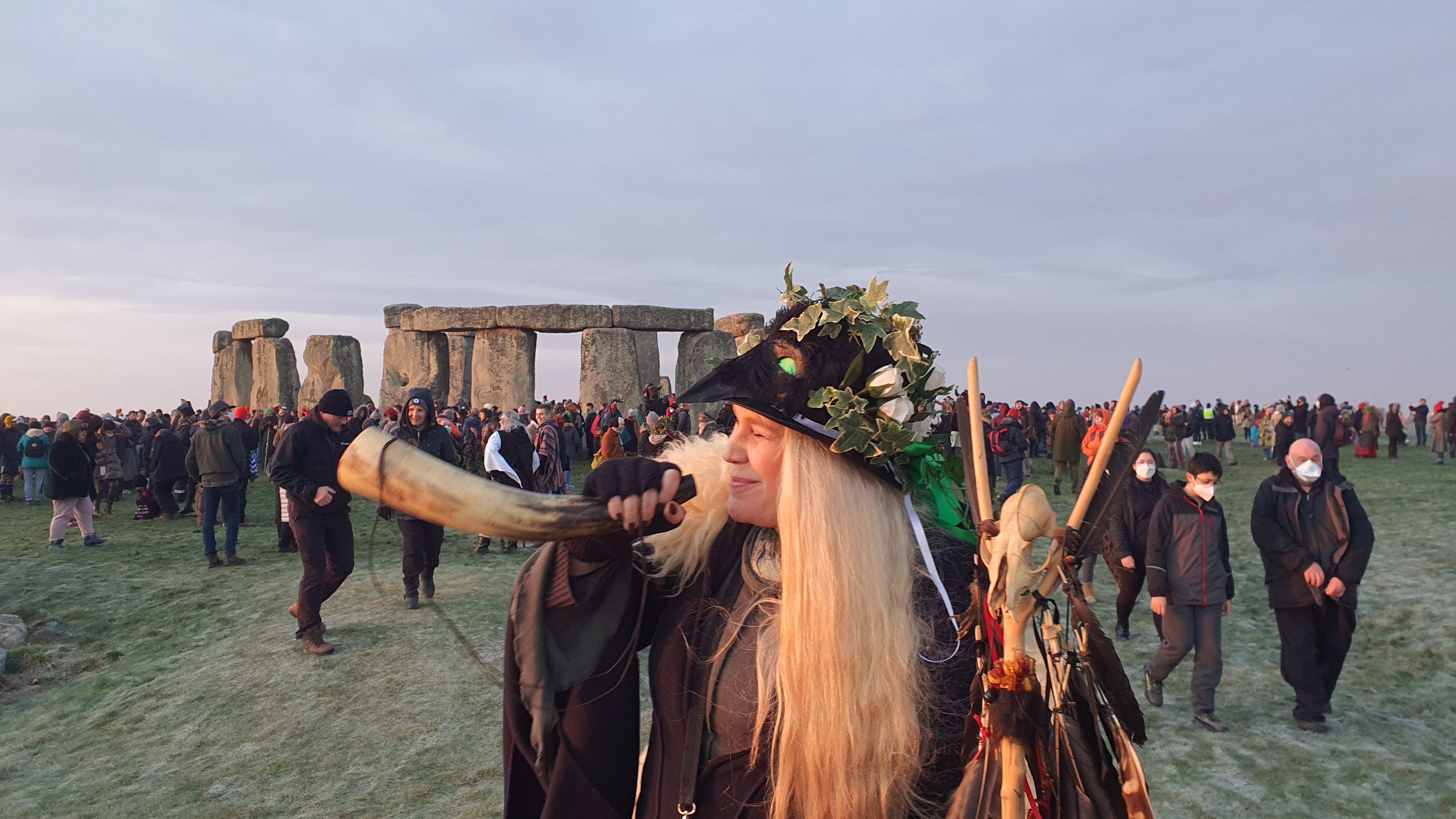
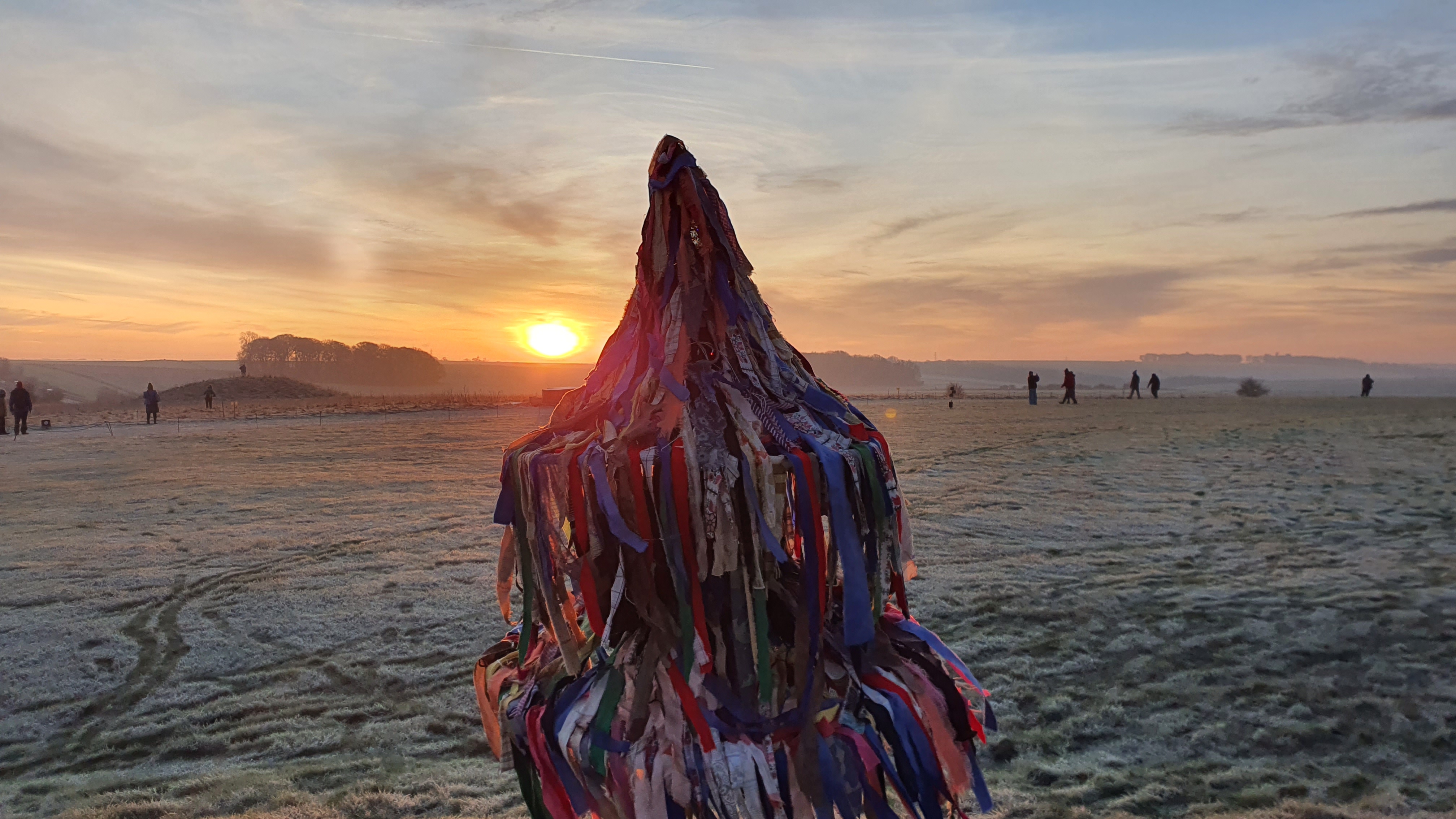
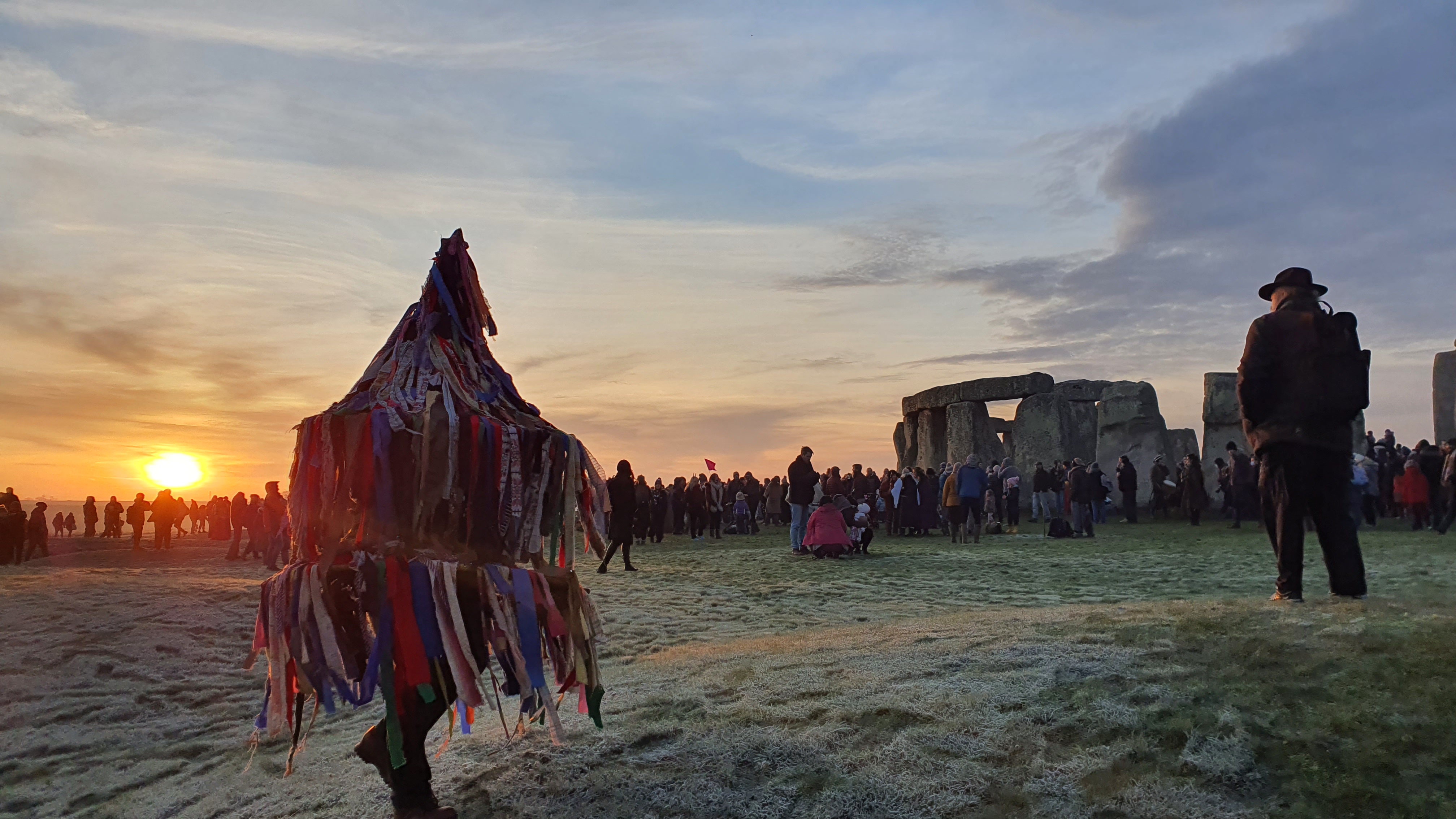
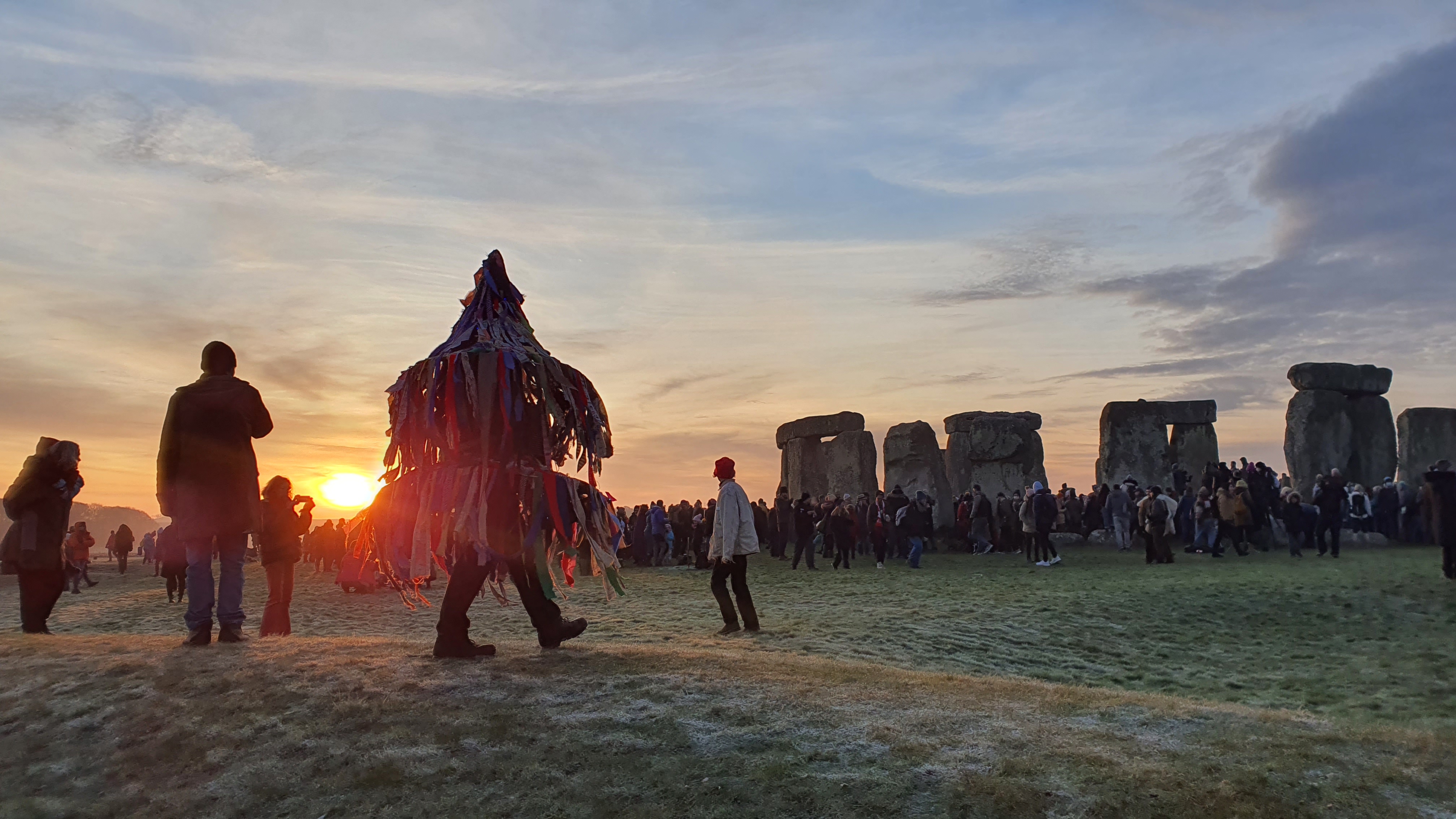
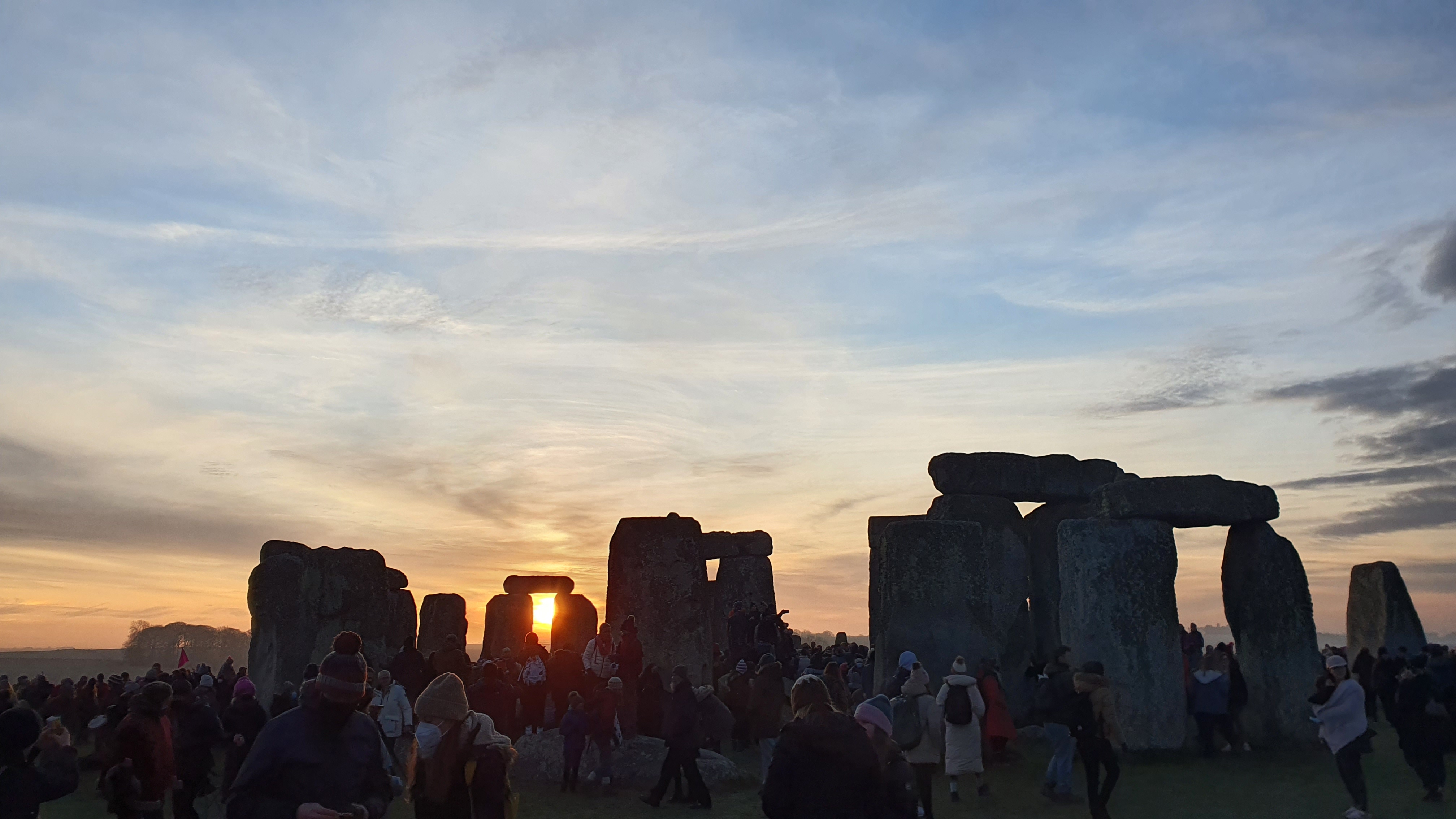
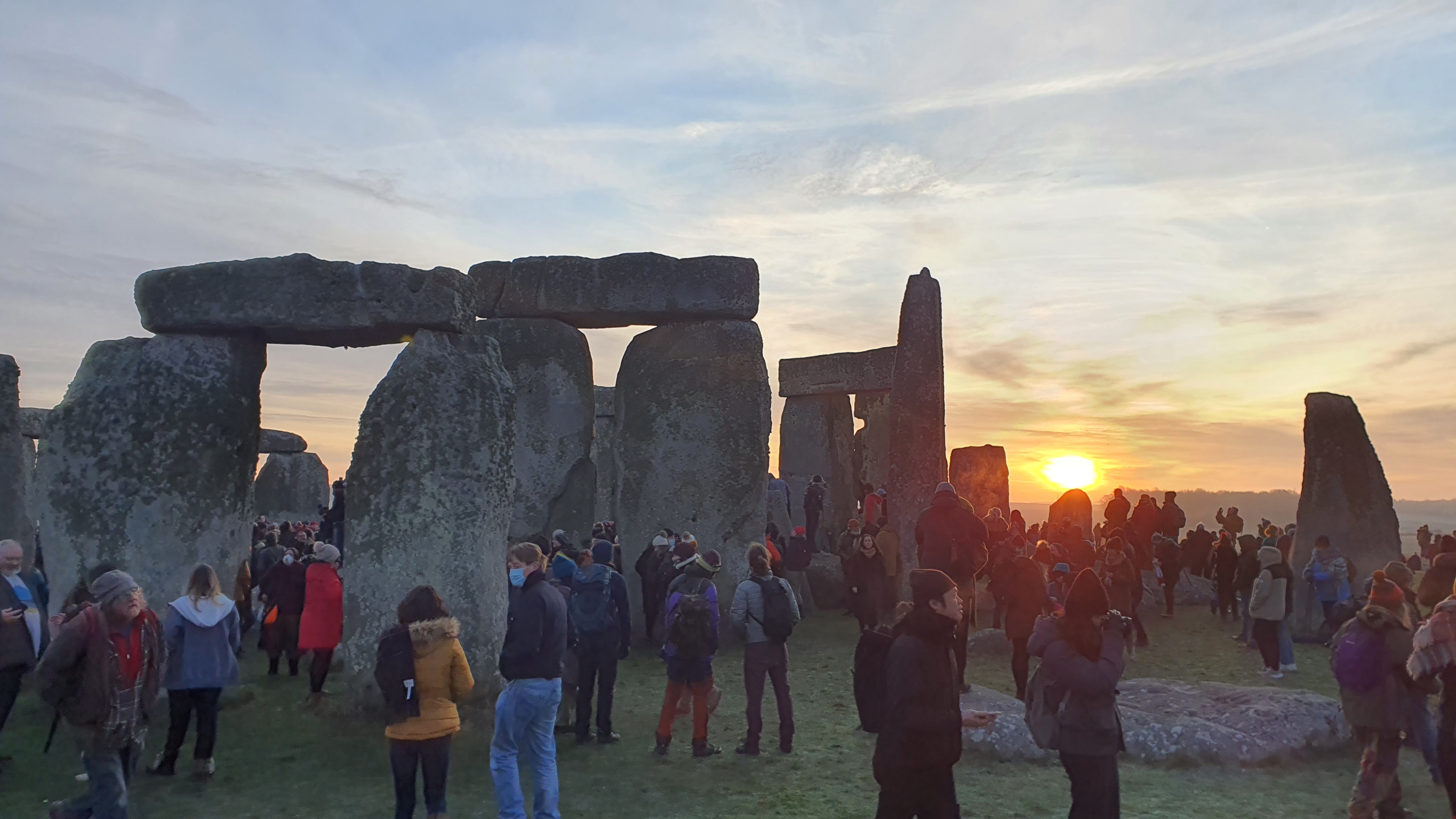
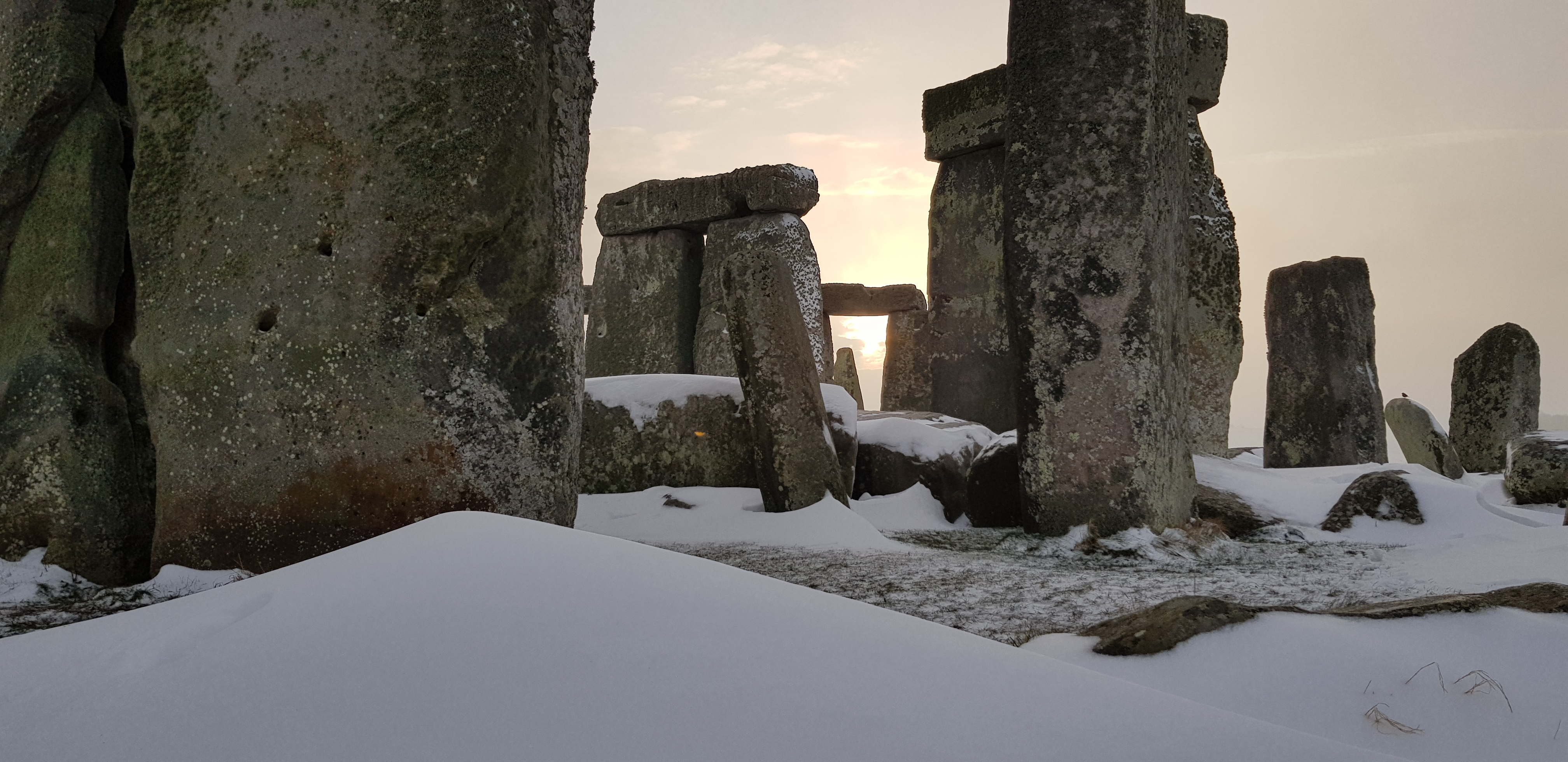
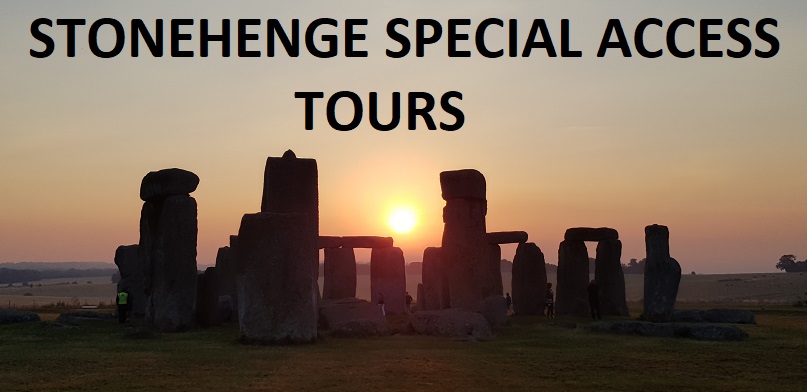
The Autumn Equinox (Mabon) is rapidly approaching as the last days of summer slowly come to an end. English Heritageare expected to offer a short period of access, from first light or safe enough to enter the monument field (approximately 06.15am until 08:30am) on the 23rd September.
Entry to the monument will begin between 05:45 – 06.15 hours (or when it is light enough to safely enter) on Tuesday 23rd September.
The Stonehenge car park will open at 05:15am. All vehicles must vacate the car parks by 11am. Please note: there is a 25-30 minute walk (approximately 1½ miles or 2km) from the Stonehenge Visitor Centre to Stonehenge. This walk is across National Trust downland which is uneven: sensible footwear and a torch are advisable.
There will be a shuttle bus to the stones operating once the monument field has been opened (see times above).
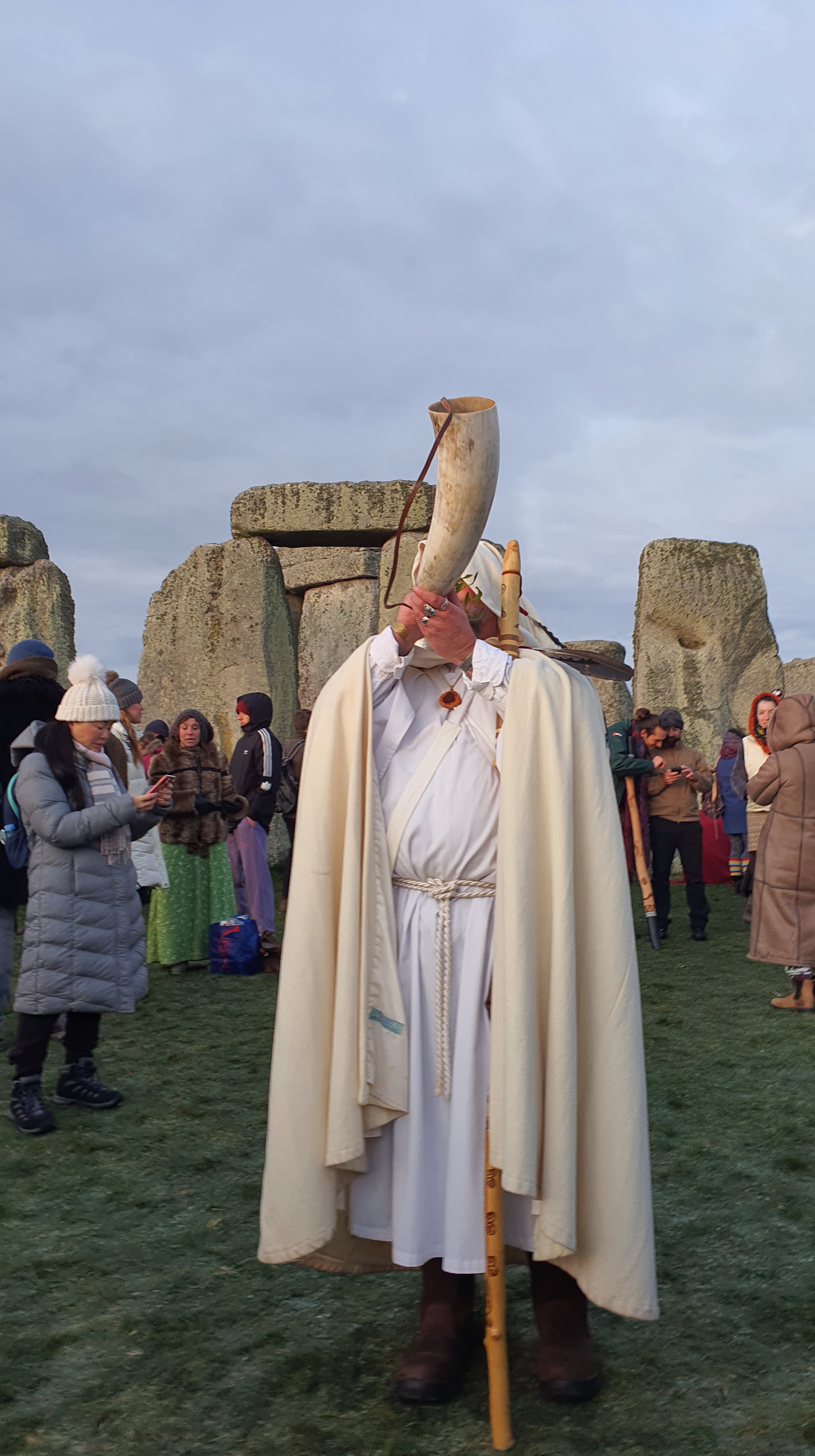
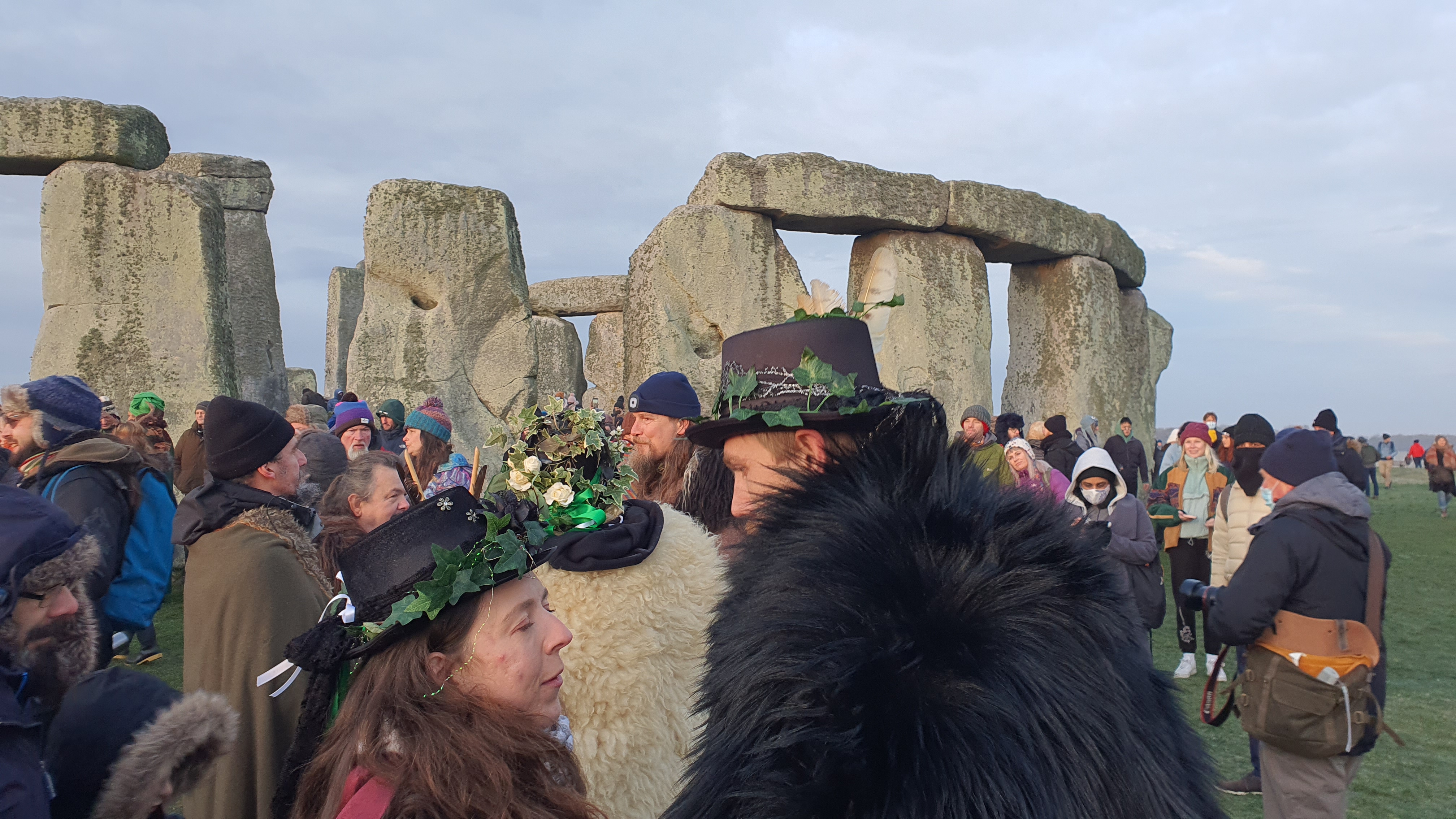
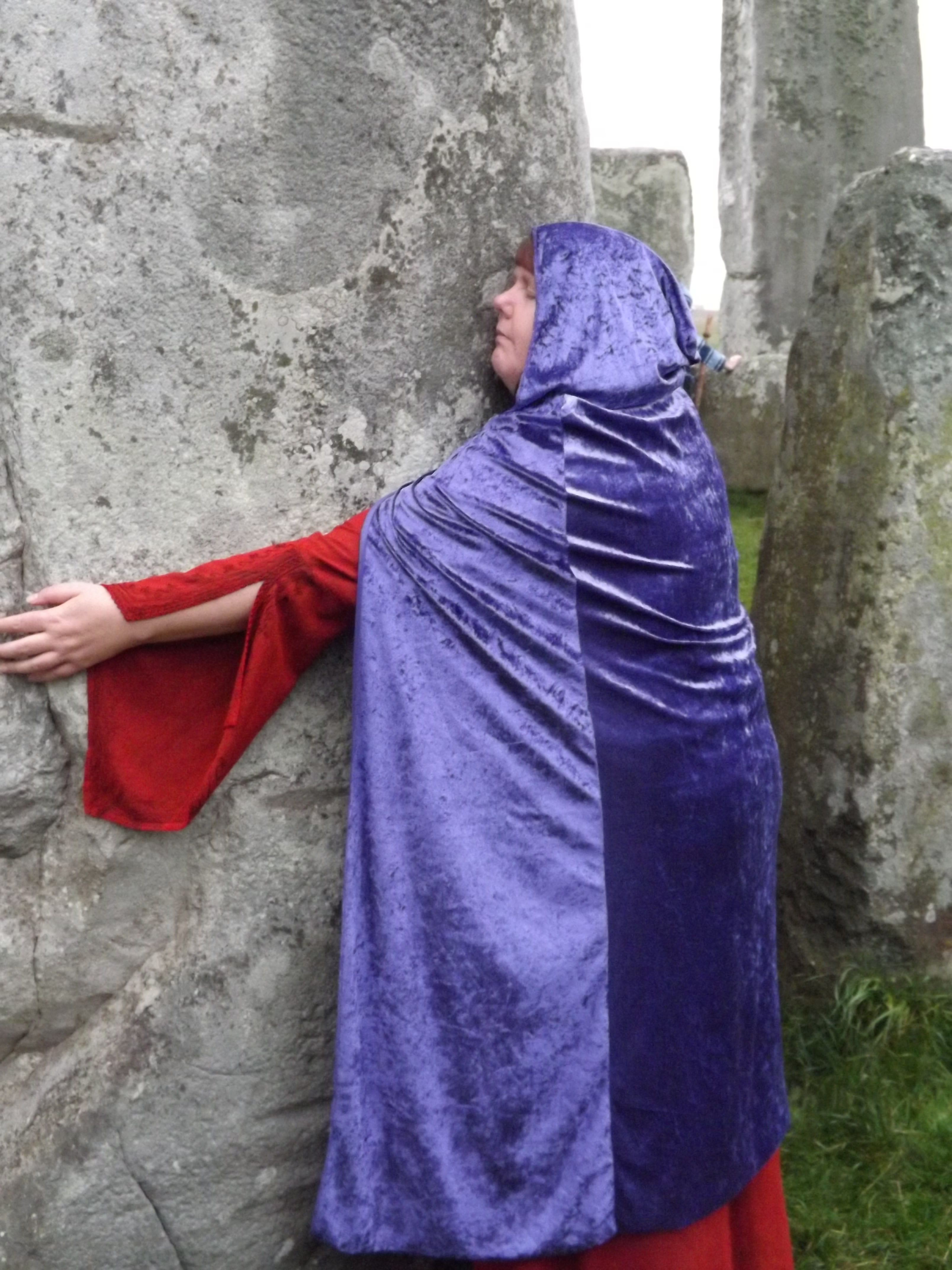
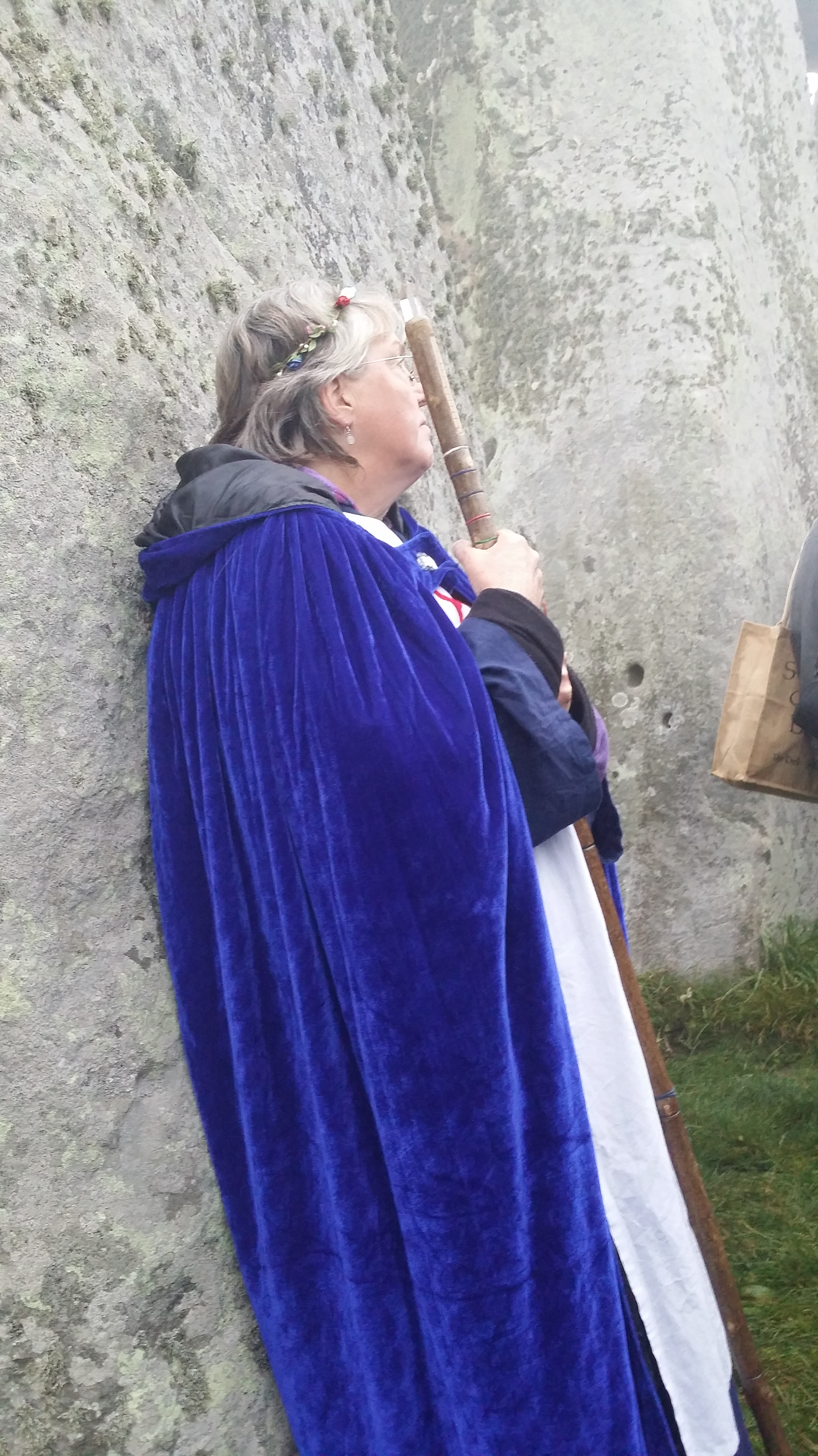
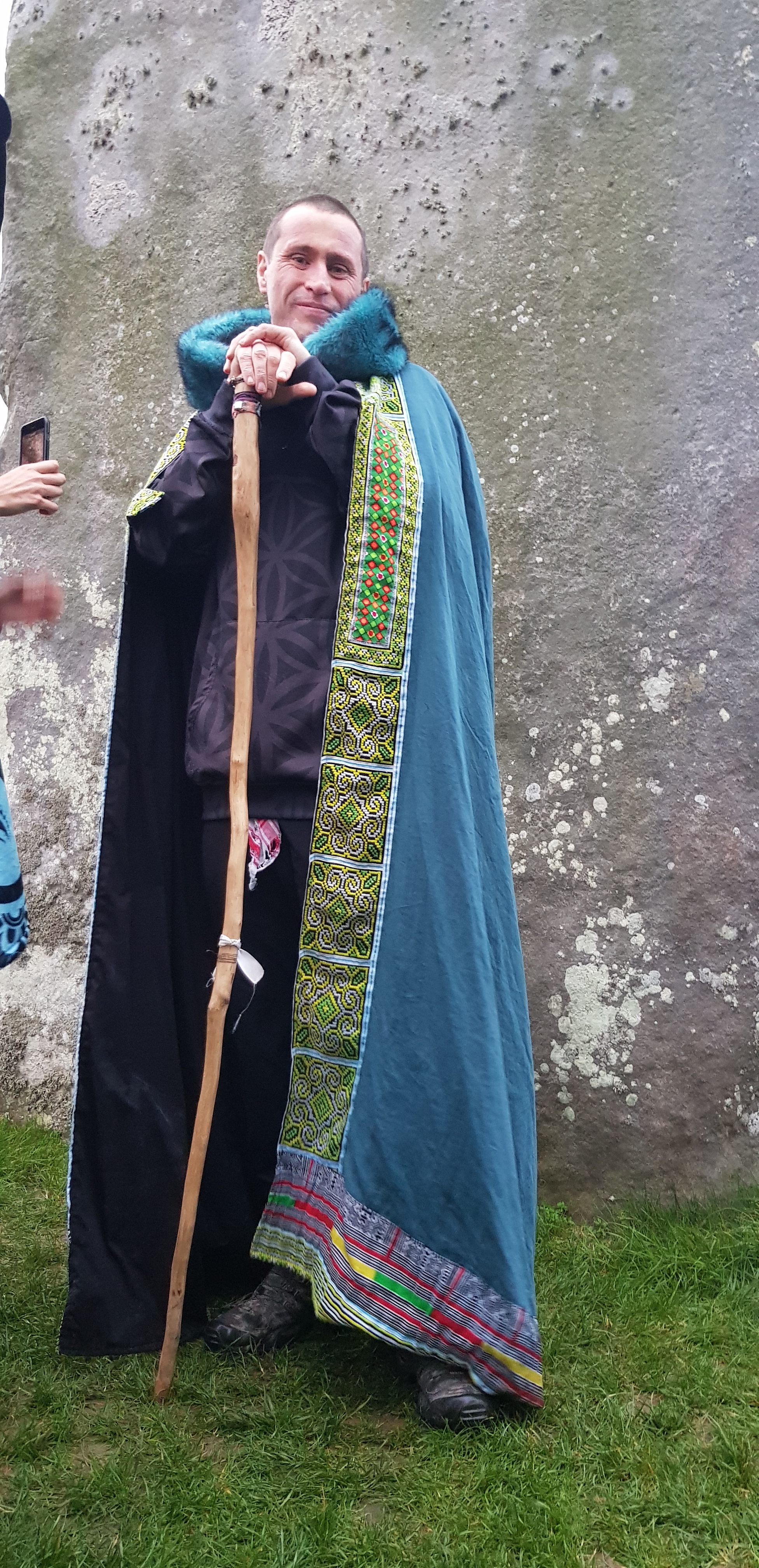
he Autumn Equinox is one of the rare occasions that English Heritage opens up the stones for public access. Equinox open access attracts fewer people than the Solstices – in the several hundreds rather than tens of thousands – and there are modern Druid ceremonies which are held in the circle around dawn, so if you prefer a quieter experience then attending the Autumn Equinox is a good choice.
English Heritage has facilitated Managed Open Access (MOA) to Stonehenge for the celebration of the summer solstice, winter solstice, spring and autumn equinox (spring and autumn equinox fall outside of this contract). English Heritage provides access to the stone circle and the monument field, free of charge to anyone who wishes to attend, but asks all those attending to comply with conditions of entry to ensure the safety of all visitors and to protect the monument. To safely provide MOA across the year, English Heritage works in partnership with Wiltshire Police and Wiltshire Council and engages experienced event managers and health and safety experts.
Please note: there is a 25-30 minute walk (approximately 1½ miles or 2km) from the Stonehenge Visitor Centre to Stonehenge. This walk is across National Trust downland which is uneven: sensible footwear and a torch are advisable.
Mabon is a harvest festival, the second of three, that encourages pagans to “reap what they sow,” both literally and figuratively. It is the time when night and day stand equal in duration; thus is it a time to express gratitude, complete projects and honor a moment of balance.
What is the Equinox? The equinox is when day and night are actually the same length. It happens several days before the spring equinox, and a few days after the autumn one.
The reason day and night are only almost equal on the equinox is because the sun looks like a disk in the sky, so the top half rises above the horizon before the centre
The Earth’s atmosphere also refracts the sunlight, so it seems to rise before its centre reaches the horizon. This causes the sun to provide more daylight than many people might expect, offering 12 hours and 10 minutes on the equinox.
The word ‘equinox’ itself actually mean ‘equal’ (equi) and ‘night’ (nox).
Respecting the Stones Stonehenge is protected under the Ancient Monuments and Archaeological Areas Act and you must adhere to the regulations outlined in the act or face criminal prosecution. No person may touch, lean against, stand on or climb the stones, or disturb the ground in any way. View the conditions of entry and respect the Stones
MORE iNFORMATION
You can find out more about attending Solstice and Equinox by clicking on the links below.
A Neolithic cow tooth discovered at Stonehenge dating back to its construction offers new evidence of the stone circle’s Welsh origins, finds a new study involving UCL researchers. (SOURCE)
Stonehenge on the Winter Solstice. Construction of the iconic stone circle began around 3000 B.C.E. and continued in several phases
The paper, published in The Journal of Archaeological Science, examined a cow’s jawbone that was discovered in 1924 beside Stonehenge’s south entrance. Using isotope analysis of one of its teeth, the researchers dated it to around the time of the monument’s beginning, between 2995 and 2900 BCE, and placed its likely origin in Wales.
This is the first time that scientists have seen evidence linking cattle remains from Stonehenge to Wales, adding further weight to theories that cows were used in the transportation of the enormous rocks across the country. Previous research has shown that Stonehenge’s bluestones originated in Wales.
Professor Michael Parker Pearson (UCL Archaeology) said: “This is yet more fascinating evidence for Stonehenge’s link with south-west Wales, where its bluestones come from. It raises the tantalising possibility that cattle helped to haul the stones.”
The scientists sliced the cow’s third molar tooth, which records chemical signals from the animal’s second year of life, into nine horizontal sections. They were then able to measure carbon, oxygen, strontium and lead isotopes, which each offer clues about the cow’s diet, environment and movement.
The different concentrations and varieties of elements embedded within the tooth provided insight into the cow’s life. The oxygen isotopes revealed that the tooth captured roughly six months of growth, from winter to summer, whilst the carbon isotopes showed the animal’s diet changed with the seasons: woodland fodder in winter and open pasture in summer. Additionally, the strontium isotopes indicated the seasonal food sources came from different geological areas, suggesting that the cow either moved seasonally or that winter fodder was imported.
The lead isotopes revealed composition spikes during the late winter to spring, pointing to a lead source that was older than the lead in the rest of the tooth. The composition suggests the cow originated from an area with much older Palaeozoic rocks, such as around the Preseli hills in Pembrokeshire, Wales, where the Stonehenge’s bluestones originated before being transported to Sailsbury Plain.
Professor Jane Evans, BGS Honorary Research Associates said: “This study has revealed unprecedented details of six months in a cow’s life, providing the first evidence of cattle movement from Wales as well as documenting dietary changes and life events that happened around 5,000 years ago. A slice of one cow tooth has told us an extraordinary tale and, as new scientific tools emerge, we hope there is still more to learn from her long journey.”
In addition, researchers also concluded that the unusual lead signal could not be explained by local contamination or movement alone. Instead, that lead stored in the cow’s bones had been remobilised during the stresses of pregnancy. If true, this would mean the cow was female and pregnant or nursing during the tooth’s formation. To test the hypothesis, the team applied a peptide-based sex determination technique at the University of Manchester, which showed there was a high probability that the animal was female.
Richard Madgwick, professor of archaeological science at Cardiff University, said: “This research has provided key new insights into the biography of this enigmatic cow whose remains were deposited in such an important location at a Stonehenge entrance. It provides unparalleled new detail on the distant origins of the animal and the arduous journey it was brought on. So often grand narratives dominate research on major archaeological sites, but this detailed biographical approach on a single animal provides a brand-new facet to the story of Stonehenge.”
Want to visit Stonehenge with an expert tour guide and hear all about the latest discoveries? THE STONEHENGE TOUR COMPANY Visit the inner circle of Stonehenge and walk amongst the Stones and dawn or dusk – STONEHENGE GUIDED TOURS Scientists uncover secrets of Stonehenge’s mysterious cattle – BGS The tooth that solves the Stonehenge mystery after 5,000 years: Scientists uncover new evidence about how the stones were transported there – DAILY MAIL Scientists uncover new evidence about how the stones were transported there – THE INDEPENDENT A Neolithic Cow’s Tooth Helps Point to the Mysterious Origins of Stonehenge’s Iconic Stones – SMITHSONIAN
The Stonehenge News Blog
Follow us on Twitter and Facebook for all the latest Stonehenge Newshttp://www.Stonehenge.News
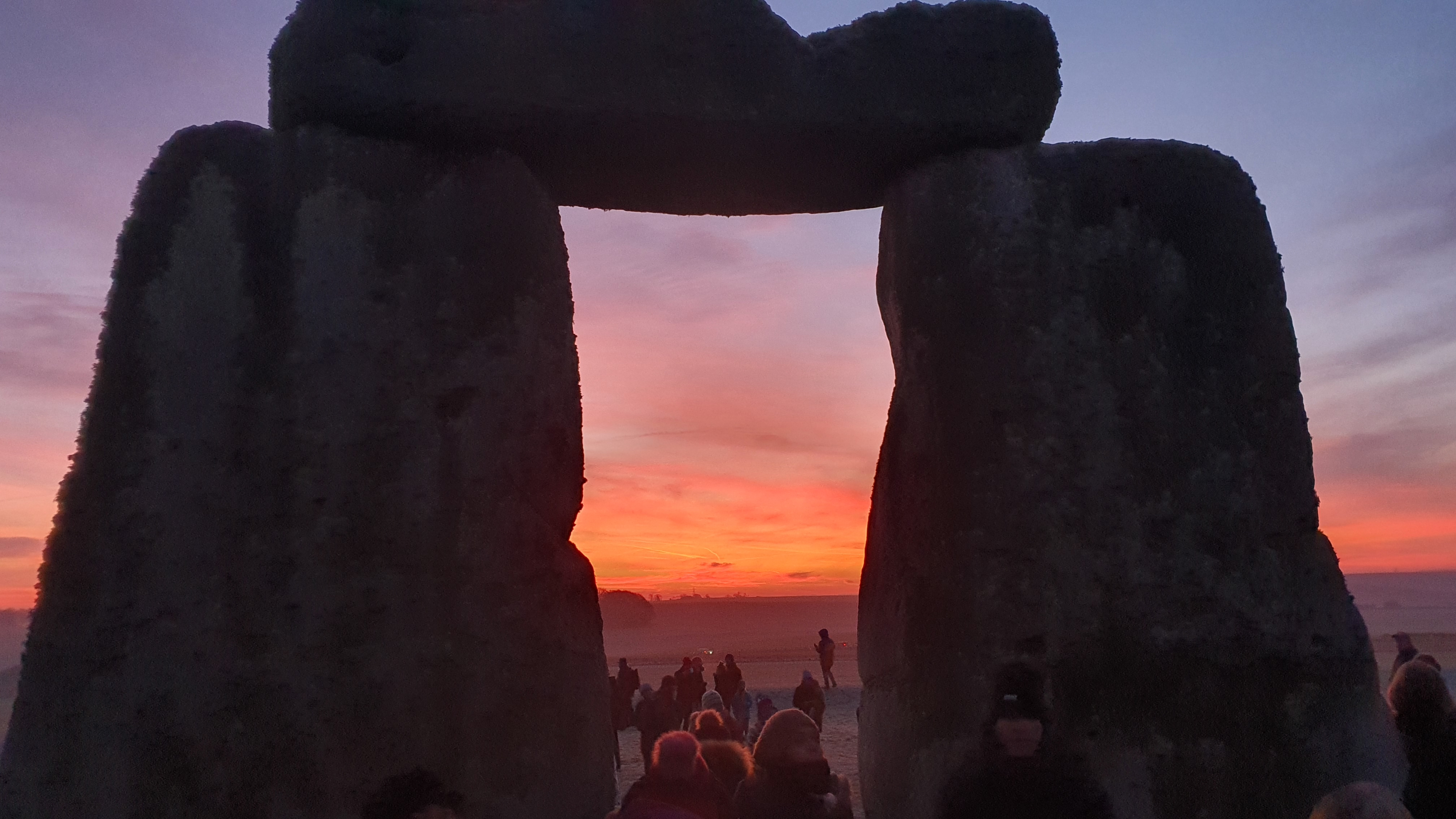
It’s the monument that has baffled scientists for hundreds of years. But now, experts may have finally solved one of Stonehenge’s greatest mysteries.
Boulders at Stonehenge were taken to the monument’s site by humans, rather than dragged there by glaciers, new scientific research claims.
The ancient monument, near Salisbury in south-west England, was built with stones from all parts of Great Britain, including the smaller bluestone megaliths, most of which came from north Pembrokeshire, 140 miles (225km) away.
While many archaeologists believe the smaller bluestones from the Preseli Hills were transported by humans, others believe they were transported by glacial ice long before Stonehenge was built.
Now, a research team at Aberystwyth University says its work shows there is “no evidence” to support the ice transport theory.
The bluestones are believed to have been among the first erected at the Wiltshire site about 5,000 years ago.
The team’s work focused on the so-called Newall Boulder, a 22x15x10cm rock excavated at Stonehenge in 1924 orginally from Craig Rhos-y-Felin in Pembrokeshire.
RELATIVE NEWS Stonehenge boulder debate settled, scientists say – BBC SOURCE Stonehenge’s biggest remaining mysteries: The 5 key unanswered questions – as scientists crack how enigmatic boulder was transported from Wales DAILY MAIL Stonehenge mystery is SOLVED after 5,000 years – as scientists finally crack how enigmatic boulder was transported from Wales – DAILY EXPRESS Want to visit Stonehenge with an expert tour guide and hear all about the latest discoveries? THE STONEHENGE TOUR COMPANY Visit the inner circle of Stonehenge and walk amongst the Stones and dawn or dusk – STONEHENGE GUIDED TOURS
The Stonehenge News Blog
Follow us on Twitter and Facebook for all the latest Stonehenge Newshttp://www.Stonehenge.News
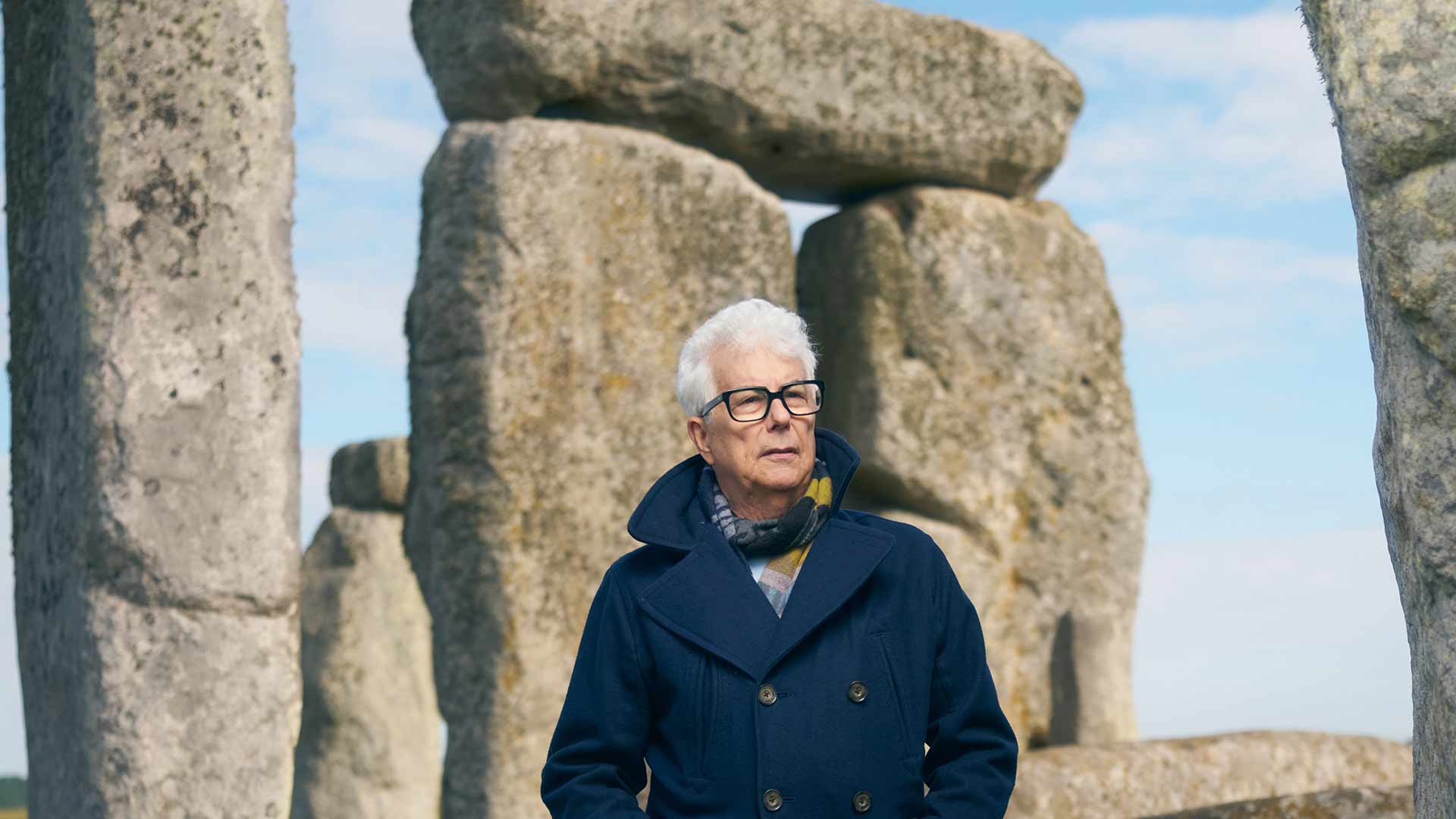
Ken Follett’s next historical epic will look back to the origins of one of the world’s most famous and enigmatic destinations — Stonehenge.
The Welsh author’s “Circle of Days” is scheduled for next Sept. 23, according to Hachette Book Group, which on Tuesday announced the book through imprints in the U.S. and the U.K. Through such characters as a miner named Seft and the priestess Joia, Follett will explore the ancient stone circle in England that has long been an international gathering place for tourists and for celebrants of summer solstice and an endless source of research for scholars.
“Stonehenge is one of the world’s most iconic and recognizable monuments but, in reality, so little is known about it. How was it built? Why was it built? Who built it?” Follett said in a statement. “I’ve written before about moments of great human achievement and I’ve always been drawn to stories of ordinary people doing seemingly impossible things, and what could be more extraordinary than the construction of this enormous monument. It’s such a remarkable achievement and one of the greatest mysteries of all time and that’s a fantastic combination for a story.”
Follett, 75, has become one of the world’s most popular authors through such blockbusters as “The Pillars of the Earth” and its sequel, “World Without End.” His books have sold more than 160 million copies worldwide.
Follett’s new book will be released in the U.S. by the Hachette imprint Grand Central Publishing and in the U.K. by Quercus. The announcement follows the new global deal with the publisher after Follett left his long-time publisher Pan Macmillan earlier this year.
The Stonehenge Altar Stone may have come from the Midlands or even Scotland
New geological analysis suggests its geology doesn’t match most Welsh
The Stonehenge Altar Stone was probably not sourced from the Old Red Sandstone of the Anglo-Welsh Basin: Time to broaden our geographic and stratigraphic horizons?
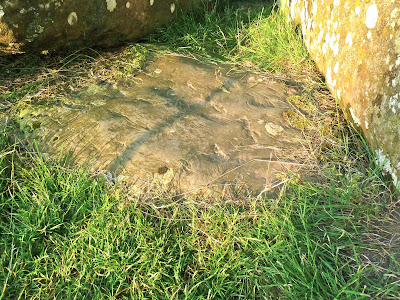
The Altar Stone lies at 80° to the main solstitial axis beneath the collapsed upright of the Great Trilithon (Stone 55b) and its lintel (Stone 156), sunk into the grass. The stone itself was broken by the fall of the Great Trilithon’s upright and is in two pieces. IMAGE SOURCE
New research, led by Aberystwyth University, analysed 58 rock samples from all over the country to figure out where the curious Bronze Age rock may have come from.
For the last 100 years the Stonehenge Altar Stone has been considered to have been derived from the Old Red Sandstone (ORS) sequences of south Wales, in the Anglo-Welsh Basin, although no specific source location has been identified,’ the scientists say.
‘We have concluded that the Altar Stone appears not, in fact, to come from the ORS of the Anglo-Welsh Basin and further, we propose that the Altar Stone should no longer be included in the “bluestone” grouping of rocks essentially sourced from the Mynydd Preseli.
‘Attention will now turn to the ORS of the Midland Valley and Orcadian Basins in Scotland as well as Permian-Triassic of northern England to ascertain whether any of these sandstones have a mineralogy and geochemistry which match the Stonehenge Altar Stone.’
Stonehenge’s most prominent slabs – the sandstone sarsens – were sourced locally, from Marlborough Downs, a mere 20 miles from the monument’s site.
But the origin of the Altar Stone – which lies partially hidden under two fallen columns – has been at the centre of mystery for centuries.
Previous investigations suggest its geology completely contrasts to the rocks found in Wiltshire, and may have been sourced from a quarry 140 miles away.
This Welsh site is home to various other ‘bluestones’ like the Altar Stone, formed when lava cools before crystallising and solidifying.
But new research suggests the so-called ‘Stone 80’ should be ‘de-classified’ as a bluestone due to its unique characteristics.
After conducting 106 analyses, experts say the Altar Stone has an unusually high content of Barium.
This matched just one sample taken from rocks across south Wales, the Welsh Borders, the West Midlands and Somerset.
Now, the team have expanded their search for the source to northern Britain, in the hopes of finding similar geology in Caithness and even Orkney, Scotland.
If it were sourced in Orkney, ancient builders may have dragged the six-ton rock across roughly 682 miles.
This took place thousands of years before heavy-lifting machinery was even invented.
‘Monoliths used in the construction of stone circles are usually locally derived,’ scientists added.
‘It is the long-distance transport of the bluestones that makes Stonehenge of particular interest.
The bluestones in fact represent one of the longest transport distances known from source to monument construction site anywhere in the world.’
Some experts theorise that the Altar Stone was shipped on a raft up the Bristol Channel, before travelling the final leg to Salisbury Plain over land.
However, more recent studies have called this into question and suggest the rock may have been hauled across numerous hills.
The truth of this remains unknown, but MailOnline has approached the experts of this study to hear their thoughts.
RELEVANT STONEHENGE LINKS:
The Stonehenge Altar Stone was probably not sourced from the Old Red Sandstone of the Anglo-Welsh Basin: Science Direct The Altar Stone – Not welsh, so where is it from? The Sarsen Stonehenge’s Altar Stone did NOT come from Wales: The Daily Mail The Stones of Stonehenge On this site you’ll find photos of every stone at Stonehenge/ Simon Banton Visit Stonehenge with the experts and hear all the latest discoveries and theories – STONEHENGE GUIDED TOURS Private Guided Tours of Stonehenge with local expert tour guides – STONEHENGE AND SALISBURY GUIDED TOURS
Archaeologists say a 4,000-year-old tool kit found among the grave of a Bronze Age spiritual leader was used for working with gold.
A Bronze Age burial site in Wiltshire contained the skeletons of two people
One was buried with stone and metal artefacts indicating they were a shaman
Scientists have analysed these and found traces of gold on the surface
This suggests the shaman was also a skilled goldsmith and metalworker
The stone tool kit was found near Stonehenge more than two centuries ago but its use until now has been unknown.
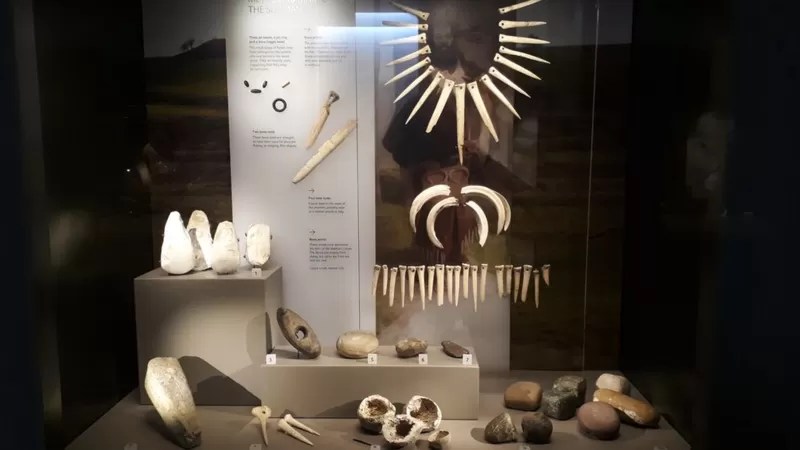
Archaeologists from the University of Leicester detected traces of gold on their surface, indicating they were once used as hammers or anvils for metalworking. Pictured: Gold traces on stone used for polishing and smoothing
Researchers at the University of Leicester have re-examined grave goods discovered within the burial and found they were gold-working tools.
Lead author Dr Rachel Crellin said the discovery was “really exciting”.
The tools were first found at the Upton Lovell G2a Bronze Age burial, which was excavated in 1801.
They are now on display at the Wiltshire Museum in Devizes where Dr Christina Tsoraki, from the University of Leicester, carried out wear-analysis of the grave goods.
She noticed what appeared to be gold residues on their surfaces and concluded the stone tools had been used for a range of different purposes.
Some were used like hammers and anvils whereas others had been used to smooth other materials, Dr Tsoraki said.
The University of Leicester also worked alongside experts from the University of Southampton on the project.
The Wiltshire Museum said the man buried at Upton Lovell near Stonehenge, was a “highly skilled craftsman” who specialised in making gold objects.
The grave also consisted of a ceremonial cloak decorated with pierced animal bones which the museum say hints that he was a “spiritual leader” and one of the few people in the early Bronze Age who understood the magic of metal-working.
Dr Crellin, from the University of Leicester, said “At the recent ‘World of Stonehenge’ exhibition at the British Museum, we know that the public was blown away by the amazing 4000-year-old goldwork on display.
“What our work has revealed is the humble stone toolkit that was used to make gold objects thousands of years ago.”
RELEVANT STONEHENGE LINKS:
Experts claim breakthrough in ancient Stonehenge tool kit puzzle – BBC NEWS Ancient goldsmith’s toolkit found near Stonehenge – DAILY MAIL 4,000-year-old ‘shaman’ burial near Stonehenge has a golden secret – LIVE SCIENCE Visit Stonehenge with the experts and hear all the latest discoveries and theories – STONEHENGE GUIDED TOURS 3,800-Year-Old Toolkit Unearthed Near Stonehenge Was Used to Work Gold – ANCIENT ORIGINS 4000-YEAR-OLD GOLD WORKING TOOL KIT IDENTIFIED FROM BARROW NEAR STONEHENGE – DAILY HERITAGE Archaeologists say find near Stonehenge is ancient goldsmith’s toolkit – THE GUARDIAN Private Guided Tours of Stonehenge with local expert tour guides – STONEHENGE AND SALISBURY GUIDED TOURS
Researchers argues that the design of Stonehenge was one big solar calendar
The entire site was the physical representation of one month, lasting 30 days
One theory is Stonehenge served as an ancient calendar, although others exist
Research showed the stones were added about 2500BC and remained in the same formation, indicating they worked as a single unit such as a calendar.
It had long been thought that the famous site of Stonehenge served as an ancient calendar, given its alignment with the solstices. Now, research has identified how it may have worked
Professor Timothy Darvill said the Wiltshire stone circle’s layout served as a physical representation of the year.
He said the research indicated “the site was a calendar based on a tropical solar year of 365.25 days”.
Although the origins of the site remain a mystery, in a paper published in the journal Antiquity, Prof Darvill deduced that the stones are displayed to represent a solar year of 365.25 days and were once used to help people keep track of time.
His analysis also includes new finds about the site’s history, along with analysis of other ancient calendar systems.
The prehistorian, who works at Bournemouth University, said that “the clear solstitial alignment of Stonehenge has prompted people to suggest that the site included some kind of calendar since the antiquarian William Stukeley.
“Now, discoveries brought the issue into sharper focus and indicate the site was a calendar based on a tropical solar year of 365.25 days.”
The significance of the layout is highlighted during the Winter and Summer solstices, when the sun is framed by the same stones every time.
The solstitial alignment helps to calibrate the calendar and any errors would be easily detectable as the sun would be in the wrong place during the biannual event.
Professor Darvill said: “The proposed calendar works in a very straightforward way. Each of the 30 stones in the sarsen circle represents a day within a month, itself divided into three weeks each of 10 days.”
The solar calendar was developed in eastern Mediterranean countries after 3000BC and adopted in Egypt as the Civil Calendar around 2700BC. It was widely used around 2600BC, at the start of the Old Kingdom.
This information raises the possibility that the calendar that Stonehenge tracks may be influenced by other cultures. SOURCE
RelevantStonehenge News Links: Stonehenge was a solar calendar, according to research – BBC Stonehenge may have been a giant calendar and now we know how it works – New Scientist Stonehenge mystery solved as a solar calendar – with links to ancient Egypt – Evening Standard Stonehenge mystery unravelled as scientists detail key use ‘Very straightforward’ – The Express Stonehenge may have served as an ancient solar CALENDAR, helping people track the 365 days of the year, study claims – Daily Mail Visit Stonehenge with the megalithic experts and hear all the latest theories – Stonehenge Guided Tours Visit Stonehenge on the Summer Solstice – Solstice Tours UK
The Stonehenge News Blog Follow us on Twitter and Facebook for all the latest Stonehenge News
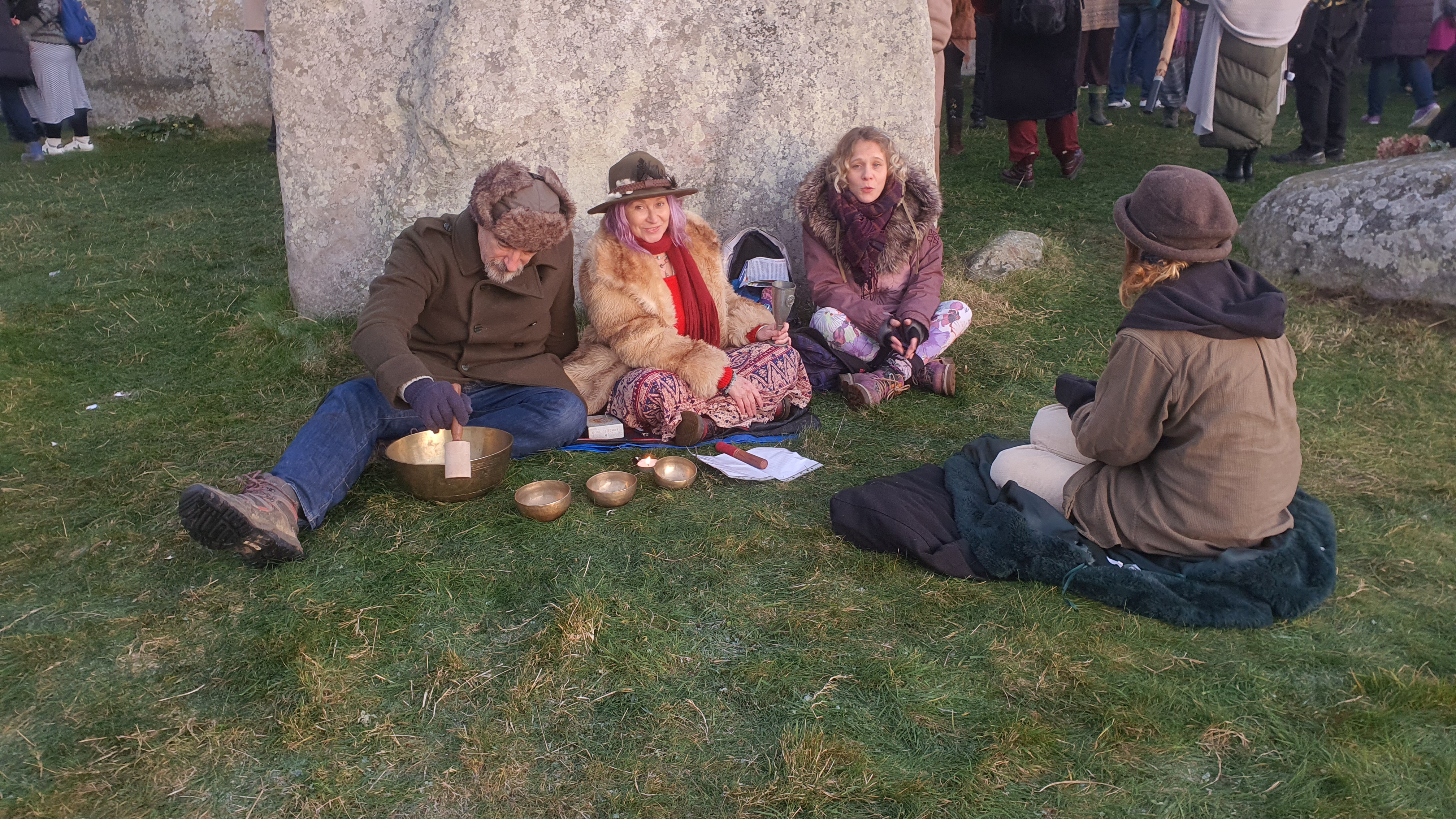
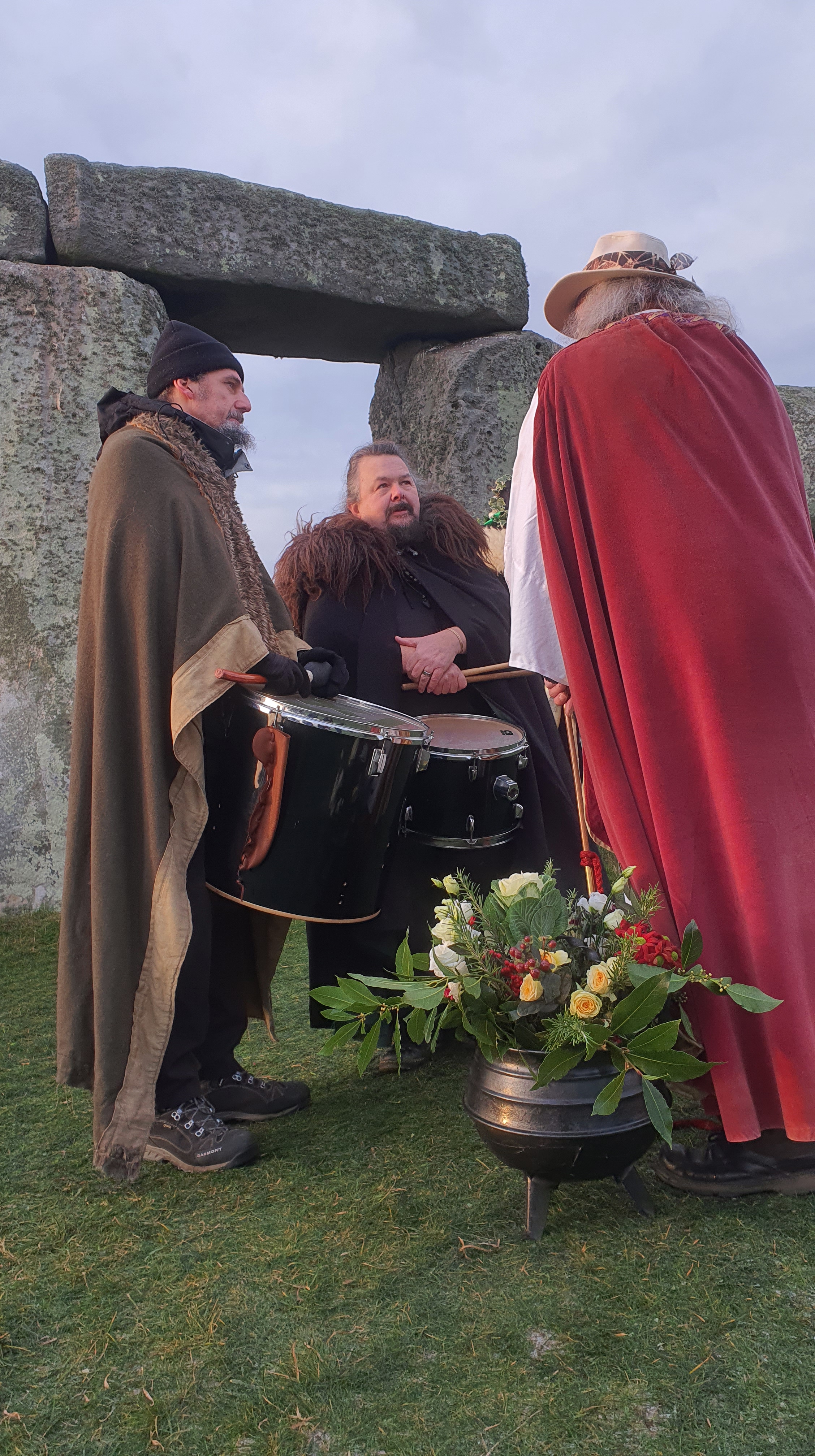
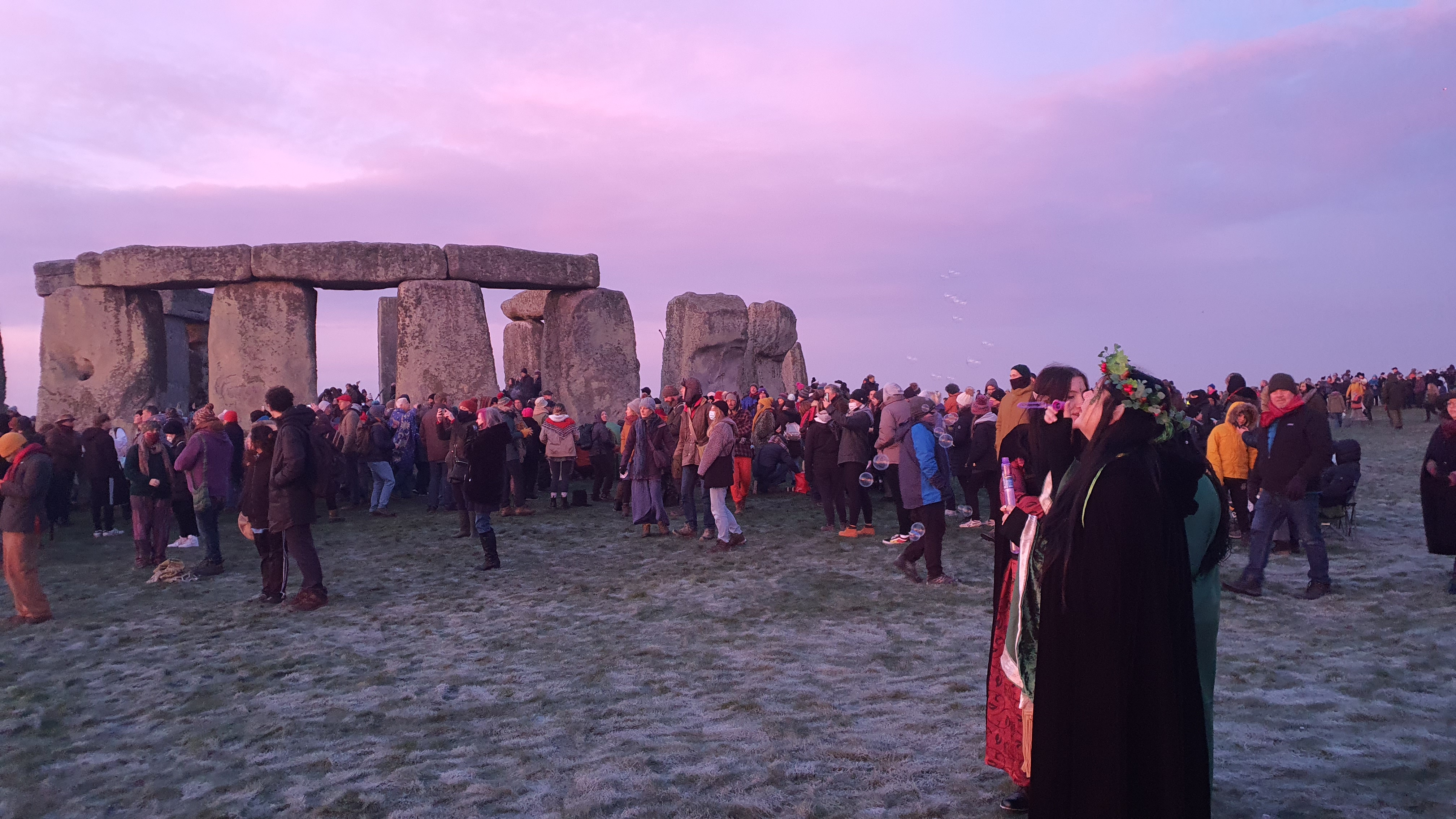
Crowds came together for the biggest gathering at Stonehenge since the pandemic began. Thousands of people gathered at Stonehenge on Wednesday morning to celebrate the annual winter solstice. The event, which marks the first sunrise after the longest night of the year, saw 2,500 people visit the World Heritage site in Salisbury – the largest gathering at the 5,000-year-old location since the start of the pandemic. The festivities were also watched by over 55,000 people worldwide, with Druids and Pagans amongst those who marked the occasion.
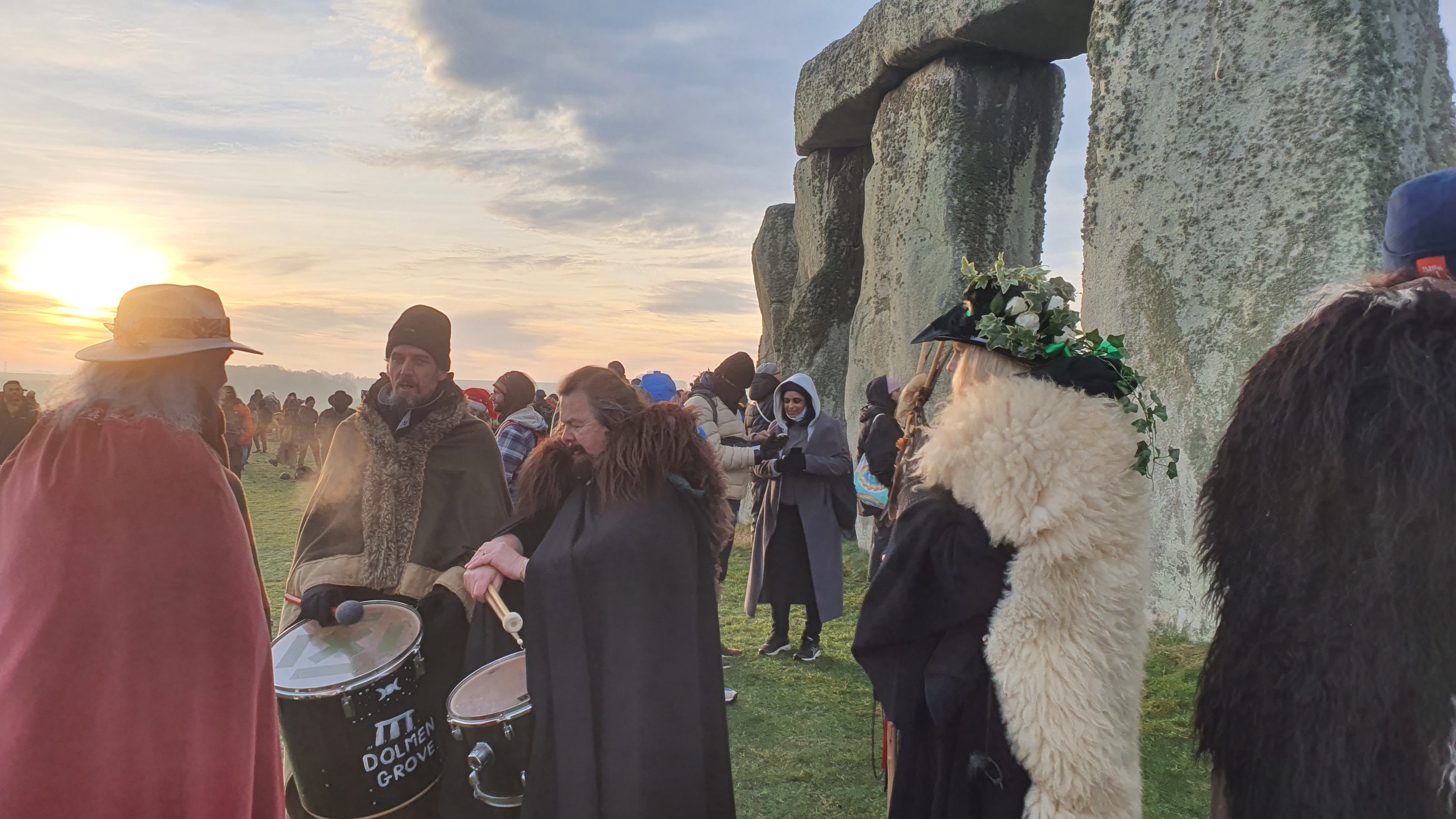
Druids and pagans were joined by hundreds of others to mark the end of the longest night.
English Heritage allowed access to the site but also live streamed the sunrise for those who wanted to watch at home.
Historians believe the turning of the year was celebrated by the people who erected the stones.
It was the first time since lockdown began in March 2020 that open access was allowed at the World Heritage Site on Salisbury Plain, with about 1,000 people attending.
The curator of Stonehenge, Heather Sebire, told BBC Radio Wiltshire: “The whole monument is orientated to the midwinter sunset and the midsummer sunrise. Today is marking the turning of the year.
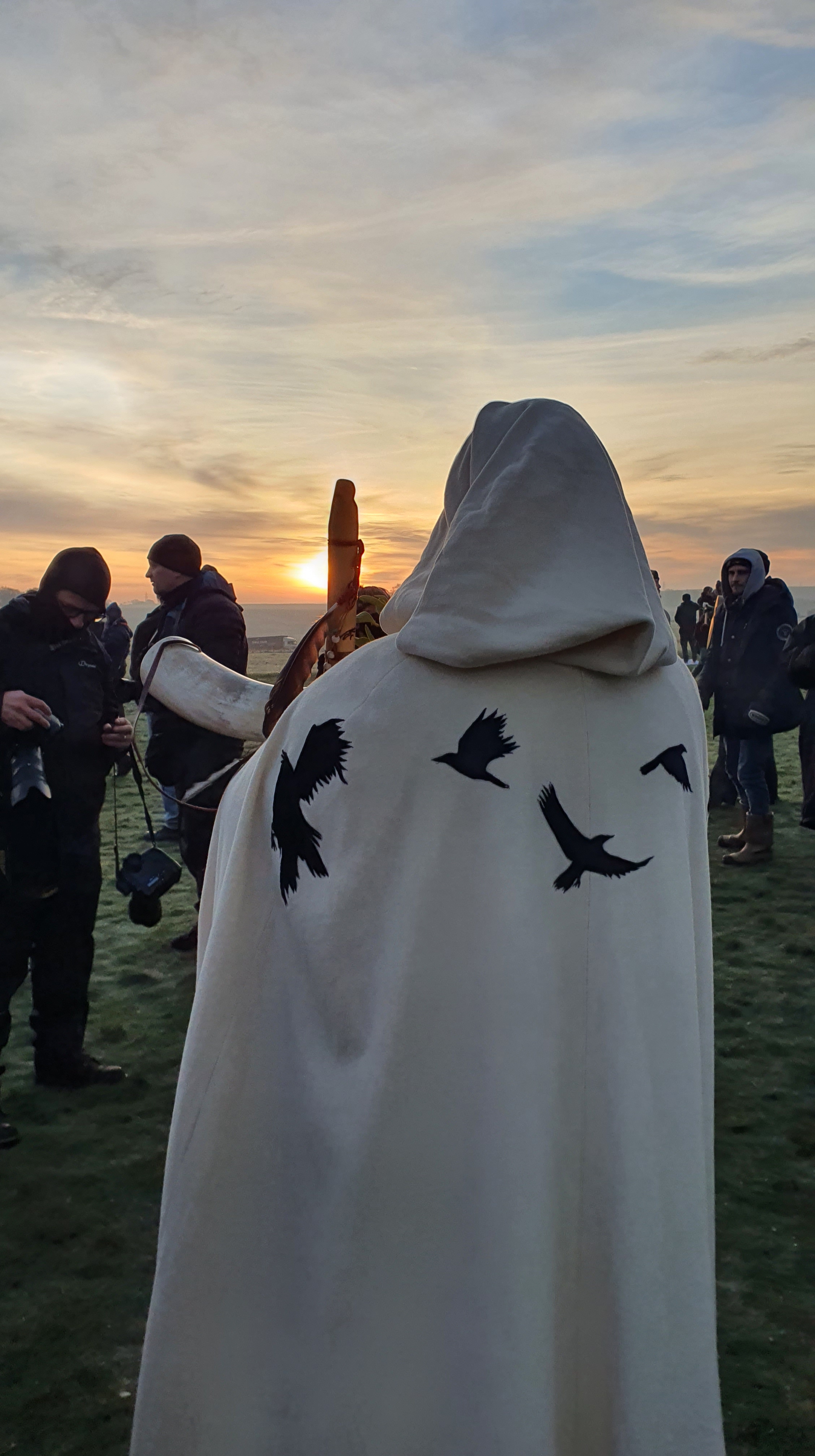
As the drumming echoed around the site, everyone, tourists, locals and the religious, turned their faces to the east in unison to greet the sunrise.
People marked the moment in different ways – some quiet, some jubilant – but you could sense a real joy in the air.
Stonehenge Winter Solstice 2021 Links: Thousands gather at Stonehenge for winter solstice celebration = The Independent Winter solstice Sunrise at Stonehenge 2021 in photos – Salisbury Journal Winter Solstice at Stonehenge: Crowds gather for special sunrise at Wiltshire monument – ITV Stonehenge winter solstice crowd the biggest of pandemic – BBC Stonehenge Winter Solstice Tours, book now for 2022 – Stonehenge Guided Tours Dawn again! Stonehenge revellers celebrate the first sunrise after Winter Solstice… – Daily Mail Experiencing solstice at Stonehenge for the first time – Wiltshire Times
The Stonehenge News Blog Follow us on Twitter and Facebook for all the latest Stonehenge News and Winter Solstice updates.
They stood in a circle, mirroring the wider circle of the great plain spread out around them beneath the vast blue dome of the sky – a plain of rolling scrubland, a threadbare forest after centuries of occupation and activity now covered in a thin cloak of white: more a hard frost than fresh snow, although old drifts had frozen over where the occasional flurry had snagged on bushes and mounds. A solemn circle of cloaked figures standing out against the white, forms and features gilded by the fires of torches and the setting sun – at its lowest ebb after its slow, steady journey from the summer solstice. Now, on the eve of the longest night of the year, it was like a tallow candle, wick guttering low in its melting pool as it sank over the horizon.
The gathered stood vigil around an open grave pit. Within, the flickering light illumined a middle-aged male figure wrapped in a deep blue cloak against which a gold lozenge breastplate and belt buckle gleamed, catching the dying rays that shot out across the darkening plain. A once powerful profile caught this final glory. Encephalic brow over deep set eyes now shut beneath still black brows. Cheek bones and chin accentuated by grey-streaked beard. A strong mouth used to issuing commands now silent. Look closer and fine wrinkles about his eyes could be discerned – the weathering of a long, active, and careworn life.
Around the grave stood two distinct rings of figures – shorter, raven-maned, stouter men and women wore robes dyed a woad-blue; the taller, finer-boned, flaxen-haired ones wore cloaks of pale green-grey. Between them they rhymed with the blue stones and sarsens of the Great Circle, distinctly visible just down the slope from the ridge of barrows – the mighty temple where tomorrow they would greet the rebirth of the sun.
The blue-cloaks stood restless and uncomfortable amid the pomp and ceremony of the burial. They were more used to using their hands and minds on constructing and maintaining the Great Stones and surrounding sites. Physically distinct from the grey-cloaks, it was rumoured they had first come to the plain with the blue stones – but this had been so far back even the storytellers’ failed to recall the details in more than fanciful terms. Around the fires they told of how a great magician and a band of fifteen thousand warriors had travelled to Hibernia to bring back the stones said to be the work of giants; of how, when the Hibernians had refused them, a great battle ensued and blood had darkened the soft green hills, and the sorcerer had made the stones dance across the land into their final settling place. Whatever the truth the blue-stones – shorter and roughly hewn from a darker, more porous rock – had preceded the taller grey ones, which had been dressed and brought with no less an astounding act of skill and effort from the downs a day’s walk north. The Avenue was said to mark the direction the blue-stones had been brought from the river, the direction the midsummer sun rose, entering the Great Stones via the pair of uprights standing apart from the main circle.
As the dying light of the sun lingered on the horizon – a bloody eye slowly shutting – the grey-cloaks stepped forward to place gifts in the grave.
A tall, handsome woman carried before her a ceremonial mace, handle inlaid with a zig-zag pattern. As the torches gutted in the chill dusk breeze, her voice carried across the gathered. ‘Our cherished leader brought together the tribes – forging peace, alliances, friendships, and heart-unions. May this mace remind the ancestors of this great deed!’ The circle made noises of respect and assent, and she carefully placed it on the chest of the man, laying his right hand gently over it. Then, after a private moment when she murmured something and kissed his brow, she stood stiffly up, and returned to the ring.
Then a man with long silver hair stepped forward and offered a milky spherical stone. ‘Our cherished friend knew the secrets of the sun, moon, and stars, better than anyone – even than myself. His vision helped us to achieve this mighty dream,’ he gestured to the Great Stones, ‘one that has taken many lifetimes of effort. But now it is accomplished. The long line that has overseen the sky temple’s construction and completion may rest in peace, rightly proud of their legacy. And so, the seer-stone can rest now with its bearer.’ He stooped and placed the orb in the man’s left hand, curling frost-stiffened fingers about it. Then, quietly: ‘May it guide you on your journey in the beyond, old friend.’
The silver-haired man stood up and stepped back, face curtained by his hair, his expression taut, eyes glinting in the torchlight.
Then a young man stepped forward in his virile prime. The resemblance to the man in the grave was unmistakable – though his smooth features and mien were unwearied by the burdens of chieftainhood. He carried before him a dagger with a handle adorned with golden pins.
‘My father was father to many tribes, and many knew him as a strong leader, one who fiercely defended his people, and this land. And yet there was another side to him, which I was lucky to glimpse at times. Yes, he was tougher on me than most, pushing me to become as great, nay, even greater than he. But behind that was an undying love. I realise that now. He could not be like other fathers, and yet he still taught me many things. The tales he shared! When the day’s work was done, and he returned to our hut – to sit by the fire with a warming beaker, a different man would emerge. I remember that man, while I honour the leader. Dear father, may this dagger guard you in your journey beyond the sky.’
The young man placed the dagger by his feet, spent a moment in contemplation kneeling by his father’s grave, then finally stood up, and returned to the circle.
And then the blue-cloaks brought their gifts – jugs of beer, a loaf, a sack of grain, a braided talisman – simple, homespun gifts but heartfelt.
The grave goods were carefully placed around the recumbent form until not a gap was left.
And then the silver-haired man stepped forward and raised a final toast with a horn – pouring some of its contents onto the disturbed earth at the edge of the grave, before taking a slow, thoughtful sip. With a bow, he passed it with both hands to the handsome woman, who did the same.
Then, to the son, whose hand shook, though none chose to notice it.
One-by-one, each took a turn to the raise the horn.
Returning full circle to him, the silver-haired man signalled it was time to raise the mound.
Starting with the grey-cloaked woman, each person gathered cast an oxen-shoulder blade’s worth of mead-splashed chalky soil on the man before returning the back of the line. A chant began, slow and rhythmic, as slowly the mound was raised in the dying light, a mound glowing white in the gloaming.
And then finally it was done.
Before them, the white mound rose in the full dark of the deepest night, its soft glow echoing the glint of stars far, far above – the line of barrows a constellation in the chalk pointing the spirit-fire of their newest ancestor back home.
Frozen to the bone, the gathered filed back to the huts to the honour-feast. All night long they would tell tales of his deeds, share their memories of the man, the husband, the father, the legend.
And so, they would pass the longest night of the year – holding vigil to ensure the spirit’s safe passage to the land behind life where, so the tale-weavers speak, the night sky is white and the stars are black.
Until finally the glow in the east would be seen, and they would gather in the Great Stones to greet the dawn.
And at the moment the sun breached the barrowed skyline on the shortest day of the year, they would hail its rebirth: the true king of Stonehenge.
Guest Blogger: Dr Kevan Manwaring is an author, lecturer, and specialist tour-guide. His books include The Long Woman (a novel which features Stonehenge and Avebury), Lost Islands, Turning the Wheel: seasonal Britain on two wheels, Desiring Dragons, Oxfordshire Folk Tales, Northamptonshire Folk Tales, and Herepath: a Wiltshire songline. He is a keen walker and loves exploring the ancient landscape of the Marlborough Downs (where he lives) and beyond. www.kevanmanwaring.co.uk”
WINTER Solstice celebrations will be marked at Stonehenge next week. Sunrise will be live streamed from Stonehenge for free.
English Heritage is inviting people to watch from home as the Winter Solstice sunrise is going to be livestreamed from Stonehenge on the morning of Wednesday (December 22).
Those wanting to mark the solstice at the site in person, which will be subject to any changes in government gudiance, legislation or public health advice, will need to take a lateral flow test before setting off and only travel if it is negative and they feel well. Transport is available from Salisbury or guided tours from London and Bath
A forthcoming exhibition at the British Museum will celebrate the iconic megalithic monument Stonehenge in what the institution promises to be a “landmark show.” Set to open in February of next year, ‘The World of Stonehenge’ will surprisingly be the first time ever that the legendary site has served as the subject of a major event at the massive and prestigious museum. In keeping with that momentous occasion, curators putting the exhibition together have reportedly amassed a staggering array of artifacts, including approximately 250 pieces that have been loaned to the event from institutions throughout Europe and the UK.
Towering above the Wiltshire countryside, Stonehenge is perhaps the world’s most awe-inspiring ancient stone circle. Shrouded in layers of speculation and folklore, this iconic British monument has spurred myths and legends that persist today.
A key part of the collection, this 4,000-year-old Bronze Age timber structure has been nicknamed the Stonehenge of the Sea after it re-emerged on a Norfolk beach in 1998. It consists of a large upturned tree stump surrounded by 54 wooden posts. The oak posts, some up to 3m tall and form a 6.6m-diameter circle around the upturned oak, creating a giant tree-like spectacle. A narrow entranceway was built aligning to the rising midsummer sun and it is speculated the monument was used for ritual purposes.
The Nebra Sky Disc is 3,600 years old and will go on show at the London museum next year. Picture by: The British Museum
The aim is to set the stone monument – built 4,500 years ago, and one of the most recognisable sights in Europe – into the context of an era during which there was huge social and technological change.
Relevant Stonehenge News Links: Story of Stonehenge to be told in major British Museum exhibition – The Guardian British Museum exhibition explores Stonehenge of the sea – BBC News Mysterious Seahenge monument coming to British Museum for Stonehenge show – Evening Standard Guided Tours of Stonehenge with the megalithic experts – Stonehenge Guided Tours A major exhibition on Stonehenge featuring 430 objects and artefacts is due to open at the British Museum. – The Conservative Post The local Stonehenge touring experts based in Salisbury – The Stonehenge Travel Company British Museum seeks loan of Ireland’s priceless artefacts for landmark exhibition – The Indepedent World’s oldest map of the stars — is to go on display at the British Museum – Daily Mail
We aim to make this the ultimate source of the latest Stonehenge news available on the web. This blog is updated almost daily and promises to deliver accurate 'up to date' information on new theories, new digs, solstice events, Druid gatherings, the new visitor centre, general megalithic links and some fun along the way. We welcome your input....
"There is so much misinformation about Stonehenge on the web, so it’s really refreshing to see such a clear and lucid presentation, what you have here looks like best general overview of Stonehenge to date, well done!"
Mystery surrounds this 5,000 year old monument in the centre of the World Heritage Site. Visit this prehistoric South West site near Salisbury in Wiltshire, and decide for yourself whether Stonehenge was a place of sun worship, a healing sanctuary, a sacred burial site, or something different altogether!
THIS BLOG claims no credit for any images posted on this site unless otherwise noted. Images on this blog are copyright to its respectful owners. If there is an image appearing on this blog that belongs to you and do not wish for it appear on this site, please E-mail with a link to said image and it will be promptly removed.