One of Britain’s biggest and oldest stone circles has been found in Wales – and could be the original building blocks of Stonehenge. Stonehenge will be the focus of a new BBC documentary, airing for the first time on Friday (February 12th).
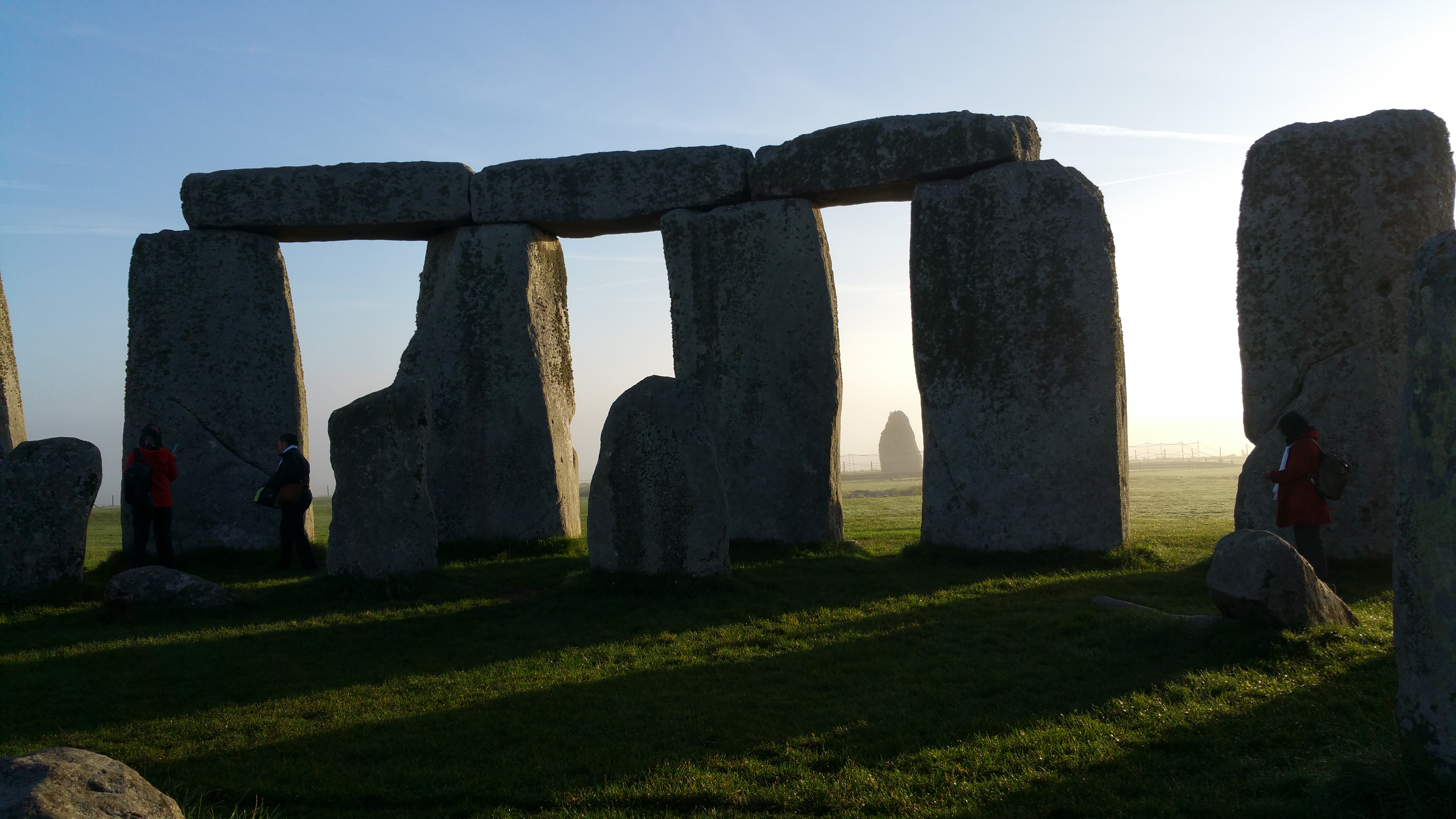
- They believe it was dismantled and rebuilt as the first stage of Stonehenge
- It has an identical diameter to the ditch surrounding Stonehenge, they found
- Waun Mawn is close to the quarries the Stonehenge bluestones were made from
Archaeologists have unearthed Britain’s third largest stone circle in Wales
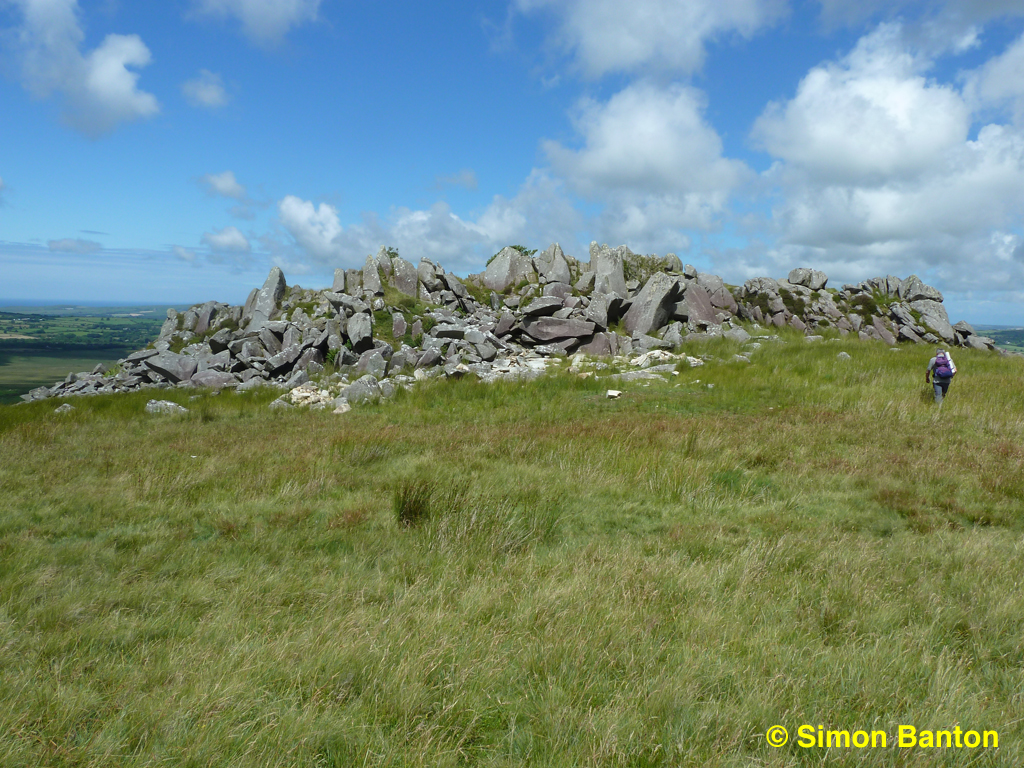
Archaeologists uncovered the remains of the Waun Mawn site in Pembrokeshire’s Preseli Hills.
They believe the stones could have been dismantled and rebuilt 150 miles (240 km) away on Salisbury Plain, Wiltshire.
The discovery was made during filming for BBC Two’s Stonehenge: The Lost Circle Revealed.
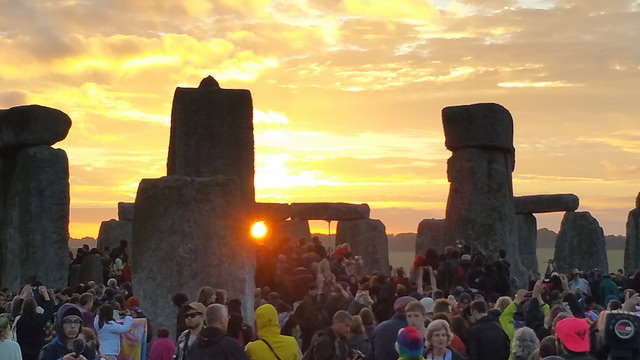
The Welsh circle, believed to be the third biggest in Britain, has a diameter of 360ft (110m), the same as the ditch that encloses Stonehenge, and both are aligned on the midsummer solstice sunrise.
- Solved: Mystery of where Stonehenge’s stones come from
- Stonehenge: First residents from west Wales
- Patrols aim to tackle heritage crime in Wales
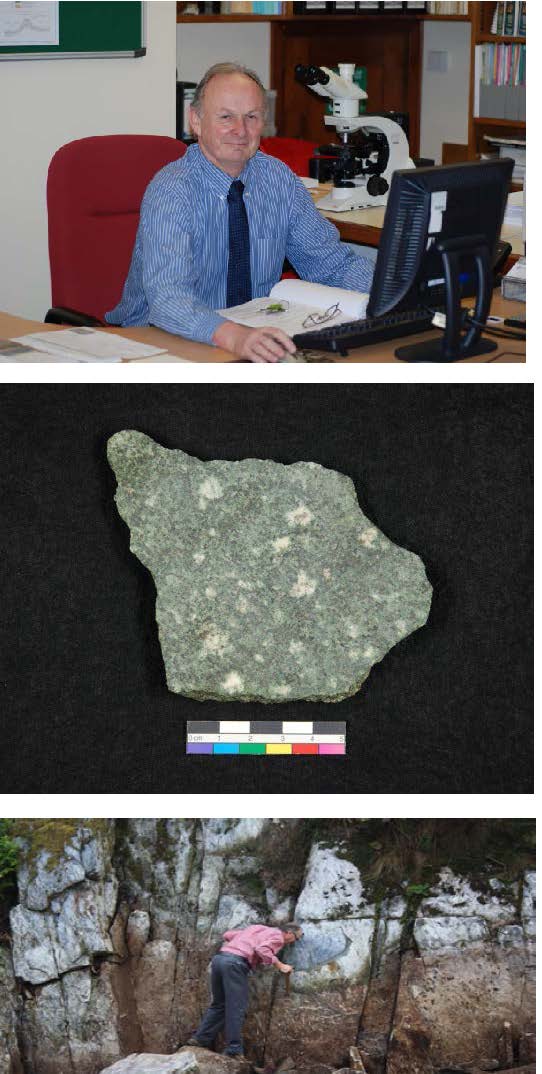
Several of the monoliths at the World Heritage Site are of the same rock type as those that still remain at the Welsh site.
And one of the bluestones at Stonehenge has an unusual cross-section which matches one of the holes left at Waun Mawn, suggesting the monolith began its life as part of the stone circle in the Preseli Hills before being moved.
What is Stonehenge: The Lost Circle Revealed?
During a one-hour documentary, questions about the stones will be answered including – where the stones probably came from, how they were moved from Wales to England and who dragged them all of the way.
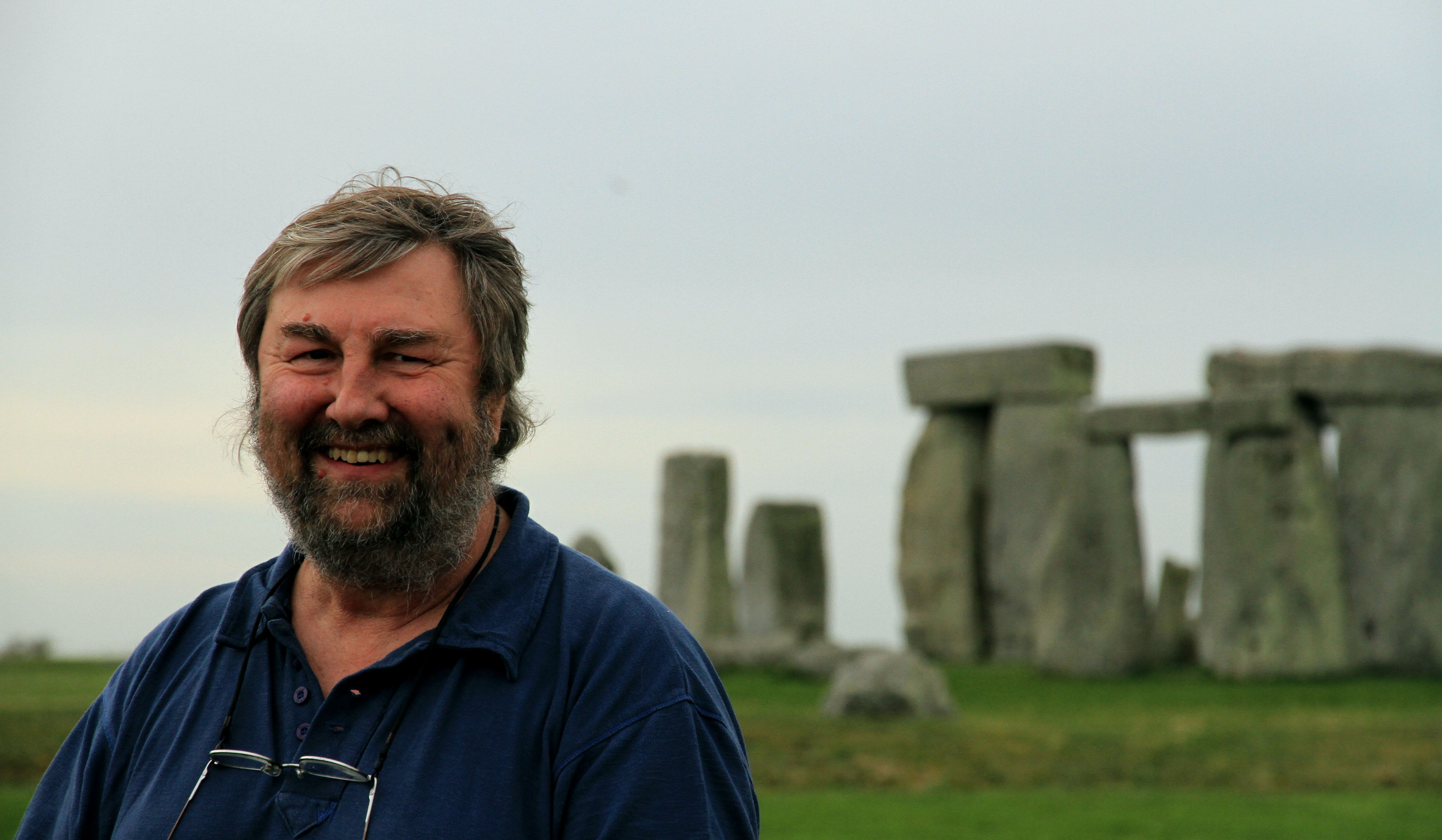
Using cutting-edge research, a dedicated team of archaeologists, led by Professor Mike Parker Pearson, has been compiling evidence to fill in a 400-year gap in our knowledge of the bluestones, and to show that the original stones of one of Britain’s most iconic monuments had a previous life.
Viewers will be able to watch and learn how researchers discovered these secrets of Stonehenge.
LINKS BETWEEN STONEHENGE AND WAUN MAWN
There were significant links between the neolithic sites of Stonehenge and Waun Mawn that led researchers to conclude a link between them.
The Welsh site was likely disassembled, moved to Wiltshire and used in the building of Stonehenge. The Welsh circle has a diameter of 360ft (110m), the same as the ditch that encloses Stonehenge.
Both are aligned on the midsummer solstice sunrise.
Several of the monoliths at the World Heritage Site on Salisbury Plain are of the same rock type as those that still remain at the Welsh site.
And one of the bluestones at Stonehenge has an unusual cross-section which matches one of the holes left at Waun Mawn.
This suggests the monolith began its life as part of the stone circle in the Preseli Hills before being moved.
Stonehenge references:
Stonehenge: Did the stone circle originally stand in Wales? – BBC
Stonehenge and Wales connection revealed in BBC2 Lost Circle – Salisbury Journal
Was Stonehenge originally built in Wales? Archaeologists unearth remains of Britain’s third largest stone circle and claim it was ‘dismantled and MOVED to Wiltshire’ – The Daily Mail
Ancient Welsh circle at Waun Mawn is brother of Stonehenge – The Times
How Stonehenge could have evolved from an earlier Welsh stone circle – The Telegraph
Stonehenge: The Lost Circle Revealed – what you need to know – Salisbury Journal
Guided Tours of Stonehenge with megalitic experts – Stonehenge Guided Tours
Dramatic discovery links Stonehenge to its original site – in Wales – The Guardian
The Stonehenge News Blog
Follow us on Twitter and Facebook for all the latest Stonehenge News
http://www.Stonehenge.News
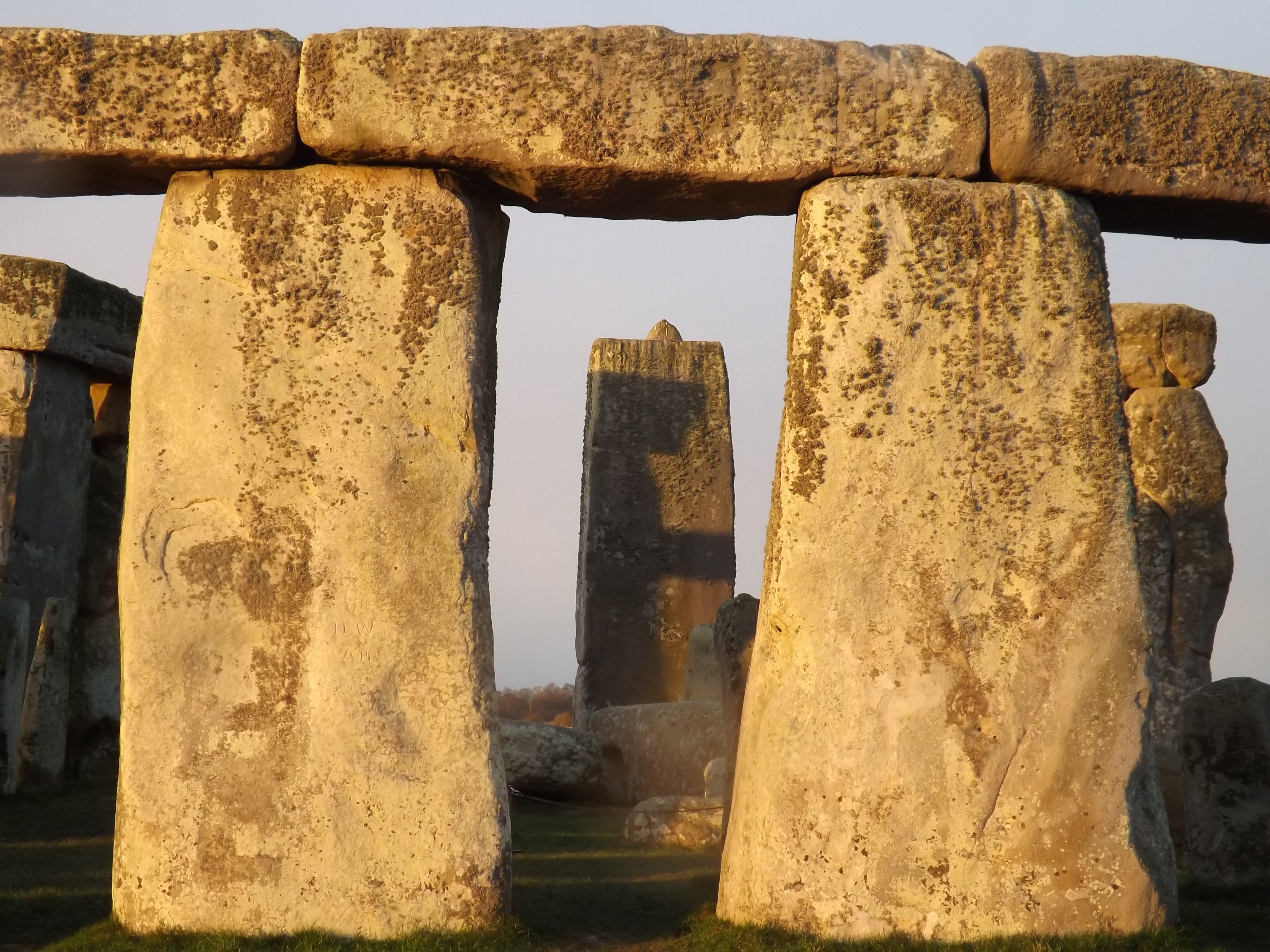
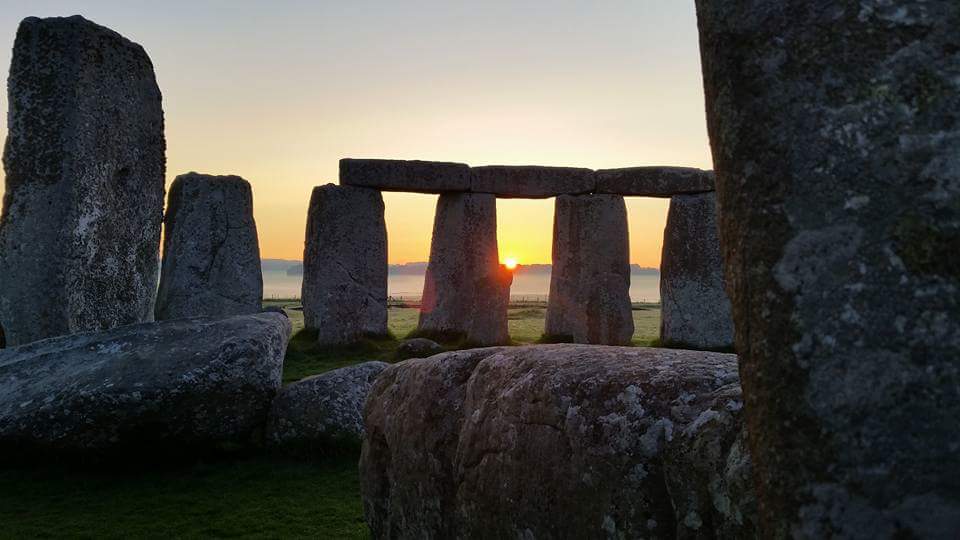
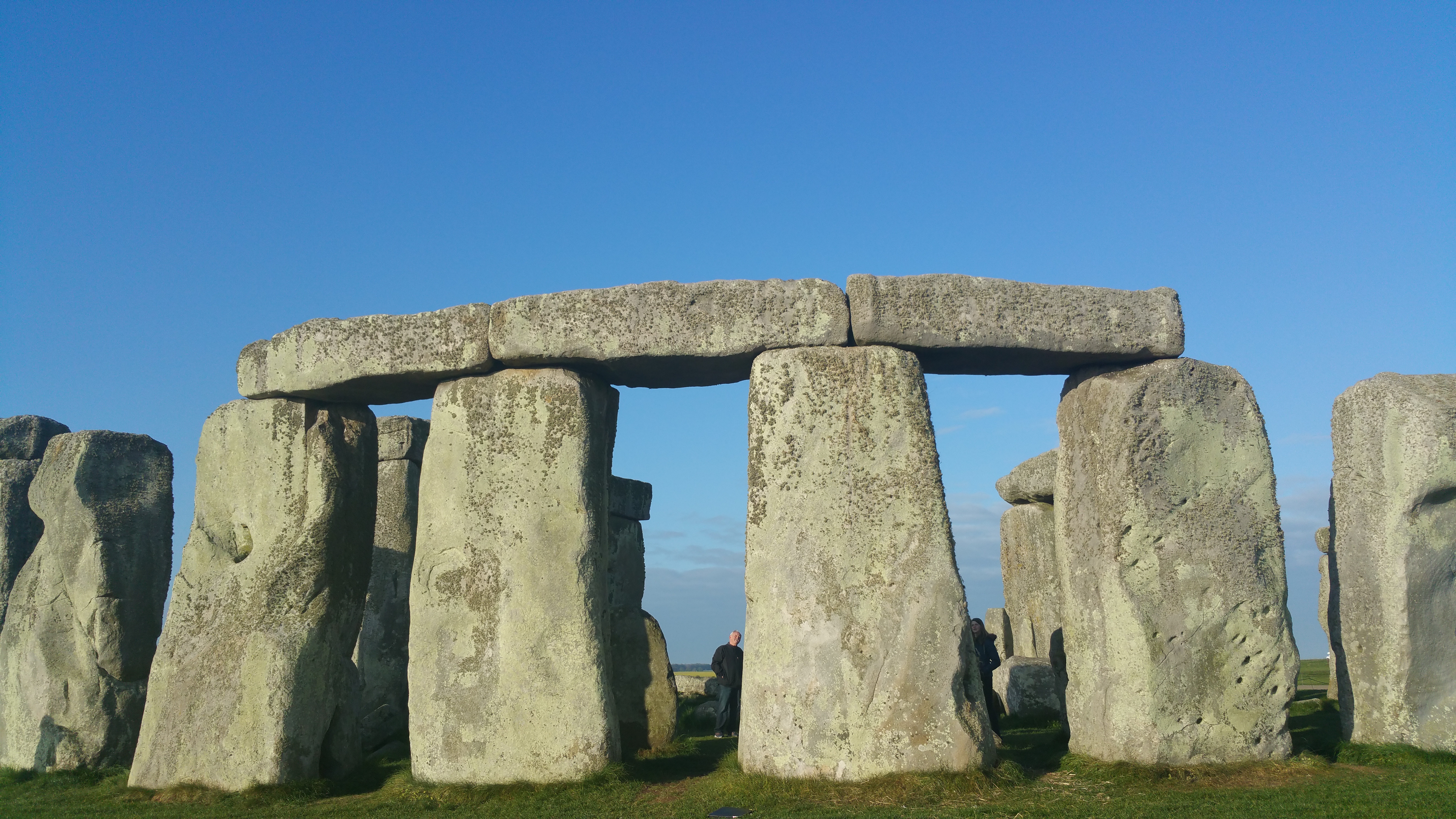
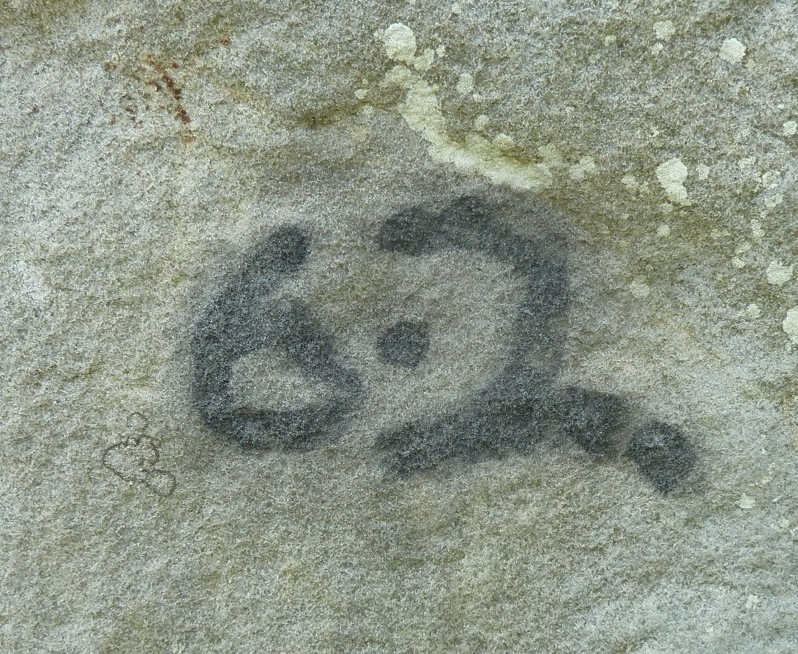
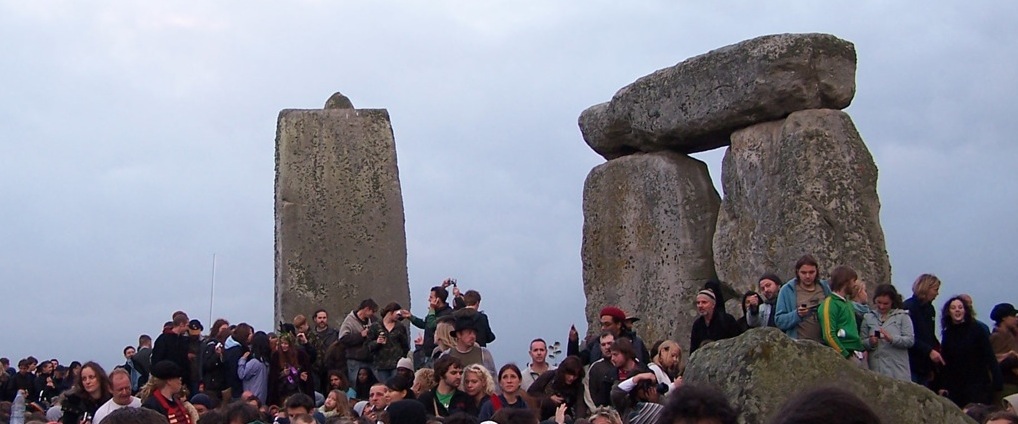
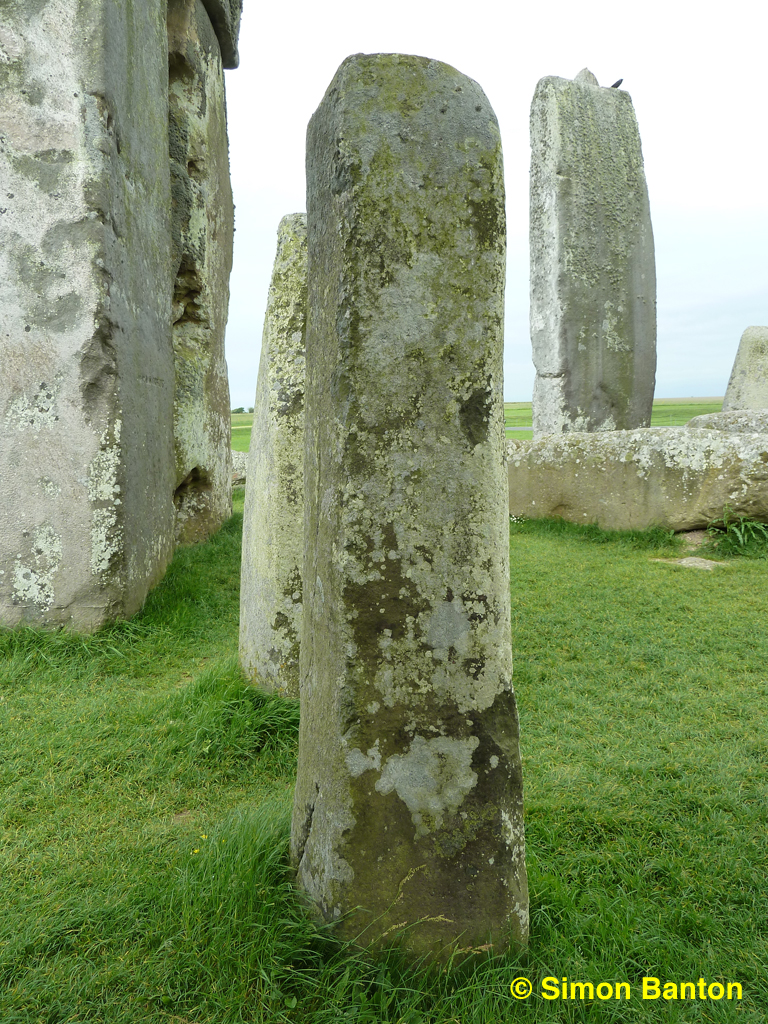 They range in size from stumps barely visible in the turf through to slender pillars standing nearly 2.5m tall (plus another metre or more below gound) with the largest weighing between 2 and 3 tonnes.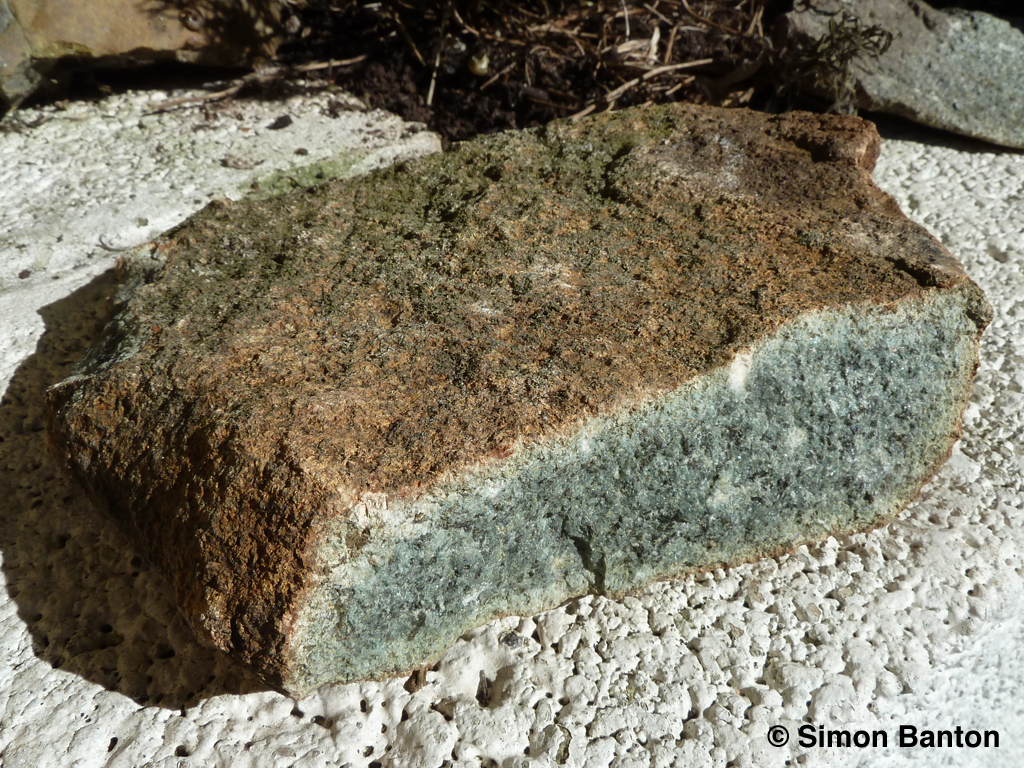
 The question of why anyone would go to the bother of transporting up to 80 rocks from Wales to Wiltshire is unanswerable. It may be that they formed an existing monument that was dismantled as the spoils of war, they might represent the ancestors of a group of people who migrated eastwards or they may even have been a gift from one population to another.
 Was Stonehenge itself actually a ‘secondhand monument’, built from bluestones brought from an earlier monument in west Wales? New advances in scientific methods, both in the field and in the laboratory, are also helping archaeologists find out more about the people who built Stonehenge, how they lived and why they went to such effort to build this remarkable structure.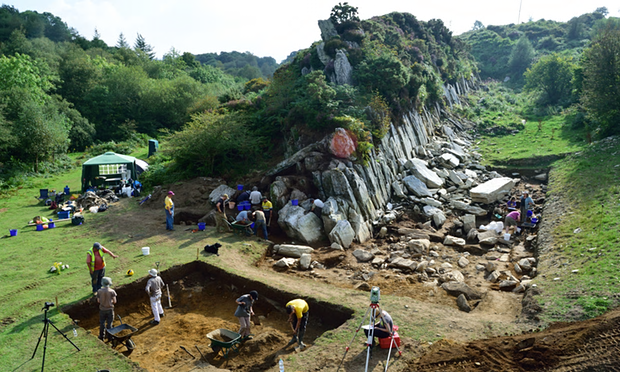





 StonehengeNews
 travelstonehenge

 Stonehenge Stone Circle News and Information