New tests show neolithic pits near Stonehenge were human-made, 16ft craters near Neolithic site that experts wrote off as naturally occurring ‘blobs’ are confirmed as 4,500-year-old holes dug by ancient
Pits, which are around 30 feet across and 16 feet deep, were found in June 2020 Britons after scientists use underground mapping technology They were arranged in a circle shape around the Durrington Walls Henge It is two miles from the more famous Stonehenge on Salisbury Plain, Wiltshire
The previously unknown subterranean ring is 20 times bigger than Stonehenge.
It is said to add to the evidence that early inhabitants of Britain, mainly farming communities, had developed a way to count, tracking hundreds of paces to measure out the pits.
It gives yet another twist to the story of the ancient monument.
Experts now believe that while Stonehenge was positioned in relation to the solstices, the boundary of pits may have had cosmological significance.
The team used groundbreaking technology to scan below the ground to detect where and when it had been disturbed. See relevant links below for full story.
The discovery is explored in a Channel 5 documentary titled Stonehenge: The New Revelations, to be aired on 9 December (9pm).
Relevant Stonehenge Links: New tests show neolithic pits near Stonehenge were human-made – The Guardian Stonehenge pits ARE man-made – The Daily Mail New tests uncover Neolithic secret: ‘It’s one enormous structure’ – The Daily Express Vast neolithic circle of deep shafts found near Stonehenge (June 2020) – The Guardian Guided archaeological Tours of Stonehenge – Stonehenge Guided Tours Visit Durrington Walls and Stonehenge with a local tour guide from Salisbury – The Stonehenge Travel Co.
RESEARCHERS have made the breakthrough discovery that engraved chalk plaques at Stonehenge depict real objects and not only abstract patterns, as was previously thought.
The four chalk plaques were found in Stonehenge’s vicinity between 1968–2017
Experts have said they are among the ‘most spectacular’ British engraved chalks
The surface of the plaques was mapped by Wessex Archaeology researchers
One of the plaques contains a representation of a twisted cord, from real life
Engraved chalk plaques from the Late Neolithic found in the Stonehenge area depict real objects — not only abstract patterns, as previously thought — a study has found.
Considered among the most spectacular examples of Prehistoric British engraved chalk, the four plaques were found within three miles of each other from 1968–2017.
Two of the stones, for example, were recovered from the so-called ‘Chalk Plaque Pit’ as a product of the construction work to widen the A303 back in 1968.
The subject of extensive study, the decorated stones have now been scanned using a special texture mapping technique by experts from Wessex Archaeology.
The imaging has revealed previously unseen elements in the artworks — most of which appear to be geometric designs — which exhibit a range of artistic abilities.
Specifically, the archaeologists said, the engravings on the chalk plaques demonstrate deliberate, staged composition, execution and detail.
And one of the carvings on ‘plaque 1’ from the chalk pit, in particular, appears to be a representation of a twisted cord — an object likely known to the artist in life.
The team believe the plaques’ art styles may have been integrated into elements of Middle Neolithic culture, forming a ‘golden age’ of chalk art in the Late Neolithic
Engraved chalk plaques from the Late Neolithic found in the Stonehenge area depict real objects — not only abstract patterns, as previously thought — a study has found. Plaques 1 and 2 (Image: Wessex Archaeology )
‘The application of modern technology to ancient artefacts has allowed us not only a better understanding of the working methods of the Neolithic artists,’ began paper author Matt Leivers, also of Wessex Archaeology.
‘But also a rare glimpse into their motivations and mindsets,’ he concluded.
Stonehenge relevant links: Unravelling the mystery of Stonehenge’s chalk plaques – DAILY MAIL Innovative technology sheds new light on Prehistoric chalk plaques from Stonehenge – WESSEX ARCHAELOGY Guided Tours of Stonehenge with megalithic experts – STONEHENGE GUIDED TOURS Stonehenge breakthrough as ‘revolutionary technology’ exposes ‘previously unseen features’ – DAILY EXPRESS Stonehenge Plaques Hold Secret Cultural Data, Says New Study – ANCIENT ORIGINS The local Stonehenge touring experts based in Salisbury – THE STONEHENGE TRAVEL COMPANY Stonehenge Chalk Plaques – SILENT EARTH
A decade-long archaeological quest reveals that the oldest stones of Stonehenge originally belonged to a much earlier sacred site: a stone circle built on a rugged, remote hillside in West Wales. Using the latest tools of geotechnology, a dedicated team of archaeologists led by Professor Mike Parker Pearson (University College London) painstakingly searched for the evidence that would fill in a 400-year gap in our knowledge of the site’s bluestones. Secrets of the Dead reveals the original stones of Europe’s most iconic Neolithic monument had a previous life before they were moved almost 155 miles from Wales to Salisbury Plain.
The episode will be available to UK audiences via PBS America. PBS America is the British television channel from America’s Public Broadcasting Service, available 24 hours a day on Freeview 84, Freesat 155, Virgin Media 273, Sky 174, Samsung TV Plus and on-demand with the Amazon UK channel.
Stonehenge references: Stonehenge: Did the stone circle originally stand in Wales? – BBC Stonehenge and Wales connection revealed in BBC2 Lost Circle – Salisbury Journal Was Stonehenge originally built in Wales? Archaeologists unearth remains of Britain’s third largest stone circle and claim it was ‘dismantled and MOVED to Wiltshire’ – The Daily Mail Ancient Welsh circle at Waun Mawn is brother of Stonehenge – The Times How Stonehenge could have evolved from an earlier Welsh stone circle – The Telegraph Stonehenge: The Lost Circle Revealed – what you need to know – Salisbury Journal Guided Tours of Stonehenge with megalithic experts – Stonehenge Guided Tours Stonehenge: Find backs theory that monument was dismantled and dragged over 140 miles to Wiltshire. – The Stonehenge News Blog Dramatic discovery links Stonehenge to its original site – in Wales – The Guardian
How to Build Stonehenge by Mike Pitts. Draws on a lifetime’s study and a decade of new research to address the first question that every visitor asks: how was Stonehenge built?
How to Build Stonehenge comes out on February 17 2022. Published by Thames & Hudson, it has lots of illustrations (including new photos and diagrams by me) and is the first book to focus exclusively and comprehensively on this theme, since… the nearest equivalent I know is Herbert Stone’s The Stones of Stonehenge, published in 1924. I conceived it as a light, lockdown project (a short book with no illustrations, it’ll be done in three months, I assured my family) but once I began I got sucked in; there was a lot to say: to a lay readership, I suspect, most of it is new. I’m very excited about it.
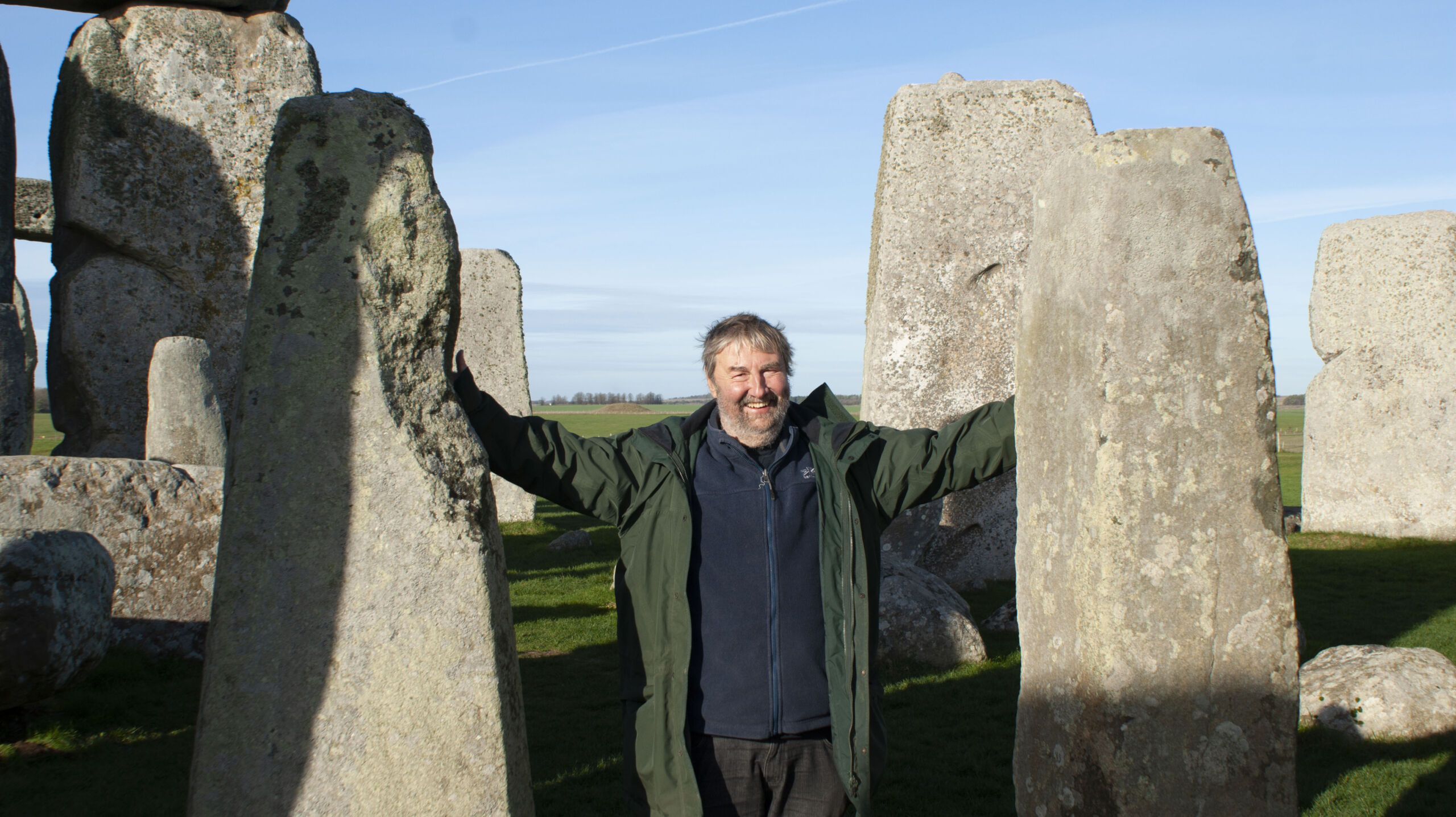
When it was finished I put a Stonehenge photo in my Twitter profile, and now I’m changing it every week. Here they are with their stories, the most recent at the top – all photos taken by me.
Visitors headed to famous 5,000-year-old site in Wiltshire to see the sun rise this morning
Autumn equinox is one of four public annual events when people can get so close to stones
Hundreds of attendees sang and wore variety of extravagant outfits as onlookers watched on
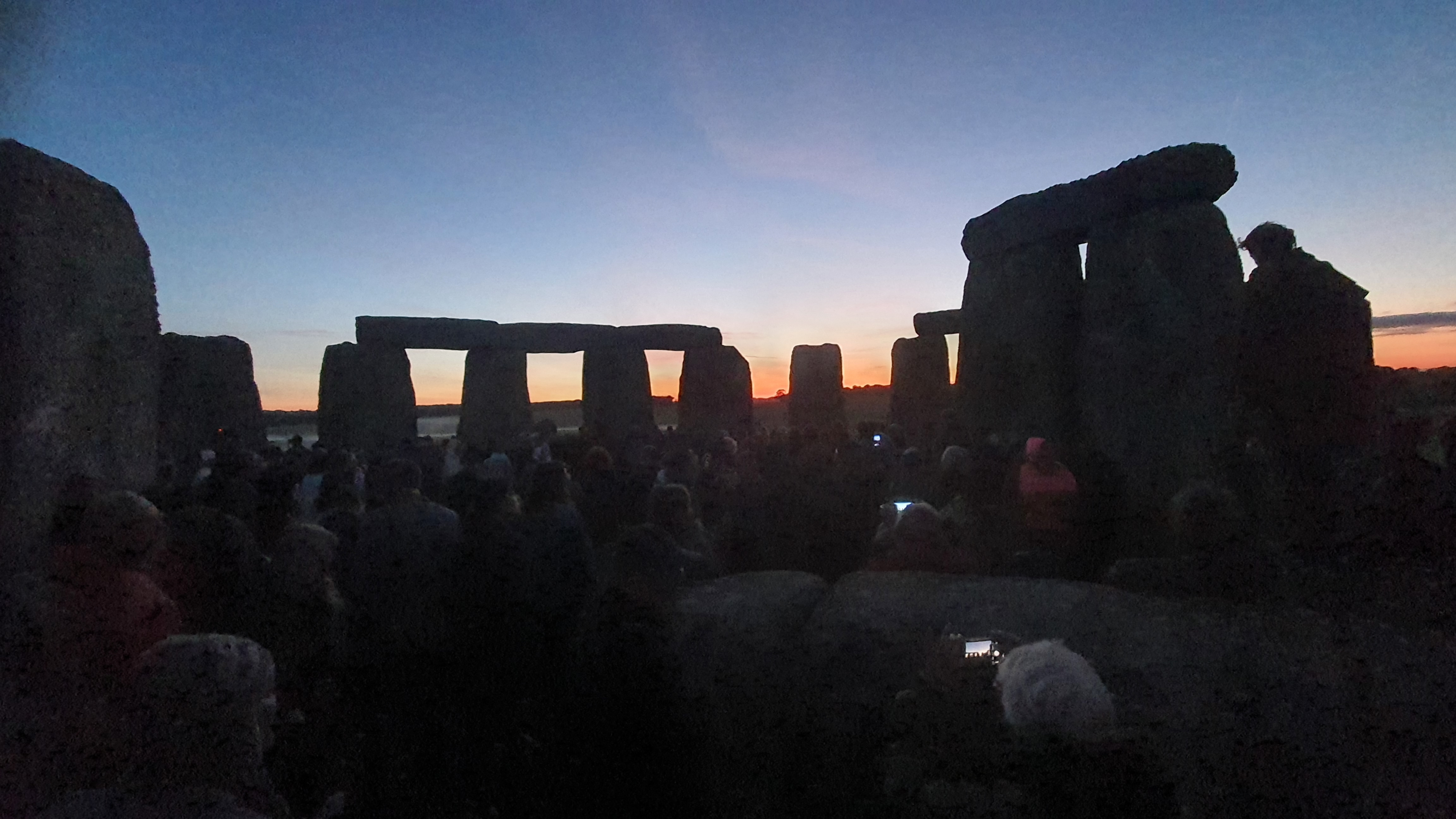
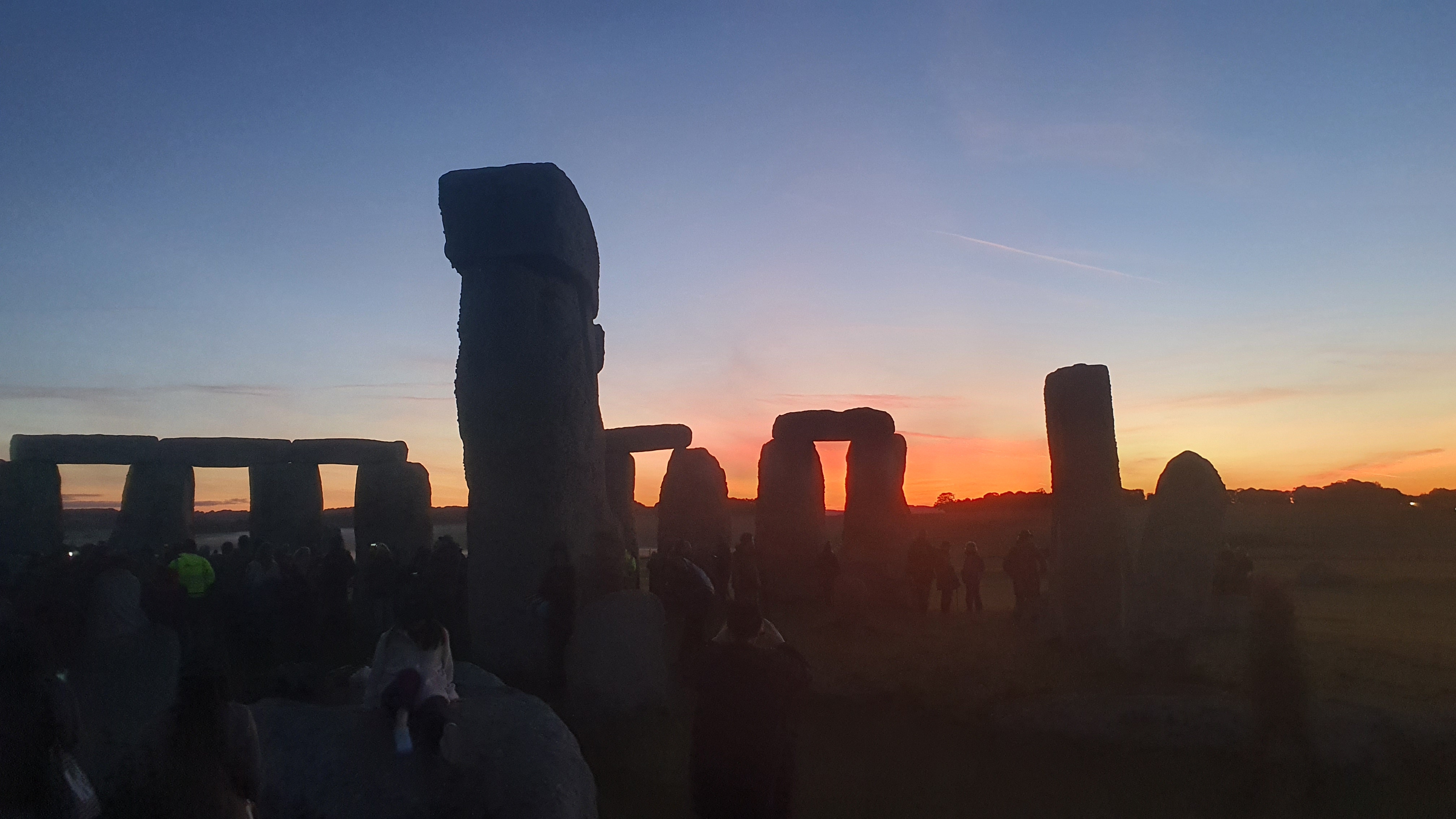
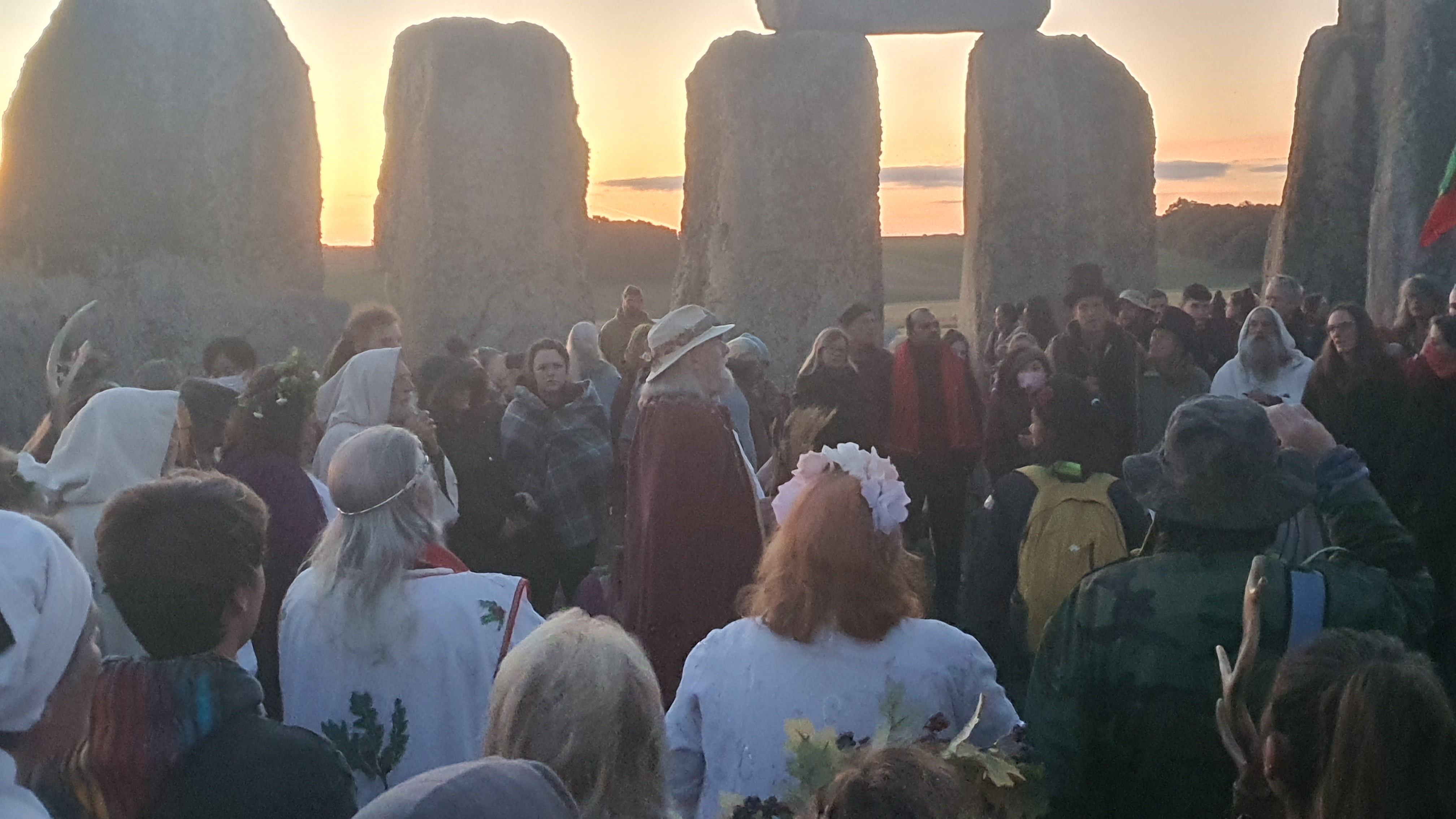
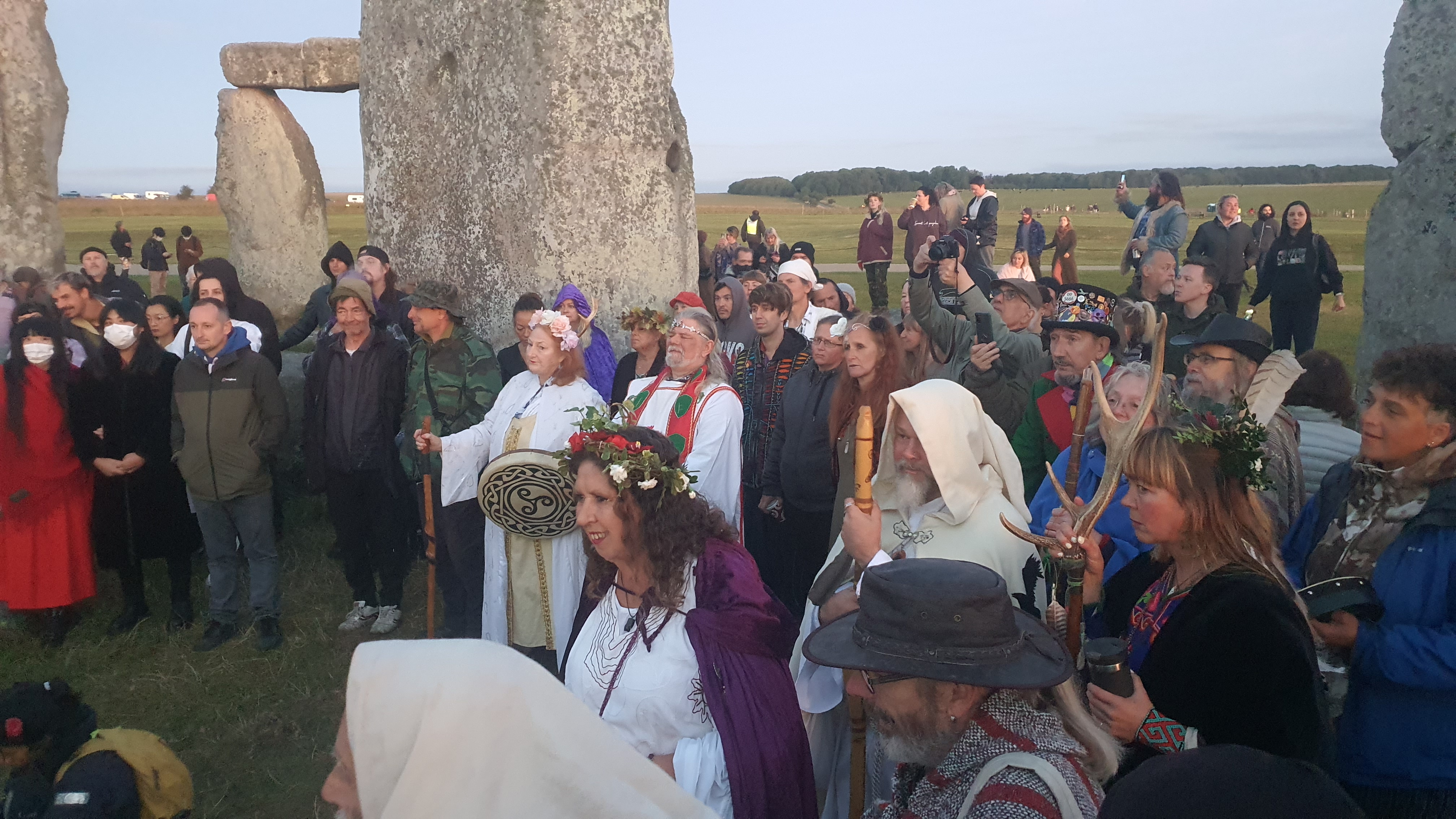
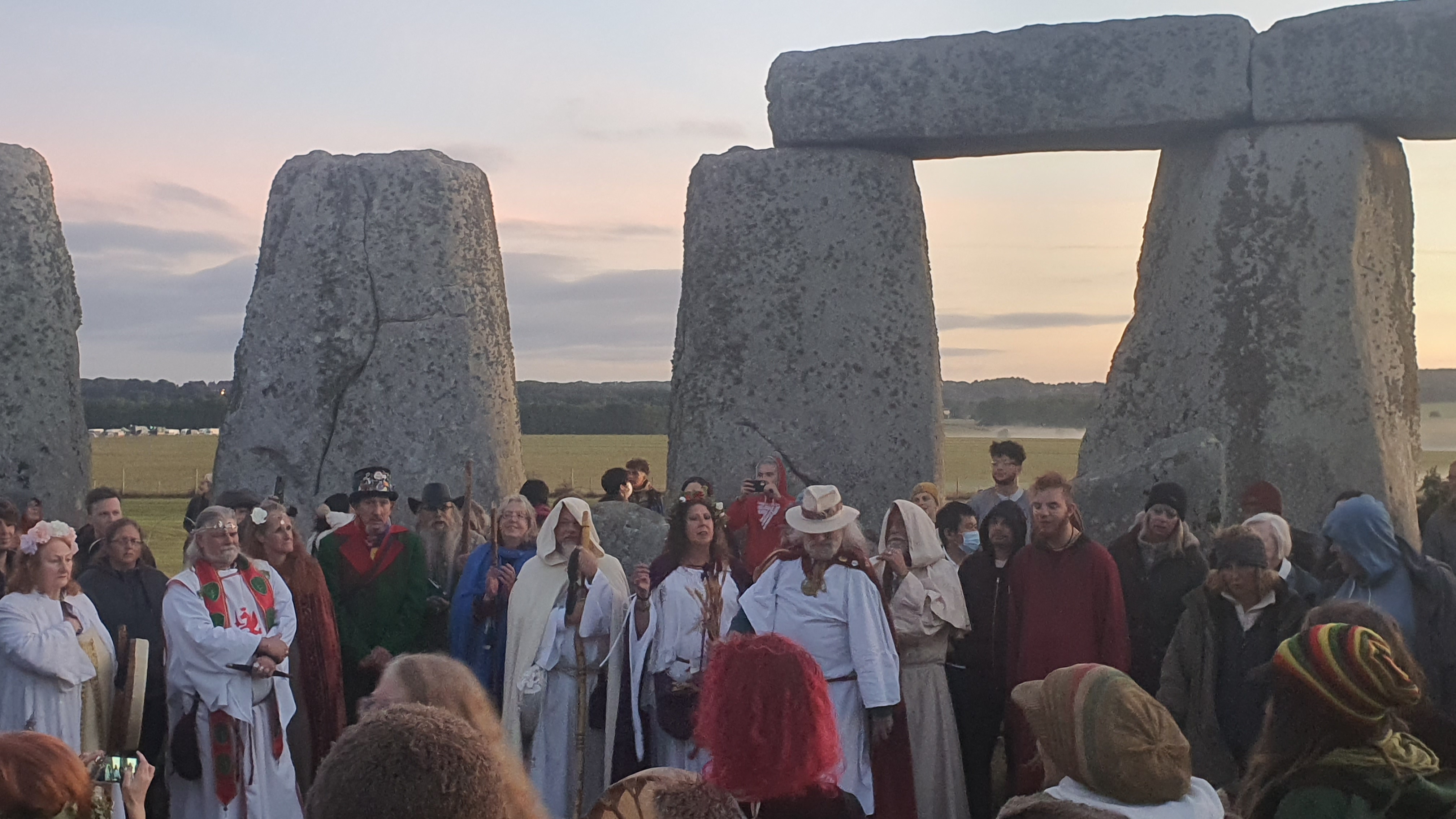
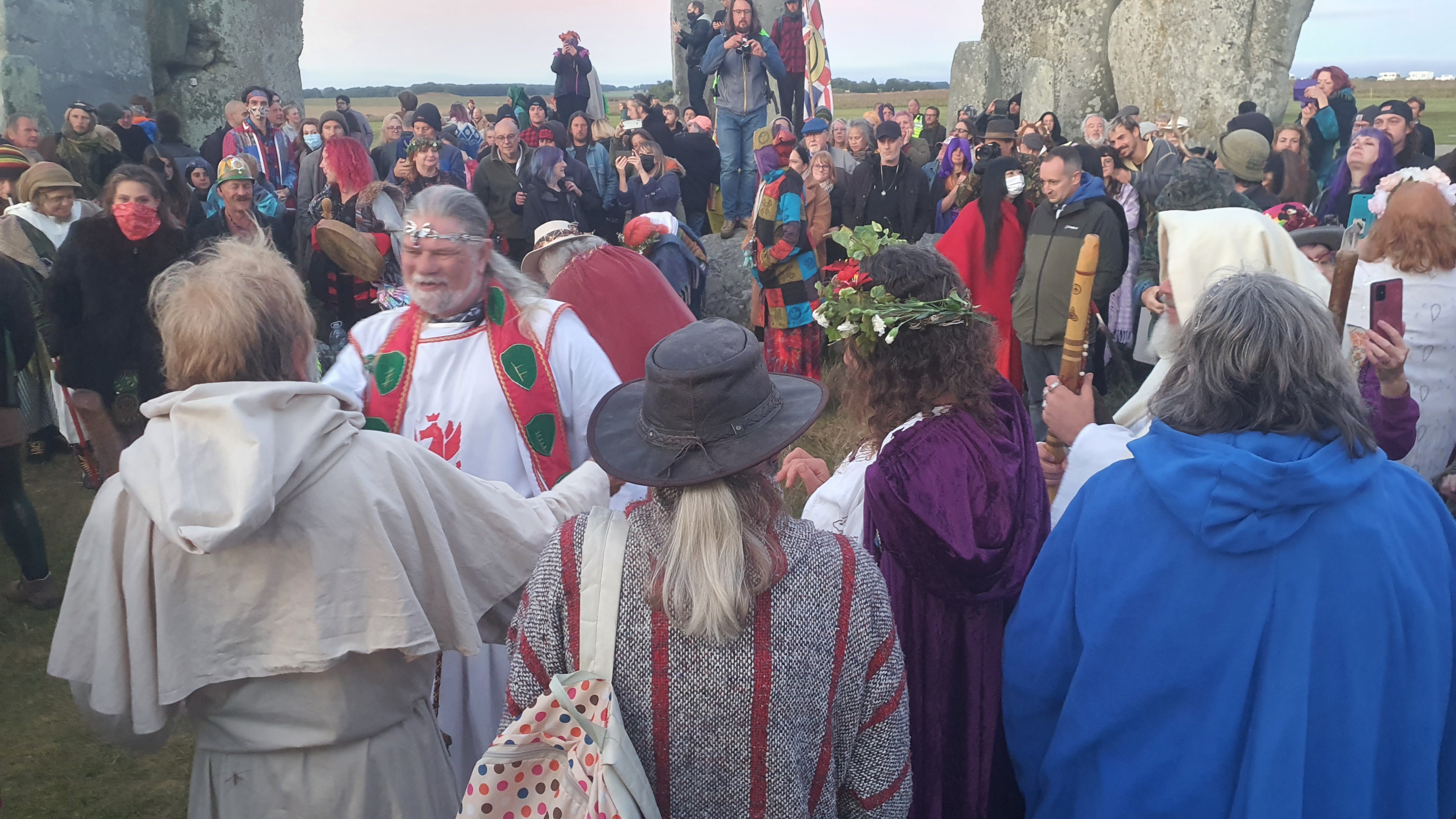
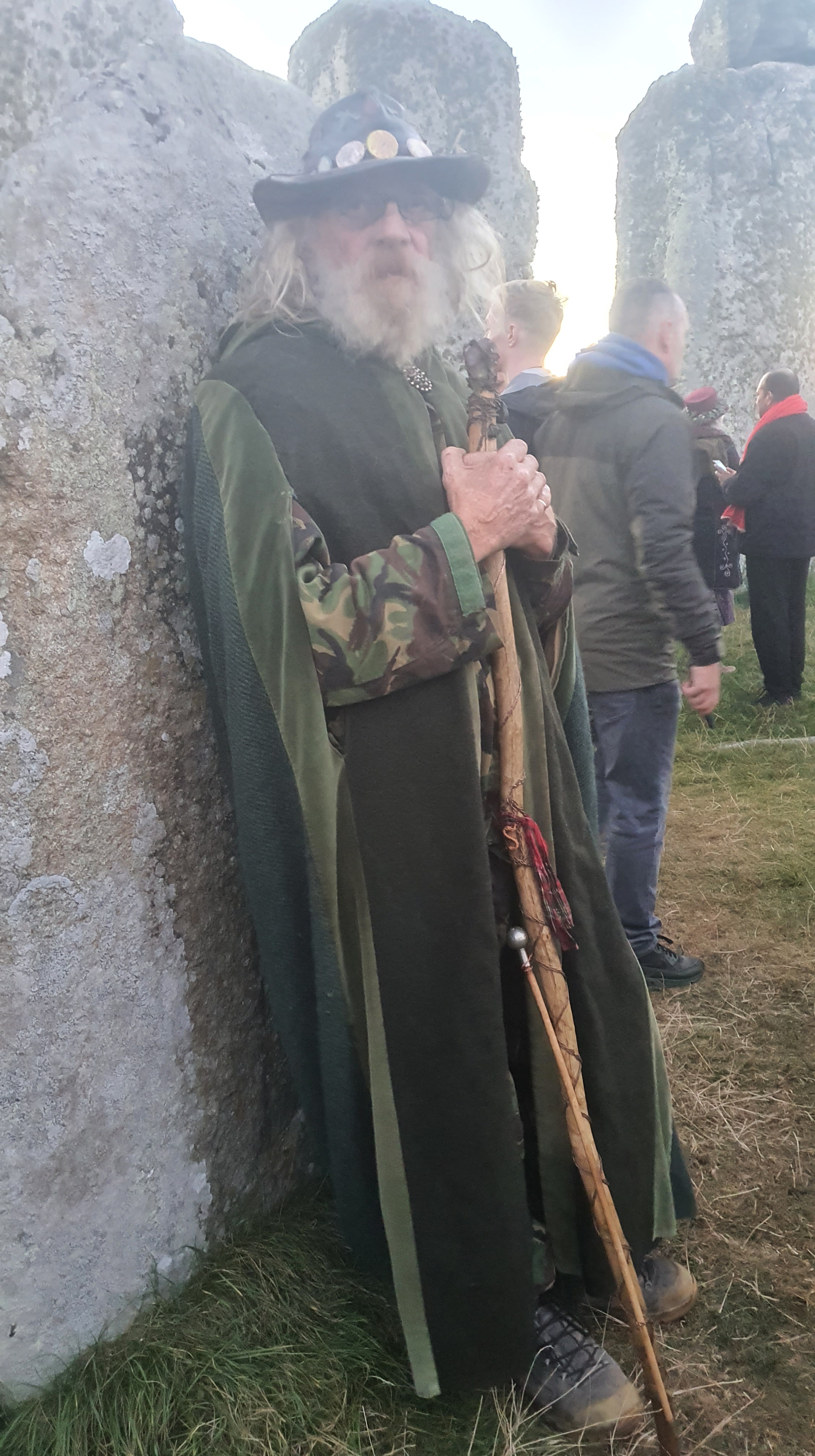
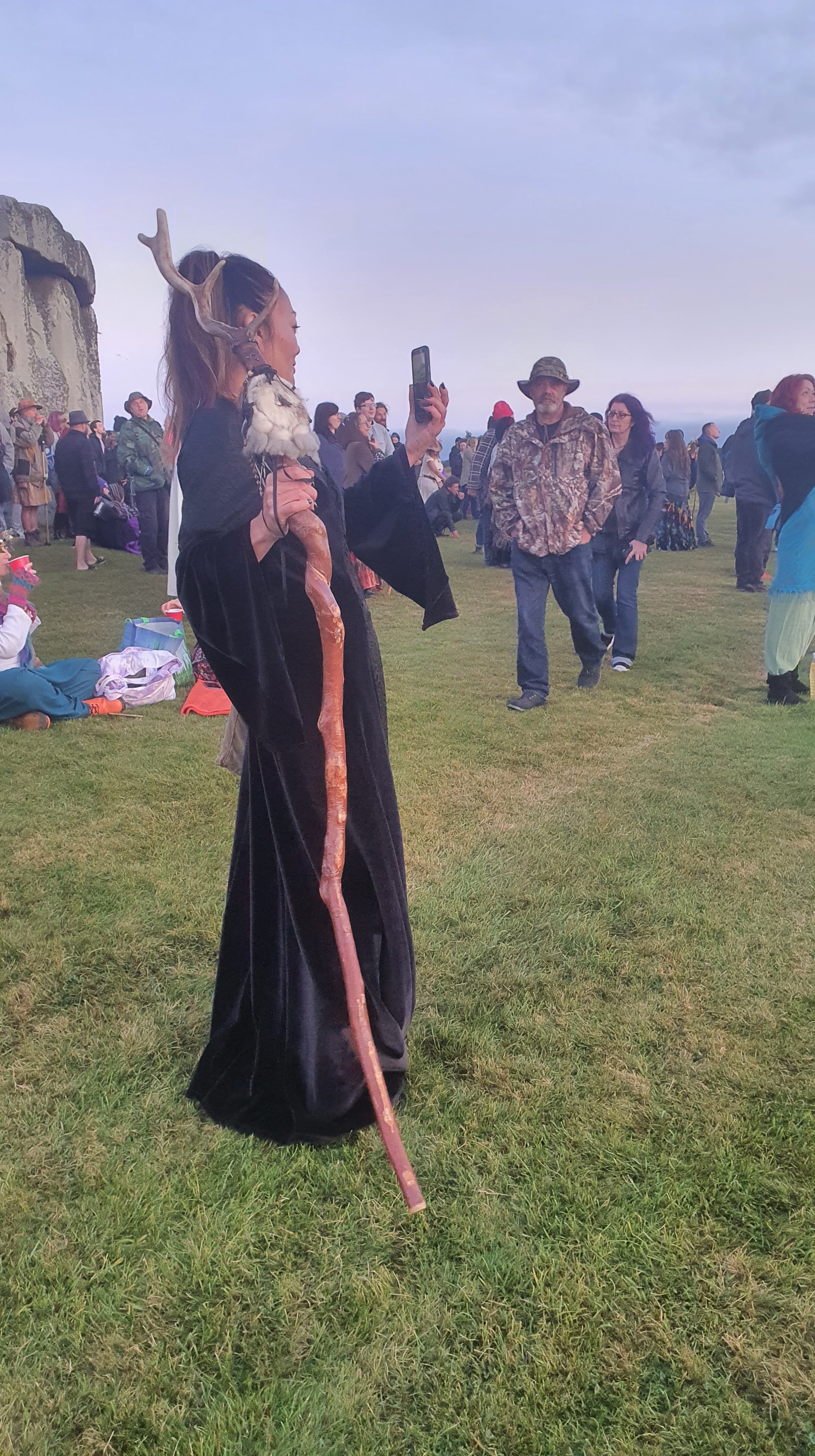
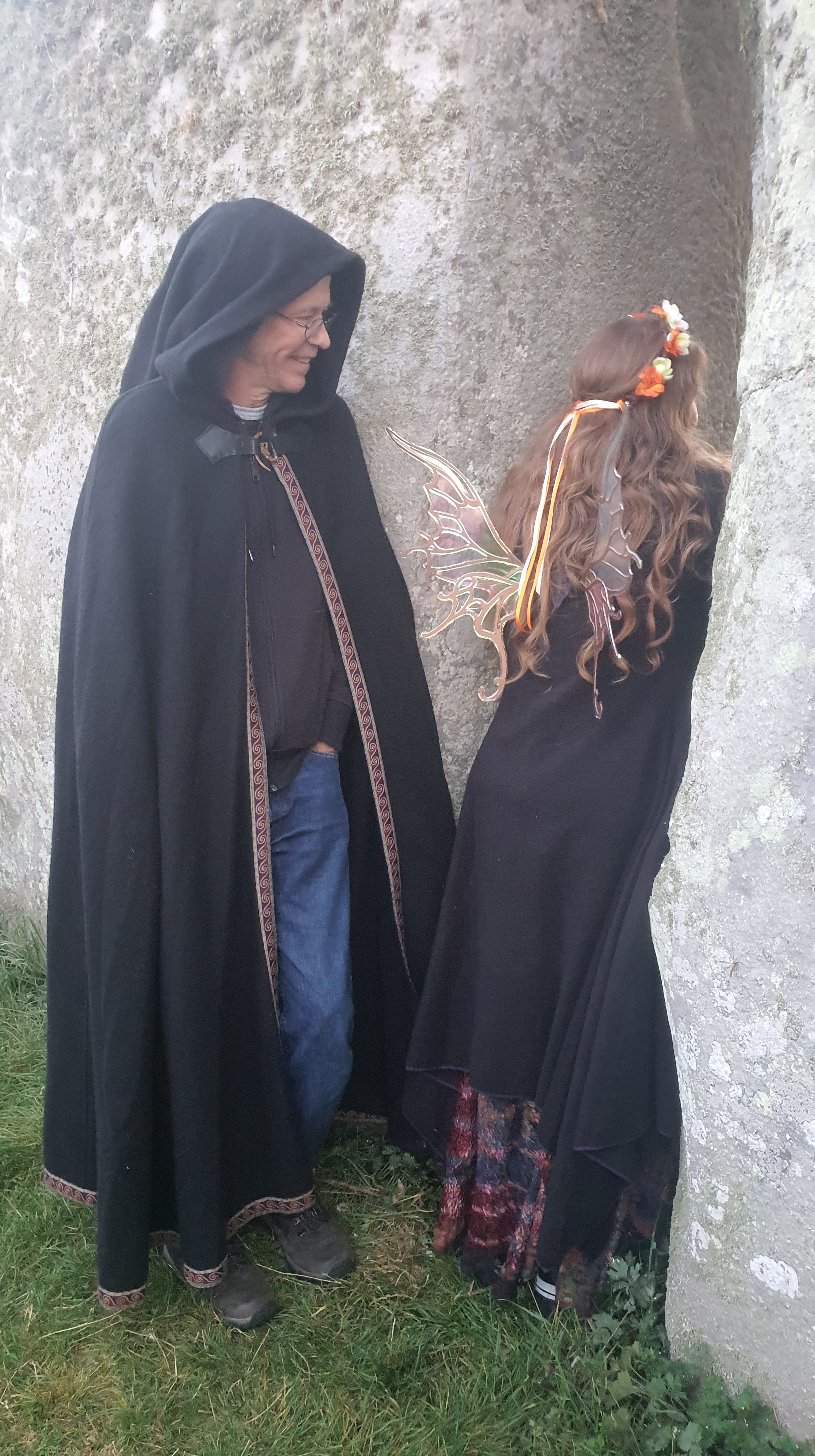
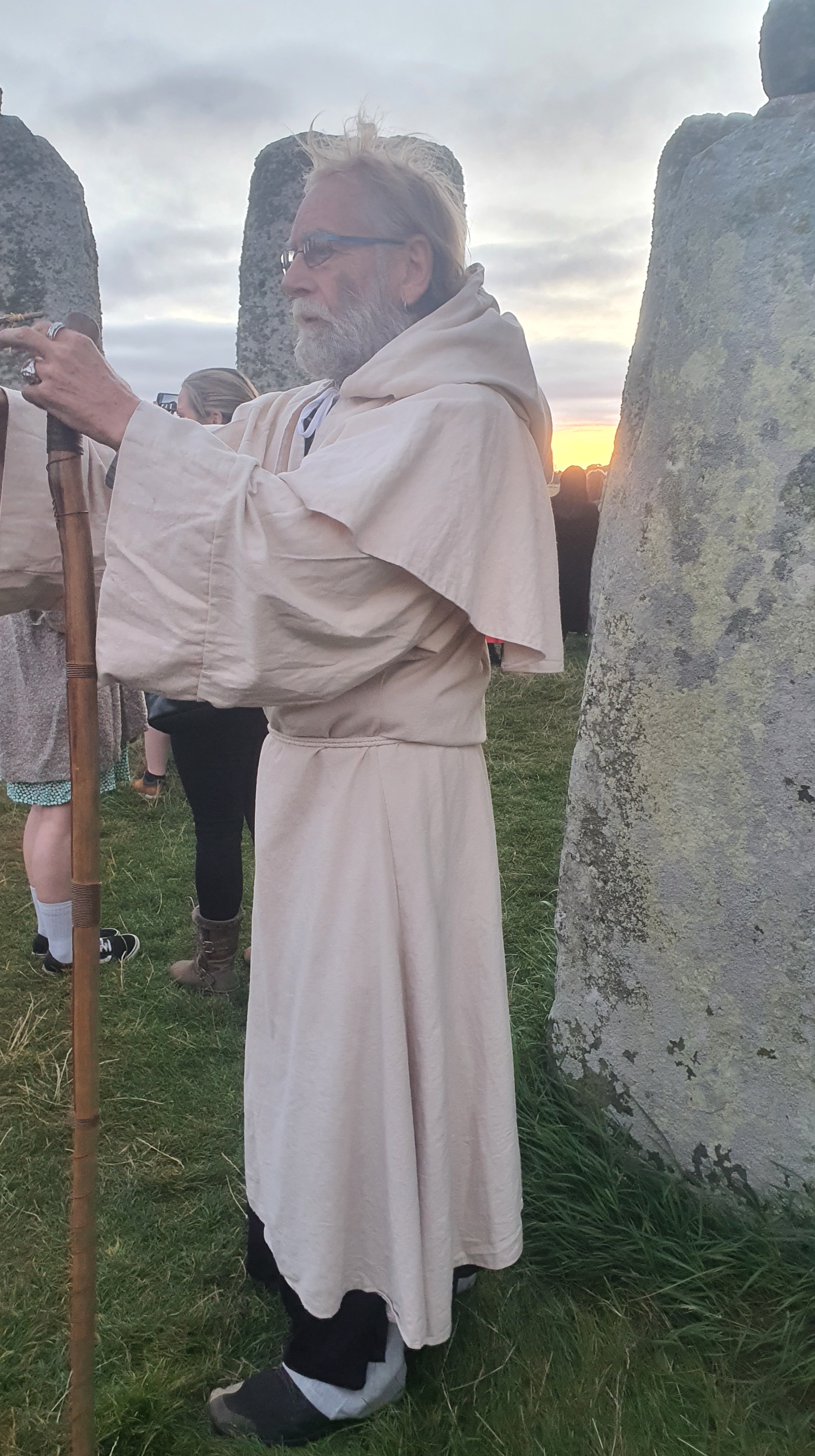
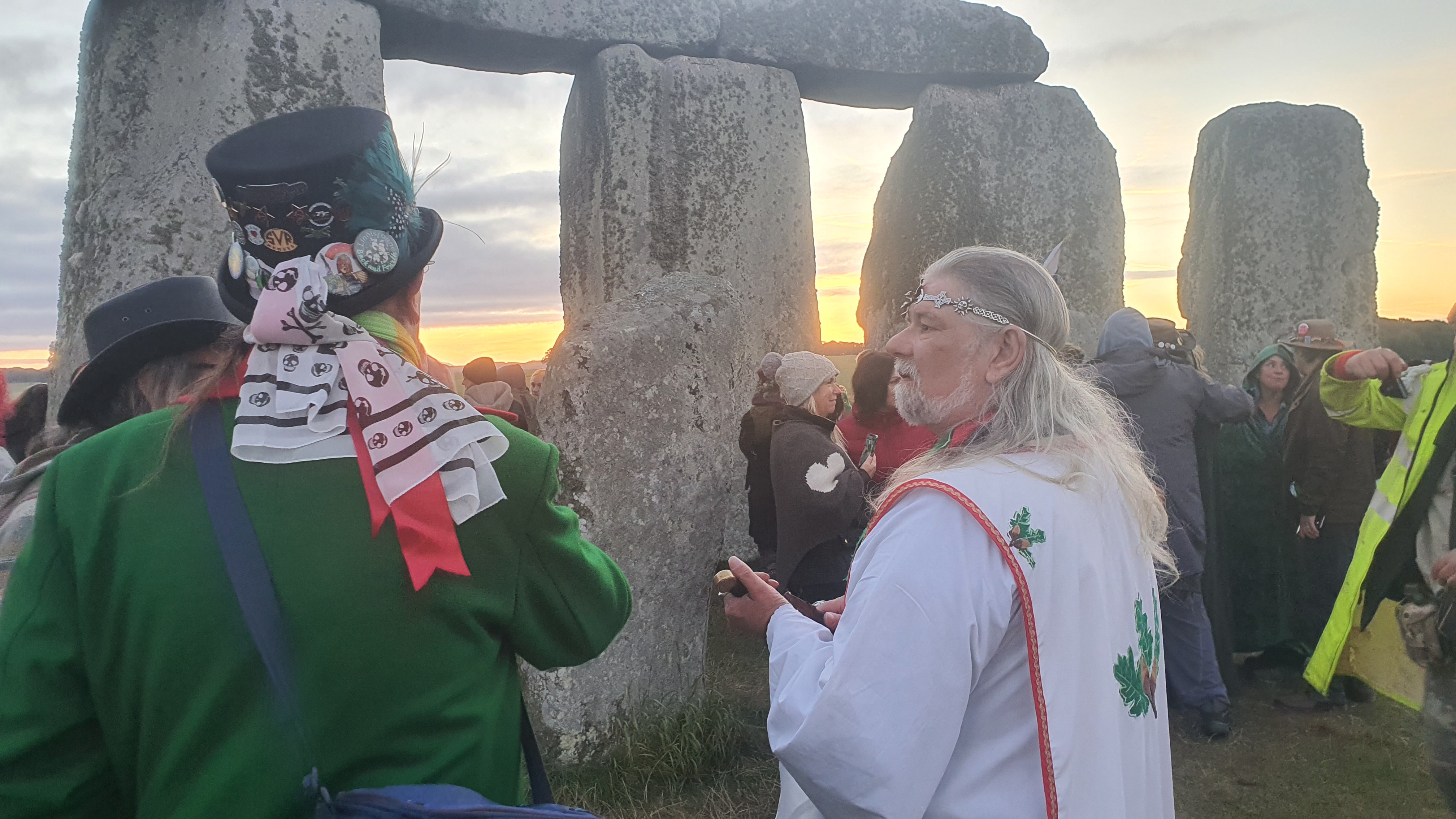
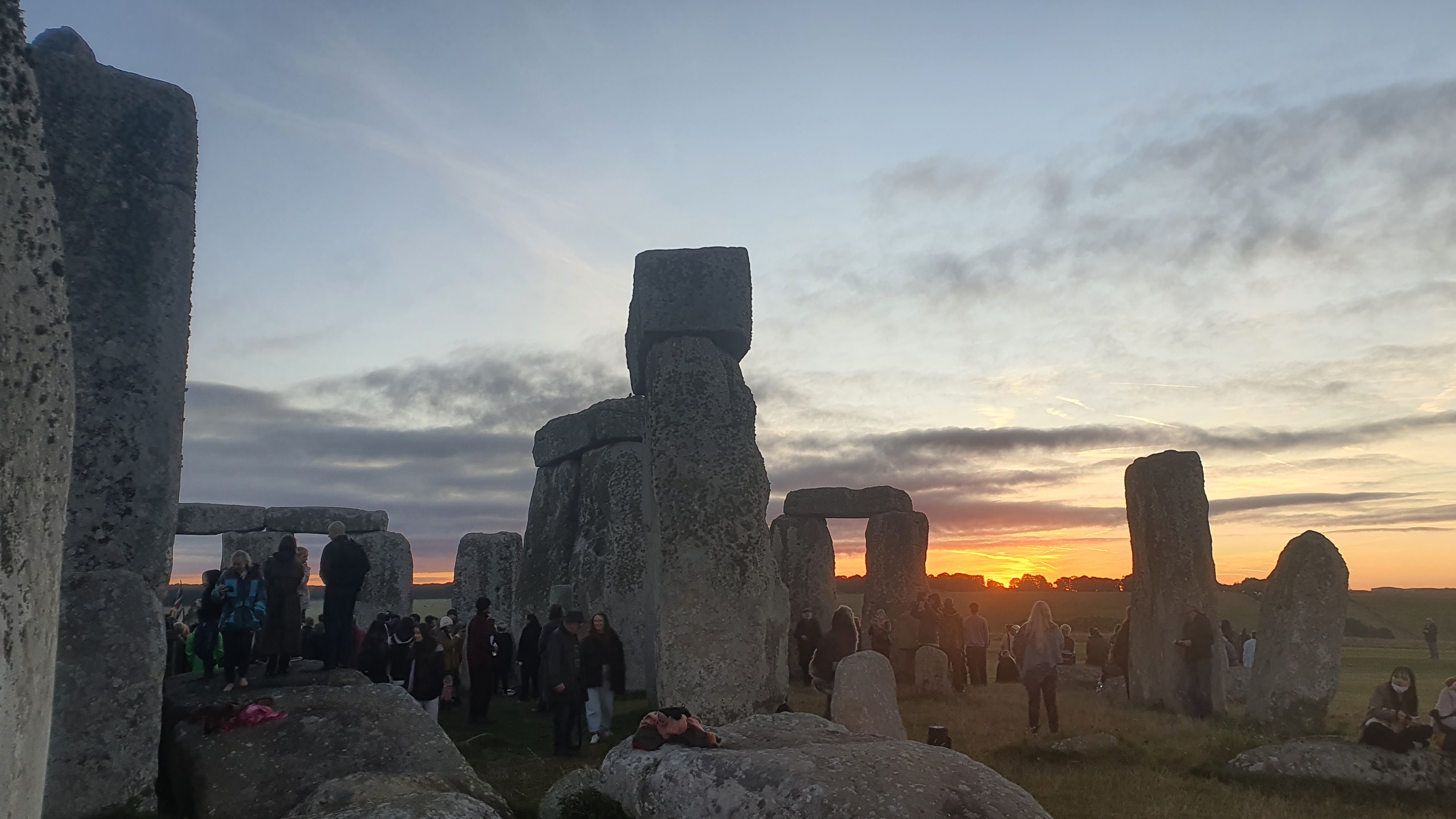
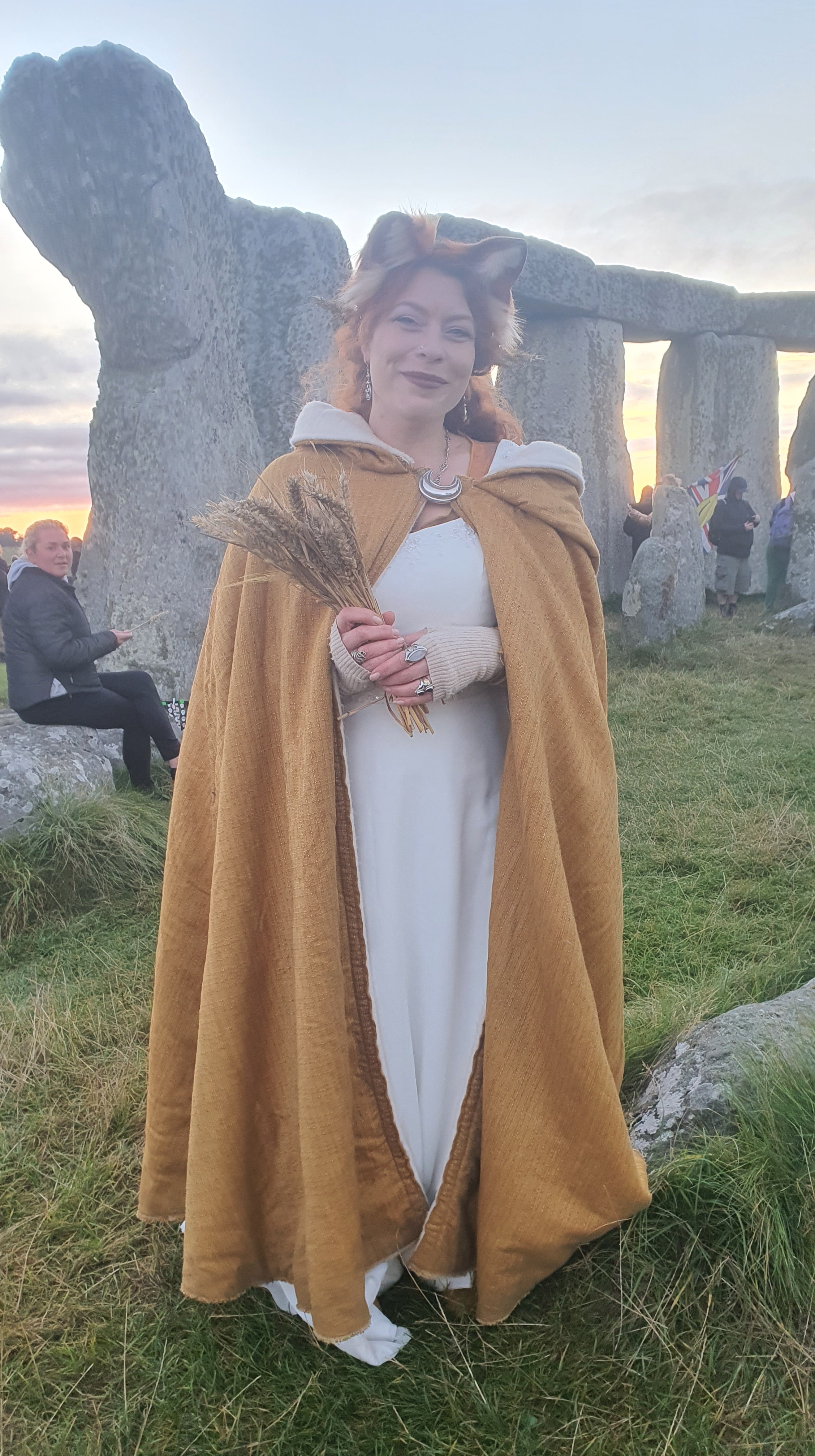
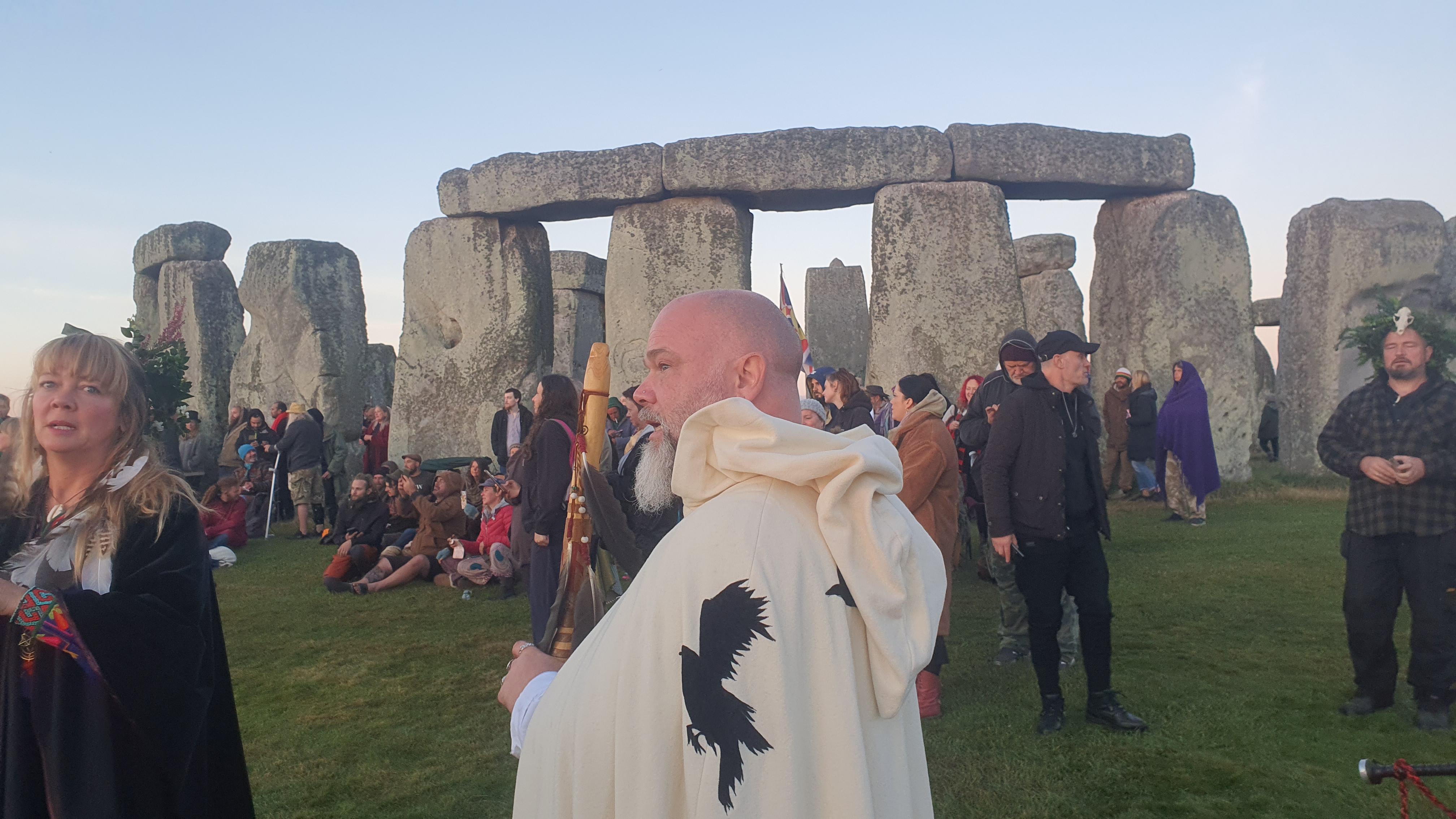
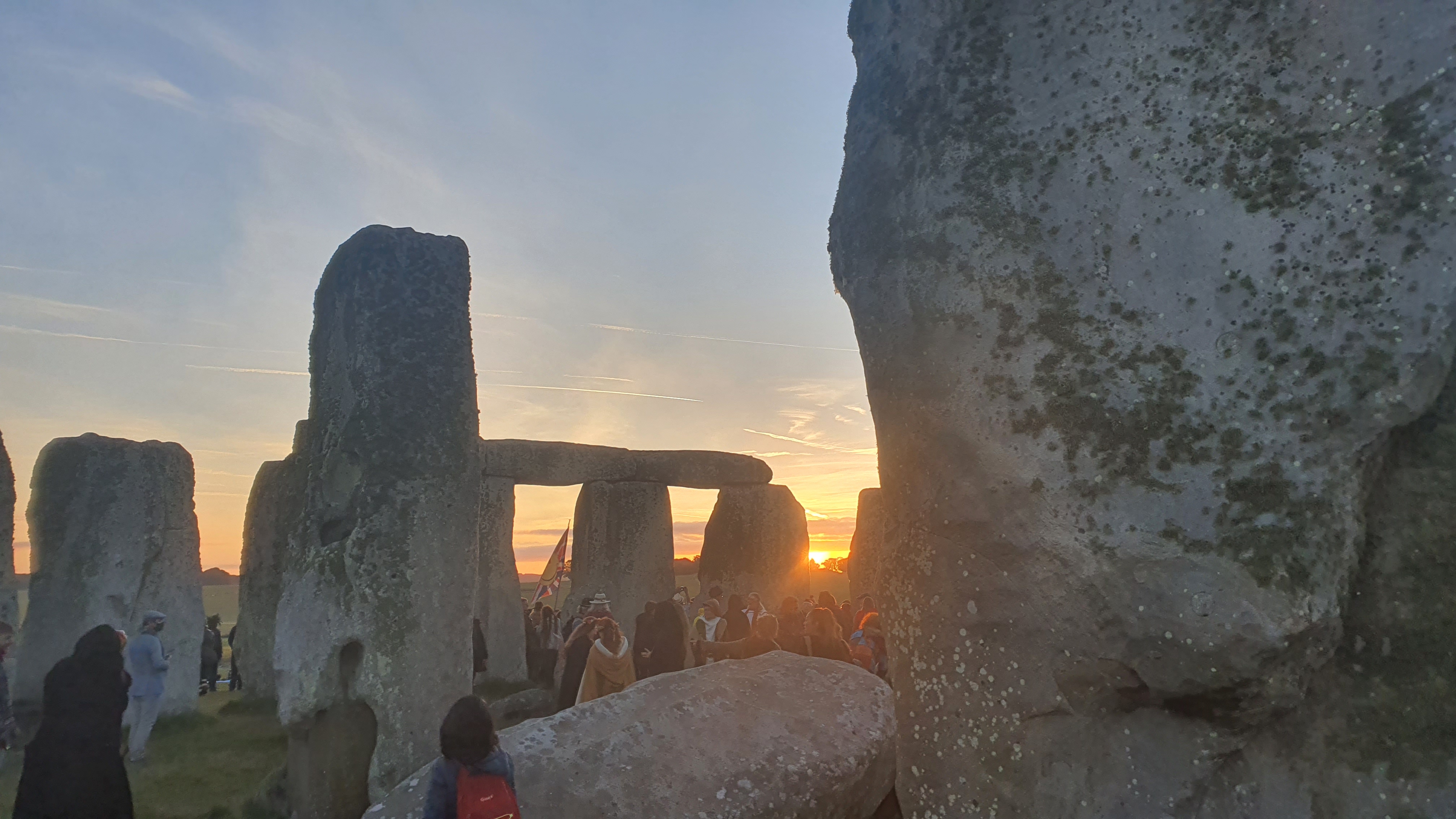
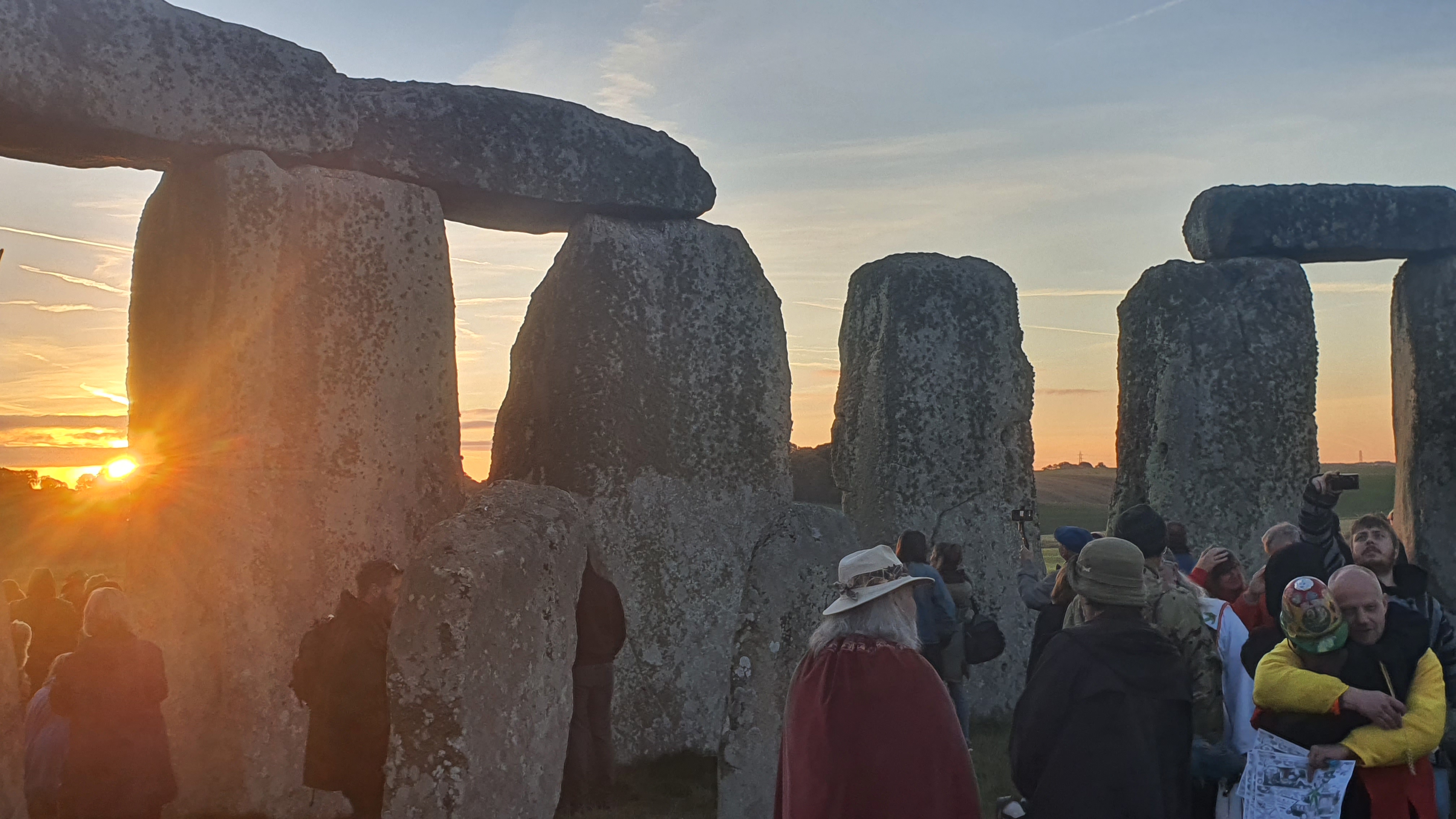
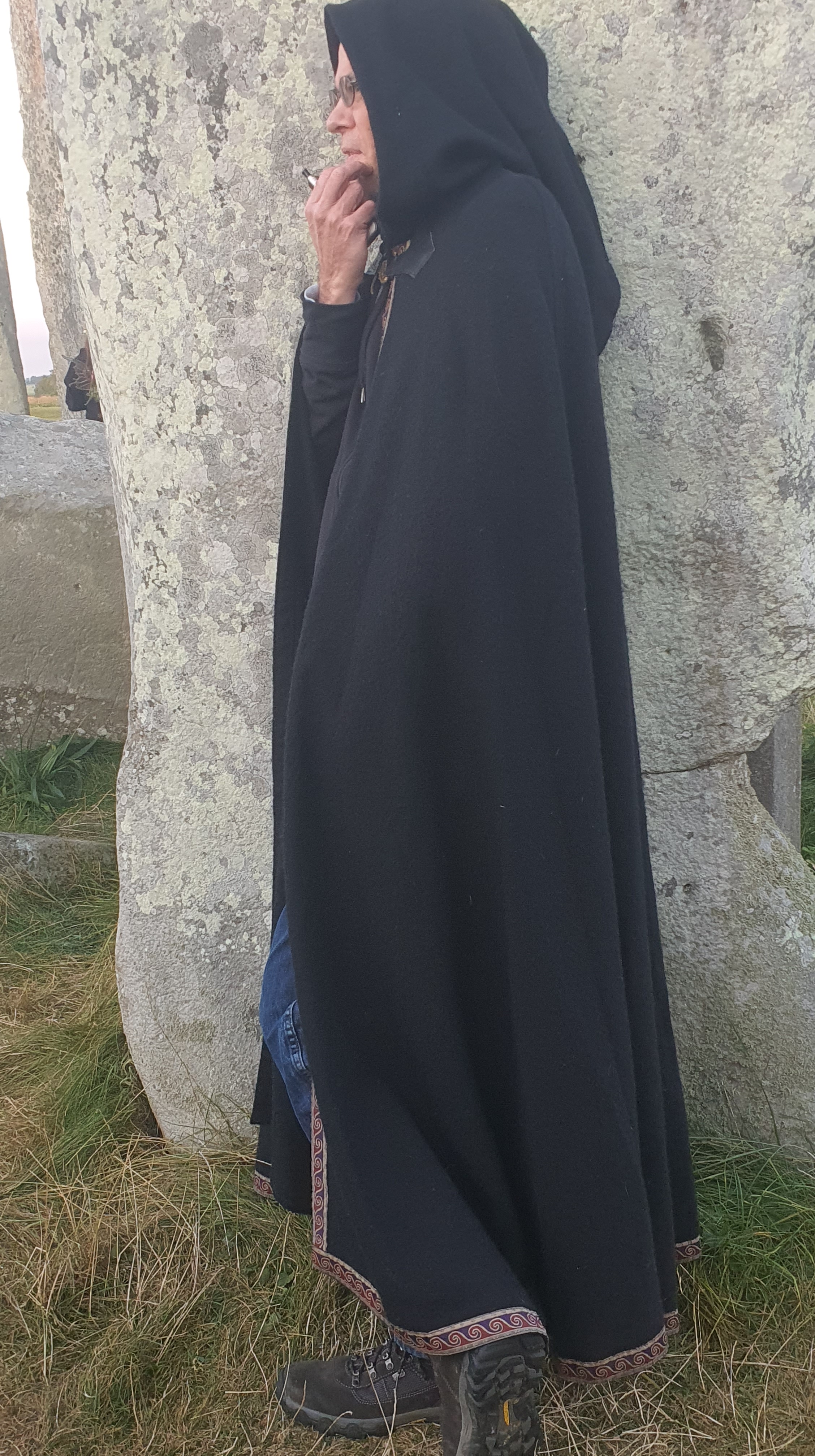
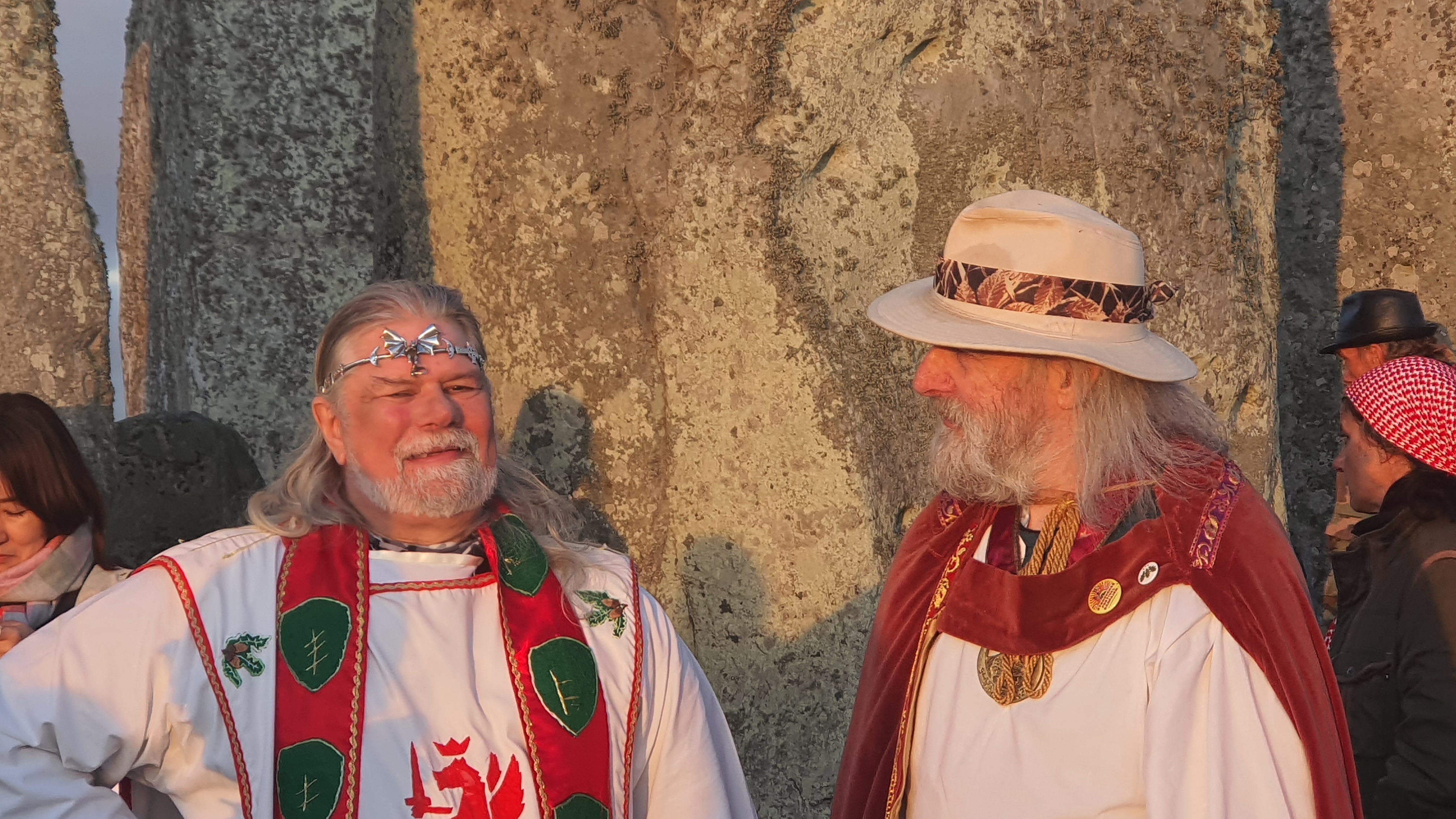
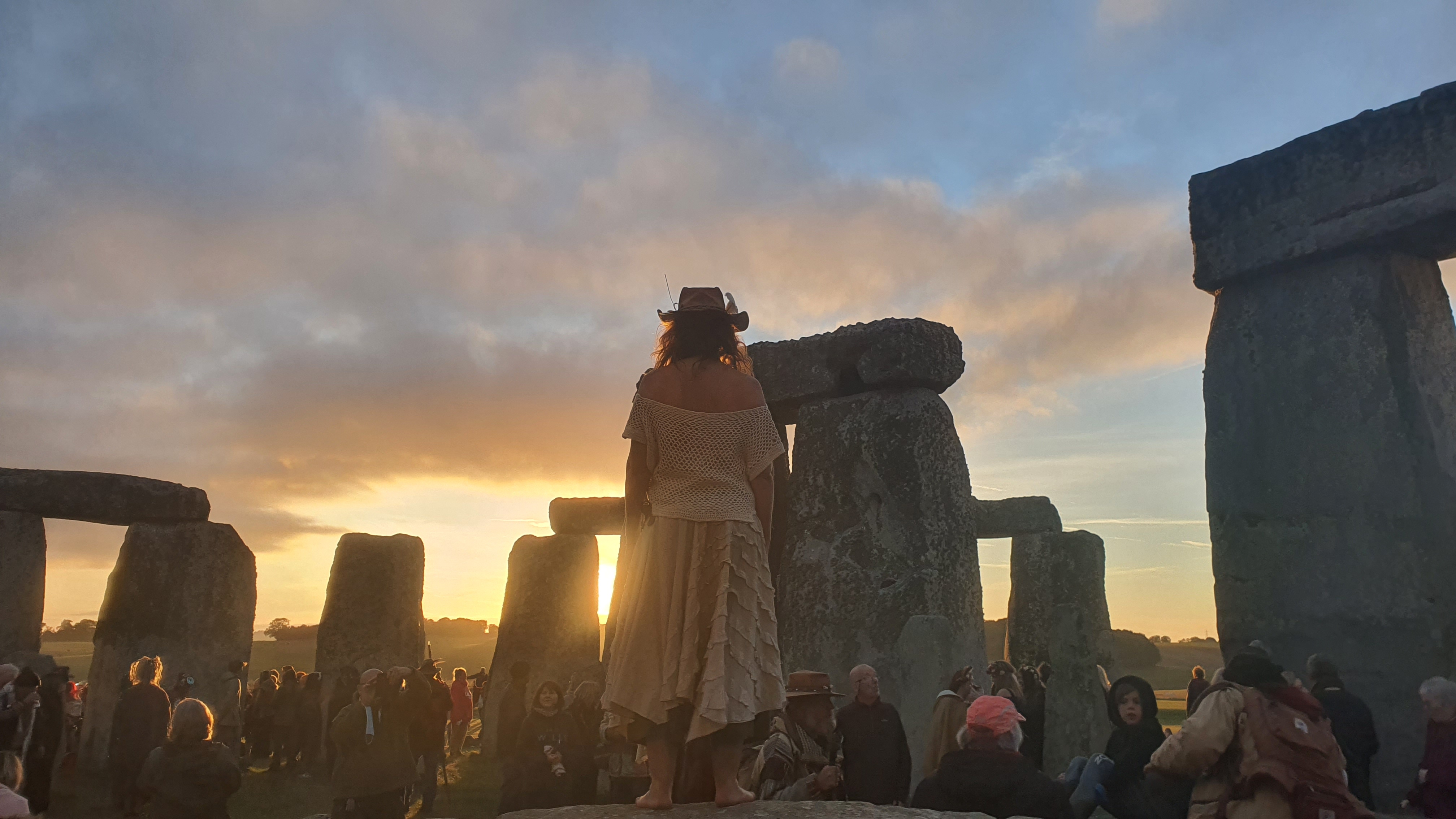
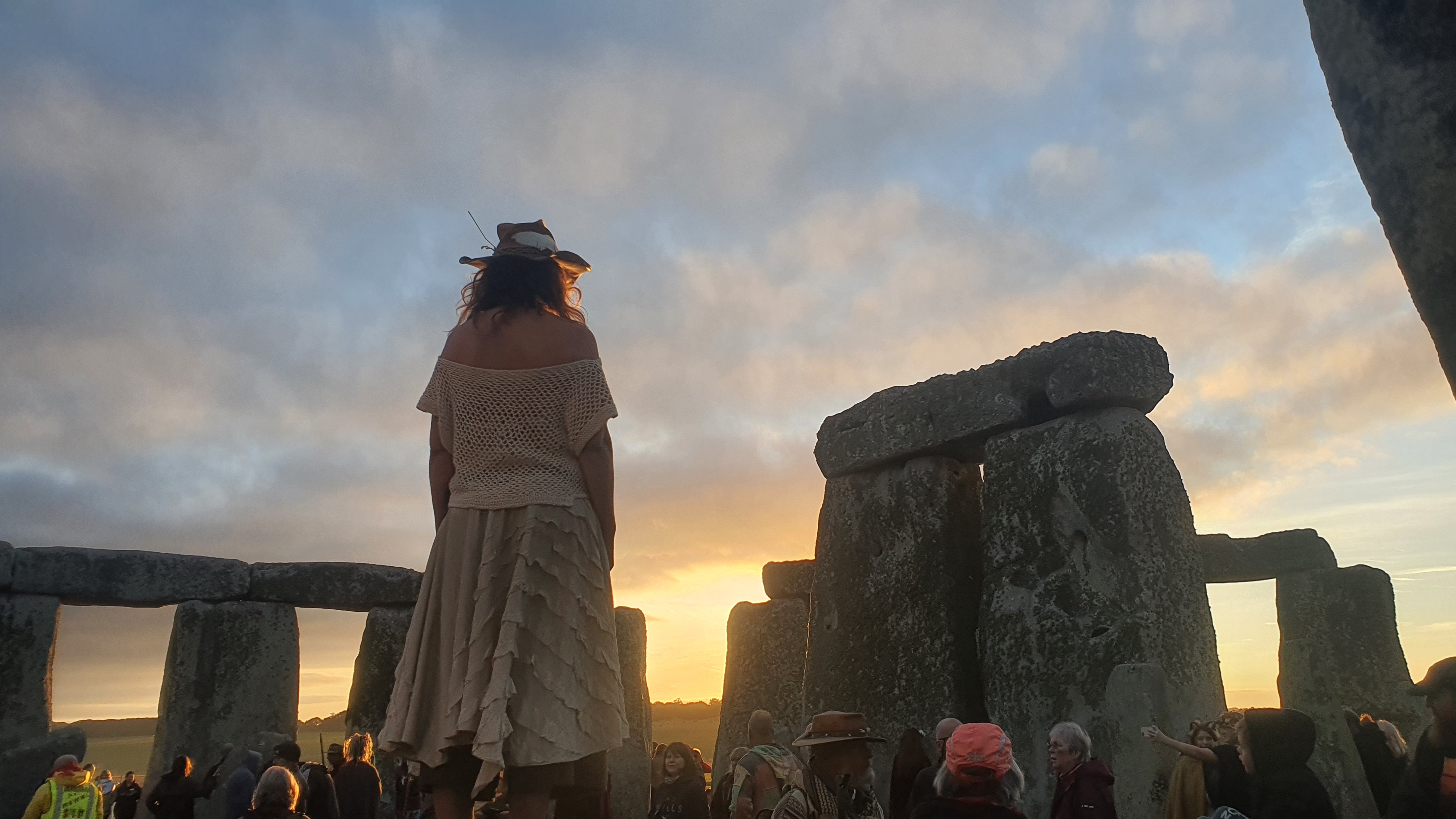
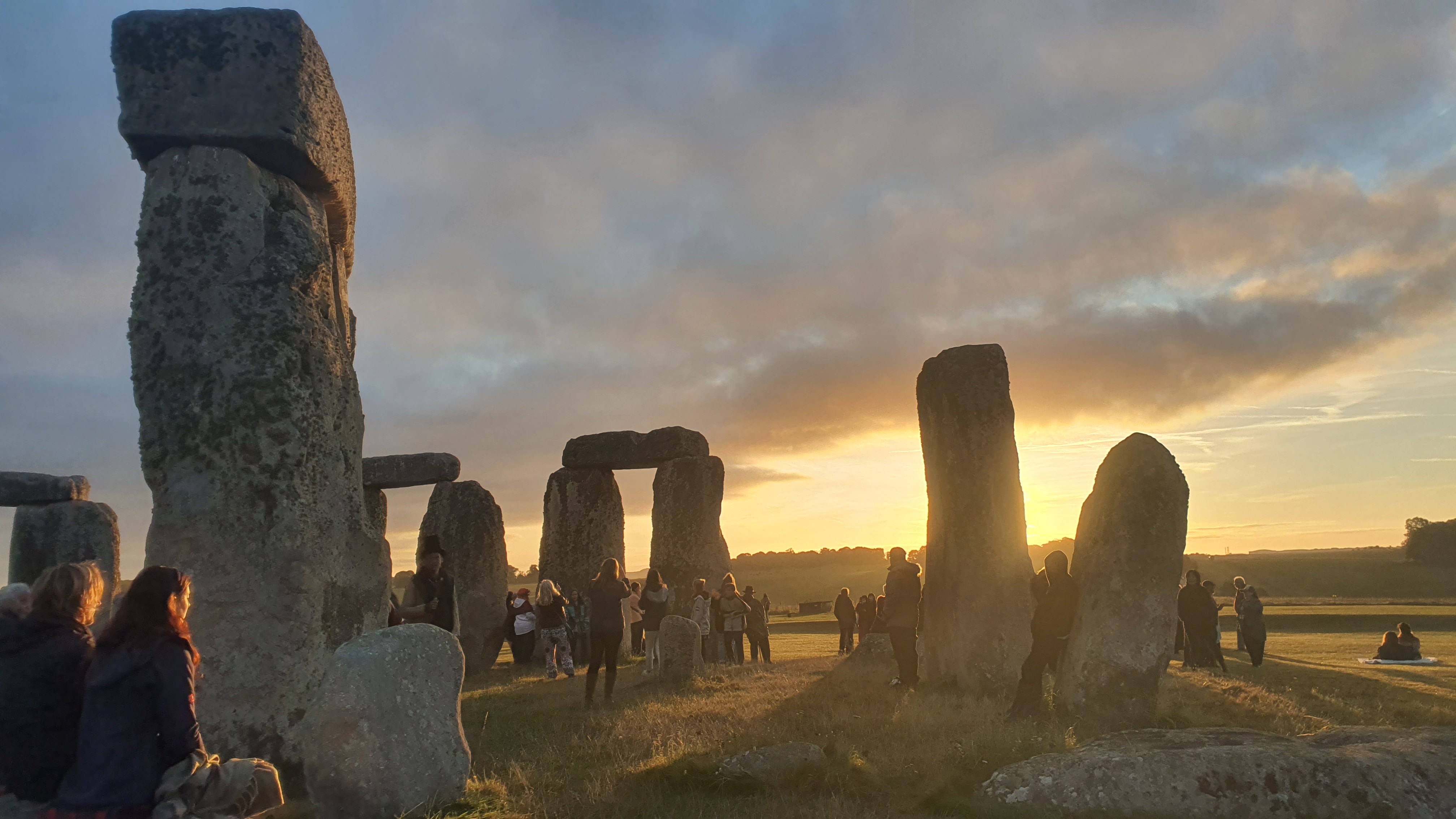
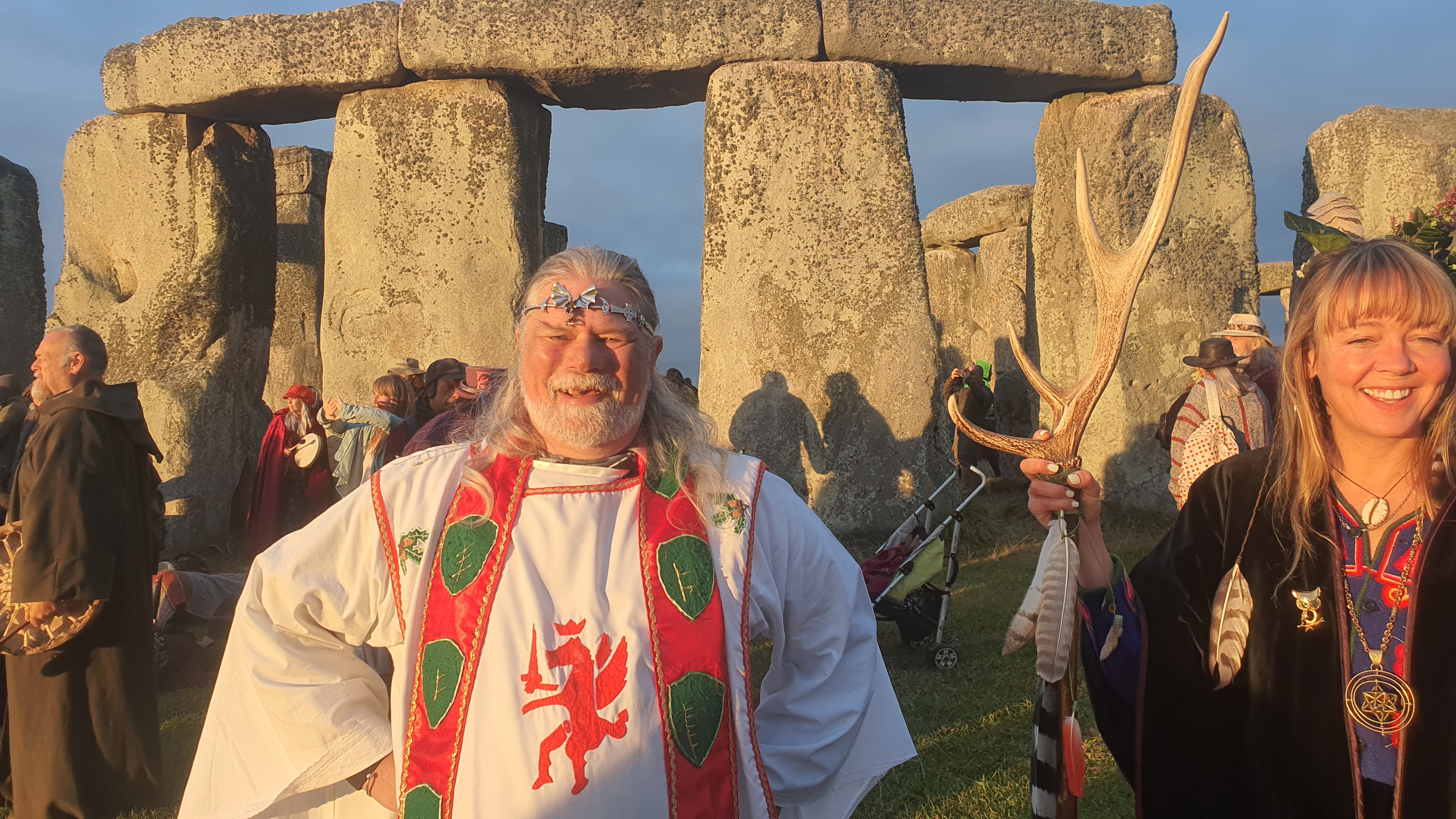
Hundreds of druids and pagans descended on Stonehenge today to celebrate the equinox as autumn began.
Visitors headed to the famous 5,000-year-old site in Wiltshire in the dark to ensure they got to see the sun rise. And they made the most of one of only four public annual events that allows people to get so close to the stones. Photographs showed attendees singing and wearing a variety of extravagant outfits as onlookers watched on
Equinox Links: See the stunning Autumn Equinox sunrise at Stonehenge – Salisbury Journal Stonehenge autumn equinox gathering first since start of pandemic – BBC Stonehenge Spring and Autumn Equinox Tours – Stonehenge Guided Tours What is the Autumn equinox? Here’s what you need to know. National Geographic Stonehenge and the Druids – Who are the Druids? Stonehenge News Blog Walk amongst the stones of Stonehenge. (Equinox Tour exeperience) Blue Sky Traveller The Stonehenge Pilgrims – Stonehenge News Blog Stonehenge Summer and Winter Solstice Tours – Solstice Events U.K
Follow us on Twitter and Facebook for all the latest Stonehenge news. The Stonehenge News Blog
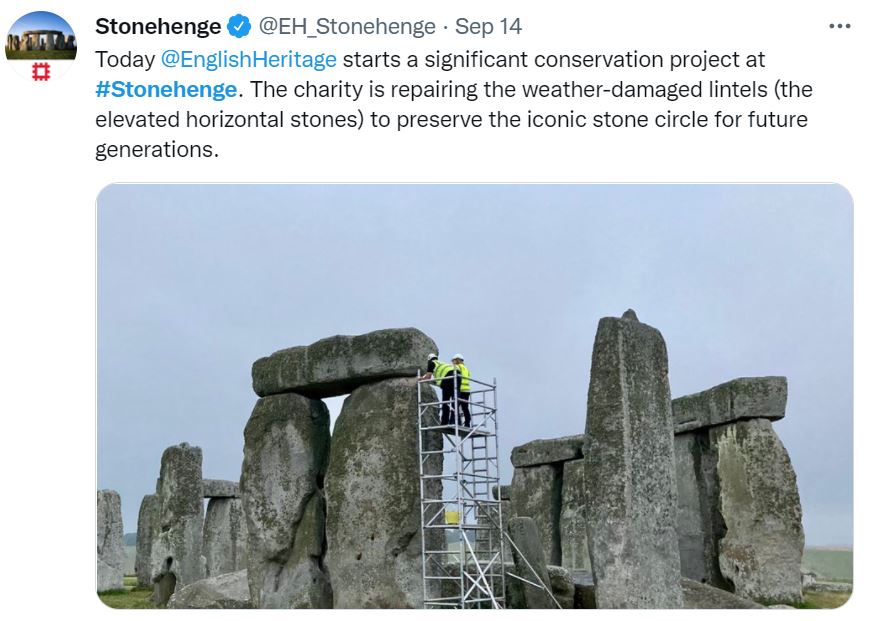
Restoration work at Stonehenge has begun, with scaffolding erected inside ancient Salisbury monument
Strong winds buffeting the 4,500-year-old stone circle have taken their toll on its horizontal stones
Large-scale restoration this morning, with conservators seen scaling 22ft high scaffolding
The last major job was conducted in 1958, when several stones were hauled back into place by Aubrey Bailey
His son Richard Woodman-Bailey is being asked to place a £2 coin within Stonehenge at a ceremony
For two weeks during September, English Heritage is carrying out repairs to the lintels at Stonehenge, replacing old degraded cement mortar that was used in the late 1950s to prevent weathering and secure the stones in position. The work will be heavily scrutinised by those on the project, in stark contrast to the work carried out in the 1950s.
Why are the stones being repaired?
Heather Sebire, English Heritage’s senior curator for the site, said: “Four-and-a-half-thousand years of being buffeted by wind and rain has created cracks and holes in the surface of the stone, and this vital work will protect the features which make Stonehenge so distinctive.”
Orientated towards the sunrise on the summer solstice, the sacred site includes several hundred burial mounds across the complex.
Scaffolding has been erected next to Stonehenge this morning as the ancient monument undergoes the first major repairs in more than six decades so cracks and holes in the stones can be refilled
However, Stonehenge is showing its age, with laser scans showing the lintel stones, joints and concrete mortar that balance across the vertical pillars have heavily eroded.
The concrete mortar used in the most recent project is not breathable, leaving the ancient stones vulnerable from moisture. This moisture can freeze in winter, then when it thaws, leaves deep cracks.
Instead of using concrete, conservators and engineers are to use a more forgiving material, lime mortar.
This type of mortar keeps water out more efficiently and, when moisture does enter, it allows it to escape.
Unsheltered from the elements, Stonehenge is at the mercy of what ever nature throws its way. Thrashed by wind and rain, the UK’s every increasingly extreme weather is bound to take its toll on the ancient moment.
Visitors to Stonehenge will get a unique opportunity to see conservation in action while the work takes place. Stonehenge Guided Tours offer tours from London and can include the special access experience allowing you to enter the inner circle and get a closer look. The Stonehenge Travel Company offer guided tours from nearby Salisbury and Bath.
Relevant Stonehenge news Links: Stonehenge restoration work begin. Daily Mail Conservation project starts at Stonehenge – Salisbury Journal Stonehenge project launched to repair deep lintel cracks – The Guardian Stonehenge: English Heritage to repair cracked lintels – BBC News Why is Stonehenge being repaired? – Wales Online From Restoration to Conservation – English Heritage Stonehenge to undergo first major repairs in 60 years to fill cracks and holes in monument – The Independent
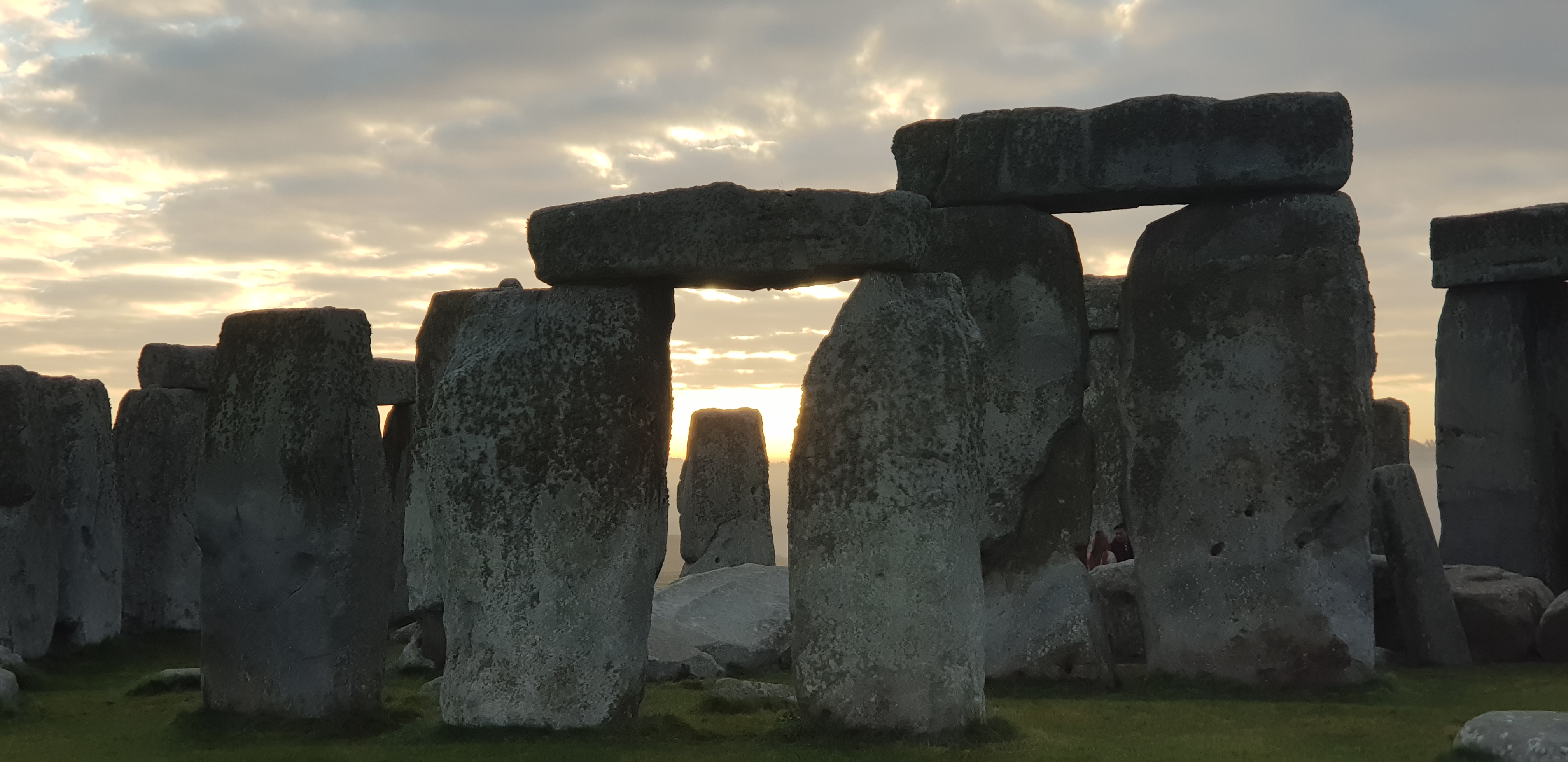
The Autumn Equinox (Mabon) is rapidly approaching as the last days of summer slowly come to an end. English Heritage are expected to offer a short period of access, from first light or safe enough to enter the monument field (approximately 06.15am until 08:30am) on the 23rd September. This is subject of course to any changes in the coronavirus guidance.
Stonehenge is an ancient prehistoric site which has been a place of worship and celebration for thousands of years.
The Autumn Equinox is one of the rare occasions that English Heritage opens up the stones for public access. Equinox open access attracts fewer people than the Solstices – in the several hundreds rather than tens of thousands – and there are modern Druid ceremonies which are held in the circle around dawn, so if you prefer a quieter experience then attending the Autumn Equinox is a good choice.
English Heritage has facilitated Managed Open Access (MOA) to Stonehenge for the celebration of the summer solstice, winter solstice, spring and autumn equinox (spring and autumn equinox fall outside of this contract). English Heritage provides access to the stone circle and the monument field, free of charge to anyone who wishes to attend, but asks all those attending to comply with conditions of entry to ensure the safety of all visitors and to protect the monument. To safely provide MOA across the year, English Heritage works in partnership with Wiltshire Police and Wiltshire Council and engages experienced event managers and health and safety experts.
Mabon is a harvest festival, the second of three, that encourages pagans to “reap what they sow,” both literally and figuratively. It is the time when night and day stand equal in duration; thus is it a time to express gratitude, complete projects and honor a moment of balance.
What is the Equinox? The equinox is when day and night are actually the same length. It happens several days before the spring equinox, and a few days after the autumn one.
The reason day and night are only almost equal on the equinox is because the sun looks like a disk in the sky, so the top half rises above the horizon before the centre
The Earth’s atmosphere also refracts the sunlight, so it seems to rise before its centre reaches the horizon. This causes the sun to provide more daylight than many people might expect, offering 12 hours and 10 minutes on the equinox.
The word ‘equinox’ itself actually mean ‘equal’ (equi) and ‘night’ (nox).
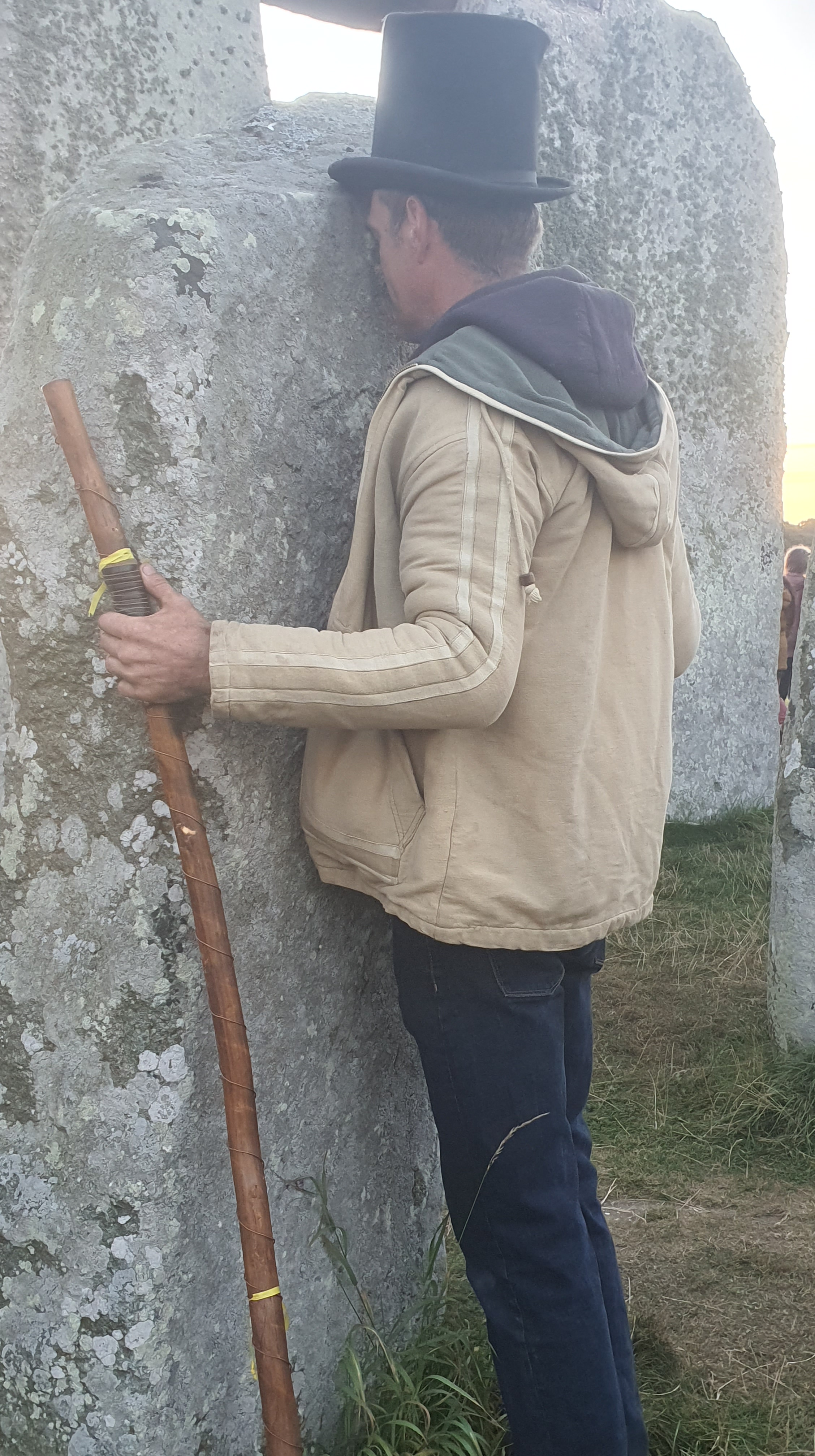
Respecting the Stones Stonehenge is protected under the Ancient Monuments and Archaeological Areas Act and you must adhere to the regulations outlined in the act or face criminal prosecution. No person may touch, lean against, stand on or climb the stones, or disturb the ground in any way. The Ancient Monuments Protection Act 1882 was an Act of the Parliament of the United Kingdom of Great Britain and Ireland (as it then was). It was introduced by John Lubbock, 1st Baron Avebury, recognising the need for a governmental administration on the protection of ancient monuments – more information. View the conditions of entry and respect the Stones
If you or anyone else in your household feels unwell, or has been asked to self-isolate, we ask that you do not attend Stonehenge. Also if you plan to travel on one of our shuttle buses, or visit our toilets or café, we encourage you to bring and wear a face covering.
If you are considering visiting Stonehenge for the Autumn Equinox and do not have transport or simply want a hassle free experience you can join a specialist organised tour. Use a reputable tour operator who respect the conditions of entry – Stonehenge Guided Tours are the longest established company offering discreet tours from London or Bath, view their exclusive Autumn Equinox tour and save 25% by using discount code and Solstice EQUINOX21. You could also try Solstice Events U.K who offer small group Equinox tours.
Scientists analysed a sample from one of the standing stones taken in the 1950s
The sample is made up of sand-sized quartz grains cemented tightly together
Stonehenge may have lasted so long because of the unique geochemical composition of the standing stones, a new study suggests.
Geochemical analysis shows Stonehenge may have survived so long due to sand-sized quartz grains that are cemented tightly together by an interlocking mosaic of crystals
An international team of scientists analysed wafer-thin slices of a core sample from one of the great sandstone slabs, known as sarsens, under a microscope.
The 3.5-foot-long sample, called Philip’s Core, was extracted more than 60 years ago and only returned to Britain two years ago after being kept souvenir in the US for decades.
In 1958, Robert Phillips, a representative of the drilling company helping to restore Stonehenge, took the cylindrical core after it was drilled from one of Stonehenge’s pillars — Stone 58. Later, when he emigrated to the United States, Phillips took the core with him. Because of Stonehenge’s protected status, it’s no longer possible to extract samples from the stones. But with the core’s return in 2018, researchers had the opportunity to perform unprecedented geochemical analyses of a Stonehenge pillar, which they described in a new study.
The researchers used CT-scanning, X-rays, microscopic analyses and various geochemical techniques to study fragments and wafer-thin slices of the core sample – such testing being off-limits for megaliths at the site.
They found that Stonehenge’s towering standing stones, or sarsens, were made of rock containing sediments that formed when dinosaurs walked the Earth. Other grains in the rock date as far back as 1.6 billion years.
RELEVANT STONEHENGE NEWS: How Stonehenge’s stones have lasted so long: 20-tonne blocks are made up of interlocking quartz crystals that have stopped the monument weathering over the last 5,000 years, analysis reveals – Daily Mail Long-lost fragment of Stonehenge reveals rock grains dating to nearly 2 billion years ago – Live Science Stonehenge breakthrough as lost fragment of monument uncovers two billion-year-old secret – Daily Express Petrological and geochemical characterisation of the sarsen stones at Stonehenge – Plos One Researchers analyze rock grains from Stonehenge – Reuters Specialist tour operator offering guided tours of the inner circle of Stonehenge – Stonehenge Guided Tours The origin of the giant sarsen stones at Stonehenge has finally been discovered with the help of a missing piece of the site which was returned after 60 years. – Stonehenge News Blog
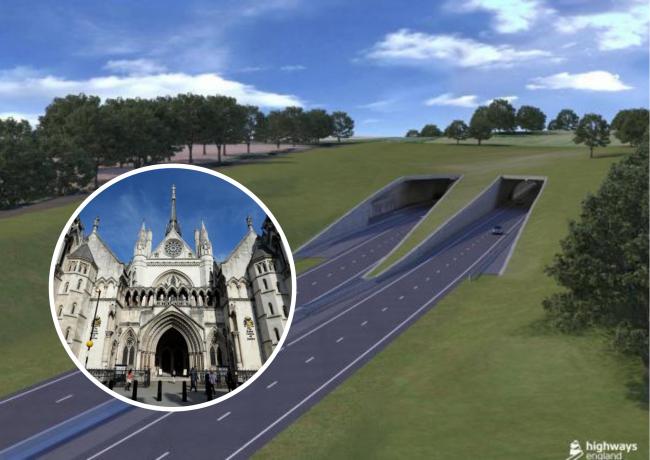
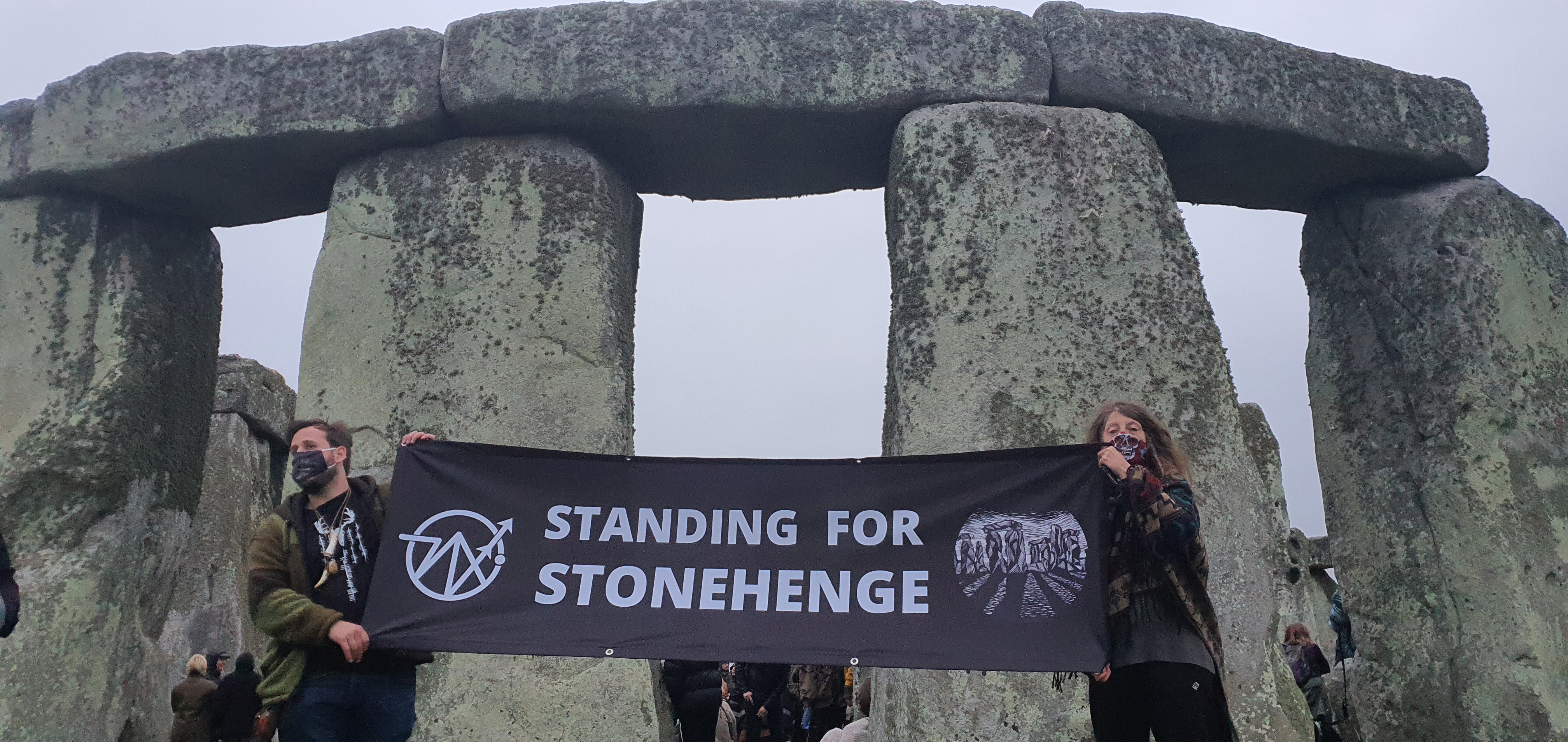
High Court rules Transport Secretary Grant Shapps acted unlawfully when granting permission for the Stonehenge tunnel scheme.
Campaigners challenged Grant Shapps’ decision to approve controversial plans
He gave go-ahead in November despite concerns it would damage UNESCO site
But a judge said there was no impact assessment or alternative proposals
The tunnel is part of a £27billion masterplan to improve the nation’s roads
Campaigners have won a court battle to prevent the “scandalous” construction of a road tunnel near Stonehenge.
The £1.7bn Highways England project aims to reduce A303 congestion but campaigners said it would detrimentally affect the world heritage site.
The government approved plans in 2020 for a two-mile (3.2km) tunnel to be created near the Wiltshire monument.
Those opposed to the plans brought a judicial review on the basis the project had been approved unlawfully.
Highways England said it wanted to build the tunnel to reduce traffic and cut journey times on the A303, which is the most direct route for motorists travelling between the South East and South West and is used by thousands of people daily.
The SSWHS Judgement published today can be read on the Stonehenge Alliance website here
STONEHENGE TUNNEL CAMPAIGN IN THE NEWS:
Stonehenge tunnel campaigners win court battle – BBC News Campaigners WIN High Court battle over ‘unlawful’ £1.7 billion two-mile Stonehenge tunnel project – Daily Mail A303 Stonehenge tunnel scheme ‘unlawful’ High Court rules – Salisbury Journal Campaigners win High Court victory over Stonehenge tunnel project – MSN Stonehenge road and tunnel decision unlawful, rules judge – Leigh Day High court victory for Stonehenge campaigners as tunnel is ruled unlawful – The Guardian Stonehenge tunnel project blocked as campaigners win High Court battle – ITV
Stonehenge could become the latest heritage site in the UK to lose its UNESCO status as a £1.7bn Government plan to build a new road and tunnel there could threaten its history, ministers have been told.
Stonehenge could be on the verge of losings its World Heritage status, if a planned £1.7bn road tunnel goes ahead.
The news comes just days after Liverpool was stripped of its Unesco status, one of just three places to have the ranking removed in almost 50 years.
The world’s most recognisable rock monument, near Salisbury, is expected to be next in line to face the axe from the UN-backed agency who are said to be considering placing it on its ‘in danger list’.
Stonehenge Avebury and Associated Sites was awarded UNESCO World Heritage Status in 1986, meaning has cultural, historical, or scientific value ‘considered to be of outstanding value to humanity.
Internationally, Stonehenge is revered as one of the wonders of the world and is viewed alongside global treasures including the Taj Mahal, Pyramids of Giza and Machu Piccu.
STONEHENGE A303 TUNNEL NEWS:
Stonehenge may be next UK site to lose world heritage status – The Guardian Stonehenge could lose world heritage status following Liverpool – The Independent Stonehenge ‘could lose World Heritage status’ due to £1.7bn road tunnel plan – The Mirror Stonehenge could be next to lose Unesco world heritage status due to £1.7bn tunnel – The Daily Mail A303 Stonehenge Tunnel | Court case has begun to determine lawfulness of planning decision – Stonehenge News Blog The Knotty Problem of the A303 and Stonehenge.- Stonehenge News Blog The Stonehenge Tunnel Debate – the good, the bad, and the ugly – Stonehenge News Blog
We aim to make this the ultimate source of the latest Stonehenge news available on the web. This blog is updated almost daily and promises to deliver accurate 'up to date' information on new theories, new digs, solstice events, Druid gatherings, the new visitor centre, general megalithic links and some fun along the way. We welcome your input....
"There is so much misinformation about Stonehenge on the web, so it’s really refreshing to see such a clear and lucid presentation, what you have here looks like best general overview of Stonehenge to date, well done!"
Mystery surrounds this 5,000 year old monument in the centre of the World Heritage Site. Visit this prehistoric South West site near Salisbury in Wiltshire, and decide for yourself whether Stonehenge was a place of sun worship, a healing sanctuary, a sacred burial site, or something different altogether!
THIS BLOG claims no credit for any images posted on this site unless otherwise noted. Images on this blog are copyright to its respectful owners. If there is an image appearing on this blog that belongs to you and do not wish for it appear on this site, please E-mail with a link to said image and it will be promptly removed.






























 StonehengeNews
 travelstonehenge

 Stonehenge Stone Circle News and Information