Stonehenge Spring (Vernal) Equinox. Managed Open Access: 20th March 2024

7 03 2024

This year Spring Equinox will be celebrated on Wednesday 20th March 2024.

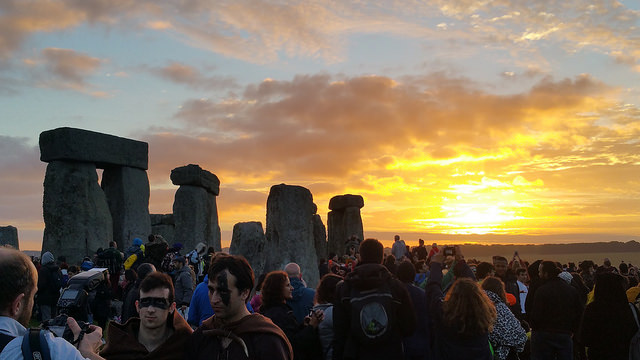
English Heritage is pleased to give a short period of managed open access on the 20th March. Sunrise is at 6:11am, and access will commence as soon as it is safe, this is likely to be from approximately 5:45am and will end at 8:30am. The Stonehenge car park will open at 05:15am. All vehicles must vacate the car parks by 11am.

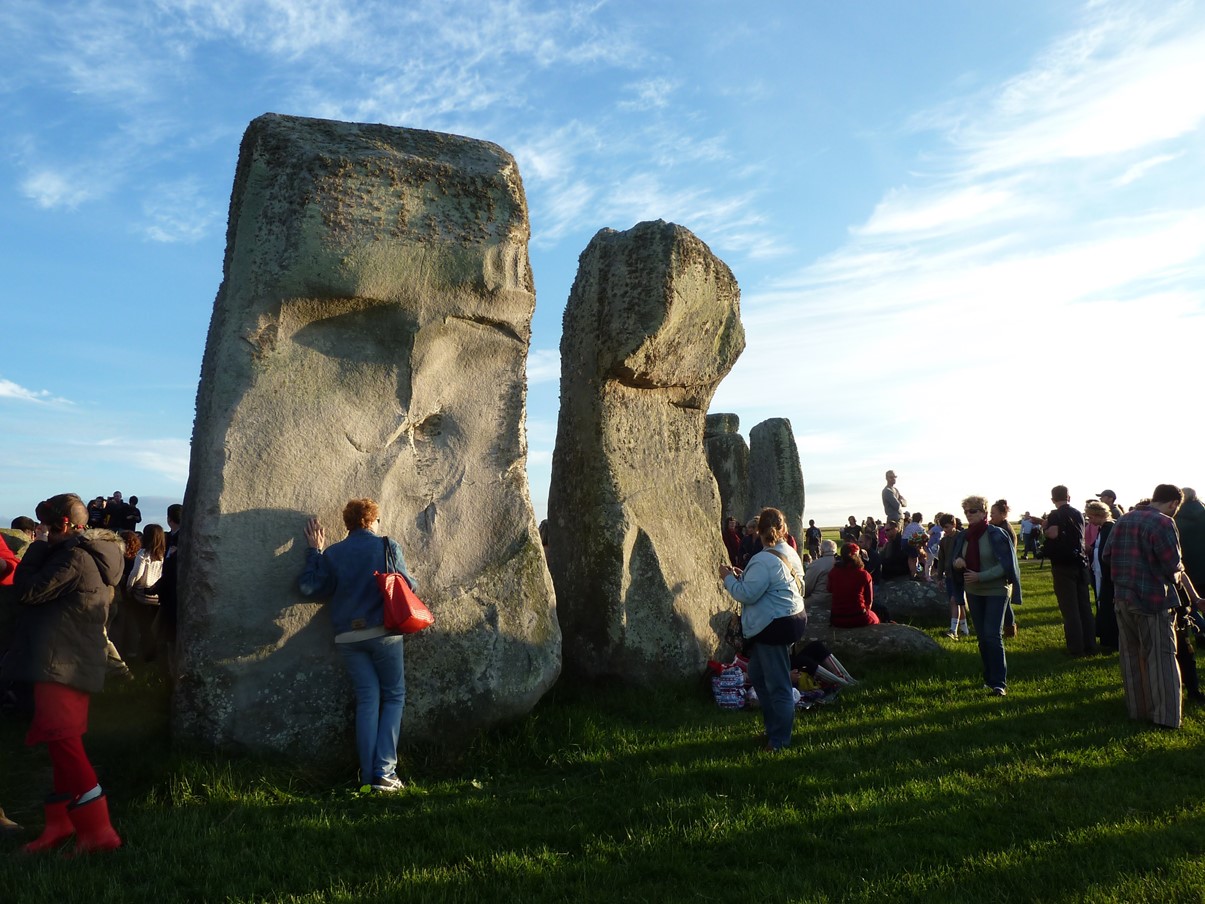
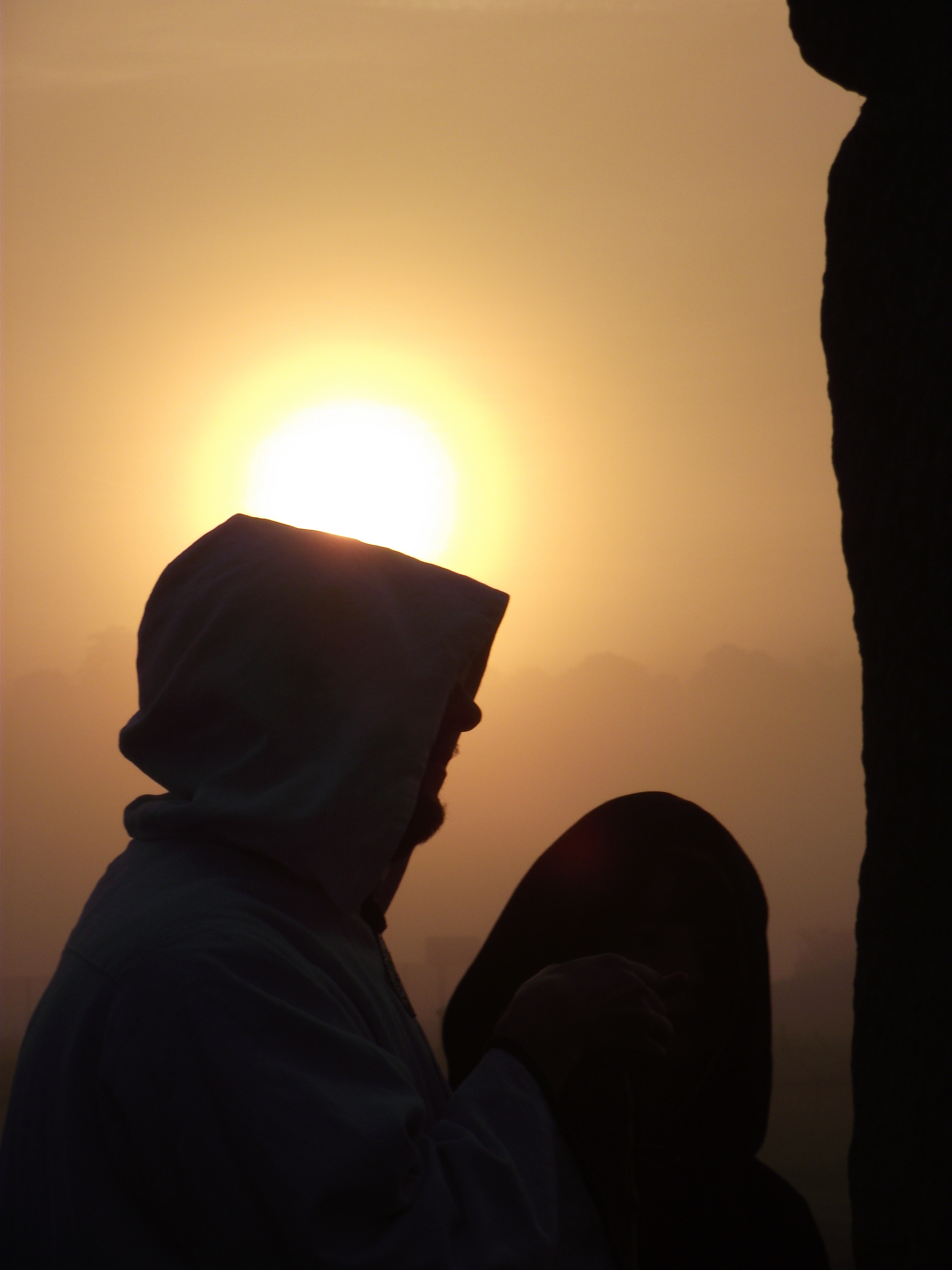
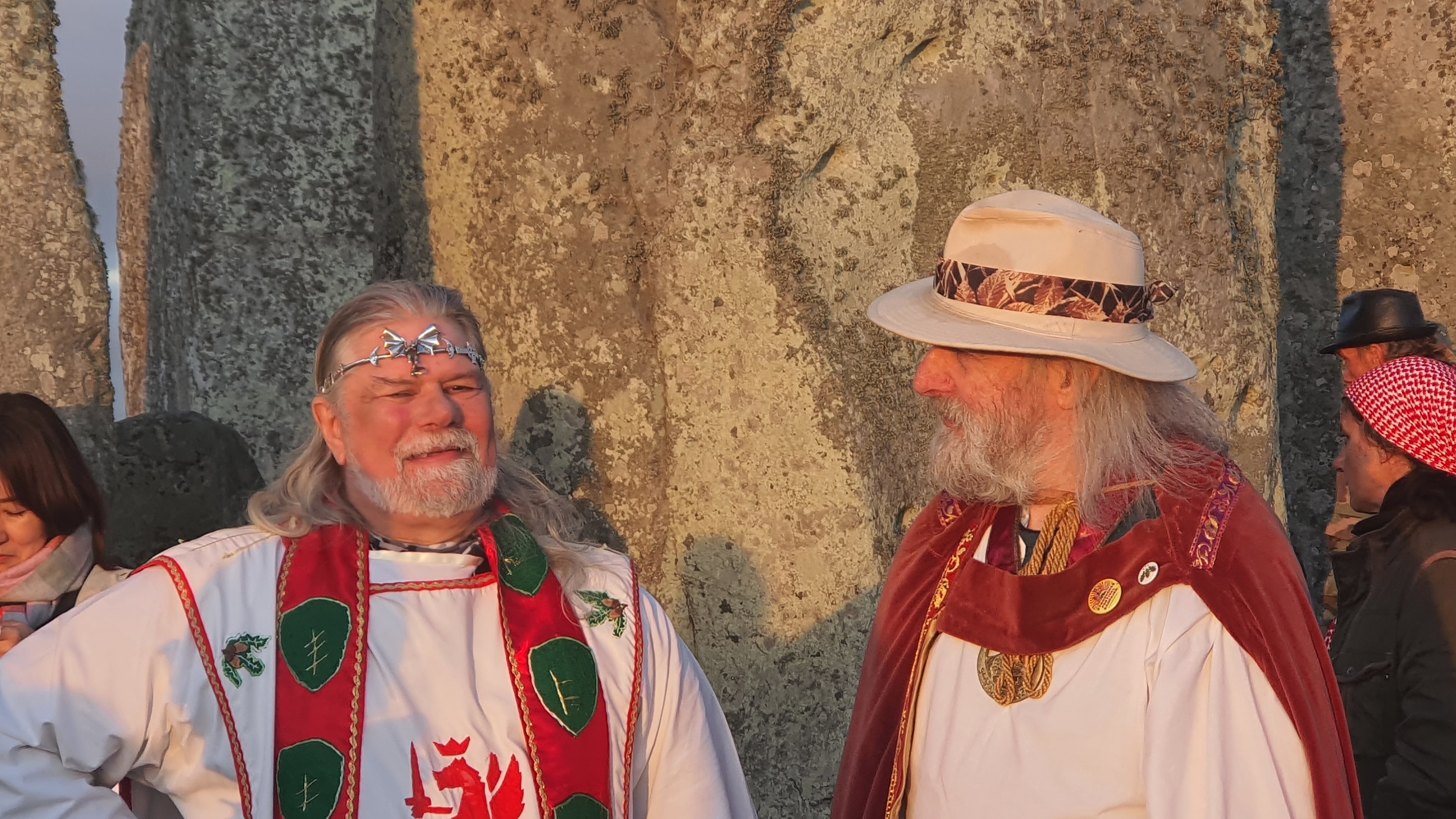
The spring equinox is one of the rare occasions that English Heritage opens up the stones for public access. Equinox open accesses attract fewer people than the Solstices – in the several hundreds rather than tens of thousands – and there are modern Druid ceremonies which are held in the circle around dawn.

Spring equinox 2024

This is the first of the four ‘sky points’ in our Wheel of the Year and it is when the sun does a perfect balancing act in the heavens. This is the point of the year when once again day and night are equal – 12 hours. The equinox, (the Latin word for Equinox means time of equal days and nights) is only the very moment the sun crosses the equator.

WHY CAN PAGANS AND DRUIDS GET SO CLOSE TO THE STONES FOR THE EQUINOX?

The famous Stonehenge circle is normally roped off to the public, but special access is granted four times a year. This is only on the mornings of the summer solstice, winter solstice, spring equinox and autumn equinox. English Heritage has ‘managed open access’, meaning the public can stand among the stones on these days. Anyone can turn up on the day to get close to the stones, but people are asked not to touch or climb on them. Organisers also have a ban on bringing glass bottles or pets onto the site and on playing amplified music. Stonehenge is expected to open at 5.45am when it was deemed light enough to safely allow people into the field and visitors must leave by 8.30am. English Heritage open to the paying public as normal at 9.30am.

Public access to Stonehenge currently takes place on four of the so-called ‘quarter festivals’. What exactly are the quarter festivals? And why are these occasions so celebrated by the Druids? The Quarter Festivals and the Druids

You can find out more about attending Solstice and Equinox by clicking on the links below.

Travelling to Stonehenge

What (and what not) to bring

Respect the stones

Safety, facilities and welfare

Accessibility

Accommodation

Related Equinox Links:
How the Spring Equinox marks the changing seasons – The Telegraph
What is the vernal equinox? Why does it mark the first day of spring? – Express
Summer Solstice at Stonehenge. From Past to Present – Stonehenge News Blog
Stonehenge Spring Equinox Tours and Transport – Stonehenge Guided Tours
Solstice at Stonehenge – English Heritage
The Stonehenge Pilgrims – Stonehenge News Blog
What Exactly Is the Spring Equinox? – Country Living
Stonehenge Equinox / Solstice Guided Tours – Solstice Events UK
Visiting Stonehenge this year for the Spring Equinox Celebrations? RESPECT THE STONES

The Stonehenge News Blog
Follow us on Twitter and Facebook for all the latest Stonehenge News and Equinox updates.
http://www.Stonehenge.News


History Makers at Stonehenge this Half Term:(10th -18th Feb 2024)

10 02 2024

English Heritage is hosting  Half Term History Makers  activities at Stonehenge over the February half-term from 10-18 February. Families will be able to step back in time to the Neolithic period and find out what life was like through fun, hands on games.

Join characters from the past for historical hijinks and hands on shenanigans at Stonehenge this half term.

Step back in time with us to the Neolithic period and find out what life was like through fun, hands on games. Practice your skills in spear throwing, make your own slingshot to try out on their targets and decide if you could face a Neolithic dinner!

Book online and save 15%

The Stonehenge News Blog
Follow us on Twitter and Facebook for all the latest Stonehenge News
http://www.Stonehenge.News


Stonehenge Winter Solstice Celebrations 2023. Managed Open Access Arrangements

24 11 2023

Winter Solstice at Stonehenge will take place at sunrise on Friday 22nd December 2023. English Heritage are expected to offer a short period of access, from first light or safe enough to enter the monument field (approximately 07.45am until 10.00am)

Winter Solstice, access to the stones themselves is free and without restriction, and visitors can get up close with the marvel that is Stonehenge. After it passes, the days will begin to get longer and longer until June when the Summer Solstice takes place.

The Winter Solstice, marking the shortest day and longest night of the year approaches, drawing neo-druid and neo-pagan pilgrims to Stonehenge to watch the sunrise through the sacred site.

This is a twice-yearly pilgrimage for many visitors, including Druids and Pagans, with the Summer Solstice in June being the largest of the two events. The festivals which have celebrated the passing of the seasons and new beginnings throughout human history, offer a unique opportunity to visit Stonehenge with no barriers and draws crowds every year.

Whatever the weather, it could be cold and wet. So please dress accordingly.  Shuttle buses will be running to take you from the car parks to the stones. However, you may choose to walk from the Visitor Centre up to the stones. This takes 30 minutes on average and will be in low-light. So a torch would be essential.

Why is open access on the 22nd December?
Many people believe the Winter Solstice always falls on December 21, but because of a mismatch between the calendar and solar year, the December solstice is not fixed to a specific date.

This year, English Heritage says based on advice from the druid and pagan communities, the Solstice will be marked at Stonehenge on the morning of Friday December 22nd December – the first sunrise following the astronomical solstice which occurs after sunset the previous day.

Access to Stonehenge for Winter Solstice is is subject to the Conditions of Entry. Please read these before deciding whether to attend.  Stonehenge is in a field on Salisbury Plain and the weather in December will be cold and wet.  Even if it isn’t raining, the ground will be wet from the dew and there may also be frost. Sensible footwear and warm, waterproof clothing is essential. Please note, parking charges apply.

Can I watch the sunrise on a live stream?
English Heritage will be live streaming the sunrise on the morning of 22nd December for free on their digital channels. Visit the official Stonehenge or English Heritage Facebook page, or the English Heritage YouTube channel. Please beware of fake/scam Facebook pages, events and groups that might have been set up.

Getting there:

Extremely limited parking available and strongly recommend using public transport to avoid disappointment. Salisbury Reds are operating a dedicated Solstice service from Salisbury train station via Amesbury. Please check their website for details. We also have a dedicated car sharing website which is available here.

Limited parking is available in the Winter Solstice car parks, which will open at 6am on the 22nd December 2023. Please follow the brown tourist route signage to Stonehenge. There will be signs to direct you to the car parks.  Please do not arrive early as there is no waiting on roads in the area and you will be moved on.

There will be a parking charge for all vehicles in the official car parks for Winter Solstice 2023 – £5 for cars and minibuses up to 16 seats and £2 for motorbikes. This can be paid by cash or card.

As you approach Stonehenge, please follow signs to the car park. This is located close to Airman’s Corner Roundabout just off the A303. We ask that you park sensibly and only where directed by a steward or police officer.  This will help us make full use of the car park.

Stonehenge Winter Solstice Links:
Stonehenge Winter Solstice 2023 – ENGLISH HERITAGE
When is the shortest day of the year — date of winter solstice and what it means – DAILY MIRROR
The Rebirth of the Sun: the Winter Solstice at Stonehenge – STONEHENGE NEWS BLOG
Winter Solstice: Wild tales of slaughtered bulls, human sacrifice and much merriment – THE SCOTSMAN
The Rebirth of the Sun: the Winter Solstice at Stonehenge – STONEHENGE NEWS BLOG
Solstice Transport service rom London or Bath with expert guides – STONEHENGE GUIDED TOURS
Winter solstice: Why do pagans celebrate the shortest day of the year? THE TELEGRAPH
The Sun Stones: The Story of the Winter Solstice at Stonehenge – STONEHENGE NEWS BLOG
Solstice at Stonehenge. From Past to Present. – STONEHENGE NEWS BLOG
What has Stonehenge got to do with the winter solstice? – METRO NEWS
Stonehenge Winter Solstice Tours from Bath – SOLSTICE TOURS U.K
Celebrate Winter Solstice at Stonehenge – HOLIDAY EXTRAS
Solstice and Equinox Experience Tours – SOLSTICE EVENTS UK
The Stonehenge Solstice Pilgrims – STONEHENGE NEWS BLOG
Stonehenge, the Winter Solstice, and the Druids – INTERESTRING ENGINEERING
Respecting the Stones.  Managed Open Access –STONEHENGE NEWS BLOG

The Stonehenge News Blog
Follow us on Twitter and Facebook for all the latest Stonehenge News and Winter Solstice updates.


The search is on! Stonehenge’s Altar Stone did NOT come from Wales:

27 09 2023
  • The Stonehenge Altar Stone may have come from the Midlands or even Scotland
  • New geological analysis suggests its geology doesn’t match most Welsh
  • The Stonehenge Altar Stone was probably not sourced from the Old Red Sandstone of the Anglo-Welsh Basin: Time to broaden our geographic and stratigraphic horizons?

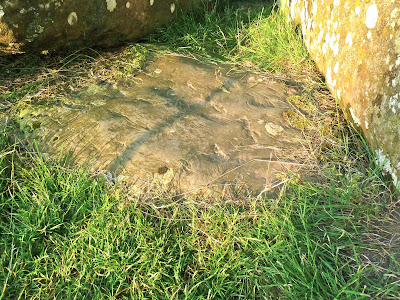
The Altar Stone lies at 80° to the main solstitial axis beneath the collapsed upright of the Great Trilithon (Stone 55b) and its lintel (Stone 156), sunk into the grass. The stone itself was broken by the fall of the Great Trilithon’s upright and is in two pieces. IMAGE SOURCE

New research, led by Aberystwyth University, analysed 58 rock samples from all over the country to figure out where the curious Bronze Age rock may have come from. 

For the last 100 years the Stonehenge Altar Stone has been considered to have been derived from the Old Red Sandstone (ORS) sequences of south Wales, in the Anglo-Welsh Basin, although no specific source location has been identified,’ the scientists say.

‘We have concluded that the Altar Stone appears not, in fact, to come from the ORS of the Anglo-Welsh Basin and further, we propose that the Altar Stone should no longer be included in the “bluestone” grouping of rocks essentially sourced from the Mynydd Preseli.

‘Attention will now turn to the ORS of the Midland Valley and Orcadian Basins in Scotland as well as Permian-Triassic of northern England to ascertain whether any of these sandstones have a mineralogy and geochemistry which match the Stonehenge Altar Stone.’ 

Stonehenge’s most prominent slabs – the sandstone sarsens – were sourced locally, from Marlborough Downs, a mere 20 miles from the monument’s site.

But the origin of the Altar Stone – which lies partially hidden under two fallen columns – has been at the centre of mystery for centuries.

Previous investigations suggest its geology completely contrasts to the rocks found in Wiltshire, and may have been sourced from a quarry 140 miles away.

This Welsh site is home to various other ‘bluestones’ like the Altar Stone, formed when lava cools before crystallising and solidifying.

But new research suggests the so-called ‘Stone 80’ should be ‘de-classified’ as a bluestone due to its unique characteristics. 

After conducting 106 analyses, experts say the Altar Stone has an unusually high content of Barium.

This matched just one sample taken from rocks across south Wales, the Welsh Borders, the West Midlands and Somerset.

Now, the team have expanded their search for the source to northern Britain, in the hopes of finding similar geology in Caithness and even Orkney, Scotland.

If it were sourced in Orkney, ancient builders may have dragged the six-ton rock across roughly 682 miles.

This took place thousands of years before heavy-lifting machinery was even invented. 

‘Monoliths used in the construction of stone circles are usually locally derived,’ scientists added.

‘It is the long-distance transport of the bluestones that makes Stonehenge of particular interest.

The bluestones in fact represent one of the longest transport distances known from source to monument construction site anywhere in the world.’ 

Some experts theorise that the Altar Stone was shipped on a raft up the Bristol Channel, before travelling the final leg to Salisbury Plain over land.

However, more recent studies have called this into question and suggest the rock may have been hauled across numerous hills.

The truth of this remains unknown, but MailOnline has approached the experts of this study to hear their thoughts. 

RELEVANT STONEHENGE LINKS:

The Stonehenge Altar Stone was probably not sourced from the Old Red Sandstone of the Anglo-Welsh Basin: Science Direct
The Altar Stone – Not welsh, so where is it from? The Sarsen
Stonehenge’s Altar Stone did NOT come from Wales: The Daily Mail
The Stones of Stonehenge On this site you’ll find photos of every stone at Stonehenge/ Simon Banton
Visit Stonehenge with the experts and hear all the latest discoveries and theories – STONEHENGE GUIDED TOURS
Private Guided Tours of Stonehenge with local expert tour guides – STONEHENGE AND SALISBURY GUIDED TOURS

The Stonehenge News Blog
Follow us on Twitter and Facebook for all the latest Stonehenge News
http://www.Stonehenge.News


Stonehenge Autumn Equinox (Mabon) Managed Open Access Arrangements: 23rd September 2023

20 09 2023

The Autumn Equinox (Mabon) is rapidly approaching as the last days of summer slowly come to an end. English Heritage are expected to offer a short period of access, from first light or safe enough to enter the monument field (approximately 06.15am until 08:30am) on the 23rd September.

The Autumn Equinox is one of the rare occasions that English Heritage opens up the stones for public access. Equinox open access attracts fewer people than the Solstices – in the several hundreds rather than tens of thousands – and there are modern Druid ceremonies which are held in the circle around dawn, so if you prefer a quieter experience then attending the Autumn Equinox is a good choice.

English Heritage has facilitated Managed Open Access (MOA) to Stonehenge for the celebration of the summer solstice, winter solstice, spring and autumn equinox (spring and autumn equinox fall outside of this contract). English Heritage provides access to the stone circle and the monument field, free of charge to anyone who wishes to attend, but asks all those attending to comply with conditions of entry to ensure the safety of all visitors and to protect the monument. To safely provide MOA across the year, English Heritage works in partnership with Wiltshire Police and Wiltshire Council and engages experienced event managers and health and safety experts.

Please note: there is a 25-30 minute walk (approximately 1½ miles or 2km) from the Stonehenge Visitor Centre to Stonehenge. This walk is across National Trust downland which is uneven: sensible footwear and a torch are advisable.

Mabon is a harvest festival, the second of three, that encourages pagans to “reap what they sow,” both literally and figuratively. It is the time when night and day stand equal in duration; thus is it a time to express gratitude, complete projects and honor a moment of balance.

What is the Equinox?
The equinox is when day and night are actually the same length. It happens several days before the spring equinox, and a few days after the autumn one.

The reason day and night are only almost equal on the equinox is because the sun looks like a disk in the sky, so the top half rises above the horizon before the centre

The Earth’s atmosphere also refracts the sunlight, so it seems to rise before its centre reaches the horizon. This causes the sun to provide more daylight than many people might expect, offering 12 hours and 10 minutes on the equinox.

The word ‘equinox’ itself actually mean ‘equal’ (equi) and ‘night’ (nox).

Respecting the Stones
Stonehenge is protected under the Ancient Monuments and Archaeological Areas Act and you must adhere to the regulations outlined in the act or face criminal prosecution. No person may touch, lean against, stand on or climb the stones, or disturb the ground in any wayView the conditions of entry and respect the Stones

Equinox Links:
Stonehenge Autumn Equinox 2023: When is the ceremony? Salisbury Journal
Stonehenge Autumn Equinox Conditions – English Heritage
What is the autumnal equinox? Royal Museums Greenwich
What is the Autumn equinox? Here’s what you need to know. National Geographic
Stonehenge and the Druids – Who are the Druids? Stonehenge News Blog
Stonehenge Autumn Equinox Tours – Stonehenge Guided Tours
The Stonehenge Pilgrims – Stonehenge News Blog
Stonehenge Guided Tours – The Local Tour Experts

Follow us on Twitter and Facebook for Equinox updates and Stonehenge news
The Stonehenge News Blog


Stonehenge Festival of Neolithic Ideas: 11th and 12th November 2023

7 09 2023

English Heritage are having the very first Festival of Neolithic Ideas on 11th and 12th November. Get involved with an outstanding programme of hands-on activities, demonstrations, talks and tours, led by experts in the field.

From radiocarbon dating and ancient DNA, to astronomy and laser scanning, we will reveal how the latest advances in science and archaeological techniques have developed our understanding of Stonehenge and the people who built it. The festival will also explore the tools and technologies used by Neolithic people to understand and shape the world around them.

Included with General Admission ticket to Stonehenge.

Book online and save 10%.

The Stonehenge News Blog
Follow us on Twitter and Facebook for all the latest Stonehenge News
http://www.Stonehenge.News


Stonehenge Summer Solstice 2023

11 06 2023

This year Summer Solstice will be celebrated from 7pm on Tue 20th June to 8am on Wed 21st June. The sunrise will be live streamed on the official English Heritage YouTube channel. If you are planning to travel to Stonehenge for the Summer Solstice, please read the following pages carefully. 

The summer solstice will be on 21st June 2022: Stonehenge is an ancient prehistoric world heritage site which has been a place of worship and celebration at the time of Summer Solstice for thousands of years. Stonehenge is a world renowned historic Monument and part of a World Heritage Site. It is seen by many who attend as a sacred place. The Stonehenge summer solstice is a popular annual event that sees thousands of people descend on Wiltshire to celebrate the changing seasons. Summer solstice falls on the longest day of the year.

Please note that last normal admissions to Stonehenge is on Thursday 20th June at 13:00 and the site will close at 15:00 in preparation for Summer Solstice Managed Open Access. Stonehenge will re-open for normal admissions on the afternoon of Friday 21st June. Please check our social media channels for the exact time.

English Heritage is pleased to provide free Managed Open Access to Stonehenge for Summer Solstice. We ask that if you are planning to join us for this peaceful and special occasion that you read the Conditions of Entry and the information provided on the following page before deciding whether to come.

Conditions of Entry

Safety, facilities and welfare

What (and what not) to bring

Travelling to Stonehenge

Accommodation

Disabled access

Respect the stones

Map of monument field

What is the summer solstice?

At the summer solstice, the sun travels the longest path through the sky, and therefore that day has the most daylight. The exact moment of the solstice is the time of year that the Earth is closest to the sun.

According to the astronomical definition of the seasons, the summer solstice also marks the beginning of summer, which lasts until the autumnal equinox (22 or 23 September in the Northern Hemisphere, and 20 or 21 March in the Southern Hemisphere). Under the meteorological definition, which splits the year into four seasons of three full months each based on the Gregorian calendar, winter starts on 1 December every year, and summer starts on 1 June.

When is summer solstice in 2023?

The summer solstice will be on 21 June 2023. It most commonly falls on this date, but can be anywhere between 20-22 June. The exact time of the solstice will be 10.13am in the UK.

Stonehenge is a significant World Heritage Site and to many it is sacred – please respect the stones and all those who are attending.

Admission to the Summer Solstice at Stonehenge is free of charge.  We hope the weather will be kind and wish you a peaceful and celebratory solstice.

THURSDAY 20th JUNE 2023 
SOLSTICE CAR PARK OPENS19.00 hours
ACCESS TO STONEHENGE MONUMENT FIELD19.00 hours
SUNSET21.26 hours
FRIDAY 21st JUNE 2023 
SUNRISE04.52 hours
LAST ADMISSION TO SOLSTICE CAR PARK06.00 hours (or when full)
STONEHENGE MONUMENT FIELD CLOSESSOLSTICE CAR PARK TO BE VACATED08.00 hours12.00 hours (Noon)

How much are tickets to Stonehenge?

Entry is free of charge and you won’t need tickets to attend. Usually, tickets to the site cost over £20.00. You will however have to pay for parking.

English Heritage says on its website: “We are pleased to provide free Managed Open Access to Stonehenge for Summer Solstice. We ask that if you are planning to join us for this peaceful and special occasion that you read the Conditions of Entry and the information provided before deciding whether to come.”

How to watch the summer solstice online

ENGLISH Heritage plan to make use of technology once more to enable enthusiasts to enjoy the summer solstice from the comfort of their own homes If you’re not able to get there in person, you can watch the summer solstice from Stonehenge online by using the Stonehenge Skyscape website. It has been set up by English Heritage to enable anyone from around the world the experience it. The event will also be livestreamed on the Stonehenge Facebook group and the English Heritage YouTube channel.

The charity is asking people to be mindful of the environmental issues if travelling to the stones and to car share or use public transport wherever possible. This would help to reduce CO2 emissions at the World Heritage Site.

English Heritage advise those who wish to celebrate the solstice at Stonehenge to bring only essential items with them and to check the website.

USEFUL SOLSTICE INFORMATION

For further information about Managed Open Access for Summer Solstice at Stonehenge, please call English Heritage Customer Services Solstice Information Hotline on 0370 333 1181.

Stonehenge Summer Solstice Links:

The summer solstice: When is it and what causes it? SPACE.COM
When is the summer solstice 2023? The first day of summer and meaning behind it – Evening Standard
Druid Leader King Arthur Uther Pendragon, Head of the Loyal Arthurian Warband. STONEHENGE NEWS BLOG
Respecting the Stones.  Managed Open Access –STONEHENGE NEWS BLOG
Solstice at Stonehenge. From Past to Present. – STONEHENGE NEWS BLOG
The Stonehenge Solstice Pilgrims – STONEHENGE NEWS BLOG
Respecting the Stones.  Managed Open Access –STONEHENGE NEWS BLOG
Summer Solstice at Stonehenge. From Past to Present. Stonehenge New Blog
Why Thousands Of Pagans Gather At Stonehenge For The Solstice Stonehenge News Blog

The Stonehenge News Blog
Follow us on Twitter and Facebook for all the latest Stonehenge News and 2023 Summer Solstice updates
http://www.Stonehenge.News


Secrets of Stonehenge: Bournemouth University, Online Public Lecture. Thursday 18 May, 7pm

28 04 2023

It had long been thought that the famous site of Stonehenge served as an ancient calendar, given its alignment with the solstices. Now, research has identified how it may have worked.

New finds about the stone circle’s history, along with analysis of other ancient calendar systems, prompted Bournemouth University prehistorian Professor Timothy Darvill to take a fresh look at Stonehenge. He identified a solar calendar in their layout, suggesting they served as a physical representation of the year that helped the ancient inhabitants of Wiltshire keep track of the days, weeks, and months.

“Finding a solar calendar represented in the architecture of Stonehenge opens up a whole new way of seeing the monument as a place for the living,” he said, “A place where the timing of ceremonies and festivals was connected to the very fabric of the universe and celestial movements in the heavens.” Professor Timothy Darvill

With the opportunity to ask questions and engage in a live discussion, this event is perfect for those interested in history, archaeology, and the ancient world. In this online event, there’ll be a talk by our speaker, followed by an opportunity to ask your questions. As an attendee, you won’t be on camera, so you can sit back and relax, interacting through the chat and Q&A box if you choose to.

Register for free here

The Stonehenge News Blog
Follow us on Twitter and Facebook for all the latest Stonehenge News
http://www.Stonehenge.News


Stonehenge Spring (Vernal) Equinox Managed Open Access: 21st March 2023

6 03 2023

English Heritage are expected to give a short period of managed open access on the 21st March. Sunrise is at 6:11am, and access will commence as soon as it is safe, this is likely to be from approximately 5:45am and will end at 8:30am.

The spring equinox is one of the rare occasions that English Heritage opens up the stones for public access. Equinox open accesses attract fewer people than the Solstices – in the several hundreds rather than tens of thousands – and there are modern Druid ceremonies which are held in the circle around dawn.

Spring equinox 2023

This is the first of the four ‘sky points’ in our Wheel of the Year and it is when the sun does a perfect balancing act in the heavens. This is the point of the year when once again day and night are equal – 12 hours. The equinox, (the Latin word for Equinox means time of equal days and nights) is only the very moment the sun crosses the equator.

WHY CAN PAGANS AND DRUIDS GET SO CLOSE TO THE STONES FOR THE EQUINOX?

The famous Stonehenge circle is normally roped off to the public, but special access is granted four times a year. This is only on the mornings of the summer solstice, winter solstice, spring equinox and autumn equinox. English Heritage has ‘managed open access’, meaning the public can stand among the stones on these days. Anyone can turn up on the day to get close to the stones, but people are asked not to touch or climb on them. Organisers also have a ban on bringing glass bottles or pets onto the site and on playing amplified music. Stonehenge is expected to open at 5.45am when it was deemed light enough to safely allow people into the field and visitors must leave by 8.30am. English Heritage open to the paying public as normal at 9.30am.

Public access to Stonehenge currently takes place on four of the so-called ‘quarter festivals’. What exactly are the quarter festivals? And why are these occasions so celebrated by the Druids? The Quarter Festivals and the Druids

Why not join a guided tour from London or Bath and save the hassle of public transport and parking. Enjoy sunrise on the Equinox and hear all the latest theories of Stonehenge with an expert tour guide

Related Equinox Links:
How the Spring Equinox marks the changing seasons – The Telegraph
What is the vernal equinox? Why does it mark the first day of spring? – Express
Summer Solstice at Stonehenge. From Past to Present – Stonehenge News Blog
Stonehenge Spring Equinox Tours and Transport – Stonehenge Guided Tours
Solstice at Stonehenge – English Heritage
The Stonehenge Pilgrims – Stonehenge News Blog
What Exactly Is the Spring Equinox? – Country Living
Stonehenge Equinox / Solstice Guided Tours – Solstice Events UK
Visiting Stonehenge this year for the Spring Equinox Celebrations? RESPECT THE STONES

The Stonehenge News Blog
Follow us on Twitter and Facebook for all the latest Stonehenge News and Equinox updates.
http://www.Stonehenge.News



What are the full moon dates and names in 2023?

6 01 2023

Here’s the full list of all full moons, ‘supermoons’ and lunar eclipses that will occur in 2023.
(Photo credit Stonehenge Dronescapes)

2023 Moon Phases – Northern Hemisphere
This 4K visualization shows the Moon’s phase and liberation at hourly intervals throughout 2023, as viewed from the Northern Hemisphere. Each frame represents one hour. In addition, this visualization shows the Moon’s orbit position, sub-Earth and subsolar points, and distance from the Earth at true scale. Craters near the terminator are labeled, as are Apollo landing sites, maria, and other albedo features in sunlight. Video credit: NASA’s Goddard Space Flight Center

THE MOON moves through many phases and can have a profound effect on our energy and mindset as it transitions through the night sky. Here’s all of the full moon dates for 2023.

January 6th  2023:  Full Wolf Moon
February 5th 2023: Full Snow Moon
March 7th 2023: Full Worm Moon
April 6th 2023: Full Pink Moon
May 5th 2023 Full Flower Moon (Total Lunar Eclipse)
June 4th 2023: Full Strawberry Moon (SuperMoon)
July 3rd 2023: Full Buck Moon (SuperMoon)
August 1st 2023: Full Sturgeon Moon (SuperMoon)
August 31st 2023: Full Blue Moon (SuperMoon)
September 29th 2023: Full Harvest Moon
October 28th 2023: Full Hunters Moon (Partial Lunar Eclipse)
November 27th 2023: Full Beaver Moon
December 27th 2023: Full Cold Moon

Stonehenge is situated on the edge of Salisbury Plain, the Landscape occupies a large, sparsely populated area ideal for stargazing.  These dark skies provide the perfect environment to see the stars in all their detail, so why not organise a night-time trip to see what you can discover? The National Trust mention Stonehenge as one of their top stargazing spots in the south west of England and it’s easy to see why. The timeless landscape surrounding Stonehenge is sparsely populated owing to the fact of its close proximity to Salisbury Plain and also due to Stonehenge being part of the UNESCO World Heritage Site. Keep an eye out for stargazing events organised by the National Trust and English Heritage here. 

Full Moon and Stonehenge Related links:
Wonderful Photos of Stonehenge by local photographer: Stonehenge Dronescapes
Dates for all full moons in 2023 and the meaning of their names: The Scotsman
Stonehenge Full Moon Guided Walking Tours.  Explore the landscape with a local historian and astronomer.
When is the next full Moon? Royal Museum Greenwich
Ancient Skies: Stonehenge and the Moon – Stonehenge News Blog
A simple-to-use tool for exploring and looking at the different Phases of the Moon. Moon Phases 2022.
When is the next full moon? Your lunar astronomy guide – Science Focus
Visit Stonehenge and learn more about the astronomy of Stonehenge – Stonehenge Guided Tours
Stonehenge and Ancient Astronomy. Stonehenge and Avebury World Heritage Site
Stonehenge Dronescapes. Amazing photos of Stonehenge. Visit the Facebookpage
Guided Tours of Stonehenge from Bath and Salisbury – Stonehenge and Salisbury Guided Tours

The Stonehenge News Blog
Follow us on Twitter and Facebook for all the latest Stonehenge News
http://www.Stonehenge.News