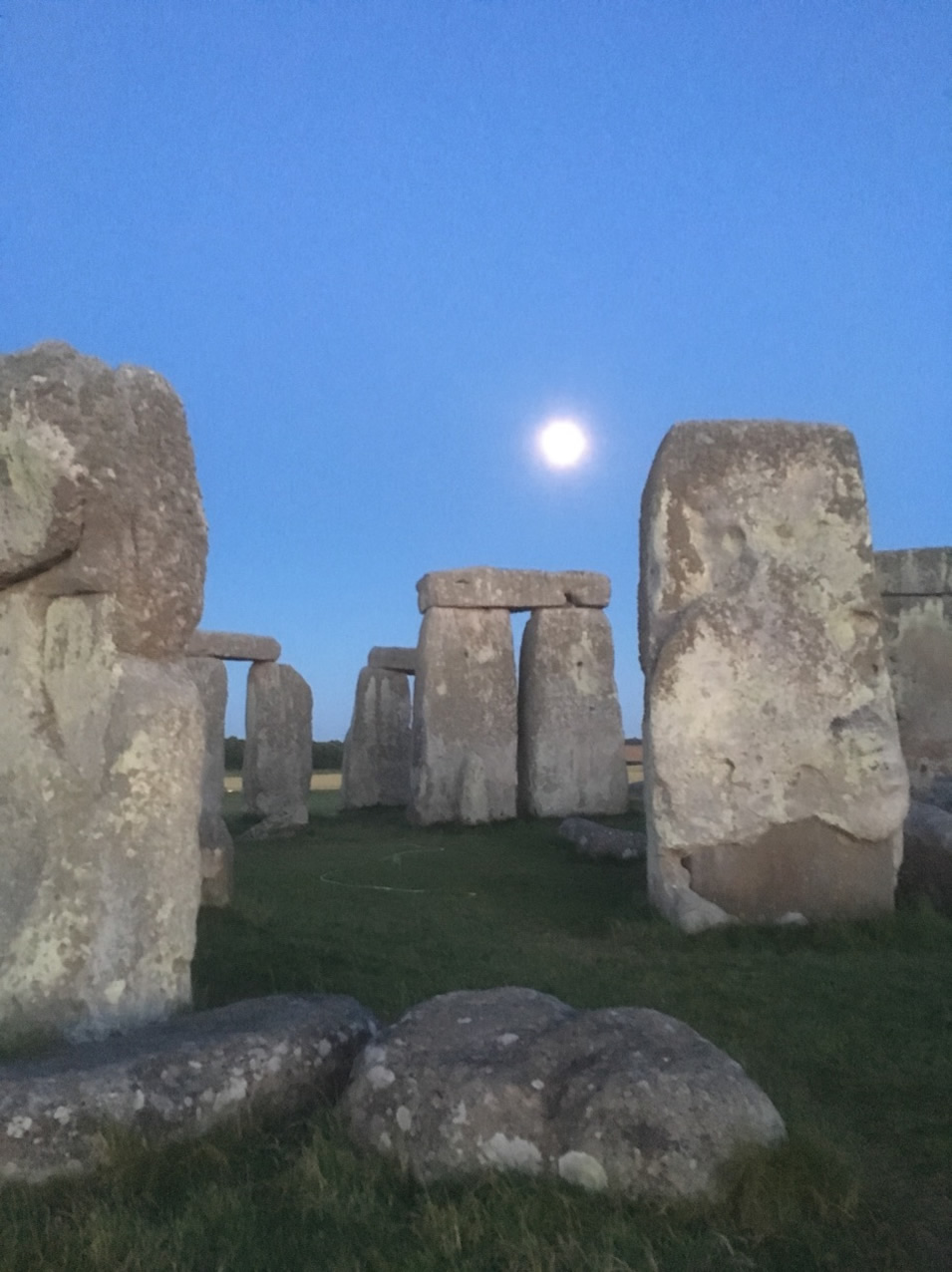
Stonehenge Autumn Equinox (Mabon) Managed Open Access Arrangements: 23rd September 2025

13 09 2025

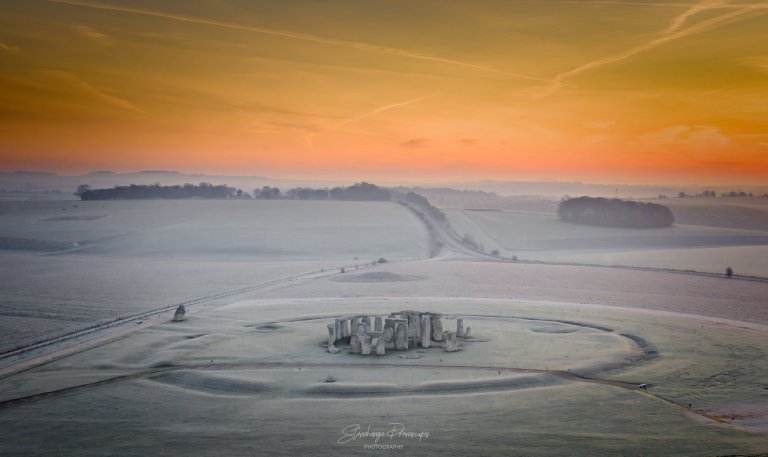
The Autumn Equinox (Mabon) is rapidly approaching as the last days of summer slowly come to an end. English Heritage are expected to offer a short period of access, from first light or safe enough to enter the monument field (approximately 06.15am until 08:30am) on the 23rd September.
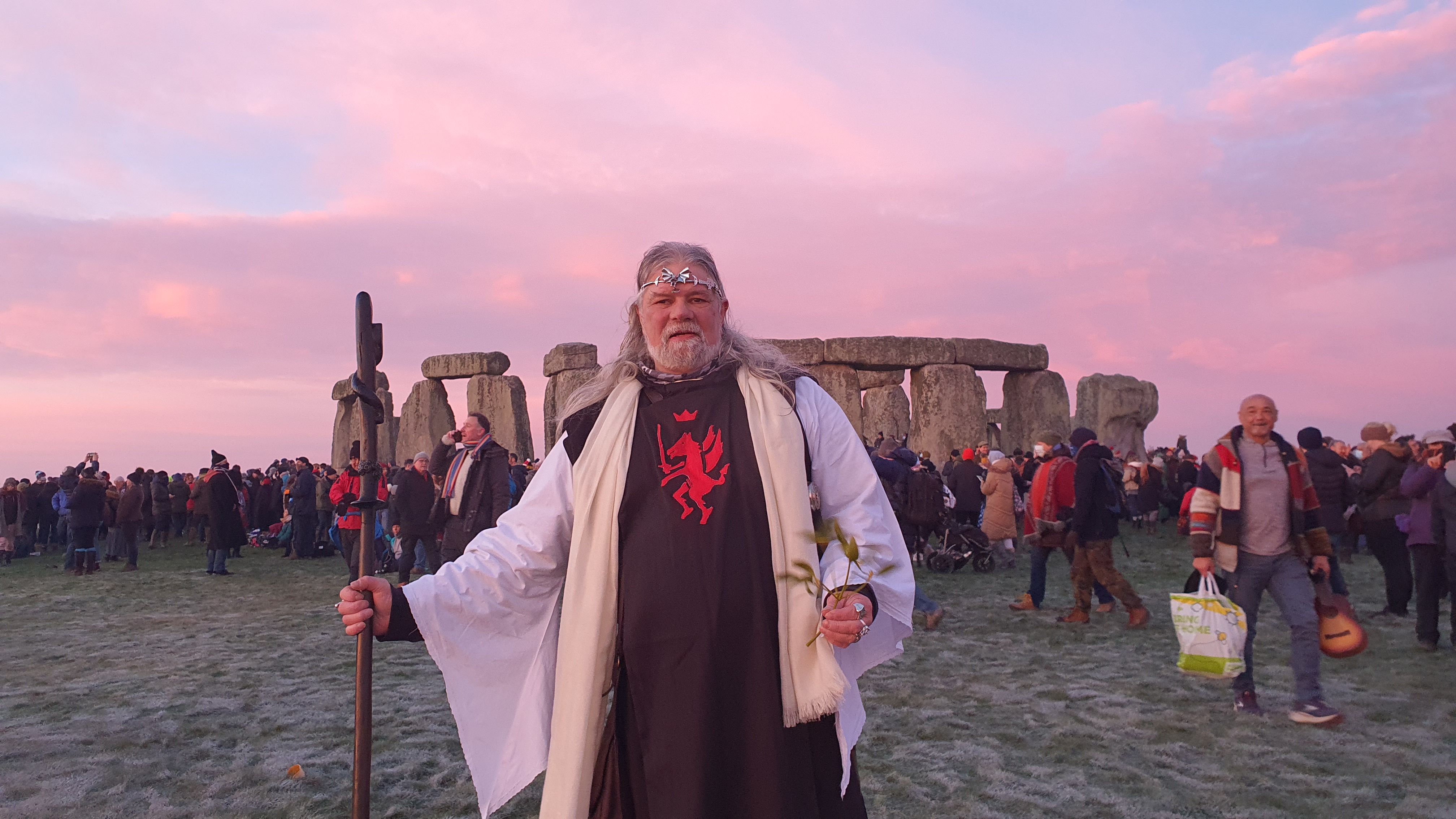
Entry to the monument will begin between 05:45 – 06.15 hours (or when it is light enough to safely enter) on Tuesday 23rd September.

The Stonehenge car park will open at 05:15am. All vehicles must vacate the car parks by 11am.
Please note: there is a 25-30 minute walk (approximately 1½ miles or 2km) from the Stonehenge Visitor Centre to Stonehenge. This walk is across National Trust downland which is uneven: sensible footwear and a torch are advisable.

There will be a shuttle bus to the stones operating once the monument field has been opened (see times above).

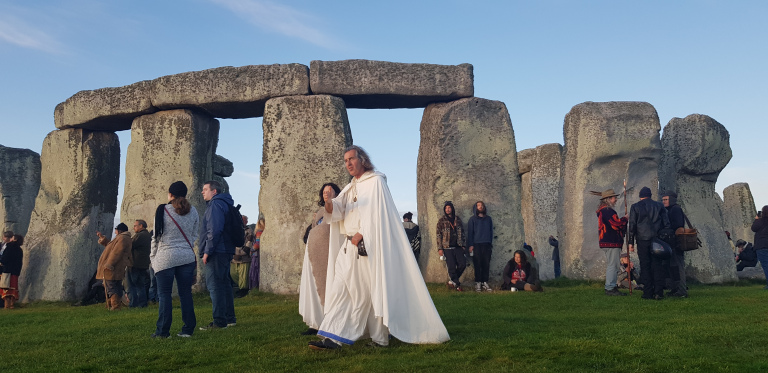
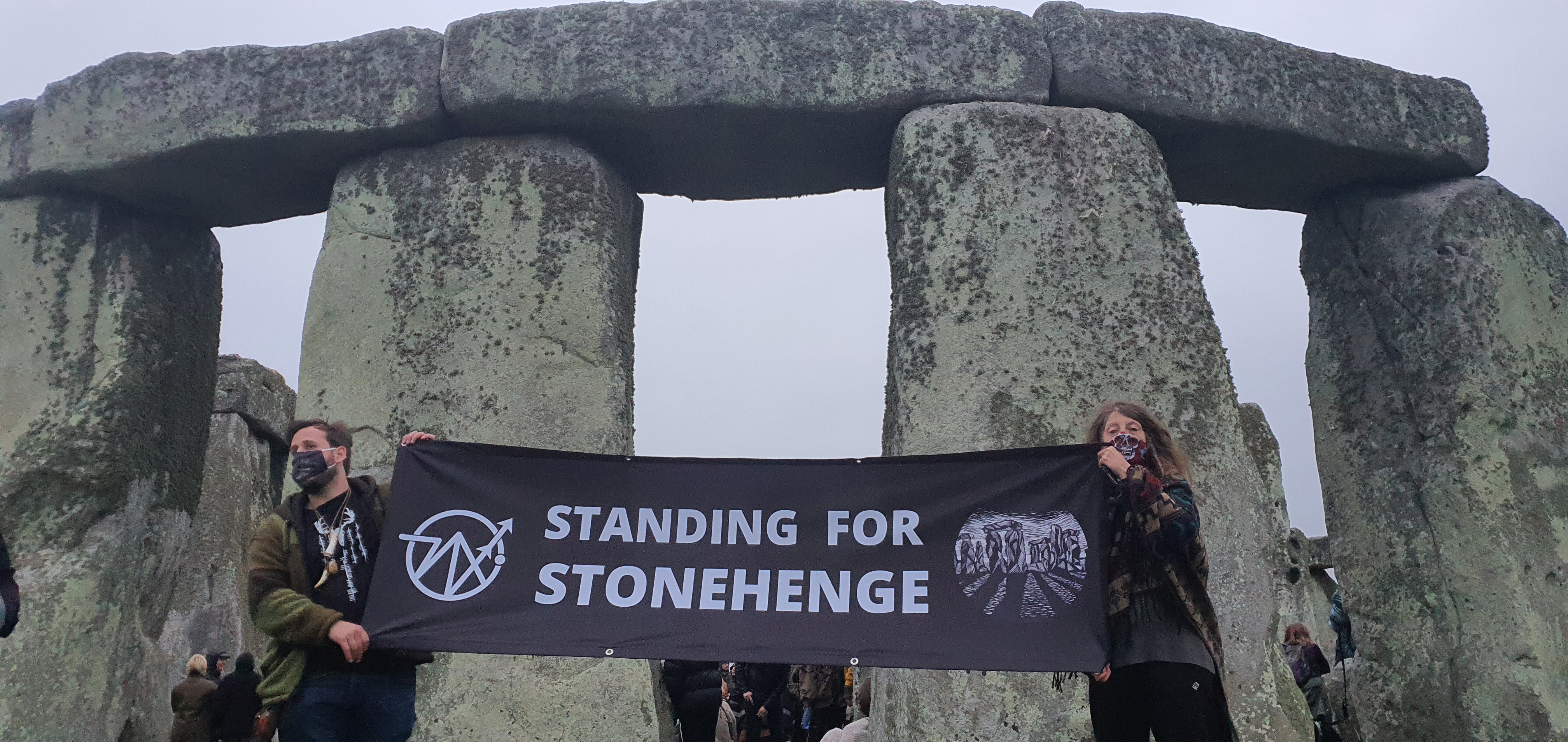
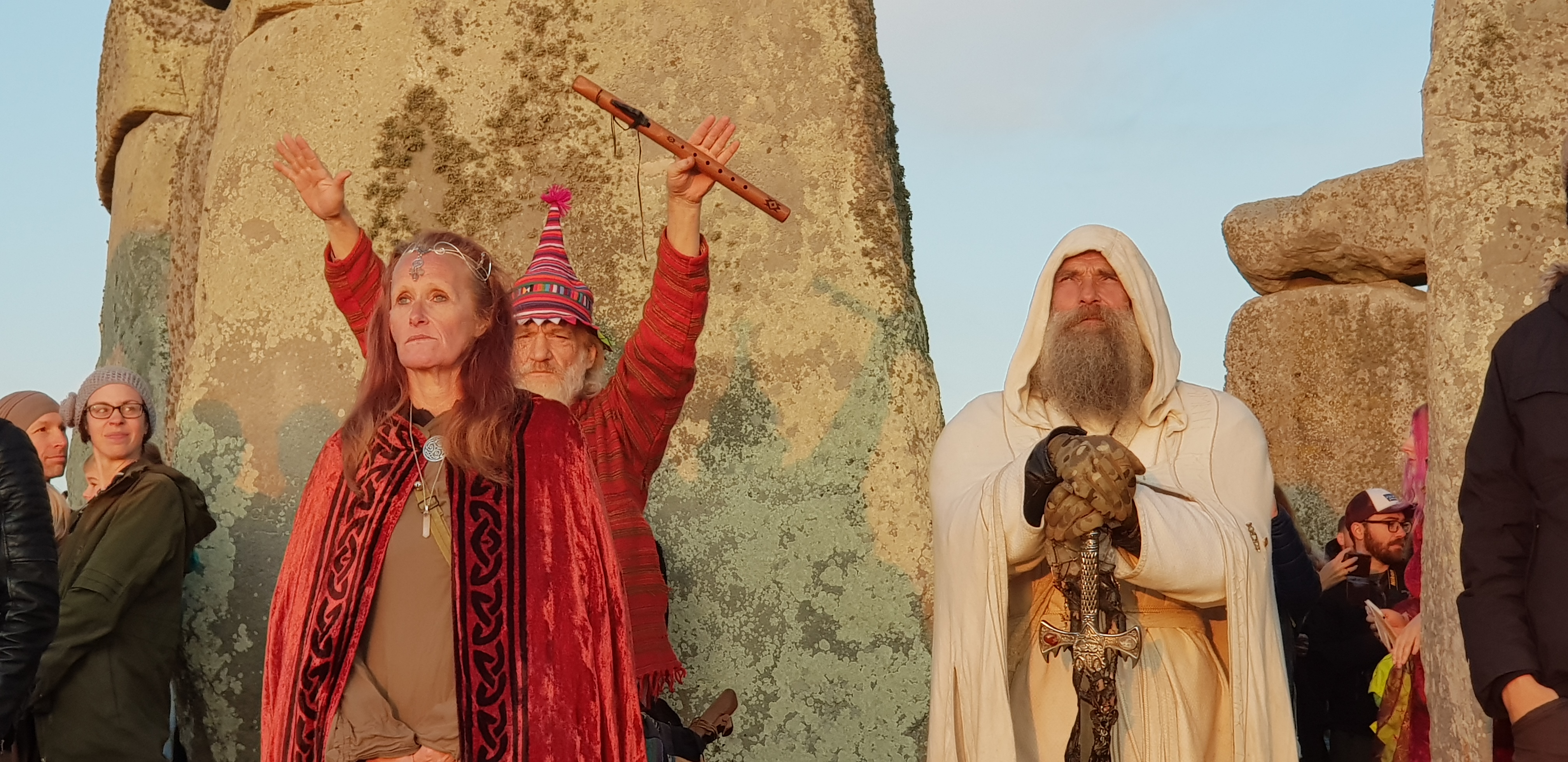
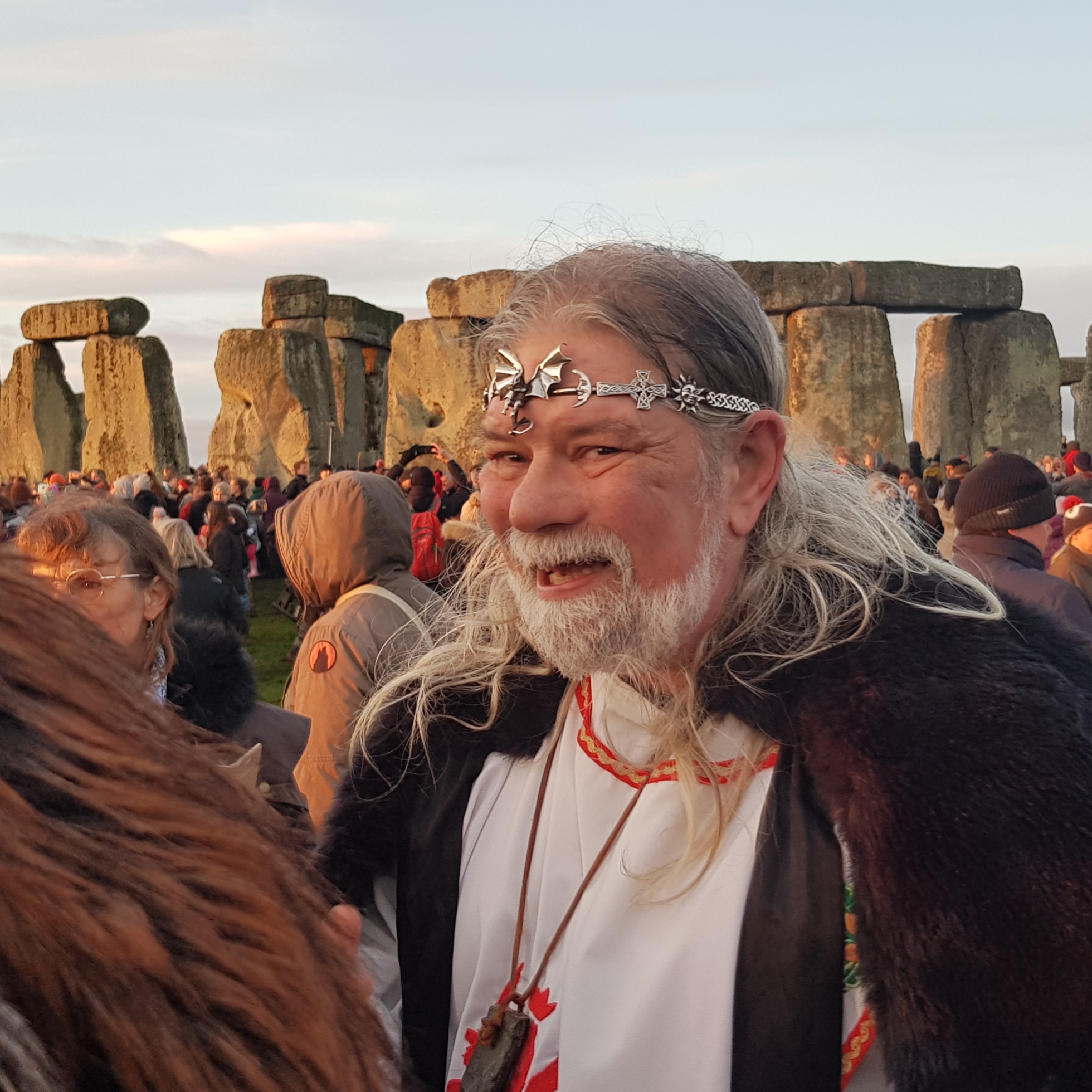
he Autumn Equinox is one of the rare occasions that English Heritage opens up the stones for public access. Equinox open access attracts fewer people than the Solstices – in the several hundreds rather than tens of thousands – and there are modern Druid ceremonies which are held in the circle around dawn, so if you prefer a quieter experience then attending the Autumn Equinox is a good choice.

English Heritage has facilitated Managed Open Access (MOA) to Stonehenge for the celebration of the summer solstice, winter solstice, spring and autumn equinox (spring and autumn equinox fall outside of this contract). English Heritage provides access to the stone circle and the monument field, free of charge to anyone who wishes to attend, but asks all those attending to comply with conditions of entry to ensure the safety of all visitors and to protect the monument. To safely provide MOA across the year, English Heritage works in partnership with Wiltshire Police and Wiltshire Council and engages experienced event managers and health and safety experts.

Please note: there is a 25-30 minute walk (approximately 1½ miles or 2km) from the Stonehenge Visitor Centre to Stonehenge. This walk is across National Trust downland which is uneven: sensible footwear and a torch are advisable.

Mabon is a harvest festival, the second of three, that encourages pagans to “reap what they sow,” both literally and figuratively. It is the time when night and day stand equal in duration; thus is it a time to express gratitude, complete projects and honor a moment of balance.

What is the Equinox?
The equinox is when day and night are actually the same length. It happens several days before the spring equinox, and a few days after the autumn one.

The reason day and night are only almost equal on the equinox is because the sun looks like a disk in the sky, so the top half rises above the horizon before the centre

The Earth’s atmosphere also refracts the sunlight, so it seems to rise before its centre reaches the horizon. This causes the sun to provide more daylight than many people might expect, offering 12 hours and 10 minutes on the equinox.

The word ‘equinox’ itself actually mean ‘equal’ (equi) and ‘night’ (nox).

Respecting the Stones
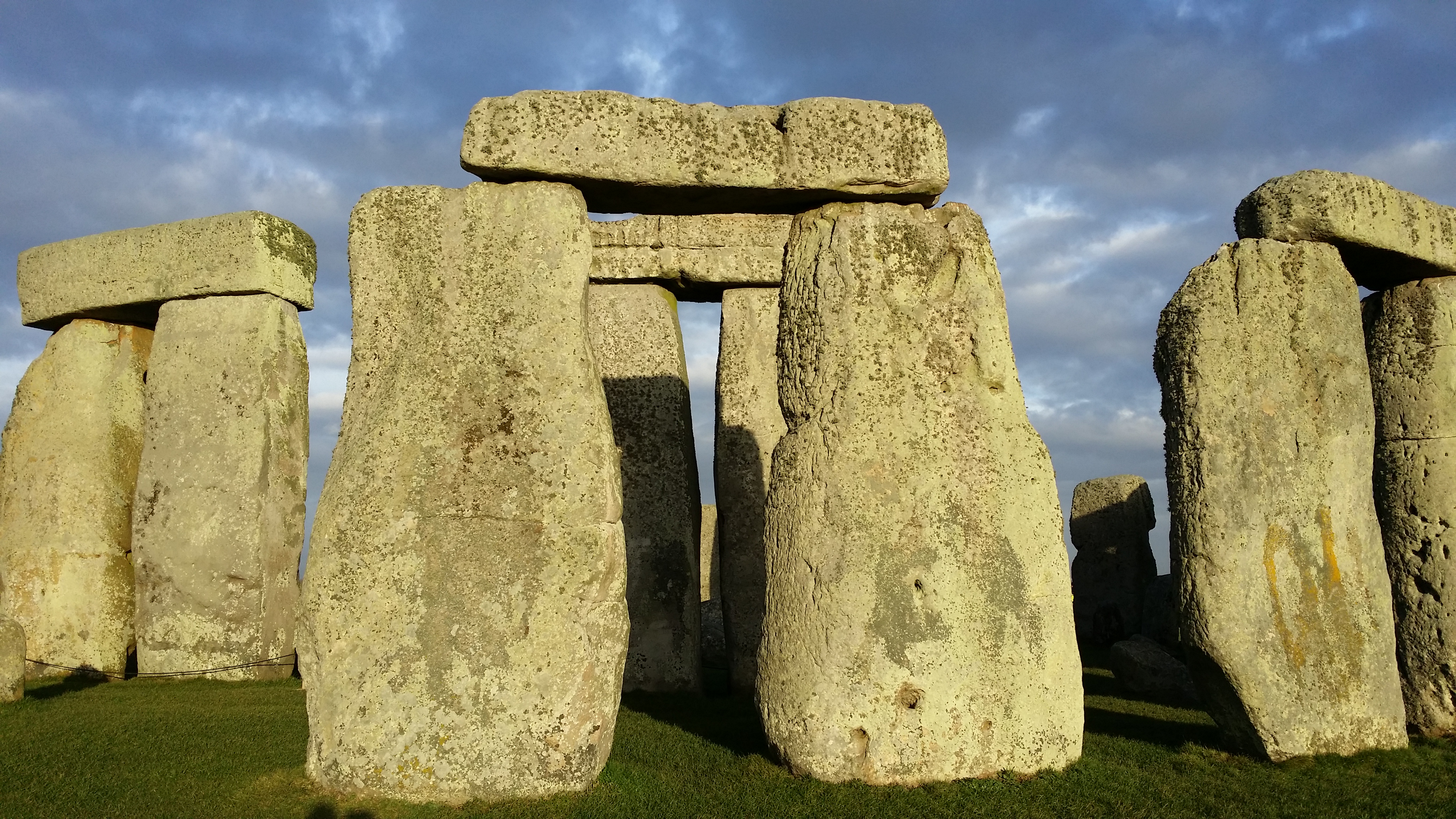
Stonehenge is protected under the Ancient Monuments and Archaeological Areas Act and you must adhere to the regulations outlined in the act or face criminal prosecution. No person may touch, lean against, stand on or climb the stones, or disturb the ground in any wayView the conditions of entry and respect the Stones

MORE iNFORMATION

You can find out more about attending Solstice and Equinox by clicking on the links below.

Travelling to Stonehenge

What (and what not) to bring

Respect the stones

Safety, facilities and welfare

Accessibility

Accommodation

Equinox Links:
Stonehenge Autumn Equinox Conditions – English Heritage
Stonehenge Autumn Equinox Tours departing from Bath – Solstice Tours UK
What is the autumnal equinox? Royal Museums Greenwich
What is the Autumn equinox? Here’s what you need to know. National Geographic
Stonehenge and the Druids – Who are the Druids? Stonehenge News Blog
The Stonehenge Pilgrims – Stonehenge News Blog

Follow us on Twitter and Facebook for 2025 Equinox updates and Stonehenge news
The Stonehenge News Blog
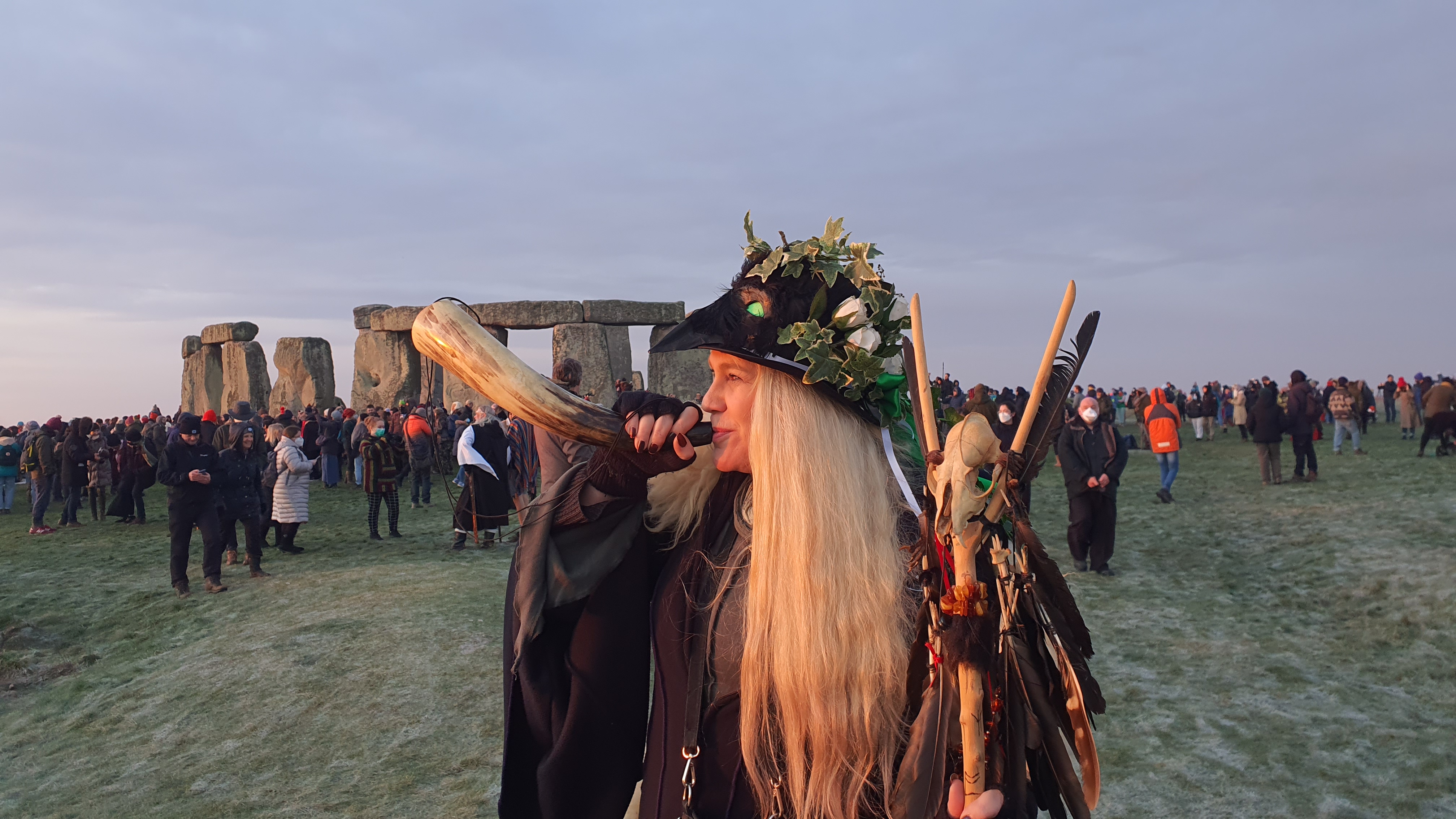


Prehistoric cow tooth supports Welsh origin of Stonehenge stones. Scientists uncover new evidence about how the stones were transported there.

26 08 2025

A Neolithic cow tooth discovered at Stonehenge dating back to its construction offers new evidence of the stone circle’s Welsh origins, finds a new study involving UCL researchers. (SOURCE)

Stonehenge on the Winter Solstice. Construction of the iconic stone circle began around 3000 B.C.E. and continued in several phases

The paper, published in The Journal of Archaeological Science, examined a cow’s jawbone that was discovered in 1924 beside Stonehenge’s south entrance. Using isotope analysis of one of its teeth, the researchers dated it to around the time of the monument’s beginning, between 2995 and 2900 BCE, and placed its likely origin in Wales.

This is the first time that scientists have seen evidence linking cattle remains from Stonehenge to Wales, adding further weight to theories that cows were used in the transportation of the enormous rocks across the country. Previous research has shown that Stonehenge’s bluestones originated in Wales.

Professor Michael Parker Pearson (UCL Archaeology) said: “This is yet more fascinating evidence for Stonehenge’s link with south-west Wales, where its bluestones come from. It raises the tantalising possibility that cattle helped to haul the stones.”

The scientists sliced the cow’s third molar tooth, which records chemical signals from the animal’s second year of life, into nine horizontal sections. They were then able to measure carbon, oxygen, strontium and lead isotopes, which each offer clues about the cow’s diet, environment and movement.

The different concentrations and varieties of elements embedded within the tooth provided insight into the cow’s life. The oxygen isotopes revealed that the tooth captured roughly six months of growth, from winter to summer, whilst the carbon isotopes showed the animal’s diet changed with the seasons: woodland fodder in winter and open pasture in summer. Additionally, the strontium isotopes indicated the seasonal food sources came from different geological areas, suggesting that the cow either moved seasonally or that winter fodder was imported.

The lead isotopes revealed composition spikes during the late winter to spring, pointing to a lead source that was older than the lead in the rest of the tooth. The composition suggests the cow originated from an area with much older Palaeozoic rocks, such as around the Preseli hills in Pembrokeshire, Wales, where the Stonehenge’s bluestones originated before being transported to Sailsbury Plain.

Professor Jane Evans, BGS Honorary Research Associates said: “This study has revealed unprecedented details of six months in a cow’s life, providing the first evidence of cattle movement from Wales as well as documenting dietary changes and life events that happened around 5,000 years ago. A slice of one cow tooth has told us an extraordinary tale and, as new scientific tools emerge, we hope there is still more to learn from her long journey.”

In addition, researchers also concluded that the unusual lead signal could not be explained by local contamination or movement alone. Instead, that lead stored in the cow’s bones had been remobilised during the stresses of pregnancy. If true, this would mean the cow was female and pregnant or nursing during the tooth’s formation. To test the hypothesis, the team applied a peptide-based sex determination technique at the University of Manchester, which showed there was a high probability that the animal was female.

Richard Madgwick, professor of archaeological science at Cardiff University, said: “This research has provided key new insights into the biography of this enigmatic cow whose remains were deposited in such an important location at a Stonehenge entrance. It provides unparalleled new detail on the distant origins of the animal and the arduous journey it was brought on. So often grand narratives dominate research on major archaeological sites, but this detailed biographical approach on a single animal provides a brand-new facet to the story of Stonehenge.”

Links

The Stonehenge News Blog

Follow us on Twitter and Facebook for all the latest Stonehenge Newshttp://www.Stonehenge.News


Stonehenge mystery is possibly SOLVED after 5,000 years – as scientists finally crack how enigmatic boulder was transported from Wales

25 07 2025

It’s the monument that has baffled scientists for hundreds of years. But now, experts may have finally solved one of Stonehenge’s greatest mysteries.

Boulders at Stonehenge were taken to the monument’s site by humans, rather than dragged there by glaciers, new scientific research claims.

The ancient monument, near Salisbury in south-west England, was built with stones from all parts of Great Britain, including the smaller bluestone megaliths, most of which came from north Pembrokeshire, 140 miles (225km) away.

While many archaeologists believe the smaller bluestones from the Preseli Hills were transported by humans, others believe they were transported by glacial ice long before Stonehenge was built.

Now, a research team at Aberystwyth University says its work shows there is “no evidence” to support the ice transport theory.

The bluestones are believed to have been among the first erected at the Wiltshire site about 5,000 years ago.

The team’s work focused on the so-called Newall Boulder, a 22x15x10cm rock excavated at Stonehenge in 1924 orginally from Craig Rhos-y-Felin in Pembrokeshire.

The boulder is now in the collection of the Salisbury Museum.

RELATIVE NEWS
Stonehenge boulder debate settled, scientists say – BBC SOURCE
Stonehenge’s biggest remaining mysteries: The 5 key unanswered questions – as scientists crack how enigmatic boulder was transported from Wales DAILY MAIL
Stonehenge mystery is SOLVED after 5,000 years – as scientists finally crack how enigmatic boulder was transported from Wales – DAILY EXPRESS
Want to visit Stonehenge with an expert tour guide and hear all about the latest discoveries? THE STONEHENGE TOUR COMPANY
Visit the inner circle of Stonehenge and walk amongst the Stones and dawn or dusk – STONEHENGE GUIDED TOURS

The Stonehenge News Blog

Follow us on Twitter and Facebook for all the latest Stonehenge Newshttp://www.Stonehenge.News


Stonehenge’s UNESCO World Heritage Site status is under threat.

25 07 2021

Stonehenge could become the latest heritage site in the UK to lose its UNESCO status as a £1.7bn Government plan to build a new road and tunnel there could threaten its history, ministers have been told.

Stonehenge could be on the verge of losings its World Heritage status, if a planned £1.7bn road tunnel goes ahead.

The news comes just days after Liverpool was stripped of its Unesco status, one of just three places to have the ranking removed in almost 50 years.

The world’s most recognisable rock monument, near Salisbury, is expected to be next in line to face the axe from the UN-backed agency who are said to be considering placing it on its ‘in danger list’.

Stonehenge Avebury and Associated Sites was awarded UNESCO World Heritage Status in 1986, meaning has cultural, historical, or scientific value ‘considered to be of outstanding value to humanity.

Internationally, Stonehenge is revered as one of the wonders of the world and is viewed alongside global treasures including the Taj Mahal, Pyramids of Giza and Machu Piccu. 

STONEHENGE A303 TUNNEL NEWS:

Stonehenge may be next UK site to lose world heritage status – The Guardian
Stonehenge could lose world heritage status following Liverpool – The Independent
Stonehenge ‘could lose World Heritage status’ due to £1.7bn road tunnel plan – The Mirror
Stonehenge could be next to lose Unesco world heritage status due to £1.7bn tunnel – The Daily Mail
A303 Stonehenge Tunnel | Court case has begun to determine lawfulness of planning decision – Stonehenge News Blog
The Knotty Problem of the A303 and Stonehenge.- Stonehenge News Blog
The Stonehenge Tunnel Debate – the good, the bad, and the ugly – Stonehenge News Blog

The Stonehenge News Blog
Follow us on Twitter and Facebook for all the latest Stonehenge News
http://www.Stonehenge.News


Stonehenge versus Avebury

4 12 2020

The world-famous Neolithic monument of Stonehenge is on everyone’s bucket-list, or seems to be – going by the droves who visit it every year – but many miss out on its sister UNESCO World Heritage Site at Avebury, only 17 miles away. What are they missing out on, and is it even better? Does it out-henge Stonehenge?

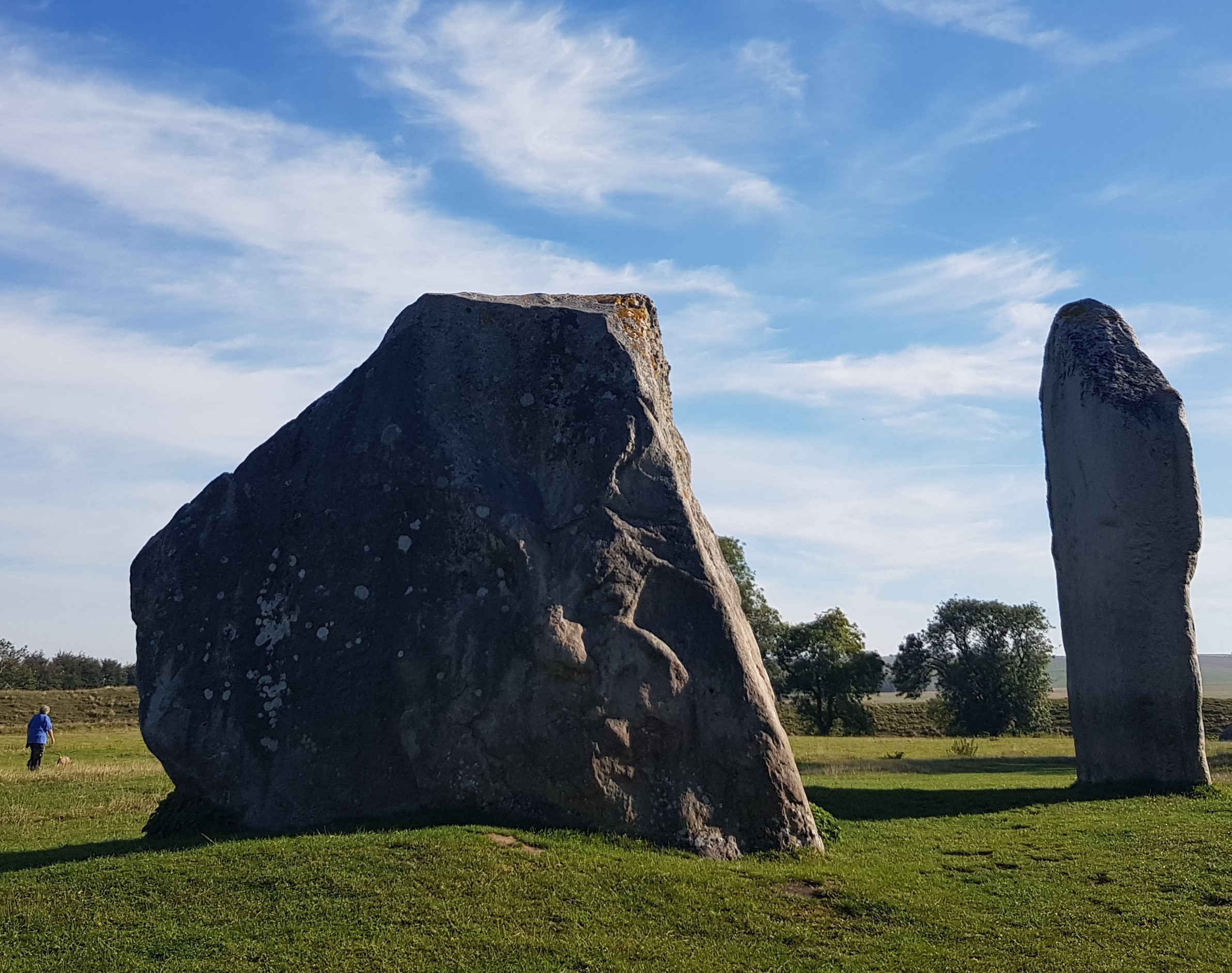
When in Wiltshire, one should most certainly visit Stonehenge, which is undoubtedly the world’s most famous stone circle. But one should also make time to visit Wiltshire’s “other” stone circle, Avebury — which holds the distinction of being the largest in the world.

Stonehenge has long been a must-see for any visiting England and venturing beyond the capital – and rightly so. The iconic stone circle, standing proud on Salisbury Plain, is one of the seven ‘modern’ wonders of the world (as opposed to the classical ones, of which only the Great Pyramid of Giza survive), and in 2019 1.6 million people visited it.  Let us first consider its attractions before looking at its great ‘rival’, Avebury.

To its deficit are: the hordes of tourists, queues, pricey entrance fee, and the fact you cannot walk amongst the stones unless you’re on a special private access tour, such as Stonehenge Tours run).

Right, so that’s Stonehenge. Now, let’s travel north (17 miles by crow) to Avebury and consider its attractions…

  • The largest stone circle in Britain at 1,088 feet across, comprising (originally) 98 sarsens configured as one large circle containing two smaller ones.
  • The henge of Avebury is deeper, wider, and far more tangible than the slight dip of Stonehenge. If it is ‘henge’ you want – Avebury is the place to experience it.
  • The only stone circle with a pub in the middle of it (The Red Lion!).
  • Free to enter (except for parking).
  • You can walk amongst the stones.
  • The Avebury landscape (all part of the UNESCO World Heritage Site) contains incredible, unique monuments, including Silbury Hill, the largest man-made mound in Europe; West Kennet long barrow (the best preserved example of a Cotswold-Severn transepted barrow tomb); the Sanctuary; Seven Barrows; the Ridgeway; Fyfield Down sarsen field; and Windmill Hill early Neolithic enclosure and Bronze Age barrow cemetery.
  • A selection of small businesses selling local produce, art and crafts.

To its deficit, the visitor facilities are pretty basic (a small car-park that is often at capacity in the summer; the National Trust tea rooms are currently only offering takeaway; and service in The Red Lion is glacial). The post office/grocery store is probably the best option for a quick snack.

Nevertheless, I think it is clear that Avebury offers so much and any visitor to the area is missing out on something very special if they don’t include it in their itinerary. While access to Stonehenge remains restricted during current ‘lockdown’ rules (and closed for the Winter Solstice) Avebury provides an excellent alternative that will not disappoint.

GUEST BLOGGER: Dr Kevan Manwaring is an author, lecturer, and specialist tour-guide. His books include The Long Woman (a novel which features Stonehenge and Avebury) He is a keen walker and loves exploring the ancient landscape of Wiltshire, where he lives with his archaeologist partner.

STONEHENGE AND AVEBURY LINKS:
Official website of Stonehenge & Avebury WHS (World Heritage Site). STONEHENGE & AVEBURY WHS
Award-winning museum displays featuring Gold from the Time of Stonehenge. THE WILSHIRE MUSEUM
Ancient stone circle, museum and manor house in the heart of the Avebury World Heritage Site. NATIONAL TRUST
Visit Stonehenge and Visitor centre. Book tickets ENGLISH HERITAGE
Avebury: Wiltshire’s “Other” Stone Circle. TIME TRAVEL BRITAIN
Stonehenge and Avebury Tour Specialist (depart from London) STONEHENGE GUIDED TOURS
Stonehenge and Avebury World Heritage Tours (depart from Salisbury). STONEHENGE TRAVEL COMPANY
Stonehenge and Avebury Tours (from Glastonbury) TORS TOURS
Stonehenge and Avebury Guided Walking Tours (depart from Bath). THE STONEHENGE TOUR COMPANY
Plan your visit to Wiltshire. Official Wiltshire Tourist Information Site. VISIT WILTSHIRE

The Stonehenge News Blog
Follow us on Twitter and Facebook for all the latest Stonehenge News
http://www.Stonehenge.News


Incredible Discovery at Durrington Walls, near Stonehenge.

25 06 2020

This week has seen one of the greatest archaeological discoveries in recent years.

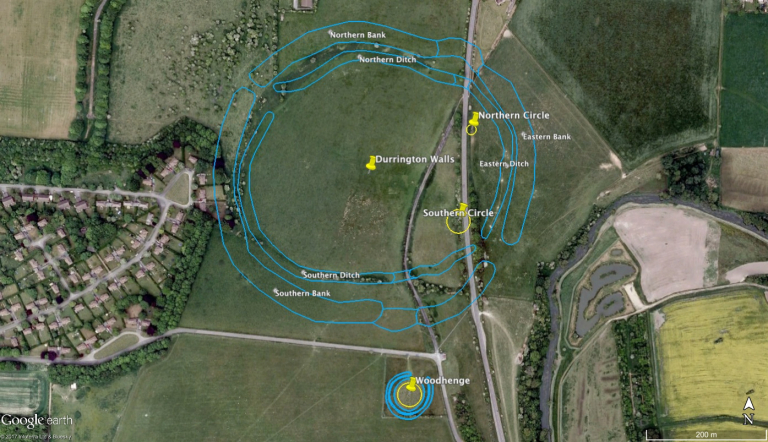
For centuries, archaeologists as well as the public have marvelled at the sheer richness of neolithic history concentrated in the Wessex area. Whether it’s the world famous mystery of Stonehenge, Avebury stone circle or Durrington Walls  (possibly the largest neolithic settlement in Europe). With such a historic landscape, so rigorously examined over the years, new discoveries are often few and far between or small in scale. This week however, archaeologists have discovered a gigantic neolithic circle of deep shafts surrounding Durrington Walls – a discovery of seismic proportions.

A  new circle discovered near Stonehenge, is more than 10 metres in diameter and five metres deep.  Photo taken by Stonehenge Dronescapes.

A new circle discovered near Stonehenge, is more than 10 metres in diameter and five metres deep. Photo taken by Stonehenge Dronescapes.

“This is an unprecedented find of major significance within the UK,” said archaeologist Vincent Gaffney.

The neolithic settlement, thought to be where the builders of Stonehenge resided, lies around 3 km from the iconic monoliths. The newly found surrounding circle consists of over 20 colossal shafts in fastidiously accurate arrangement. Archaeologists have reported that the shafts form a circle more than two kilometres wide around the ancient settlement, and they believe this perimeter served as a boundary to a sacred area. 

The shafts themselves, 10 metres (32 Feet) wide and five meters (16 Feet) deep, are believed to be more than 4,500 years ago, the same age as the Durrington Walls settlement.

Experts from several institutes including University of St Andrews, the University of Wales, Warwick, Birmingham, Trinity Saint David and the Scottish Universities Environmental Research Centre at the University of Glasgow, came together in a multidisciplinary effort to make this stunning finding. 

Not only is this one of the largest finds in recent years, but also could prove to be an incredibly important discovery for our understanding of the Neolithic peoples. This find could be the decisive evidence needed to prove our ancestors enacted a system of counting. Such is the exact and geometrically precise nature of the circle. It has been described by archaeologists who worked on the project as ‘a masterpiece of engineering’. 

Indeed, Prof Vincent Gaffney, a leading archaeologist on the project, said: “This is an unprecedented find of major significance within the UK. Key researchers on Stonehenge and its landscape have been taken aback by the scale of the structure and the fact that it hadn’t been discovered until now so close to Stonehenge.”

Long recognised on old maps as an ancient British Village, Durrington Walls’ true importance only became apparent in the late 1960s when the road through it was realigned on a straighter path. You can see the line of the old, smaller, road in the aerial photo running to the left of the new road.

Long recognised on old maps as an ancient British Village, Durrington Walls’ true importance only became apparent in the late 1960s when the road through it was realigned on a straighter path. You can see the line of the old, smaller, road in the aerial photo running to the left of the new road.

The incredible story unfolded in characteristic fashion. Initially, archaeologists thought the large pits were simple watering holes designed to slake the thirst of livestock. But when they investigated further, using cutting edge radar, they discovered that the holes were far too deep for this purpose.

A combination of techniques were then used to unfold the fascinating reality. Dr Nick Snashall, National Trust archaeologist for the Stonehenge and Avebury World Heritage Site, said: “The Hidden Landscape team have combined cutting-edge, archaeological fieldwork with good old-fashioned detective work to reveal this extraordinary discovery and write a whole new chapter in the story of the Stonehenge landscape.”

The discovery only accentuates the sheer scale of neolithic intrigue hosted by the landscape of Wessex. Hopefully there will be many more discoveries in the years to come and the lives of our ancient ancestors will become even clearer to us.

Relevant Stonehenge News:

Vast neolithic circle of deep shafts found near Stonehenge – THE GUARDIAN
Archaeologists Discover Enormous Ring of Ancient Pits Near Stonehenge – SMITHSONIAN MAGAZINE
‘Astonishing discovery’ near Stonehenge led by University of Bradford archaeologists offers new insight into Neolithic ancestors – BRADFORD UNIVERSITY
A hole new ‘Stonehenge’! New prehistoric monument dating back 4,500 years made up of 15ft-deep shafts in a mile-wide circle is discovered in English countryside – THE DAILY MAIL
Giant circle of shafts discovered close to Stonehenge – ABC NEWS
Tour company specialising in guided tours of Stonehenge and the surronding landscape – STONEHENGE GUIDED TOURS
Archaeologists discover ‘astonishing’ huge circular neolithic monument next to Stonehenge – THE INDEPENDENT
Durrington Walls, Stonehenge Landscape walk – THE NATIONAL TRUST
Neolithic monument unearthed near Stonehenge in ‘astonishing’ archaeological discovery – THE METRO
HIDDEN HENGE Stonehenge – Neolithic stone circle dating back 4,500 years discovered just miles from site – THE SUN
Durrington Walls: The largest henge monument in Britain – THE STONEHENGE NEWS BLOG
Salisbury based tour operator offering guided walks and tours of the Stonehenge landsacpe – STONEHENGE AND SALIBURY GUIDED TOURS
Durrington Walls: The largest henge monument in Britain – THE STONEHENGE NEWS BLOG
Durrington Walls Dig: August 2016 – THE STONEHENGE NEWS BLOG
The Blick Mead excavations have transformed the understanding of the Stonehenge landscape. – THE STONEHENGE NEWS BLOG


The Stonehenge News Blog
Follow us on Twitter and Facebook for all the latest Stonehenge News
http://www.Stonehenge.News


WHILST STONEHENGE IS TEMPORARILY CLOSED YOU MAY WANT TO TAKE A VIRTUAL TOUR OF THE STONES

20 03 2020

Take an interactive tour of Stonehenge with the 360 degree view from inside the monument. Visit the English Heritage website and click the hotspots to find out more.

There is a also a great panoramic tour inside the stones created by Howard Goldbaum whose website Voices of the Dawn mainly concentrates on the Folklore of Ireland’s Ancient Monuments. Stonehenge virtual inner circle tour.Back in 2010 he spent many sessions taking thousands of photographs inside Stonehenge, when it was closed to the public, which have been ‘stitched’ together to unique set of views of the inner circle. All similar ones we have seen are taken from just one spot, but what makes this unique is that you can take a panoramic view from several different places inside Stonehenge – just choose your viewpoint on the plan in the bottom left hand corner and away you go.

INTERACTIVE MAPS OF THE STONEHENGE LANDSCAPE: Discover what the landscape around Stonehenge has looked like from before the monument itself was first built through to the present day. Move between the four maps to see the Stonehenge landscape at different periods, and open the image windows to find out more about each feature. Click here

Nearby Avebury Stone Circle remains open (from dawn to dusk) for you to enjoy, while observing social distancing measures.

If this has whetted your appetite and you want to go inside Stonehenge and learn more about the other monuments in the surrounding landscape which help explain why the stones are where they are, then have a look at the Stonehenge special access tours 

The Stonehenge News Blog
Follow us on Twitter and Facebook for all the latest Stonehenge News
http://www.Stonehenge.News
Read the rest of this entry »


Stonehenge and the Druids – who are the Druids?

23 02 2020

Stonehenge’s mysterious beauty affects us all in different ways, but for many it is a sight of genuine religious importance.

Stonehenge Solstice Celebrations

Stonehenge Solstice Celebrations

‘Druids’ is the general term used to refer to this multitudinous group who see Wiltshire’s world heritage site as a place of worship. In reality, Druidic beliefs vary, with different groups including neo-pagans and wiccans. Nonetheless, a whole host of Druidic worshippers converge on Stonehenge for the solstices, equinoxes and beyond. Today, there are over 7,000 members of the British druid order and I wanted to take a look at the history of druidism and its ties with Stonehenge’s arcane monoliths.

History of Druidism

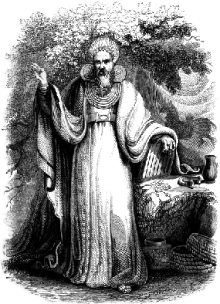
DruidDruids pre-dated the Roman invasion of Britain and in ancient Celtic cultures they were members of highly respected shamanic class. They were typically religious leaders, but also law keepers, chroniclers, doctors, and even political advisors. They were first mentioned in the 2nd century BC in roman sources and were even reported by Julius Caesar in 59 B.C. Druid’s were the arbiters of spirituality in pre-roman Britain and had a deep connection with the lore of the isles.
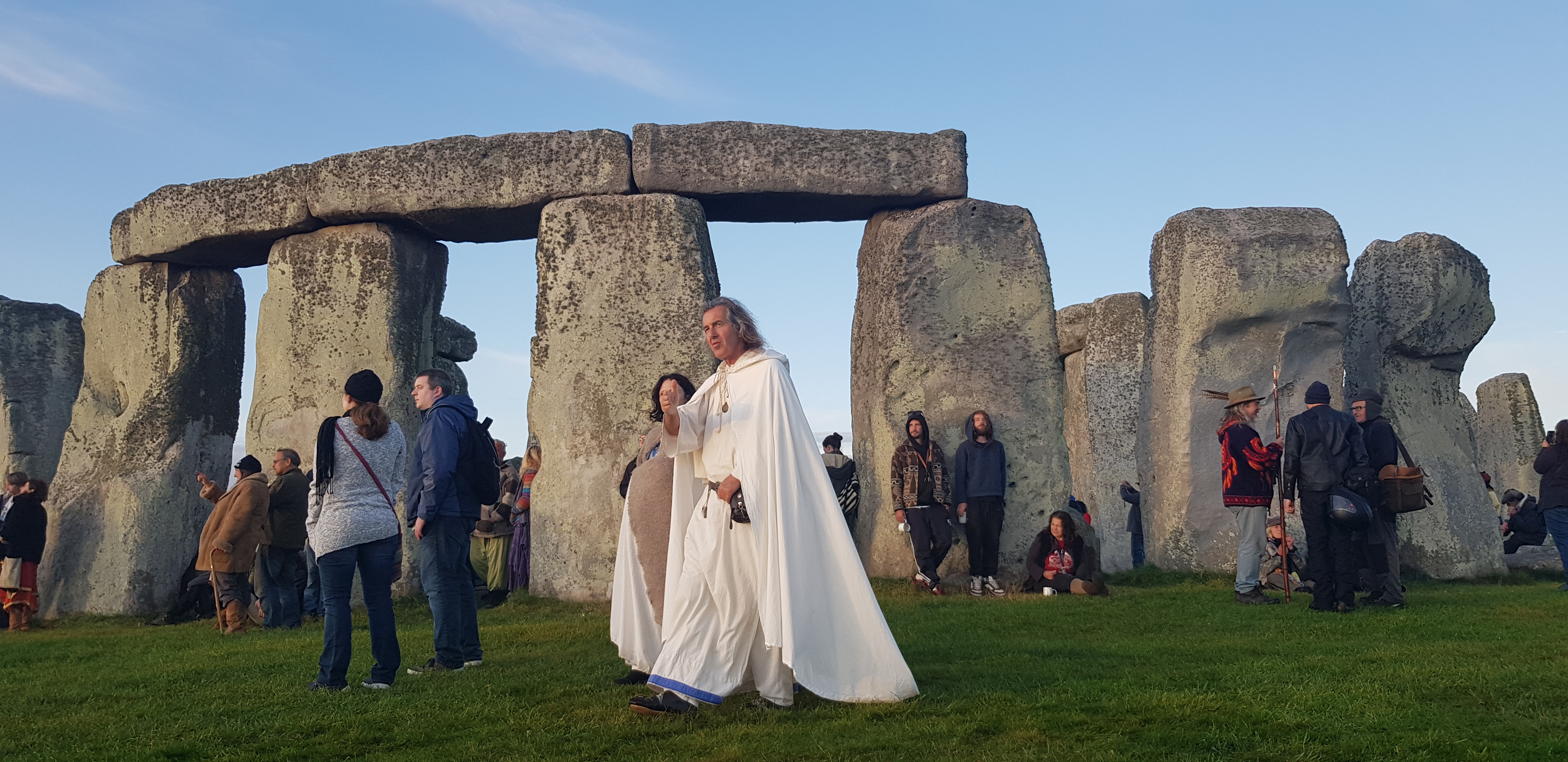

With first the Roman invasion (Roman religion tended towards assimilation, absorbing deities of other faiths in the hope of conversion) and then the rise of Christianity, Druidism faded into near non-existence. However, something of Druidic traditions remained and was eventually revived.

Two figures of huge importance to the Druidic revival were John Aubrey (1626-1692) and William Stukely (1687-1765). Aubrey was the first to suggest that Stonehenge had been built by Celtic Druids, the most prominent theory on the formation of Stonehenge until the 20th Century. Stukely (also famous for discovering the Cursus and Avenue at Stonehenge), proliferated the theory that Druid’s built Stonehenge and also worked hard to revive the culture, eventually proclaiming himself a Druid. Stukley worked hard to popularise Druidism, reviving pagan lore and dress whilst throwing parties in accordance with ancient beliefs. For Stukley, Stonehenge was a temple of worship – eventually publishing Stonehenge: A Temple Restor’d to the British Druids.

The origin of the word ‘Druid’’ is unclear, but the most popular view is that it comes from ‘doire’, an Irish-Gaelic word for oak tree (often a symbol of knowledge), also meaning ‘wisdom’. Druids were concerned with the natural world and its powers, and considered trees sacred, particularly the oak.

Today, the most prominent druid could be said to be a Salisbury Druid by the name of Arthur Uthur Pendragon – who has spent 33 years a Druid. A religious enthusiast, he can be found at every Stonehenge celebration and he also leads campaigns to reduce parking fees and has even run for MP.

IMG_20200111_201224_277

Arthur Pendragon

Druidic Beliefs

From the time of the Celtic Druids, Druidism has had a strong bond with the natural world as well as the cosmos. Although Stukley determinedly linked his version of Druidism with Christianity – dubbing it ‘Patriarchal Christianity’ – Druidism since ancient times has been polytheistic, with different deities existing in the elements around us. The community largely believes that Stonehenge was built by ancient Druids as a place of worship – it being aligned with the midsummer sunrise so perfectly. Stonehenge thus represents the spiritual connection of man and the elements which is intrinsic to the beliefs of the Druid community.

Druids at Stonehenge

Although the 21st century has seen a decline in Druidism, (In the 2001 census 30,569 people described themselves as Druids), the numbers are once again on the rise. Perhaps in a digital age, more and more people are seeking a deeper connection with the elements. A connection that Druidism certainly offers. Who knows? Maybe you too will feel this spiritual connection on your visit to the stones.

Stonehenge and the Druids links:

The Quarter Festivals and the Druidsm – The Stonehenge News Blog
Who were the Druids? History UK
Who Were the Druids? Live Science
A Brief History of Druidry | Order of Bards, Ovates and Druids – The Druid Way
Stonehenge and the Druids – Stonehnege News Blog
Druid Leader King Arthur Uther Pendragon, Head of the Loyal Arthurian Warband. The Stonehenge News Blog

Here are links to some of the Druid Orders:

The Ancient Order of Druids – http://www.aod-uk.org.uk
The Druid Order – http://thedruidorder.org
Order of Bards, Ovates and Druids – http://druidry.org/
The Dolmen Grove – http://www.dolmengrove.co.uk/
The Dorset Grove – http://www.dorsetgrove.co.uk/
The Cotswold Order – http://www.twistedtree.org.uk/
The Loyal Arthurian Warband – http://www.warband.org.uk/
The Stonehenge and Amesbury Druids – http://www.stonehenge-druids.org/
The Gorsedd of Cor Gawr – http://bards.org.uk/
The Glastonbury Order of Druids – http://www.glastonburyorderofdruids.com/

Our sponsors at Stonehenge Guided Tours offer an exclusive opportunity to join the Druids at Stonehenge for the Equinox and Solstice celebrations

The Stonehenge News Blog
Follow us on Twitter and Facebook for all the latest Stonehenge news and stories
www.Stonehenge.News


What are the issues surrounding the proposed Stonehenge Tunnel?

28 01 2020

The Stonehenge tunnel is a proposed tunnel or sunken dual carriageway drawn up by Highways England to upgrade the A303 road, which currently passes within 165 meters of Stonehenge. Beginning with the closure of the A344 road, the Stonehenge tunnel would complete the removal of traffic from around the site by redirecting the A303 under Stonehenge. The project aims on one hand to improve the landscape around the monument, freeing tourists from traffic that detracts from the ancient wonder of the site and on the other improving the safety on the A303, resulting in smoother travel for anyone travelling to and from the south-west of England.

Stonehenge Tunnel

When it comes to the initiation and completion of this project there doesn’t seem to be much light at the end of the tunnel.

The proposed tunnel already has a long history of both bureaucratic and archaeological issues. Way back in 1995 was the first time it was proposed to build a tunnel for the A303 underneath the World Heritage Site. However, it did not take long for plans to be criticised for seemingly disregarding the archaeological significance of the Wessex landscape. It was suggested that the tunnel approach would cut in to a prehistoric track way between Stonehenge and a nearby river, resulting in the loss of archaeological remains which would harmfully affect the authenticity of the site and more than cancel out the benefits of the proposed tunnel. After years of bureaucratic wrangling the proposal was finally accepted by the Government on 12 January 2017. Today, the tunnel remains mired in controversy and the arguments against it haven’t changed much since the idea’s inception in 1995. The main issues with the proposal seem to be its staunch opposition from several parties, the complexity of the job and its price.

Opposition

The staunchest opposition to the tunnel is represented by the Stonehenge Alliance campaign group ‘a group of non-governmental organisations and individuals that seeks enhancements to the Stonehenge World Heritage Site’. This group includes environmentalists, archaeologists, residents and have recently repeated their belief that the proposed tunnel “would cause irreparable damage to the landscape”. They believe that the world heritage site of Stonehenge should be considered far wider than the barrow on which the stones stand:

The whole site, extending to beyond the horizons around the famous stones themselves, is c. 5.4 km across. All of it makes up a “huge ancient complex” that holds many secrets yet to be discovered. Yet the proposal is for a 2.9km (1.8 mile) tunnel… would result in at least 1.6 km of above-ground 21st-century road engineering…

All archaeology in the construction zones would be destroyed and the A303 would become the largest ever human intervention in an area fashioned and revered by over a hundred generations of our ancestors.

Cost

In 2018 Highways England proposed a cost of £1.6 billion and a planned start date in 2021 was indicated with the tunnel’s planned opening being in 2026. Unsurprisingly, this cost has created yet more opposition in both the commons and amongst the general public especially since the project was due to be privately funded, but now will be funded publicly since the government dismissed a ‘PFI financing model’ in the 2018 Budget.

Complexity

To protect the landscape, the plans are ambitiously complex. Not only is the job of sinking a dual carriageway a complex starting point but the project also proposes:

  • Four “green bridges” for wildlife to cross the dual carriageway.
  • Restoring areas of chalk grassland at Yarnbury Castle on Berwick Down through to the south of Parsonage Down national nature reserve.
  • 100ha of new chalk grassland to promote biodiversity in the area.
  • A viaduct at the River Till
  • Moving the junction between the A303 and A360 600m west

Adding a bureaucratic layer to the complexity is the fact that  all UK tier 1 contractors have refused to bid the job believing the current approach to be too complex with its shallow tunnel, complex geology, rabid opposition,  and huge public scrutiny because of both the cost and the environmental concerns.

Of course, all these issues are interlinked. The complexity of the job is a demanded by the opposition to protect the natural beauty of the area, but the complexity pushes up the price and then the price creates yet more opposition. It seems to be a vicious cycle. When it comes to the initiation and completion of this project there doesn’t seem to be much light at the end of the tunnel.

Stonehenge Tunnel Relevant Links:

The Knotty Problem of the A303 and Stonehenge. Stonehenge News Blog

Stonehenge Alliance calls for A303 tunnel to be scrapped in open letter to government. Salisbury Journal

Ministers do battle over £2billion Stonehenge tunnel. Daily Mail

Treasury pushes for £2bn Stonehenge tunnel to be axed. Financial Times

Reuniting the Stonehenge landscape and improving your journey. English Highways

Stonehenge and the A303 Joint Response. English Heritage

Stonehenge A303 Road Improvement Scheme. Historic England

A group of non-governmental organisations and individuals that seeks enhancements to the Stonehenge World Heritage Site. The Stonehenge Alliance

Stonehenge tunnel ‘at risk’ due to funding uncertainty. Construction News

The Stonehenge News Blog
Follow us on Twitter and Facebook for all the latest Stonehenge News


Celebrate the stars above Stonehenge this half-term.

11 10 2019

Enjoy a closer look at the relationship between Stonehenge and the skies above the monument this October half term with moon filled family fun.

MOON MAYHEM AT HALF-TERMStonehenge Full Moon

Running throughout the day at the Stonehenge visitor centre, this drop-in activity explores our long held fascination with the moon in a lively show that covers everything from werewolves to Galileo, and from H G Wells to Neil Armstrong – with a lot of fast-paced costume changes.

Families of all ages will enjoy this two-man show, taking place at the Stonehenge visitor centre.

This season of celestial themed events marks the anniversary of the moon landing and the launch of SkyScape,

Saturday 26th October – Sunday 3rd November
No booking required for Moon Mayhem, although advance booking for Stonehenge admission tickets is recommended.  Visit the English Heritage website for full details

Can’t make it to Stonehenge this half term?  You can still soak up the atmosphere thanks to Skyscape, a new feed of the sky above the Stones.  Skygazers from all over the world can experience sunrise over the ancient monument , and see the journey of the moon and stars from within the stone circle any time of the day or night by visiting www.Stonehengeskyscape.co.uk

STONEHENGE AND AVEBURY WORLD HERITAGE SITE, AND ITS ASTRONOMICAL IMPORTANCE: 20th NOVEMBER 2019 – Click here
More English Heritage Stonehenge Events – click here
National Trust Stonehenge Landscape Events – Click here
Guided Tours of Stonehenge from London, Bath and Salisbury – Click here
Solar Astronomy at Stonehenge Blog – Click here

The Stonehenge News Blog
Follow us on Twitter and Facebook for all the latest Stonehenge News
http://www.Stonehenge.News