Prehistoric cow tooth supports Welsh origin of Stonehenge stones. Scientists uncover new evidence about how the stones were transported there.

26 08 2025

A Neolithic cow tooth discovered at Stonehenge dating back to its construction offers new evidence of the stone circle’s Welsh origins, finds a new study involving UCL researchers. (SOURCE)

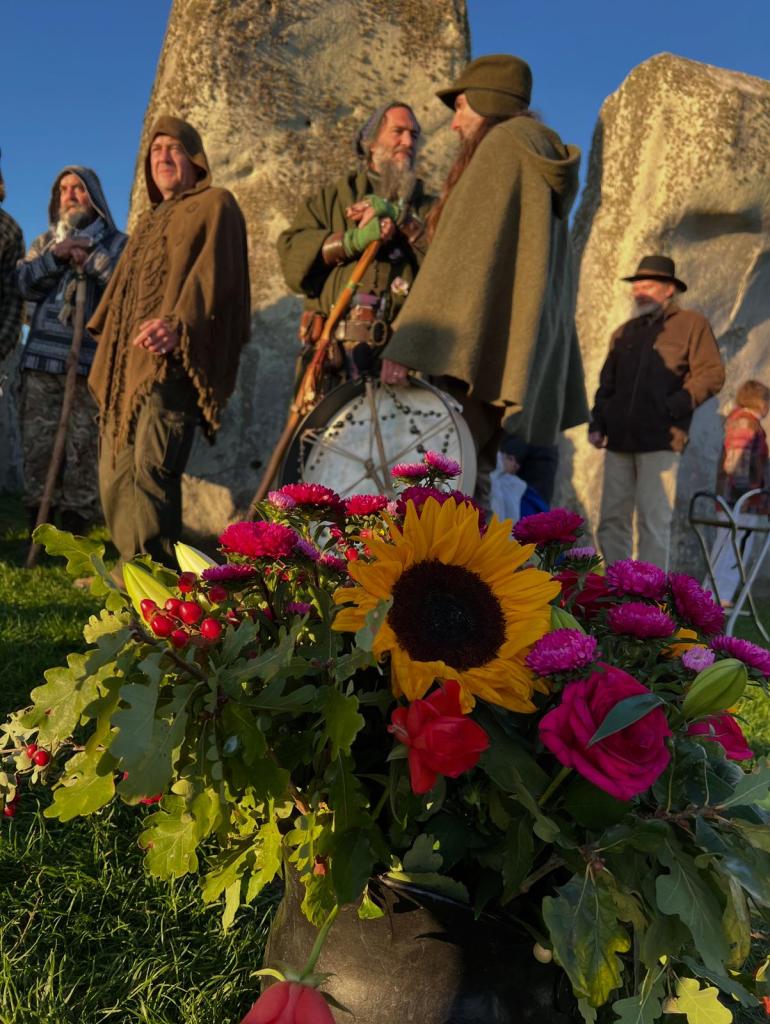
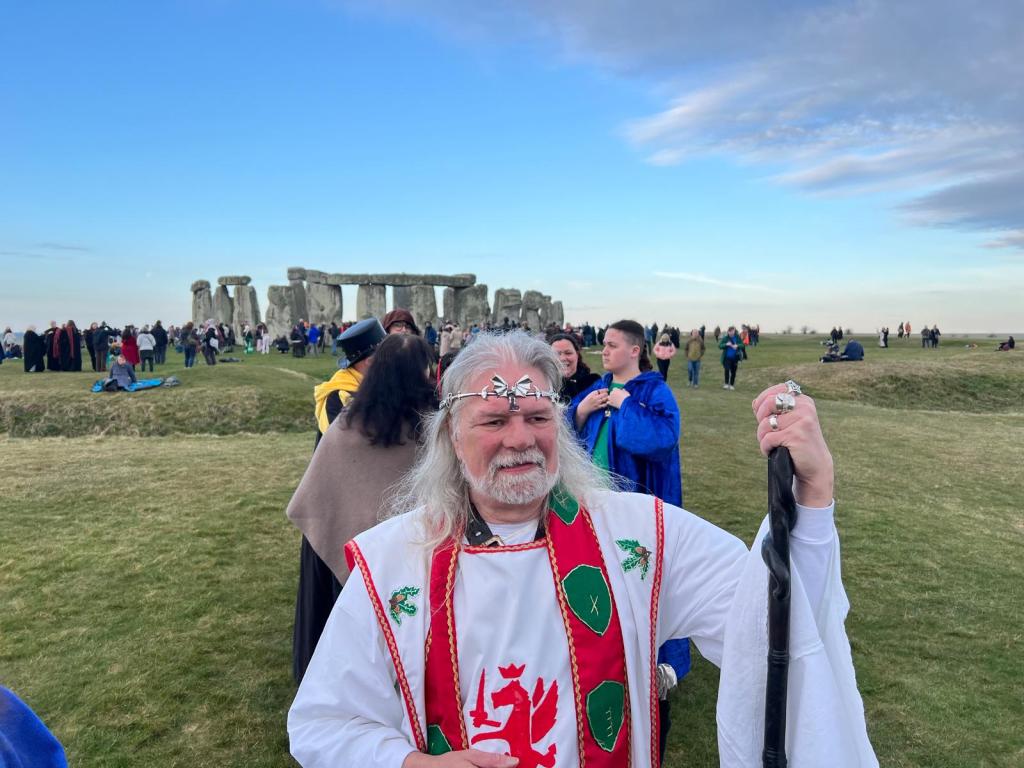
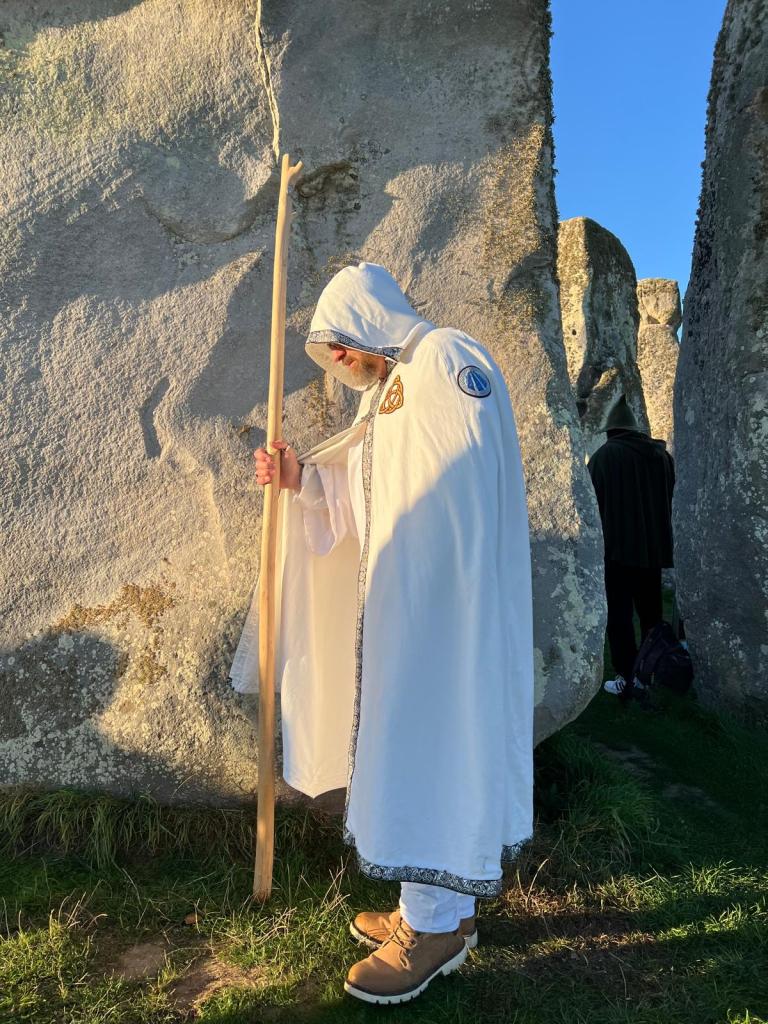
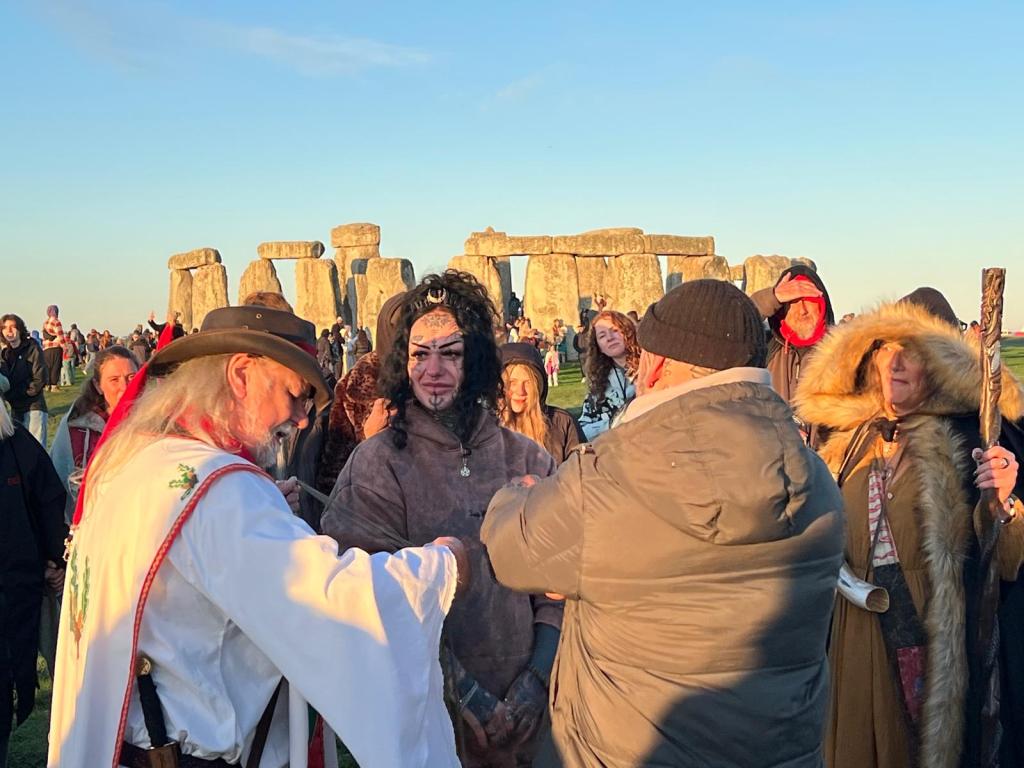
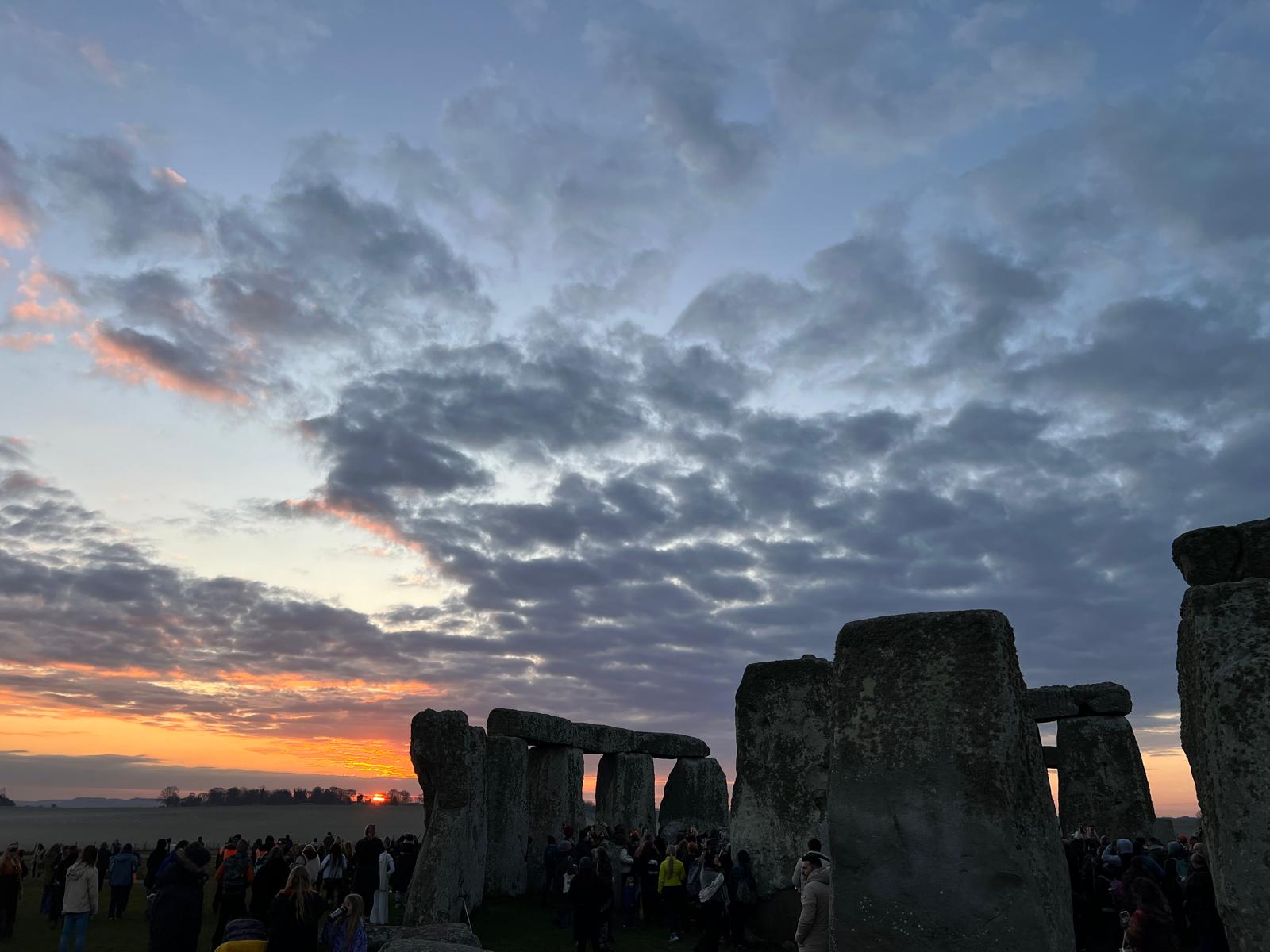
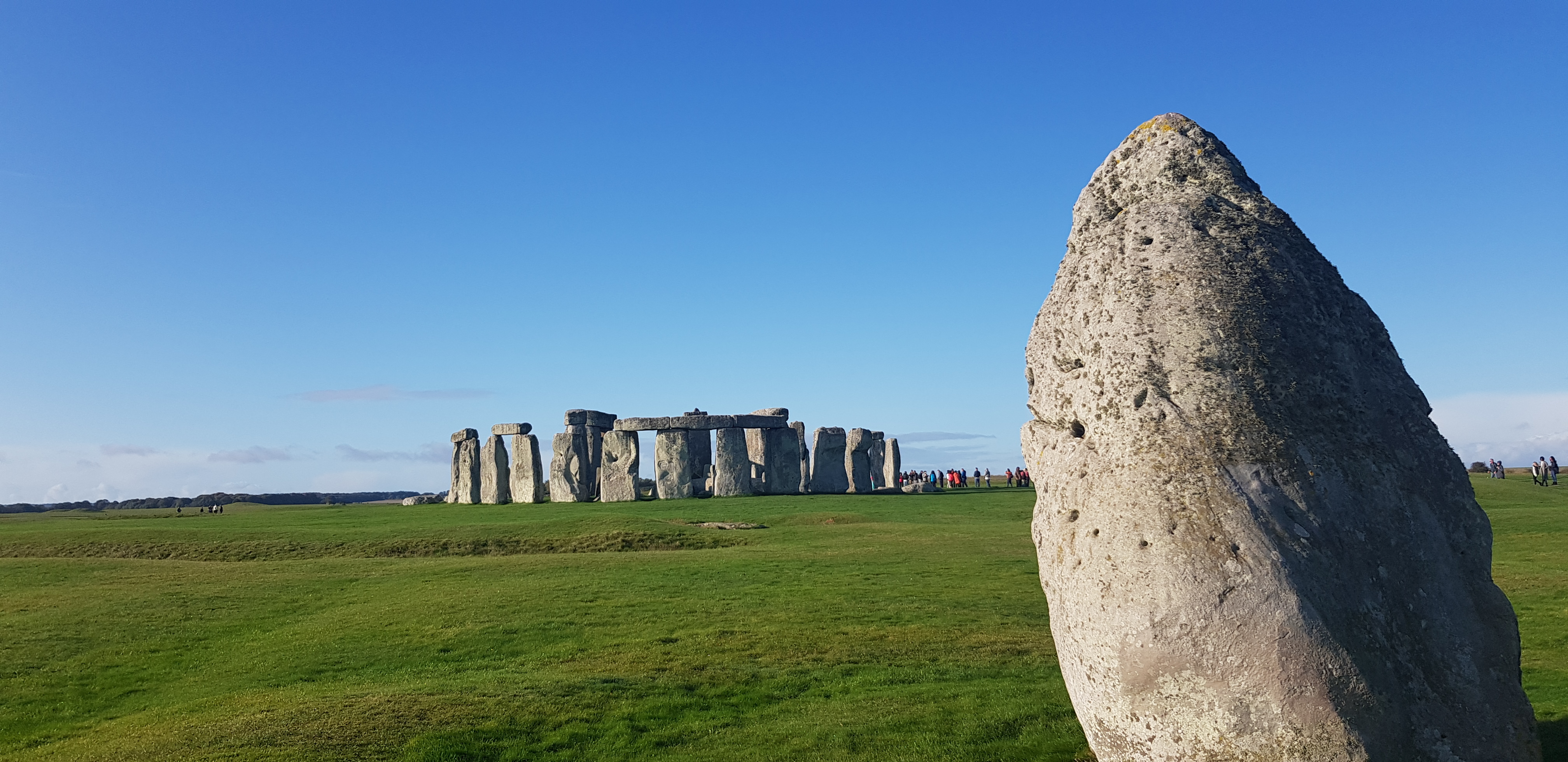
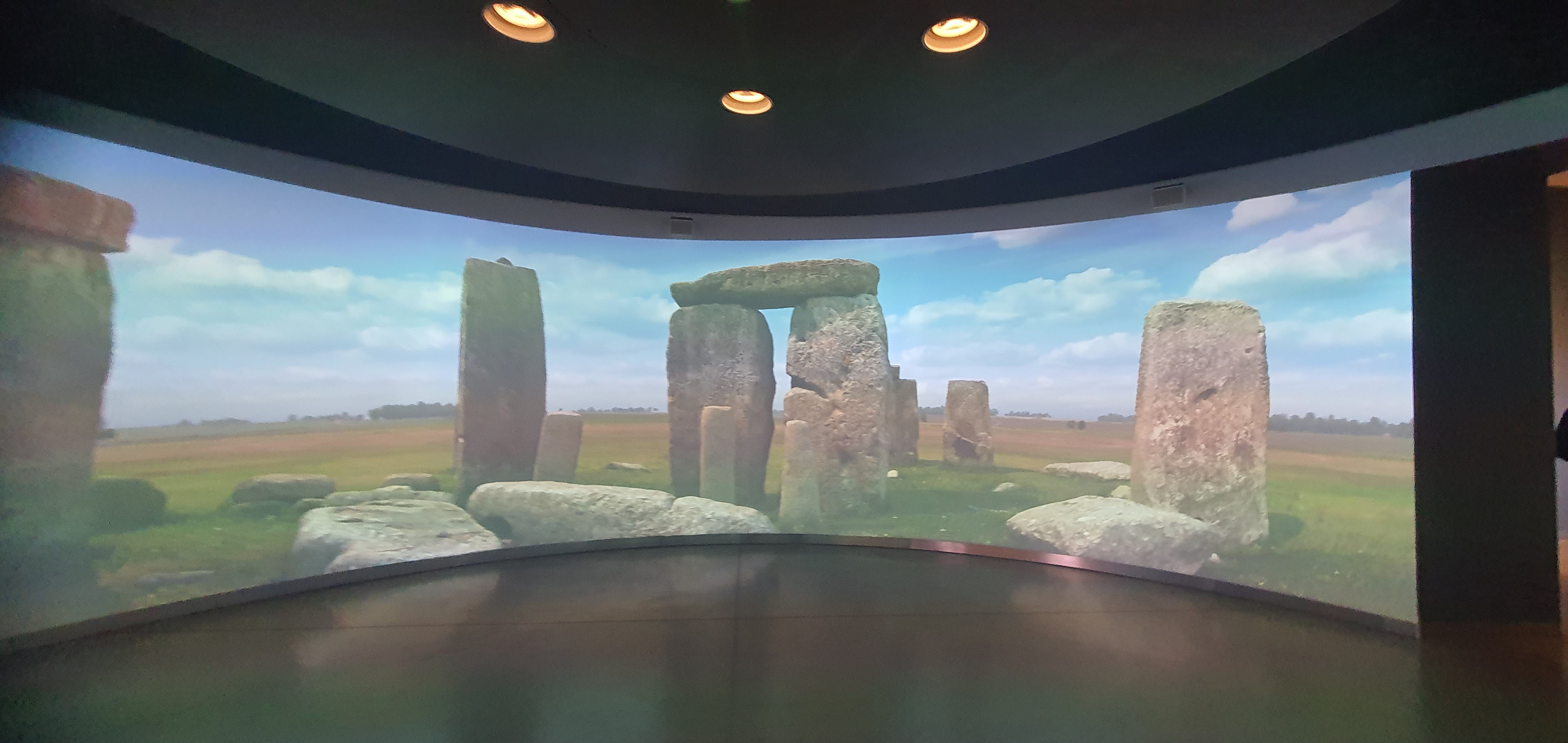
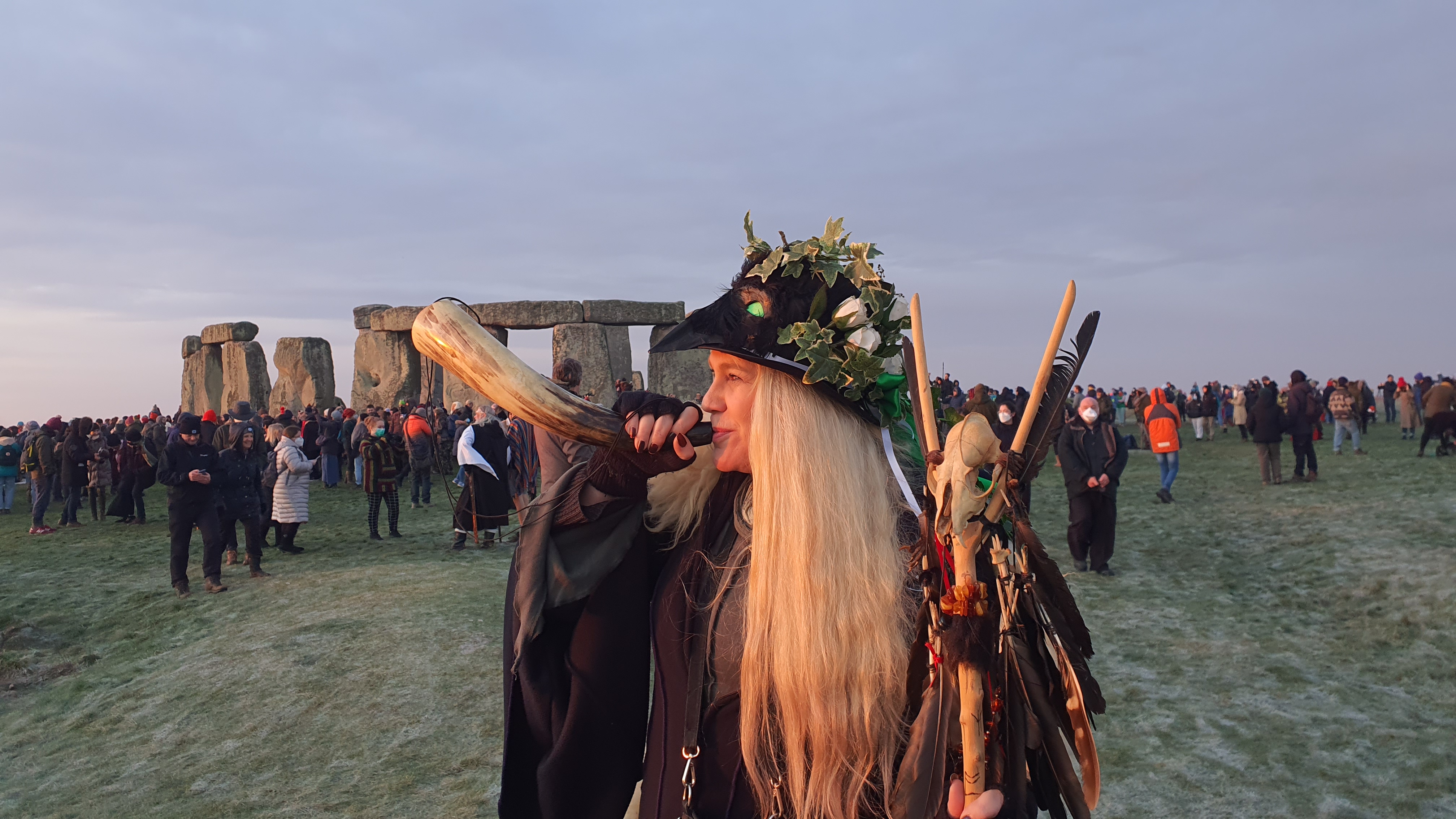
Stonehenge on the Winter Solstice. Construction of the iconic stone circle began around 3000 B.C.E. and continued in several phases

The paper, published in The Journal of Archaeological Science, examined a cow’s jawbone that was discovered in 1924 beside Stonehenge’s south entrance. Using isotope analysis of one of its teeth, the researchers dated it to around the time of the monument’s beginning, between 2995 and 2900 BCE, and placed its likely origin in Wales.

This is the first time that scientists have seen evidence linking cattle remains from Stonehenge to Wales, adding further weight to theories that cows were used in the transportation of the enormous rocks across the country. Previous research has shown that Stonehenge’s bluestones originated in Wales.

Professor Michael Parker Pearson (UCL Archaeology) said: “This is yet more fascinating evidence for Stonehenge’s link with south-west Wales, where its bluestones come from. It raises the tantalising possibility that cattle helped to haul the stones.”

The scientists sliced the cow’s third molar tooth, which records chemical signals from the animal’s second year of life, into nine horizontal sections. They were then able to measure carbon, oxygen, strontium and lead isotopes, which each offer clues about the cow’s diet, environment and movement.

The different concentrations and varieties of elements embedded within the tooth provided insight into the cow’s life. The oxygen isotopes revealed that the tooth captured roughly six months of growth, from winter to summer, whilst the carbon isotopes showed the animal’s diet changed with the seasons: woodland fodder in winter and open pasture in summer. Additionally, the strontium isotopes indicated the seasonal food sources came from different geological areas, suggesting that the cow either moved seasonally or that winter fodder was imported.

The lead isotopes revealed composition spikes during the late winter to spring, pointing to a lead source that was older than the lead in the rest of the tooth. The composition suggests the cow originated from an area with much older Palaeozoic rocks, such as around the Preseli hills in Pembrokeshire, Wales, where the Stonehenge’s bluestones originated before being transported to Sailsbury Plain.

Professor Jane Evans, BGS Honorary Research Associates said: “This study has revealed unprecedented details of six months in a cow’s life, providing the first evidence of cattle movement from Wales as well as documenting dietary changes and life events that happened around 5,000 years ago. A slice of one cow tooth has told us an extraordinary tale and, as new scientific tools emerge, we hope there is still more to learn from her long journey.”

In addition, researchers also concluded that the unusual lead signal could not be explained by local contamination or movement alone. Instead, that lead stored in the cow’s bones had been remobilised during the stresses of pregnancy. If true, this would mean the cow was female and pregnant or nursing during the tooth’s formation. To test the hypothesis, the team applied a peptide-based sex determination technique at the University of Manchester, which showed there was a high probability that the animal was female.

Richard Madgwick, professor of archaeological science at Cardiff University, said: “This research has provided key new insights into the biography of this enigmatic cow whose remains were deposited in such an important location at a Stonehenge entrance. It provides unparalleled new detail on the distant origins of the animal and the arduous journey it was brought on. So often grand narratives dominate research on major archaeological sites, but this detailed biographical approach on a single animal provides a brand-new facet to the story of Stonehenge.”

Links

The Stonehenge News Blog

Follow us on Twitter and Facebook for all the latest Stonehenge Newshttp://www.Stonehenge.News


English Heritage launch new ‘Stonehenge Explorer’ private access tour.

30 07 2025

Step into the heart of Stonehenge on this once-in-a-lifetime, expert-led experience.

No other tour gets you closer.

In groups of no more than six people, you’ll stand in the heart of the Stone Circle, travel in style across the prehistoric landscape and get unparalleled insight into the world of Stonehenge.

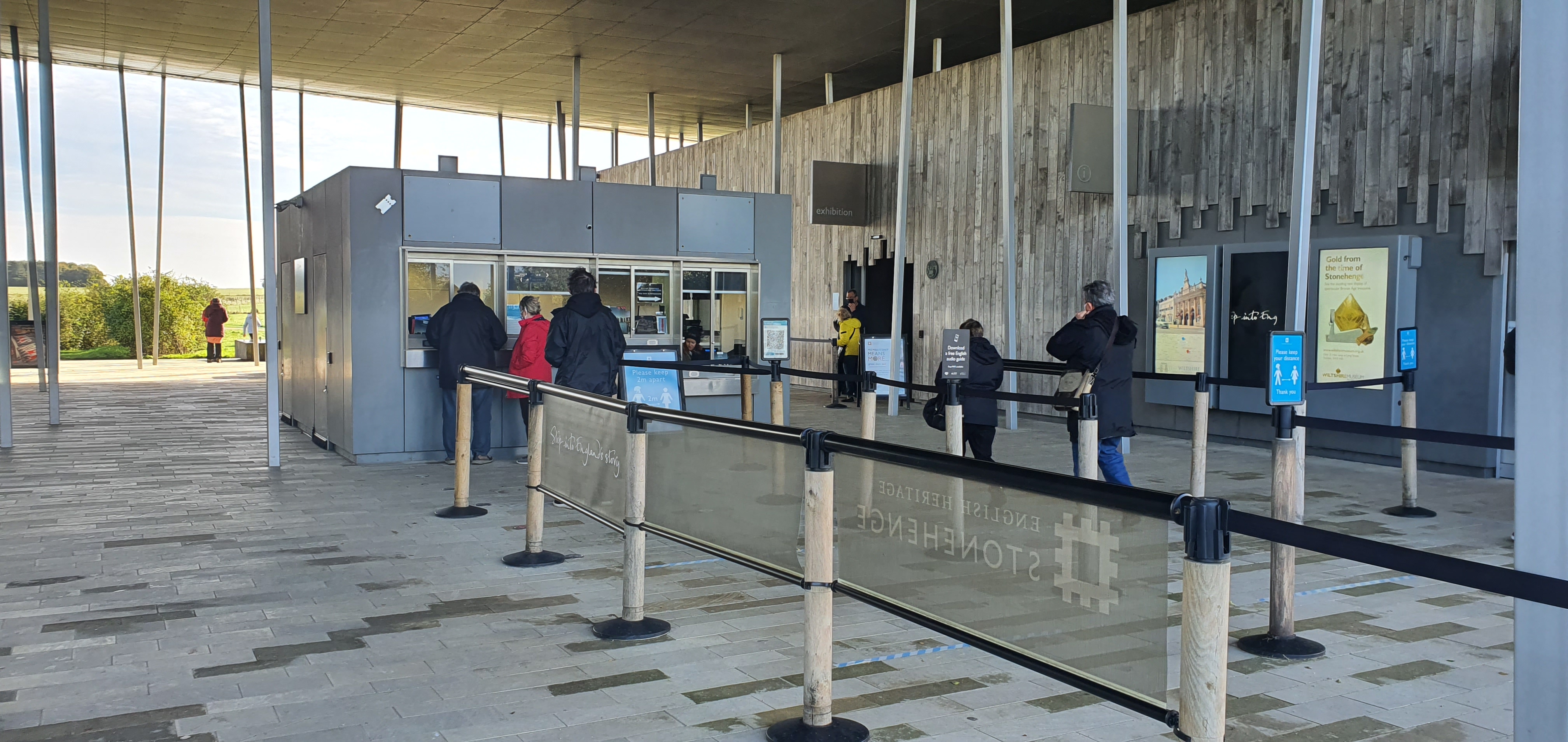
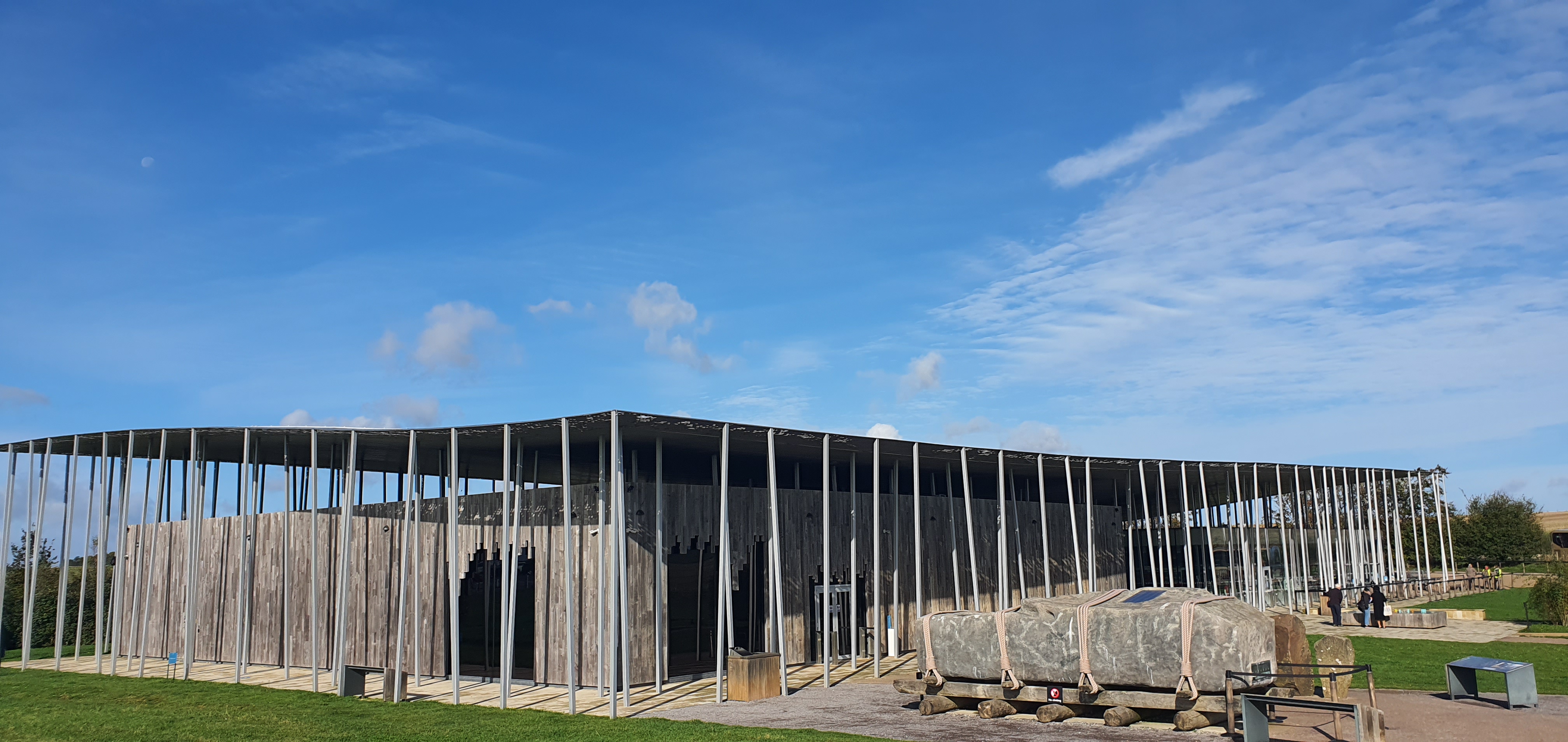
You’ll start your tour at the Stonehenge visitor centre, where you will be met by your two expert guides who will accompany you throughout your visit.

They’ll share knowledge of the broader context in which Stonehenge was built and used as you travel by Land Rover to nearby Woodhenge, another important monument from the time of Stonehenge.

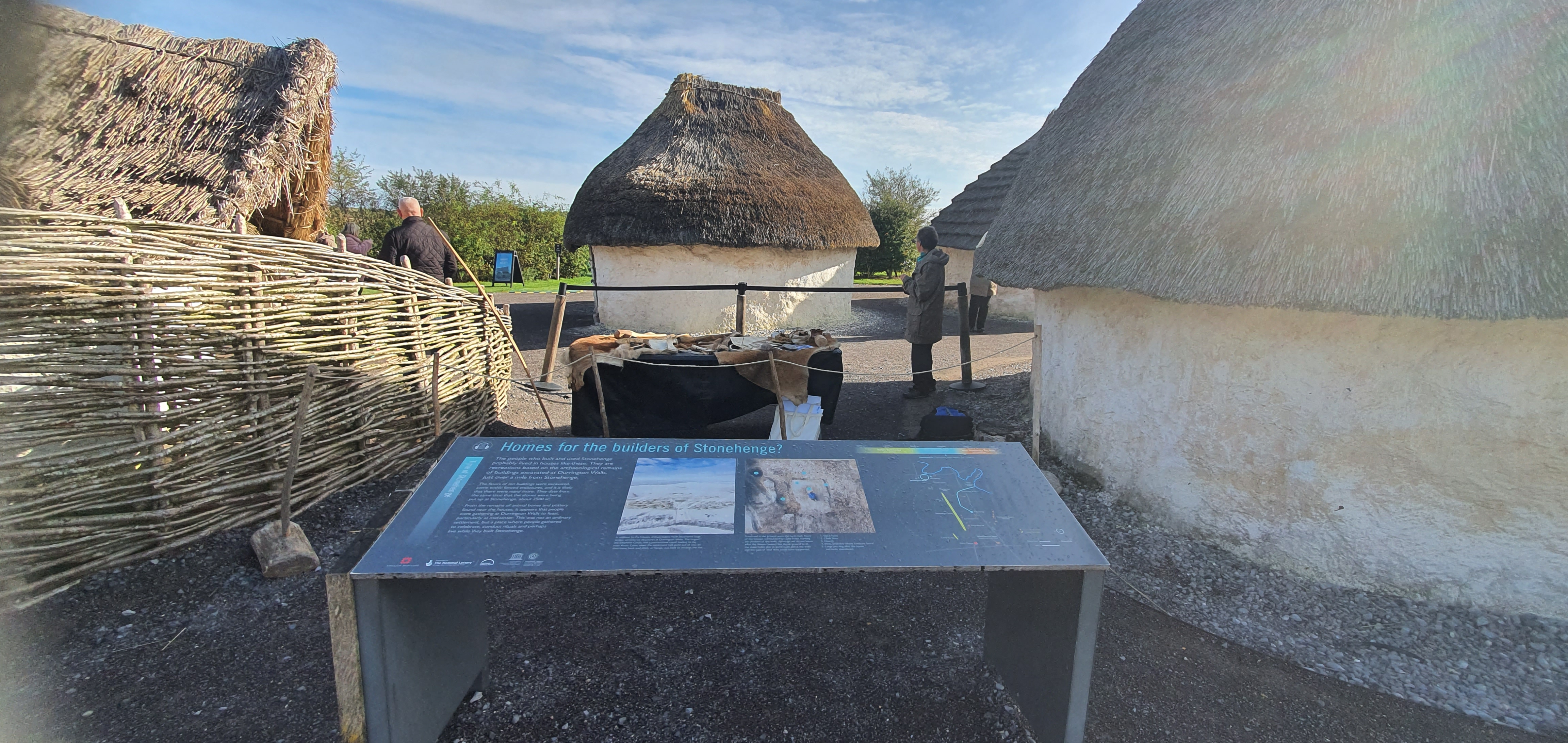
Back at the visitor centre, you’ll see objects unearthed from the Stonehenge landscape and step inside a reconstructed Neolithic house.

Next you’ll head to the famous stone circle itself. On a guided walk through the monument field you’ll see the earthworks, barrows and outlying stones, which are a significant, if often overlooked, feature of the ritual site.   

Then it’s time to join our team (English Heritage) as they carry out daily conservation checks on the famous stones. You’ll have the once-in-a-lifetime chance to spend around 15 minutes alone in the stones, taking photos and learning from your guides what it takes to care for this precious monument.

You’ll enjoy locally sourced food and drink during the experience thanks to a hamper in the Land Rover. At the end of the tour, you will be presented with a Stonehenge tote bag containing a guidebook (available in eight languages) and a small gift to take away as a souvenir of your visit.

The Explorer Tour runs 2pm until 5pm:

October: Thursday, Friday, Saturday, Sunday and Monday

November to March: Friday, Saturday and Sunday

Please arrive at the Stonehenge car park by 1.45pm and make your way to the membership office at the visitor centre, where you’ll meet your guides for the afternoon.

The tour involves some walking over uneven ground, so it’s most suitable for people with a good level of mobility. Whatever your needs, we’ll always do our best to meet them, so get in touch with us if you have any questions.

Remember to dress for the weather. Stonehenge is in an exposed spot on Salisbury Plain, so we recommend layers and sensible footwear.

Please let us know if you have any dietary requirements or allergies.

The tour is in English. You’re welcome to bring an interpreter, but they will need their own ticket.

Price

The tour is £250 per adult aged 18 and over, and £150 for children aged 5-17. We do not recommend this tour for children under 12. 

If you’d like to book all six places for your exclusive use, the price is £1500.

Prices are valid until 31 March 2026.
BOOK DIRECT WITH ENGLISH HERITAGE

Got any further questions? Check out our Explorer Tours frequently asked questions page

FURTHER RELEVANT LINKS

Discover what the landscape around Stonehenge has looked like from before the monument itself was first built through to the present day. Interactive Maps of the Stonehenge Landscape
Take an interactive tour of Stonehenge with our 360 degree view from inside the monument. Select the hotspots to find out more. Stonehenge Virtual Tour: Inside the Stones
A World Heritage Site famous for its ancient ceremonial landscape of great archaeological interest. Stonehenge Landscape
Coach and Private Guided Tours of Stonehenge including the inner circle access experience with transport from London. Stonehenge Guided Rock Tours
Stonehenge guided tours with special access departing from London, Bath, Southampton, Oxford and Salisbury – The Stonehenge Guided Tour Company
Stonehenge guided landscape and private access inner circle tours departing from Salisbury. The Stonehenge Travel Company

The Stonehenge News Blog

Follow us on Twitter and Facebook for all the latest Stonehenge News


Stonehenge may have been built to unite early British farming communities. Experts believe monument had a political purpose as it was created with rocks from all corners of ancient Britain.

27 12 2024

Recent findings show that Stonehenge’s stones came from all over Britain – and this offers clues to the monument’s purpose, say archaeologists

A symbol of British unity? Wiltshire’s famous stone circle is one of the world’s most iconic historic sites and a British cultural icon – but its intended purpose has long divided academics 

Stonehenge may have been erected explicitly to unite early farming communities across the island of Britain at a time of cultural stress, argues Mike Parker Pearson, professor of British later prehistory at University College London – and the altar stone may have been taken from a distant Scottish monument as a gift or marker of political alliance.

While the structure is unique for many reasons – including its extensive stone-dressing and that it has lintels – no other monument in Britain or Ireland incorporates stones that were brought such huge distances, Parker Pearson writes in a forthcoming paper in the journal Archaeology International. “Stonehenge stands out in being a material and monumental microcosm of the entirety of the British Isles.”

As such, we should consider Stonehenge to be a political monument as much as a religious one, Parker Pearson said. “It’s not a temple – that has been a major stumbling block for hundreds of years. It’s not a calendar, and it’s not an observatory.” The structure’s famous alignment to the winter and summer solstices echoes earlier constructions such as Newgrange in the Boyne valley in Ireland, but may not be its main purpose, he said.

“I think we’ve just not been looking at Stonehenge in the right way. You really have to look at all of it to work out what they’re doing. They’re constructing a monument that is expressing the permanence of particular aspects in their world.”

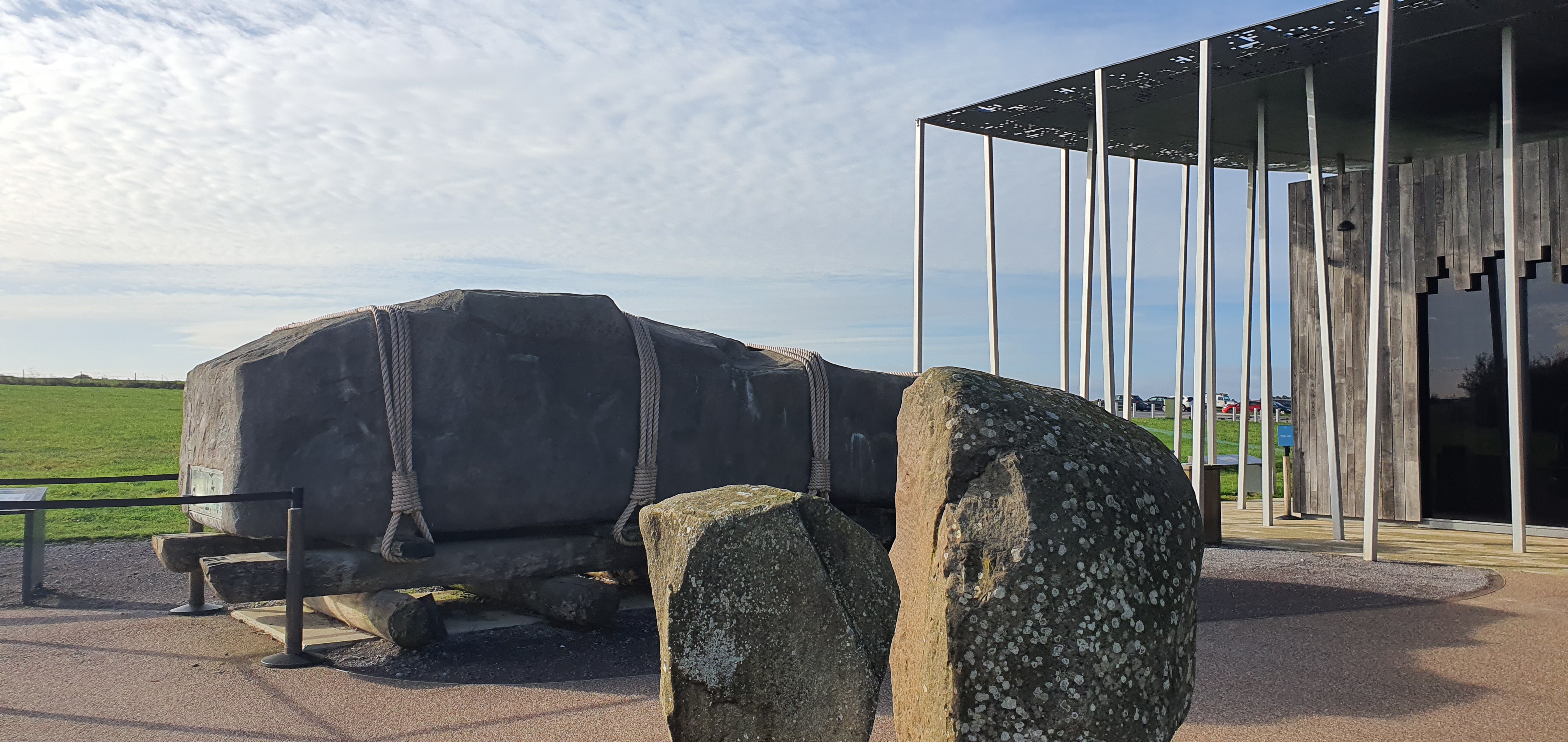
The altar stone is often overlooked by visitors to Stonehenge because it lies flat and partly obscured by a huge fallen sarsen. It was long assumed that it had also fallen, said Parker Pearson – yet north-east Scotland is home to multiple circles in which the stones are purposely laid flat.

“Given what we now know about where it’s from, it seems all the more likely that it was deliberately set as a recumbent stone,” he said, adding that it is “highly likely” that the altar stone had been part of an earlier Scottish monument. “These stones are not just plucked out of anywhere.”

With Orkney having been ruled out as a potential origin, other potential sites or origin are now being examined. “I think we’ll wait and see. It’s very exciting,” he said.

Archaeologists believe the altar stone may have been installed around 2500BCE, about the time Stonehenge was being remodelled from its original form.

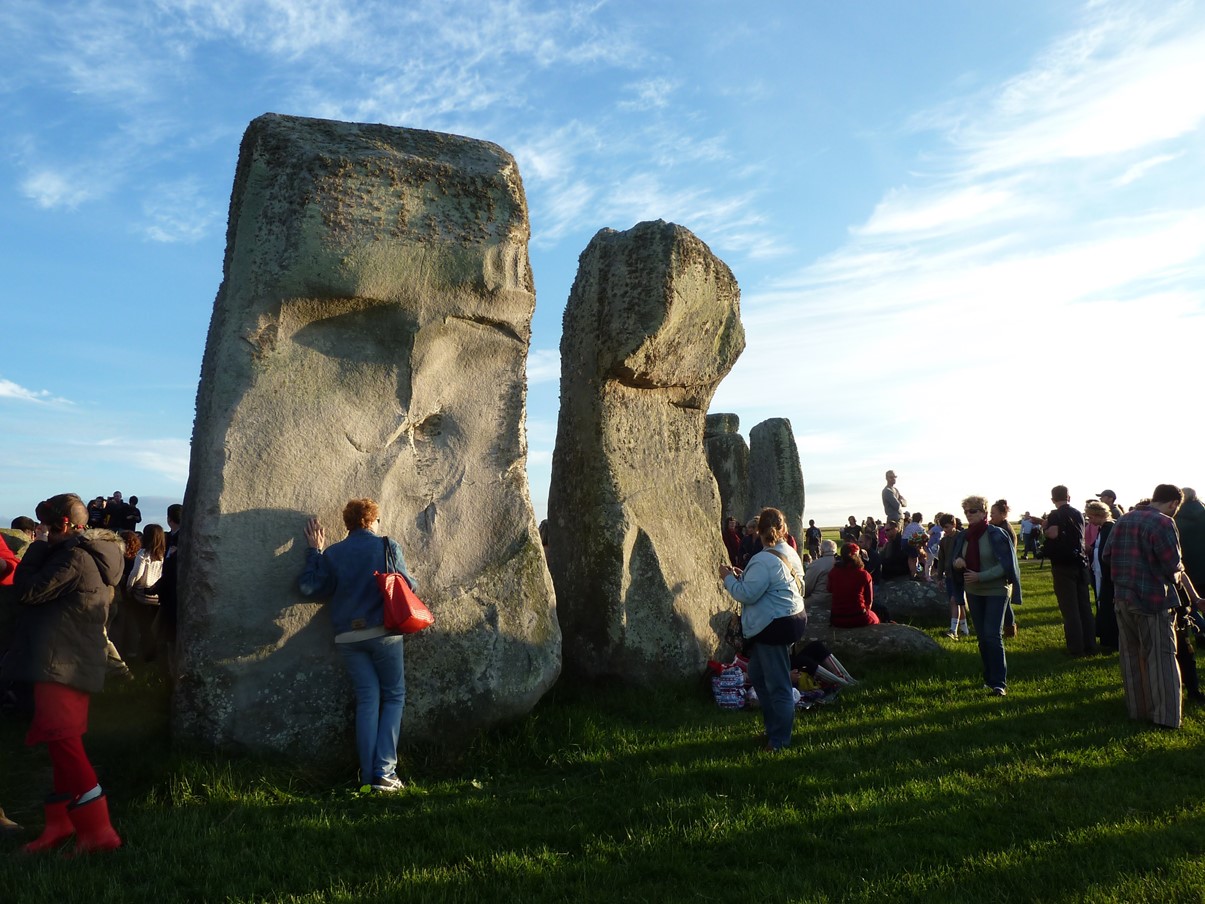
Visitors celebrate the winter solstice at Stonehenge, but the theory that the site was a solar calendar has been superseded by suggestions that it was built for political purposes

This was a period of cultural change in Britain amid new arrivals from mainland Europe. “There’s obviously some kind of interaction – you might call it first contact,” said Parker Pearson. “That is the moment that Stonehenge is built, and I wonder if it is that moment of contact that serves, in whatever way, as the catalyst for this really impressive second stage of Stonehenge. It’s an attempt to assert unity, quite possibly integrating the newcomers – or not.”

Ultimately, however, “it doesn’t succeed” – given genetic research shows the incoming “beaker people” would largely displace the earlier neolithic populations. “That said, Stonehenge is adopted [as a monument] by those beaker-using people whose descendants become the dominant population of Britain,” said Parker Pearson.

“So despite the change in population, Stonehenge continues to exert its significance in the wider world.”

RELEVANT LINKS:
Stonehenge may have been built to unite early British farming communities – Archeology News
Stonehenge may have been erected to unite early British farming communities, research finds – The Guardian
Stonehenge may have been built to unify people of ancient Britain – NEW SCIENTIST
Tours of Stonehenge with local guided experts – STONEHENGE GUIDED TOURS
Stonehenge mystery is SOLVED after 5,000 years – as scientists finally crack why the mysterious monument was built – DAILY MAIL
Stonehenge built to unite native Britons after influx of European migrants, researchers suggest – THE TELEGRAPH
Stonehenge Guided Landscape Tours – STONEHENGE TOUR COMPANY
Stonehenge Equinox and Solstice Tours – SOLSTICE EVENTS U.K

The Stonehenge News Blog
Follow us on Twitter and Facebook for all the latest Stonehenge News and 2025 Summer Solstice updates
http://www.Stonehenge.News


Stonehenge: Tunnel Vision.

12 04 2024

In December 2014 the then coalition UK Government announced to great fanfare that the decades long saga of the on-again-off-again A303 Stonehenge Tunnel project would be revived once more.

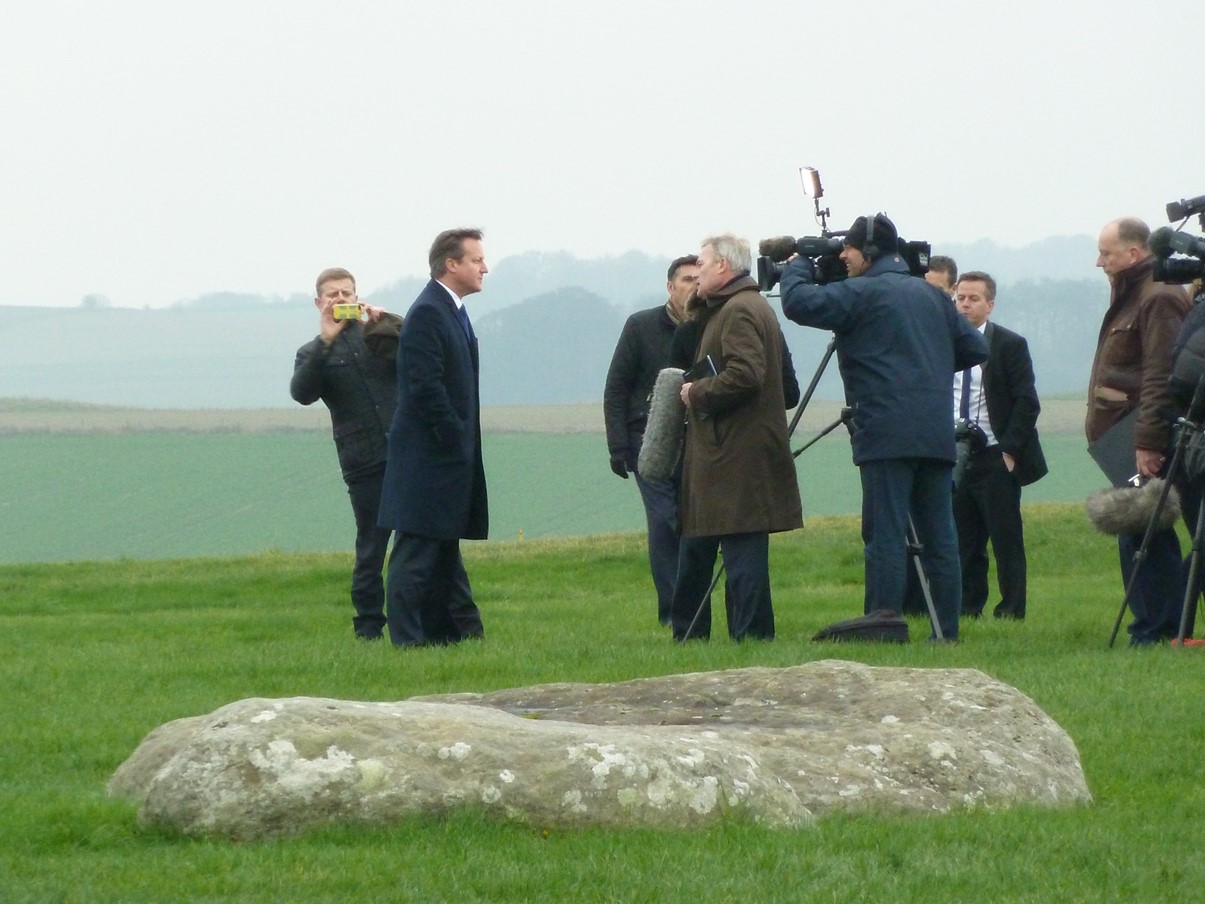
The sound of zombie horses attempting the crawl away from yet another flogging pervaded the World Heritage Site, as first Deputy Prime Minister Clegg then Prime Minister Cameron descended on Stonehenge accompanied by the usual press, TV and English Heritage top brass.

A previous version of the project, estimated at £400M, had been cancelled several years earlier by a Government of a different colour on the basis of the cost, so it was somewhat surprising to learn that its reanimated corpse was now expected to require an eye-watering £1.7B – £2.5B.

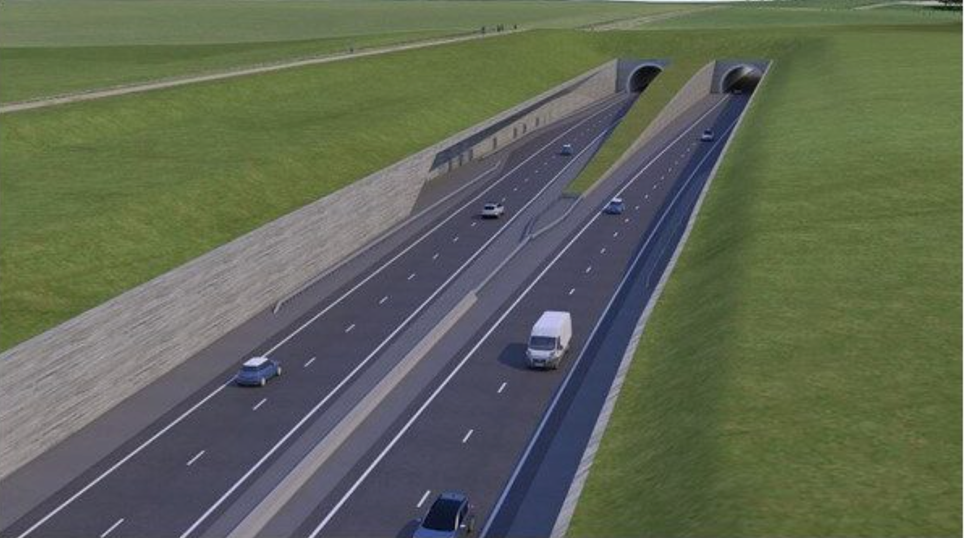
To be fair, according to the plan this time the tunnel will be fully bored rather than cut-and-cover and will be somewhat longer. Not long enough, mind you, to go the full distance from the eastern edge of the World Heritage Site all the way to the western edge.

Instead, it will put its portals in the ground well inside the area of Outstanding Universal Value, obliterating whatever might be in the way.

A brand new dual carriageway will run from the western portal across 1k of farmland, sunk into a trench around 9m deep and 50m wide, to a new junction with the A360 at Longbarrow Roundabout.

At the eastern portal, the new dual carriageway will emerge to soar over the current A303/A345 junction at Countess Roundabout on a 10m high flyover, bringing 60mph HGV traffic noise to the delighted locals.

Almost 10 years on from the announcement, here’s where we are.

After an Enquiry in Public (where the independent Examiners decided against the whole idea), a doleful procession of vacant-eyed Secretaries of State for Transport (some of whom lasted less than 2 months in the job), a determination by one of them to approve the scheme’s Development Consent Order despite UNESCO’s and many others’ misgivings, a Judicial Review into that decision which found the Sec. of State had acted “irrationally” in doing so, then a “re-determination” of the application by a subsequent incumbent which again gave approval, and a further legal challenge (recently lost by anti-tunnel campaigners), we are now awaiting an impending appeal against that ruling.

Over a quarter of a million people have signed petitions against the scheme, crowdfunding an expensive ongoing legal process to the tune of hundreds of thousands of pounds.

UNESCO have threatened that Stonehenge World Heritage Site may be placed on the World Heritage in Danger register (a precursor to delisting) if the scheme goes ahead in its present form.

In the event that the tunnel does get built – estimated costs are now above £3B, and look likely to rise even more over the 5 years the build is optimistically slated to take – one certain outcome is that the casual view of a 4,500 year old global icon of prehistory from the A303 will be lost forever.

From being something freely glimpsed in the magnificent early dawn light surrounded by mist as you crest King Barrow Ridge making your way westwards, or appearing unexpectedly nearby, glowing rose-golden in the rays of the setting Sun as you head past it eastwards, it will become an experience only available to those who are either willing and able to pay the ever-increasing entrance fee or are lucky enough to be capable of walking the couple of miles from the nearest available parking or bus stop.

Meanwhile Stonehenge looks on impassively, perhaps whispering to those who will listen that humanity’s obsession with getting to the next traffic bottleneck a whole 8 minutes faster really may not be worth the cultural, let alone the financial, cost in the long run.

GUEST BLOGGER: Simon Banton (April 2024)

The Stonehenge News Blog
Follow us on Twitter and Facebook for all the latest Stonehenge News and Equinox updates.
http://www.Stonehenge.News
April 2024