A forthcoming exhibition at the British Museum will celebrate the iconic megalithic monument Stonehenge in what the institution promises to be a “landmark show.” Set to open in February of next year, ‘The World of Stonehenge’ will surprisingly be the first time ever that the legendary site has served as the subject of a major event at the massive and prestigious museum. In keeping with that momentous occasion, curators putting the exhibition together have reportedly amassed a staggering array of artifacts, including approximately 250 pieces that have been loaned to the event from institutions throughout Europe and the UK.
Towering above the Wiltshire countryside, Stonehenge is perhaps the world’s most awe-inspiring ancient stone circle. Shrouded in layers of speculation and folklore, this iconic British monument has spurred myths and legends that persist today.
A key part of the collection, this 4,000-year-old Bronze Age timber structure has been nicknamed the Stonehenge of the Sea after it re-emerged on a Norfolk beach in 1998. It consists of a large upturned tree stump surrounded by 54 wooden posts. The oak posts, some up to 3m tall and form a 6.6m-diameter circle around the upturned oak, creating a giant tree-like spectacle. A narrow entranceway was built aligning to the rising midsummer sun and it is speculated the monument was used for ritual purposes.
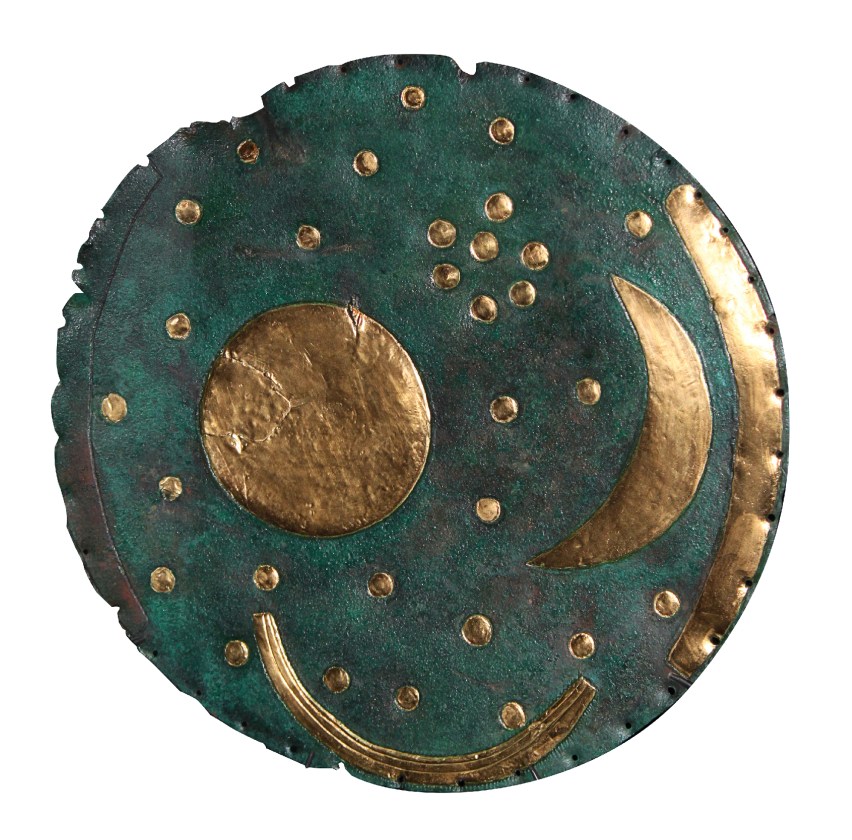
The Nebra Sky Disc is 3,600 years old and will go on show at the London museum next year. Picture by: The British Museum
The aim is to set the stone monument – built 4,500 years ago, and one of the most recognisable sights in Europe – into the context of an era during which there was huge social and technological change.
Relevant Stonehenge News Links: Story of Stonehenge to be told in major British Museum exhibition – The Guardian British Museum exhibition explores Stonehenge of the sea – BBC News Mysterious Seahenge monument coming to British Museum for Stonehenge show – Evening Standard Guided Tours of Stonehenge with the megalithic experts – Stonehenge Guided Tours A major exhibition on Stonehenge featuring 430 objects and artefacts is due to open at the British Museum. – The Conservative Post The local Stonehenge touring experts based in Salisbury – The Stonehenge Travel Company British Museum seeks loan of Ireland’s priceless artefacts for landmark exhibition – The Indepedent World’s oldest map of the stars — is to go on display at the British Museum – Daily Mail
Previously it was thought they had consumed pork, beef and dairy.
But excavations of the Durrington Walls settlement, inhabited by the builders of the monument in about 2,500 BC, suggest they collected and cooked hazelnuts, sloes and crab apples too.
Researchers said evidence of charred plant remains suggest they might have followed recipes to preserve the food.
There was no direct evidence for pastry being used, but people knew how to grow cereal crops and could have made pastry from wheat, hazelnut or acorn flour, English Heritage said.
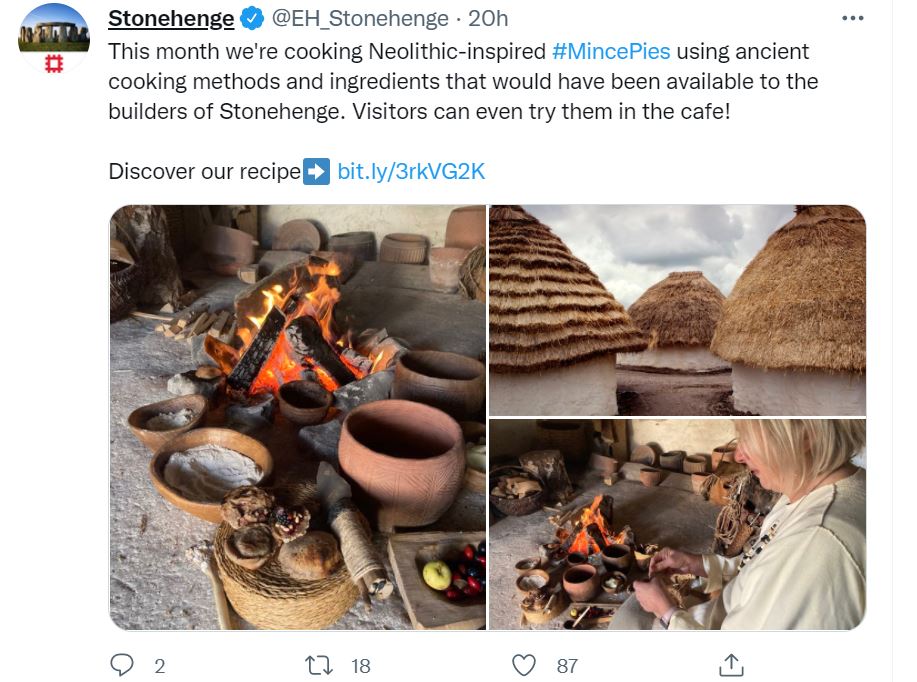
Neolithic “mince pies” could have been baked on Salisbury Plain in Wiltshire using a flat stone or ceramic pot heated in the embers of a fire, much like a Welsh cake, it added.
Travelers visiting Stonehenge this month can sample a dish that may have been enjoyed by the monument’s builders some 4,500 years ago. As Alex Green reports for PA Media, volunteers with English Heritage, the organization that cares for the prehistoric site, are cooking up mince pies with ingredients used by these Neolithic workers, including hazelnuts and crab apples.
‘We know that midwinter and feasting were really important to the builders of Stonehenge,’ said Susan Greaney, the charity’s senior properties historian.
‘Thanks to the Stonehenge Riverside Project, we’re lucky to have evidence which tells us that they had access to nutritious fruit and nuts, and that they may even have made and cooked recipes.’
Durrington Walls is two miles (3.2 km) north-east of Stonehenge, but it’s located within the Stonehenge World Heritage Site.
Earlier this month, a a series of deep pits which were discovered at Durrington Walls last year were confirmed as having been made by ancient Britons – after some experts dismissed them as mere natural features.
The 20 pits, which are more than 30 feet across and 16 feet deep, are arranged in a circle shape around Durrington Walls.
Stonehenge Relevant Links Rock cakes? Stonehenge builders may have enjoyed mince pies – The Guardian Stonehenge builders fuelled themselves on sweet treats including ‘Neolithic mince pies’, excavation suggests – Daily Mail NEOLITHIC MINCE PIE RECIPE: Download open fire mince pie recipe card. English Heritage Stonehenge’s Builders May Have Feasted on Sweet Treats – The Smithsonian Visit Stonehenge and sample a mince pie – Stonehenge Guided Tours Stonehenge builders had a sweet tooth, artefacts suggest – BBC News Stonehenge builders fuelled themselves on sweet treats, excavation suggests – The Evening Standard Private Guided Stonehenge Tours with the local experts – The Stonehenge Travel Company
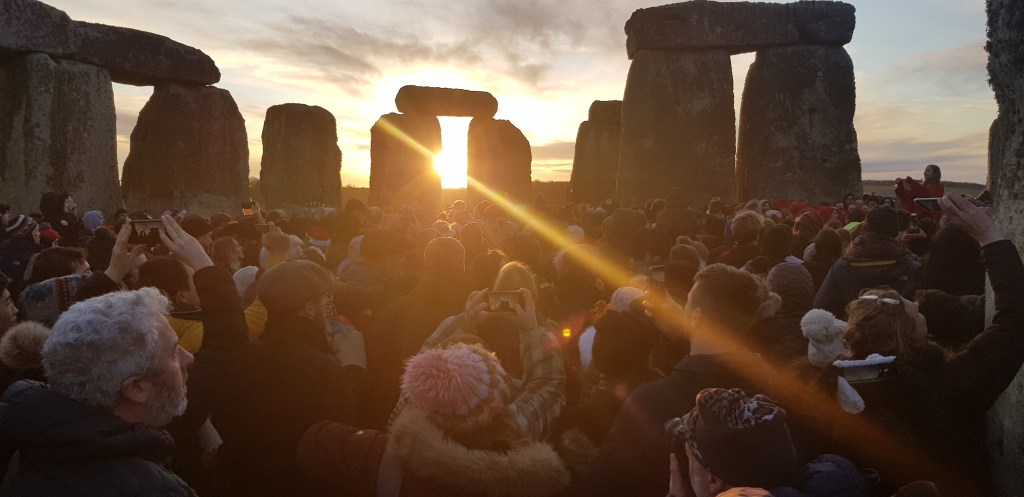
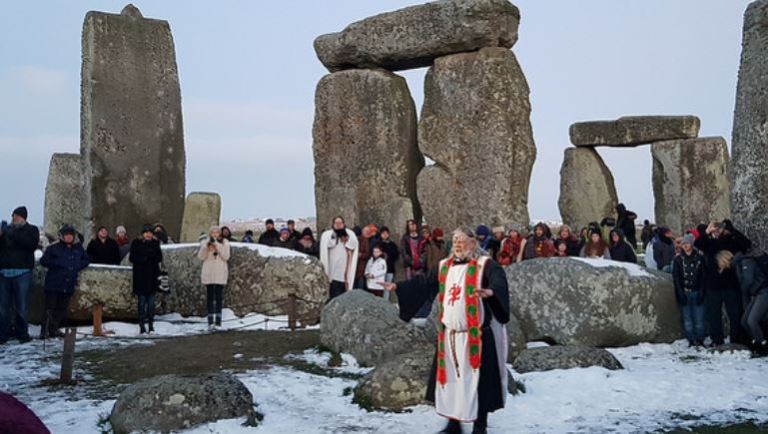
English Heritage are expected to offer a short period of access, from first light or safe enough to enter the monument field (approximately 07.30am until 10.00am) on the 22nd December. The winter solstice is one of the few times access is granted inside the stones. Sunrise is just after 8am on Wednesday 22nd December and visitors will be able to access the monument as soon as it is light enough to do so safely. This is subject of course to any changes in the coronavirus guidance.
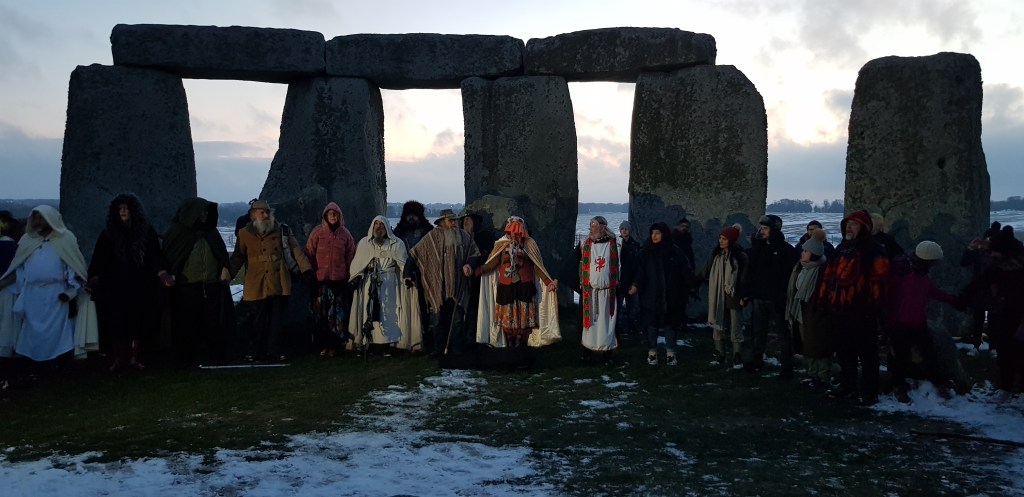
Since our Neolithic ancestors erected Stonehenge thousands of years ago and exulted in its majesty, people have continued to gather at the hallowed stones on the winter solstice
English Heritage is inviting people to watch from home as the Winter Solstice sunrise is going to be livestreamed from Stonehenge on the morning of Wednesday (December 22).
It will be livestreamed for free on YouTube and English Heritage’s social media channels at 7.25am.
Those wanting to mark the solstice at the site in person, which will be subject to any changes in government gudiance, legislation or public health advice, will need to take a lateral flow test before setting off and only travel if it is negative and they feel well. The charity will be encouraging the wearing of facemasks, providing regular hand sanitiser stations and making sure wherever possible that there is plenty of space to socially distance.
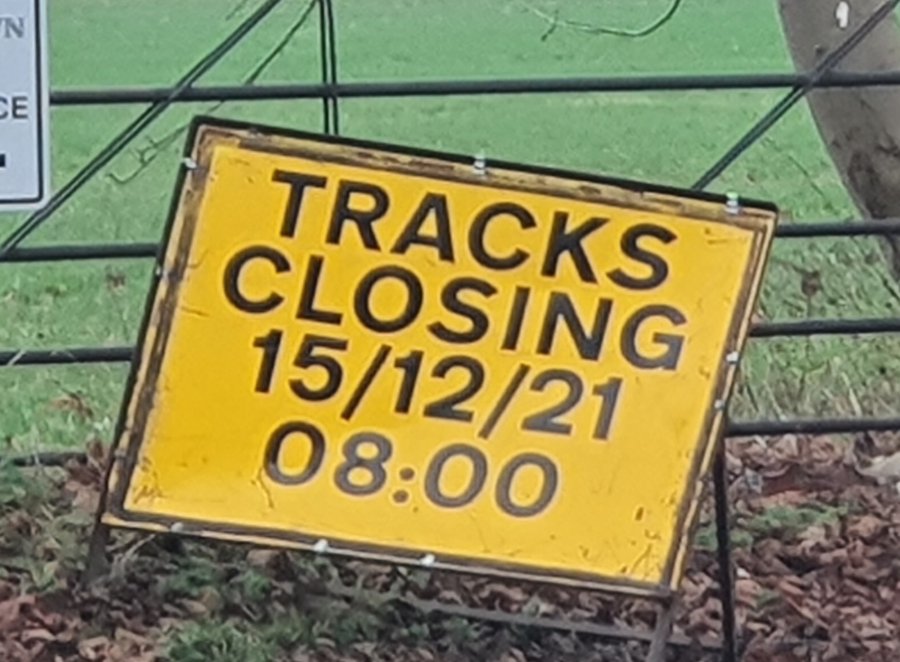
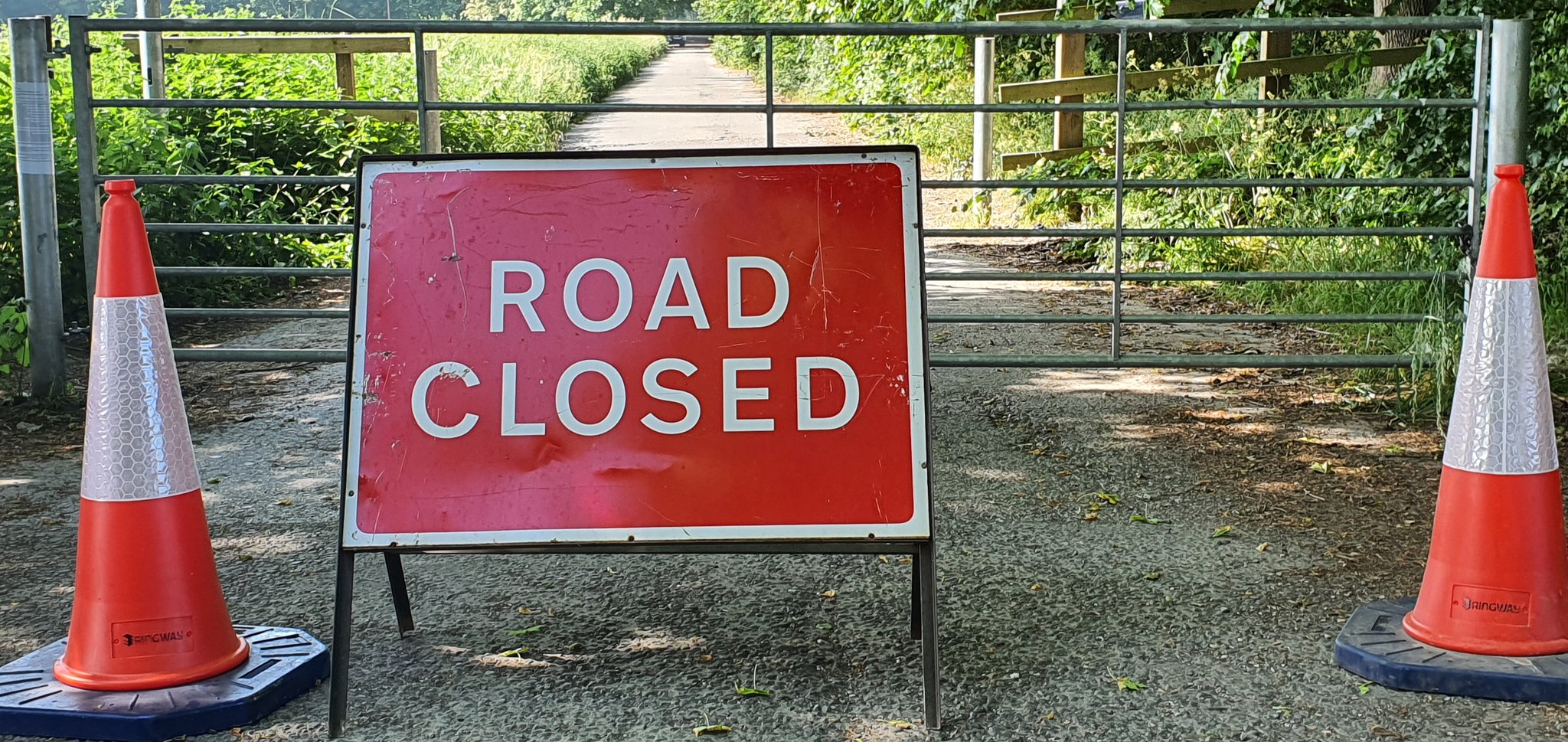
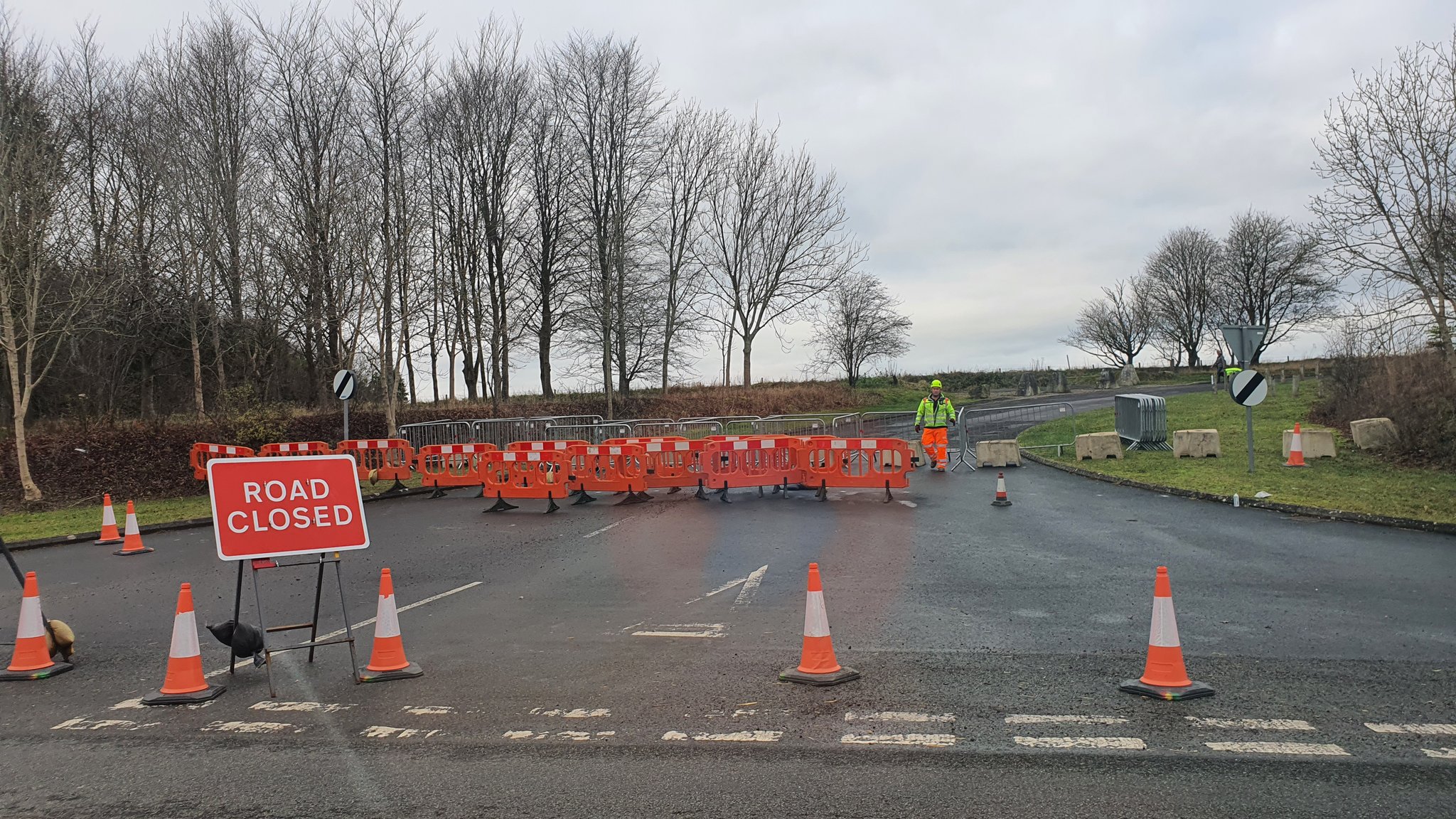
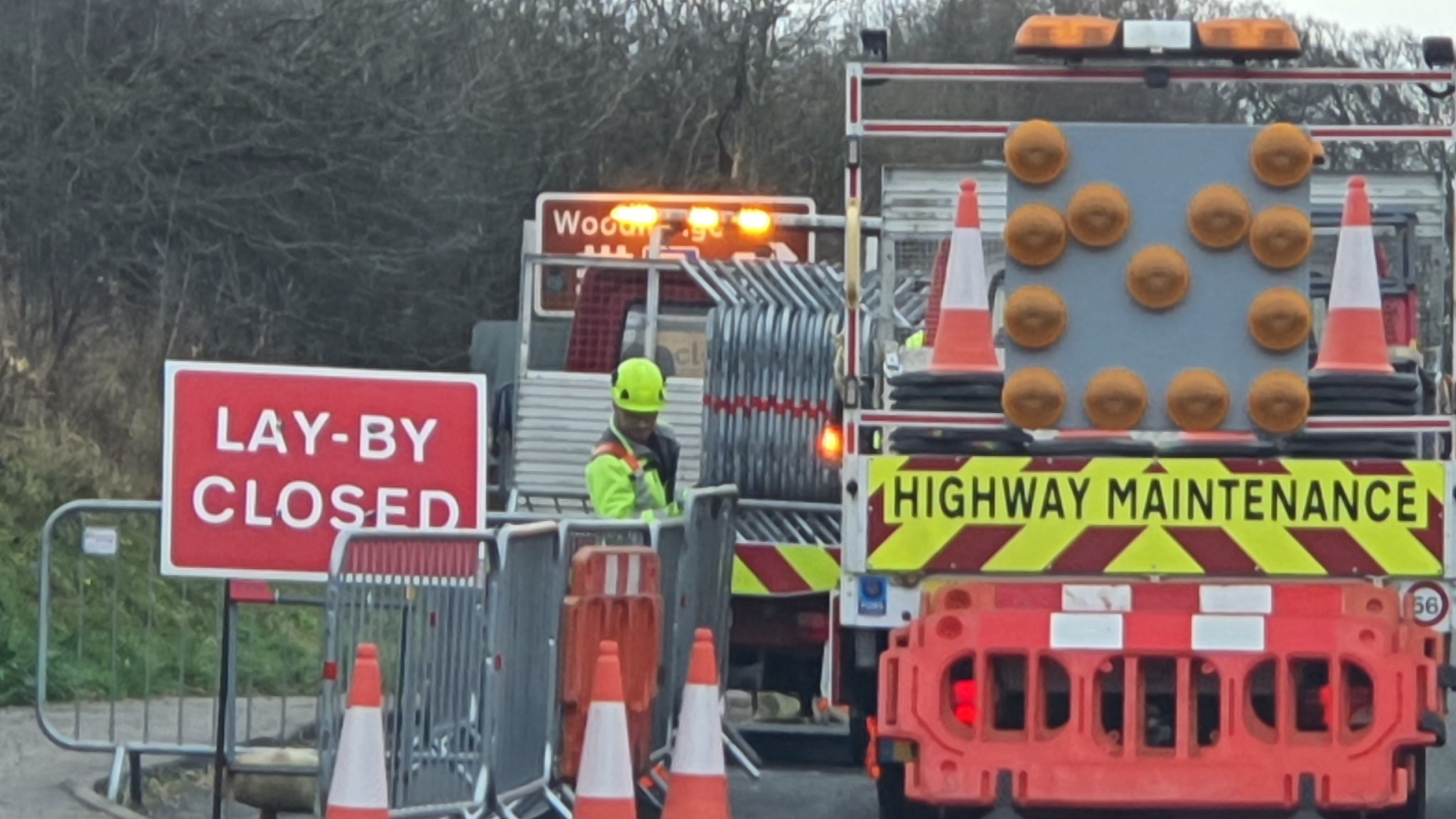
Woodhenge, Durrington Walls and Byway 12, aka “The Stonehenge Drove” is now closed in preparation for the #WinterSolstice.
We encourage you to take public transport as there is limited parking available. English Heritage’s Solstice Car Parks open at 6am on Wednesday 22 December – there is no official parking provision before this time. To access the Solstice car parks, drivers should head to the Stonehenge Visitor Centre following Solstice signage and the directions of stewards in the local area. There will be a charge of £5 per vehicle and £2 per motorbike. Commercial vehicles are permitted on a strictly limited pre-booked basis only.
Blue badge parking is chargeable as above and located in the Visitor Centre car park, close to accessible toilets. A free shuttle bus will take visitors with accessibility needs to the Monument Field. Please ensure you bring and wear a face covering unless exempt.
The Visitor Centre is approximately a 20 minute walk from the Stonehenge Monument Field. Visitors with accessibility needs will take priority on shuttle buses. Those visitors who are able to do so should dress for the walk in sturdy shoes and bring a torch.
What public transport can I use?
There will be a bus service on the morning of 22 December operating between Salisbury New Canal Street, Salisbury Rail Station, Amesbury The Centre and the Stonehenge Car Park.
We are following all public health guidance regarding covid-secure outdoor events as we have done throughout the pandemic. We strongly suggest that you take a lateral flow test in advance – and only attend if the result is negative. Our staff, and others working on site have been advised to do the same. Do not attend if you have Covid symptoms. Please remember to bring a face covering as you will be required to wear one in all indoor public places, including our shuttle buses. There will be plenty of friendly staff and volunteers on site to answer any questions or concerns and lots of signage in place reminding everyone to keep a safe space where necessary, and to indicate where hand sanitising stations can be found.
Can I bring my pet?
With the exception of assistance animals, no pets or other animals are allowed at Winter Solstice.
To see what else is prohibited, please read our Conditions of Entry page here.
Can I watch the sunrise on a live stream?
We will be live streaming the sunrise on the morning of 22 December for free on our digital channels. Visit the official Stonehenge or English Heritage Facebook page, or the English Heritage YouTube channel. Please beware of fake/scam Facebook pages, events and groups that might have been set up.
The solstice is the point in time when one hemisphere of the planet reaches the point tilted most towards the sun and the other is tilted furthest away. In the northern hemisphere, that gives us the winter solstice in December whilst in the southern hemisphere it is the summer solstice. After the shortest day, the days start getting longer and the nights shorter.
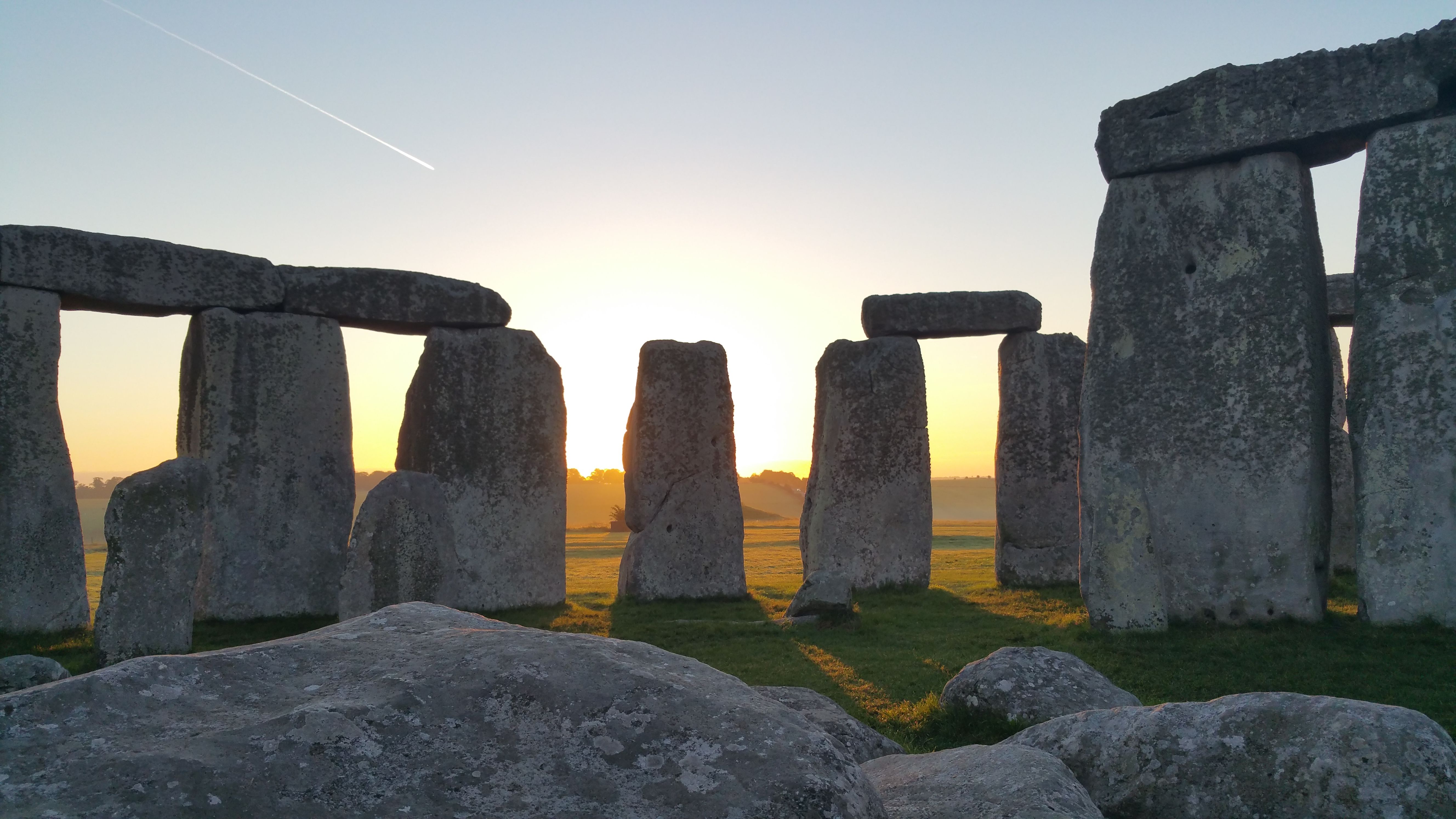
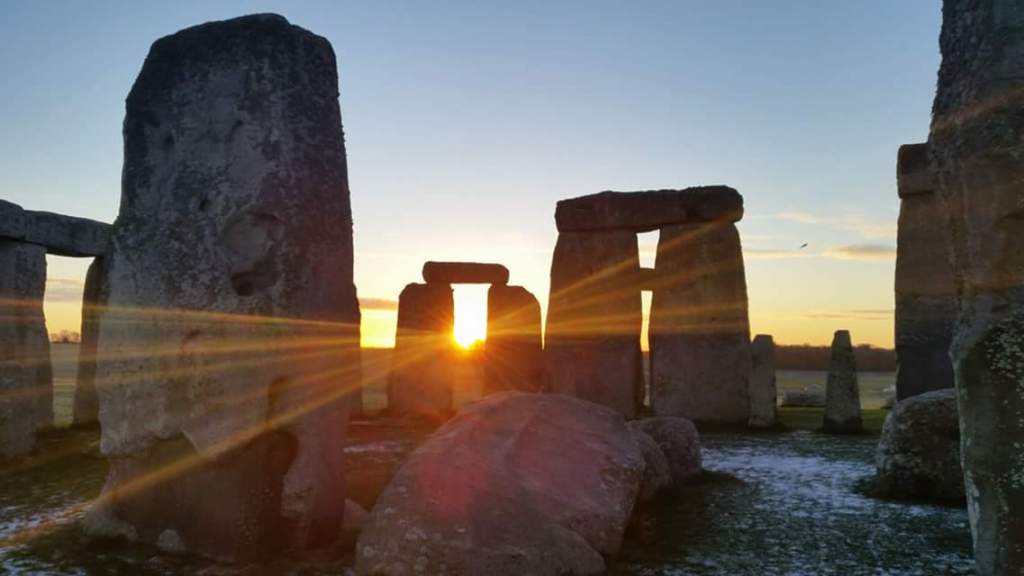
Stonehenge is carefully aligned on a sight-line that points to the winter solstice sunset.
Why is open access on the 22nd December? Many people believe the Winter Solstice always falls on December 21, but because of a mismatch between the calendar and solar year, the December solstice is not fixed to a specific date.
This year, English Heritage says based on advice from the druid and pagan communities, the Solstice will be marked at Stonehenge on the morning of Wednesday December 22 December – the first sunrise following the astronomical solstice which occurs after sunset the previous day.
Access to Stonehenge for Winter Solstice is is subject to the Conditions of Entry. Please read these before deciding whether to attend. Stonehenge is in a field on Salisbury Plain and the weather in December will be cold and wet. Even if it isn’t raining, the ground will be wet from the dew and there may also be frost. Sensible footwear and warm, waterproof clothing is essential. Please note, parking charges apply.
DATE AND TIMES
Wednesday 22nd December 2021 6am: Limited car parking opens 7.45am (approximately depending on light levels): Monument field opens 8.09am: Sunrise 10am: Monument field closes
CONDITIONS OF ENTRY
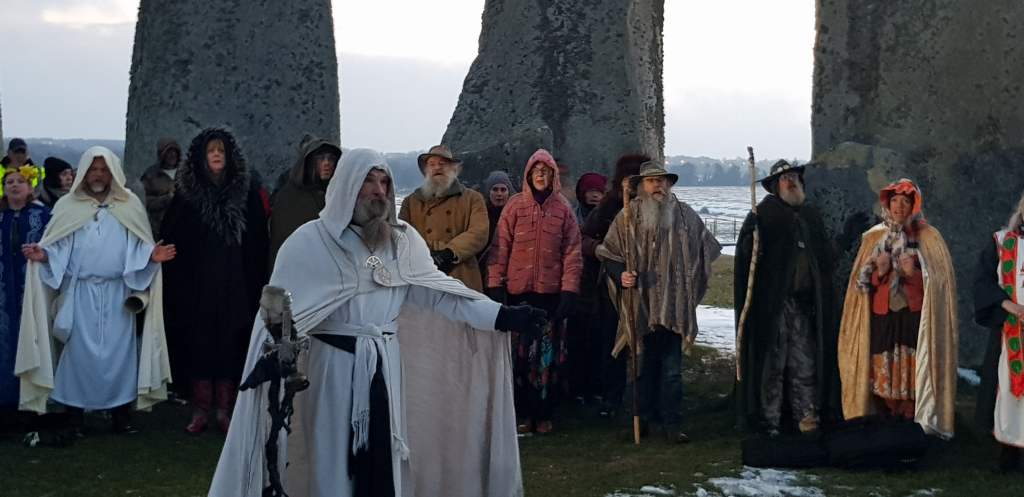
Stonehenge is an ancient prehistoric site which has been a place of worship and celebration at the time of Winter Solstice for thousands of years and is seen by many as a sacred site.
English Heritage is pleased to provide free Managed Open Access to Stonehenge for Winter Solstice and ask that if you are planning to join us for this peaceful and special occasion that you read these Conditions of Entry and the information provided on the following pages before deciding whether to come.
Please help English Heritage to create a peaceful occasion by taking personal responsibility and following the Conditions of Entry and guidelines. They have a duty of care to ensure public safety and are responsible for the protection of Stonehenge and its surrounding Monuments. If we are to ensure that future access is sustainable, it is essential that everyone observes and abides by these Conditions of Entry.
COME PREPARED
Stonehenge is in a field on Salisbury Plain and the weather in December will be cold and wet. Even if it isn’t raining, the ground will be wet from the dew. There may also be frost. Sensible footwear and warm, waterproof clothing is essential.
There is at least a 30 minute walk in low light or darkness, from the Visitor Centre to Stonehenge itself. You are strongly advised to wear strong, waterproof footwear, and to bring a torch with you. A shuttle will run from the Visitor Centre to the Monument and visitors with accessibility requirements will hve priority. All other visitors should be prepared to walk.
There are no catering facilities in the monument field; however the café at the visitor centre will be open for hot drinks and breakfast rolls from 6am.
If you are considering visiting Stonehenge for the Winter Solstice celebrations and do not have transport, you may want to consider joining an organised tour with transport from London, Bath or Salisbury and save all the hassle and expense. Stonehenge Guided Tours offer such tours and are the longest established company. Solstice Events offer small group tours from Bath and The Stonehenge Tour Company use only local expert guides and have a great reputation.
Stonehenge Winter Solstice Links: Winter Solstice Livestream – STONEHENGE NEWS BLOG The Rebirth of the Sun: the Winter Solstice at Stonehenge – STONEHENGE NEWS BLOG Winter Solstice: Wild tales of slaughtered bulls, human sacrifice and much merriment – THE SCOTSMAN The Rebirth of the Sun: the Winter Solstice at Stonehenge – STONEHENGE NEWS BLOG Winter solstice: Why do pagans celebrate the shortest day of the year? THE TELEGRAPH The Sun Stones: The Story of the Winter Solstice at Stonehenge – STONEHENGE NEWS BLOG Stonehenge Winter Solstice Tours from London – STONEHENGE GUIDED TOURS Solstice at Stonehenge. From Past to Present. – STONEHENGE NEWS BLOG What has Stonehenge got to do with the winter solstice? – METRO NEWS Stonehenge Winter Solstice Tours from Bath – SOLSTICE TOURS U.K Celebrate Winter Solstice at Stonehenge – HOLIDAY EXTRAS Solstice and Equinox Experience Tours – SOLSTICE EVENTS UK The Stonehenge Sostice Pilgrims – STONEHENGE NEWS BLOG Stonehenge, the Winter Solstice, and the Druids – INTERESTRING ENGINEERING Respecting the Stones. Managed Open Access –STONEHENGE NEWS BLOG
The Stonehenge News Blog Follow us on Twitter and Facebook for all the latest Stonehenge News and Winter Solstice updates.
New tests show neolithic pits near Stonehenge were human-made, 16ft craters near Neolithic site that experts wrote off as naturally occurring ‘blobs’ are confirmed as 4,500-year-old holes dug by ancient
Pits, which are around 30 feet across and 16 feet deep, were found in June 2020 Britons after scientists use underground mapping technology They were arranged in a circle shape around the Durrington Walls Henge It is two miles from the more famous Stonehenge on Salisbury Plain, Wiltshire
The previously unknown subterranean ring is 20 times bigger than Stonehenge.
It is said to add to the evidence that early inhabitants of Britain, mainly farming communities, had developed a way to count, tracking hundreds of paces to measure out the pits.
It gives yet another twist to the story of the ancient monument.
Experts now believe that while Stonehenge was positioned in relation to the solstices, the boundary of pits may have had cosmological significance.
The team used groundbreaking technology to scan below the ground to detect where and when it had been disturbed. See relevant links below for full story.
The discovery is explored in a Channel 5 documentary titled Stonehenge: The New Revelations, to be aired on 9 December (9pm).
Relevant Stonehenge Links: New tests show neolithic pits near Stonehenge were human-made – The Guardian Stonehenge pits ARE man-made – The Daily Mail New tests uncover Neolithic secret: ‘It’s one enormous structure’ – The Daily Express Vast neolithic circle of deep shafts found near Stonehenge (June 2020) – The Guardian Guided archaeological Tours of Stonehenge – Stonehenge Guided Tours Visit Durrington Walls and Stonehenge with a local tour guide from Salisbury – The Stonehenge Travel Co.
A decade-long archaeological quest reveals that the oldest stones of Stonehenge originally belonged to a much earlier sacred site: a stone circle built on a rugged, remote hillside in West Wales. Using the latest tools of geotechnology, a dedicated team of archaeologists led by Professor Mike Parker Pearson (University College London) painstakingly searched for the evidence that would fill in a 400-year gap in our knowledge of the site’s bluestones. Secrets of the Dead reveals the original stones of Europe’s most iconic Neolithic monument had a previous life before they were moved almost 155 miles from Wales to Salisbury Plain.
The episode will be available to UK audiences via PBS America. PBS America is the British television channel from America’s Public Broadcasting Service, available 24 hours a day on Freeview 84, Freesat 155, Virgin Media 273, Sky 174, Samsung TV Plus and on-demand with the Amazon UK channel.
Stonehenge references: Stonehenge: Did the stone circle originally stand in Wales? – BBC Stonehenge and Wales connection revealed in BBC2 Lost Circle – Salisbury Journal Was Stonehenge originally built in Wales? Archaeologists unearth remains of Britain’s third largest stone circle and claim it was ‘dismantled and MOVED to Wiltshire’ – The Daily Mail Ancient Welsh circle at Waun Mawn is brother of Stonehenge – The Times How Stonehenge could have evolved from an earlier Welsh stone circle – The Telegraph Stonehenge: The Lost Circle Revealed – what you need to know – Salisbury Journal Guided Tours of Stonehenge with megalithic experts – Stonehenge Guided Tours Stonehenge: Find backs theory that monument was dismantled and dragged over 140 miles to Wiltshire. – The Stonehenge News Blog Dramatic discovery links Stonehenge to its original site – in Wales – The Guardian
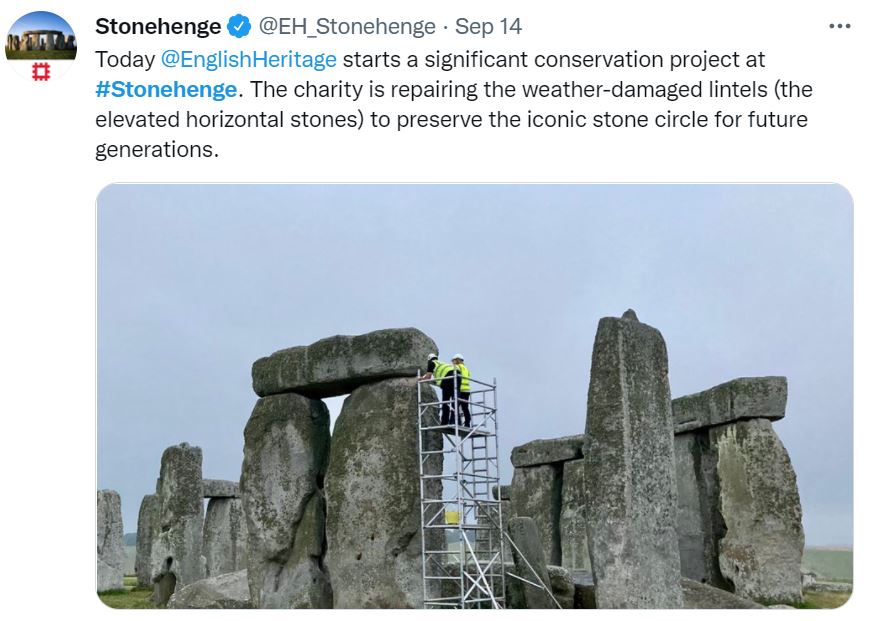
Restoration work at Stonehenge has begun, with scaffolding erected inside ancient Salisbury monument
Strong winds buffeting the 4,500-year-old stone circle have taken their toll on its horizontal stones
Large-scale restoration this morning, with conservators seen scaling 22ft high scaffolding
The last major job was conducted in 1958, when several stones were hauled back into place by Aubrey Bailey
His son Richard Woodman-Bailey is being asked to place a £2 coin within Stonehenge at a ceremony
For two weeks during September, English Heritage is carrying out repairs to the lintels at Stonehenge, replacing old degraded cement mortar that was used in the late 1950s to prevent weathering and secure the stones in position. The work will be heavily scrutinised by those on the project, in stark contrast to the work carried out in the 1950s.
Why are the stones being repaired?
Heather Sebire, English Heritage’s senior curator for the site, said: “Four-and-a-half-thousand years of being buffeted by wind and rain has created cracks and holes in the surface of the stone, and this vital work will protect the features which make Stonehenge so distinctive.”
Orientated towards the sunrise on the summer solstice, the sacred site includes several hundred burial mounds across the complex.
Scaffolding has been erected next to Stonehenge this morning as the ancient monument undergoes the first major repairs in more than six decades so cracks and holes in the stones can be refilled
However, Stonehenge is showing its age, with laser scans showing the lintel stones, joints and concrete mortar that balance across the vertical pillars have heavily eroded.
The concrete mortar used in the most recent project is not breathable, leaving the ancient stones vulnerable from moisture. This moisture can freeze in winter, then when it thaws, leaves deep cracks.
Instead of using concrete, conservators and engineers are to use a more forgiving material, lime mortar.
This type of mortar keeps water out more efficiently and, when moisture does enter, it allows it to escape.
Unsheltered from the elements, Stonehenge is at the mercy of what ever nature throws its way. Thrashed by wind and rain, the UK’s every increasingly extreme weather is bound to take its toll on the ancient moment.
Visitors to Stonehenge will get a unique opportunity to see conservation in action while the work takes place. Stonehenge Guided Tours offer tours from London and can include the special access experience allowing you to enter the inner circle and get a closer look. The Stonehenge Travel Company offer guided tours from nearby Salisbury and Bath.
Relevant Stonehenge news Links: Stonehenge restoration work begin. Daily Mail Conservation project starts at Stonehenge – Salisbury Journal Stonehenge project launched to repair deep lintel cracks – The Guardian Stonehenge: English Heritage to repair cracked lintels – BBC News Why is Stonehenge being repaired? – Wales Online From Restoration to Conservation – English Heritage Stonehenge to undergo first major repairs in 60 years to fill cracks and holes in monument – The Independent
Scientists analysed a sample from one of the standing stones taken in the 1950s
The sample is made up of sand-sized quartz grains cemented tightly together
Stonehenge may have lasted so long because of the unique geochemical composition of the standing stones, a new study suggests.
Geochemical analysis shows Stonehenge may have survived so long due to sand-sized quartz grains that are cemented tightly together by an interlocking mosaic of crystals
An international team of scientists analysed wafer-thin slices of a core sample from one of the great sandstone slabs, known as sarsens, under a microscope.
The 3.5-foot-long sample, called Philip’s Core, was extracted more than 60 years ago and only returned to Britain two years ago after being kept souvenir in the US for decades.
In 1958, Robert Phillips, a representative of the drilling company helping to restore Stonehenge, took the cylindrical core after it was drilled from one of Stonehenge’s pillars — Stone 58. Later, when he emigrated to the United States, Phillips took the core with him. Because of Stonehenge’s protected status, it’s no longer possible to extract samples from the stones. But with the core’s return in 2018, researchers had the opportunity to perform unprecedented geochemical analyses of a Stonehenge pillar, which they described in a new study.
The researchers used CT-scanning, X-rays, microscopic analyses and various geochemical techniques to study fragments and wafer-thin slices of the core sample – such testing being off-limits for megaliths at the site.
They found that Stonehenge’s towering standing stones, or sarsens, were made of rock containing sediments that formed when dinosaurs walked the Earth. Other grains in the rock date as far back as 1.6 billion years.
RELEVANT STONEHENGE NEWS: How Stonehenge’s stones have lasted so long: 20-tonne blocks are made up of interlocking quartz crystals that have stopped the monument weathering over the last 5,000 years, analysis reveals – Daily Mail Long-lost fragment of Stonehenge reveals rock grains dating to nearly 2 billion years ago – Live Science Stonehenge breakthrough as lost fragment of monument uncovers two billion-year-old secret – Daily Express Petrological and geochemical characterisation of the sarsen stones at Stonehenge – Plos One Researchers analyze rock grains from Stonehenge – Reuters Specialist tour operator offering guided tours of the inner circle of Stonehenge – Stonehenge Guided Tours The origin of the giant sarsen stones at Stonehenge has finally been discovered with the help of a missing piece of the site which was returned after 60 years. – Stonehenge News Blog
Stonehenge could become the latest heritage site in the UK to lose its UNESCO status as a £1.7bn Government plan to build a new road and tunnel there could threaten its history, ministers have been told.
Stonehenge could be on the verge of losings its World Heritage status, if a planned £1.7bn road tunnel goes ahead.
The news comes just days after Liverpool was stripped of its Unesco status, one of just three places to have the ranking removed in almost 50 years.
The world’s most recognisable rock monument, near Salisbury, is expected to be next in line to face the axe from the UN-backed agency who are said to be considering placing it on its ‘in danger list’.
Stonehenge Avebury and Associated Sites was awarded UNESCO World Heritage Status in 1986, meaning has cultural, historical, or scientific value ‘considered to be of outstanding value to humanity.
Internationally, Stonehenge is revered as one of the wonders of the world and is viewed alongside global treasures including the Taj Mahal, Pyramids of Giza and Machu Piccu.
STONEHENGE A303 TUNNEL NEWS:
Stonehenge may be next UK site to lose world heritage status – The Guardian Stonehenge could lose world heritage status following Liverpool – The Independent Stonehenge ‘could lose World Heritage status’ due to £1.7bn road tunnel plan – The Mirror Stonehenge could be next to lose Unesco world heritage status due to £1.7bn tunnel – The Daily Mail A303 Stonehenge Tunnel | Court case has begun to determine lawfulness of planning decision – Stonehenge News Blog The Knotty Problem of the A303 and Stonehenge.- Stonehenge News Blog The Stonehenge Tunnel Debate – the good, the bad, and the ugly – Stonehenge News Blog
The 2021 summer solstice celebrations at Wiltshire’s Stonehenge have been cancelled as England’s ‘Freedom Day‘ is delayed by four weeks due to the rise in cases of the Indian variant. In a bid to control the spread of the new strain, the Government has now pushed back stage 4 of its roadmap.
ENGLISH HERITAGE STATEMENT:
With this week’s news that the Government is delaying the lifting of the remaining Covid-19 restrictions on 21 June and following discussions with Wiltshire Council’s Public Health team and Wiltshire Police, English Heritage has taken the extremely difficult decision to cancel the planned Summer Solstice celebrations at Stonehenge this year.
SUMMER SOLSTICE IN THE NEWS
Stonehenge summer solstice event cancelled for a second year – BBC News ‘Left with no choice’ – Solstice event cancelled second year in a row – Salisbury Journal Summer solstice celebrations at Stonehenge officially cancelled – This is Wiltshire
The sunset and sunrise will be live-streamed for free as the virtual celebrations proved very popular last year.
Traditionally about 10,000 people have gathered at the Neolithic monument in Wiltshire, on or around 21 June, to mark midsummer, however English Heriatge were expecting numbers to exceed 40,000 this year as many festivals and events have already been cancelled due to coronavirus restictions.
Please do not travel to Stonehenge this summer solstice, watch it online instead. The National Trust has also closed Avebury and asked visitors “not to travel to the area”. Wiltshire Police said officers would have a “presence in the areas of both Stonehenge and Avebury” and local authorities warned people to stay away.
Celebrations take place every year on or around June 21 at Stonehenge, a monument built on the alignment of the midsummer sunrise and the midwinter sunset.
On the summer solstice, the sun rises behind the Heel Stone, the ancient entrance to the Stone Circle, and rays of sunlight are channelled into the centre of the monument.
It is believed that solstices have been celebrated at Stonehenge for thousands of years.
Summer solstice takes place as one of the Earth’s poles has its maximum tilt toward the sun and the sun reaches its highest position in the sky, ensuring the longest period of daylight of the year.
RELEVANT SOLSTICE LINKS: Summer Solstice 2021 – National Trust facilities at Avebury closed overnight – National Trust Summer solstice 2021: everything you need to know about the longest day of the year – The Telegraph The Legendary Stonehenge Summer Solstice Celebration. A once-in-a-lifetime experience. Stonehenge News Stonehenge: Summer Solstice 2021 to go ahead as normal. Salisbury Journal Summer Solstice at Stonehenge. From Past to Present. Stonehenge New Blog Attending the Stonehenge 2021 Summer Solstice. English Heritage Stonehenge Summer Solstice Tours and Transprort – The Stonehenge Tour Company Why Thousands Of Pagans Gather At Stonehenge For The Solstice Stonehenge News Blog Respect the Stones: Stonehenge News Blog
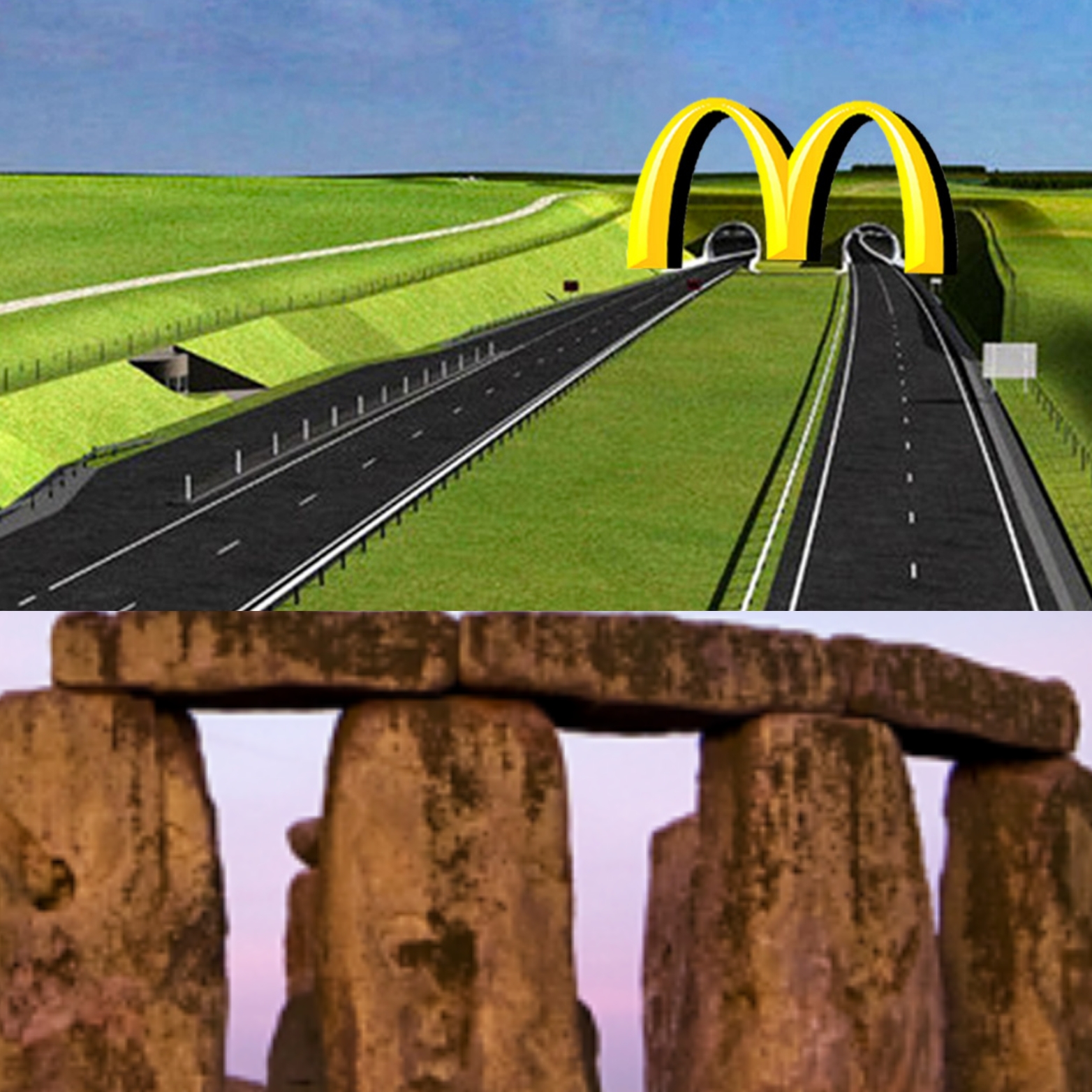
Today, companies large and small take advantage of the opportunity to adopt sections of roadway and more all over the world. Local governments are constantly looking for creative ways to sponsor tunnel and roadway infrastructure. McDonald’s offers fresh insights on developing innovative sponsorship including naming opportunities for projects such as tunnels and bridges. In England, spiraling tunnel costs are forcing the Government to announce a corporate infrastructure sponsorship with the fast-food giant sponsoring the Stonehenge tunnel project. Plans also include a tunnel toll fee that will be implemented to help recoup the costs of the tunnels construction and maintenance.
According to the National Audit Office report, the Amesbury and Berwick Down project, which includes the tunnel, is forecast to cost between £1.5bn and £2.4bn, with a likely cost of around £2.1bn. In return for financial sponsorship, McDonald’s receives prominent fleet and uniform brand positioning. In addition to the Golden Arches on the east and west entrances, you will see their branding (sponsor recognition panels) on the tunnel interior with several hundred intersecting horse-shoe shaped arches.
“The Golden Arches of McDonald’s will rise gloriously across the Wiltshire landscape, Contempo-monolithic, and as simple in concept as Stonehenge” said Terence Hillier, a spokesperson for the McDonald’s sponsorship scheme.
Wiltshire council leaders have been defending the private funding initiative and reportedly welcome the prospect of bringing the Golden Arches to within sniffing distance of Britain’s greatest archaeological monument.
All these factors, coupled with the public’s growing comfort with naming public assets after private entities, make road and tunnel “branding” a reality in today’s economic climate. Two decades ago few people could have imagined sports stadiums named after financial and energy companies, yet it is a common practice today. The Stonehenge tunnel on the A303 will not be far behind.
The introduction of toll electronic road pricing (ERP) is expected to cost £7 per vehicle however, discounts will be offered to local residents. Also, motorists on the A303, who will no longer get a free view of Stonehenge whilst travelling through the tunnel, will be able to claim a 25% discount at the English Heritage visitor centre.
McDonald’s will also be offering discounts on their exclusively branded menu for toll payers at any of their A303 restaurants. Vouchers will be redeemable on Chicken McDruids, Stone Burgers and Solstice Shakes.
The Stonehenge Drive-Thru is expected to open in 2026 and local residents are ‘lovin’ it.
1st APRIL 2021
Related Topics: Plans for proposed dome to cover Stonehenge from 2021 – Stonehenge News Blog April Fool! ‘Plans’ to beam advertising onto Stonehenge circle at night – Daily Mail Moving the Avebury stones for British Summer Time – National Trust When is April Fools’ Day 2021? Why we mark it with jokes, what time it ends and the best pranks from history – INEWS Stonehenge To Move (April Fool’s Day – 1991) – Daily Mail Geophysical survey reveals secret chambers and corridors underneath Stonehenge – Stonehenge News Blog Stonehenge Tours with expert tour local tour guides – Stonenge Tour Company
We aim to make this the ultimate source of the latest Stonehenge news available on the web. This blog is updated almost daily and promises to deliver accurate 'up to date' information on new theories, new digs, solstice events, Druid gatherings, the new visitor centre, general megalithic links and some fun along the way. We welcome your input....
"There is so much misinformation about Stonehenge on the web, so it’s really refreshing to see such a clear and lucid presentation, what you have here looks like best general overview of Stonehenge to date, well done!"
Mystery surrounds this 5,000 year old monument in the centre of the World Heritage Site. Visit this prehistoric South West site near Salisbury in Wiltshire, and decide for yourself whether Stonehenge was a place of sun worship, a healing sanctuary, a sacred burial site, or something different altogether!
THIS BLOG claims no credit for any images posted on this site unless otherwise noted. Images on this blog are copyright to its respectful owners. If there is an image appearing on this blog that belongs to you and do not wish for it appear on this site, please E-mail with a link to said image and it will be promptly removed.





 StonehengeNews
 travelstonehenge

 Stonehenge Stone Circle News and Information