The 5,000-year-old enigma of Stonehenge might have been resolved at last – aided by a handful of minuscule sand grains. Although the majority of researchers contend that the enormous stones of Stonehenge were transported from Wales and Scotland, an alternative theory suggests that the builders received assistance. As per the glacial transport theory, the ice that once enveloped ancient Britain conveniently moved the stones to the Salisbury Plain.
A handful of minuscule grains of sand might have ultimately unraveled one of the most persistent enigmas surrounding Stonehenge, as researchers discover proof that the stones were moved by humans rather than by glaciers
Nevertheless, researchers have now discovered substantial evidence indicating that the megaliths were likely transported by humans. Employing advanced mineral fingerprinting methods, geologists from Curtin University demonstrated that no glacial debris ever reached the Salisbury Plain. Had the rocks been transported by ice, they would have left a breadcrumb trail of millions of microscopic mineral grains. However, upon examining the sand in Wiltshire, the researchers found that none had been relocated there during the last ice age, which occurred between 20,000 and 26,000 years ago. Lead author Dr. Anthony Clarke informed the Daily Mail: ‘Our results render glacial transport improbable and support the prevailing theories that the megaliths were transported from remote locations by Neolithic individuals utilizing techniques such as sledges, rollers, and waterways.’
While the large standing stones, known as sarsens, originate from an area merely 15 miles (24 km) north of the stone circle, the smaller bluestones and the unique altar stone are not sourced locally. Geologists have traced the two to five-tonne bluestones back to the Preseli Hills in Wales, whereas the six-tonne altar stone has been identified as coming from a site at least 460 miles (750 km) away in northern Scotland. This indicates that Neolithic individuals would have had to transport specifically chosen stones over extensive distances using only stone and wooden tools. For some researchers, this notion appears so improbable that the glacial transport theory presents itself as a more plausible alternative. If ice did indeed cover the Salisbury Plain at some point in the distant past, it would have left behind evidence that should be observable today. Many of these significant traces, such as scratches on the bedrock or sculpted landforms, are either absent or inconclusive in the vicinity of Stonehenge. However, the ice would have also left a microscopic trace that scientists should be capable of detecting.
The large standing stones, referred to as sarsens, are sourced from an area located merely 15 miles (24 km) to the north of the stone circle, while the smaller bluestones and the distinctive altar stone are not obtained locally. Geologists have traced the bluestones, which weigh between two to five tonnes, back to the Preseli Hills in Wales, whereas the six-tonne altar stone has been determined to originate from a location at least 460 miles (750 km) away in northern Scotland. This suggests that Neolithic people would have needed to transport specifically selected stones over considerable distances using only stone and wooden tools. For some researchers, this idea seems so unlikely that the glacial transport theory emerges as a more credible alternative. If ice did indeed cover the Salisbury Plain at some point in the distant past, it would have left behind evidence that should be detectable today. Many of these important traces, such as scratches on the bedrock or sculpted landforms, are either missing or inconclusive in the area surrounding Stonehenge. Nevertheless, the ice would have also left a microscopic trace that scientists should be able to identify.
The large standing stones, known as sarsens, are obtained from a region situated just 15 miles (24 km) north of the stone circle, while the smaller bluestones and the unique altar stone are sourced from locations that are not local. Geologists have traced the origins of the bluestones, which weigh between two to five tonnes, back to the Preseli Hills in Wales, while the six-tonne altar stone has been identified as coming from a site at least 460 miles (750 km) away in northern Scotland. This indicates that Neolithic individuals would have had to transport carefully chosen stones over significant distances using only stone and wooden tools. For some researchers, this notion appears so improbable that the glacial transport theory presents itself as a more plausible alternative. If ice did indeed cover the Salisbury Plain at some point in the remote past, it would have left behind evidence that should be detectable in the present day. Many of these significant traces, such as scratches on the bedrock or sculpted landforms, are either absent or inconclusive in the vicinity of Stonehenge. However, the ice would have also left a microscopic trace that scientists should be capable of identifying.
This provides ‘robust, verifiable evidence’ that the massive stones were indeed transported manually to the Salisbury Plain. This could imply that we need to acknowledge more the creativity and resolve of our ancient forebears. Professor Kirkland states: ‘One could suggest a coastal transport by boat for the longer distances, followed by overland transportation utilizing sledges, rollers, prepared pathways, and organized labor, particularly for the largest stones. ‘Contemplating this supports the notion of a sophisticated interconnected society during the Neolithic period.’
Relevant Links
Grains of sand prove people – not glaciers – transported Stonehenge rocks – THE CONSERVATION~
The grains of sand that solve Stonehenge mystery after 5,000 years: Scientists uncover new evidence the stones were moved by humans – and not glaciers – DAILY MAIL
Want to visit Stonehenge with an expert tour guide and hear all about the latest discoveries? THE STONEHENGE TOUR COMPANY
Visit the inner circle of Stonehenge and walk amongst the Stones and dawn or dusk – STONEHENGE GUIDED TOURS
The Stonehenge News Blog
Follow us on Twitter and Facebook for all the latest Stonehenge News
http://www.Stonehenge.News
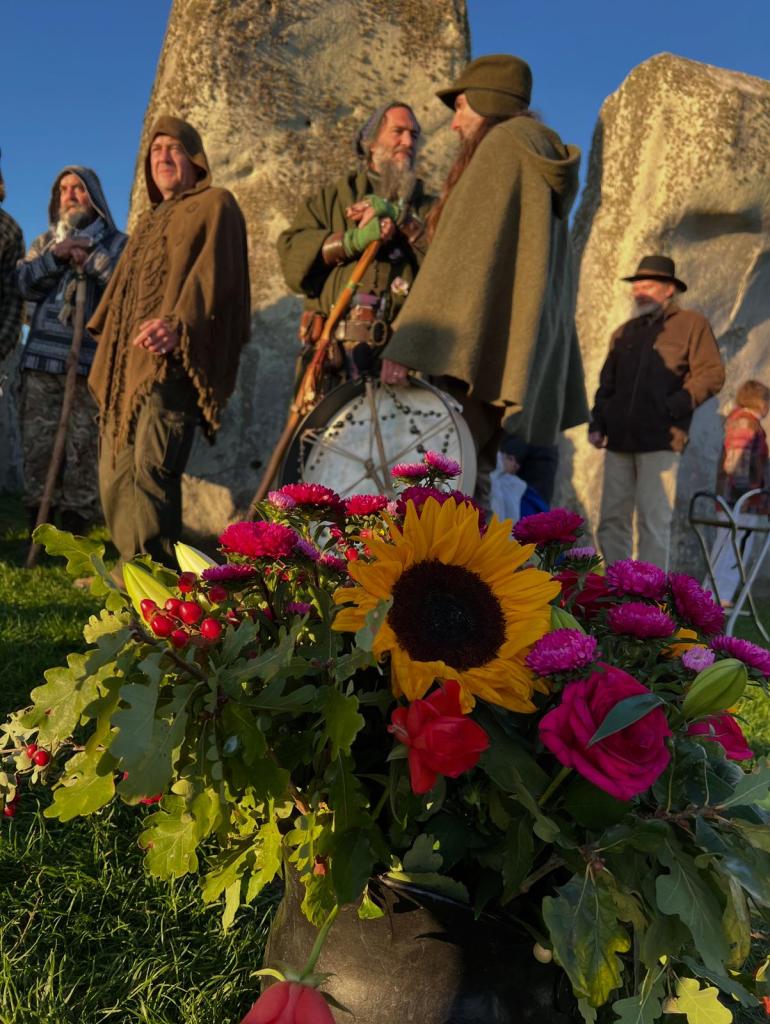
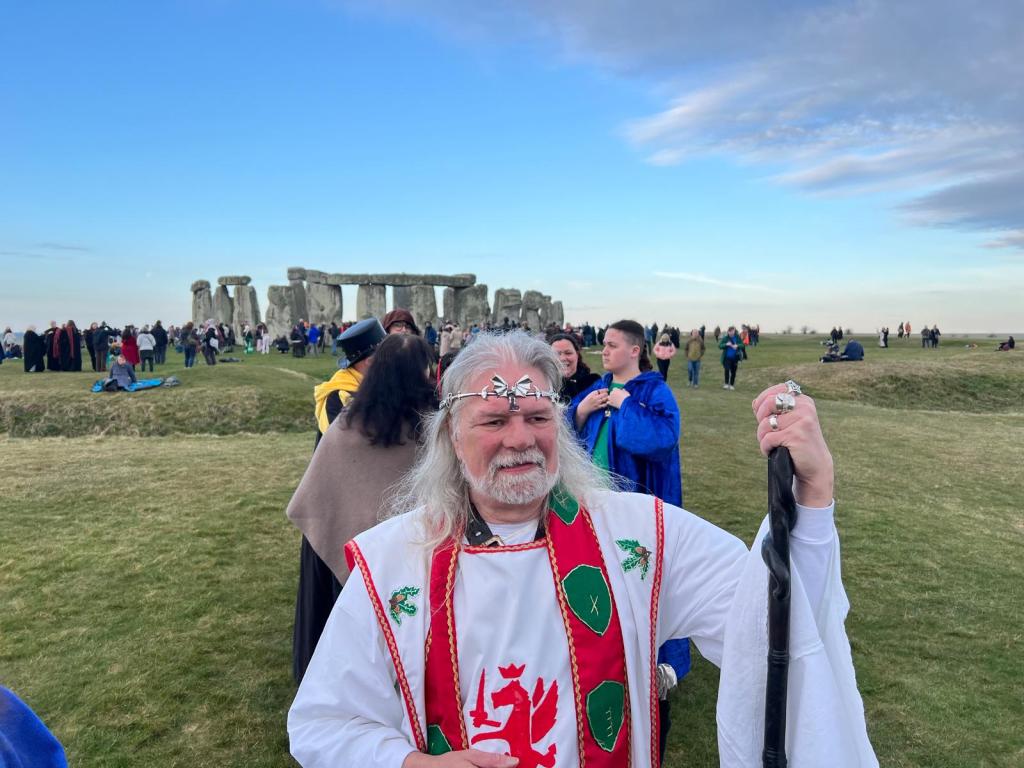
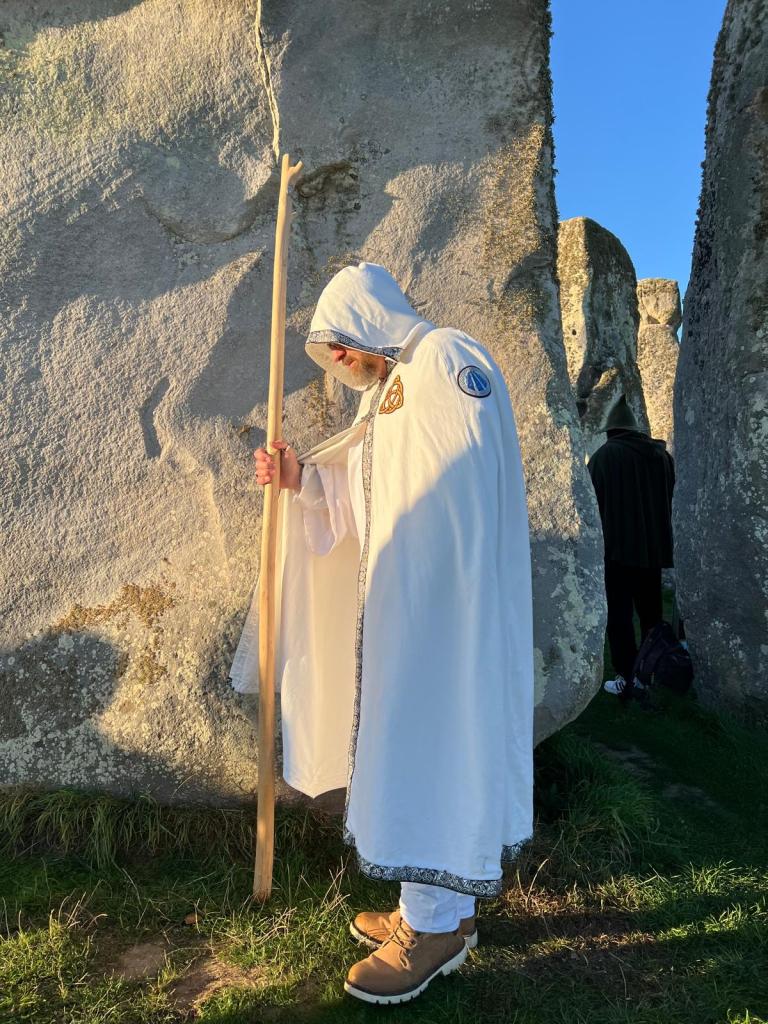
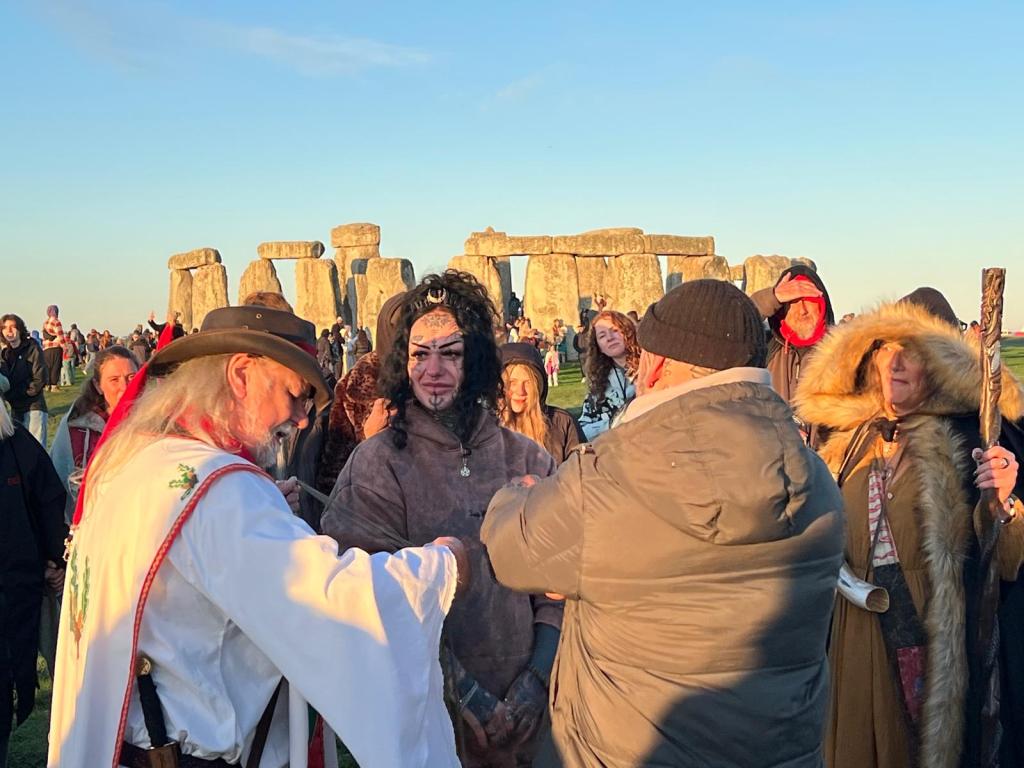
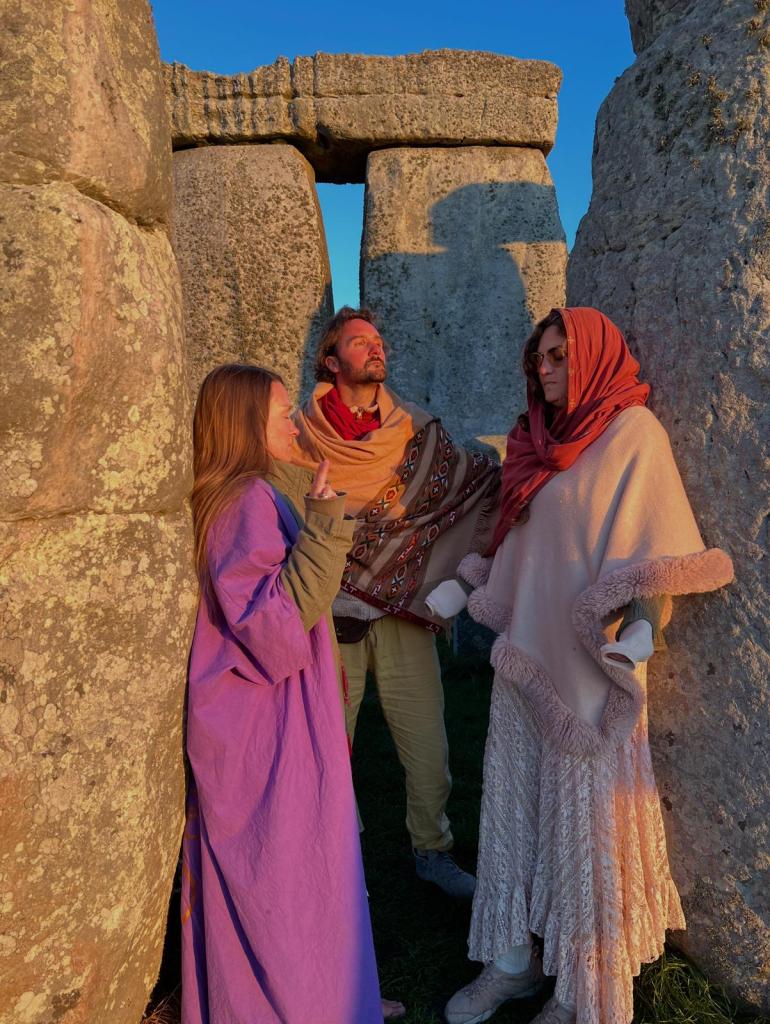
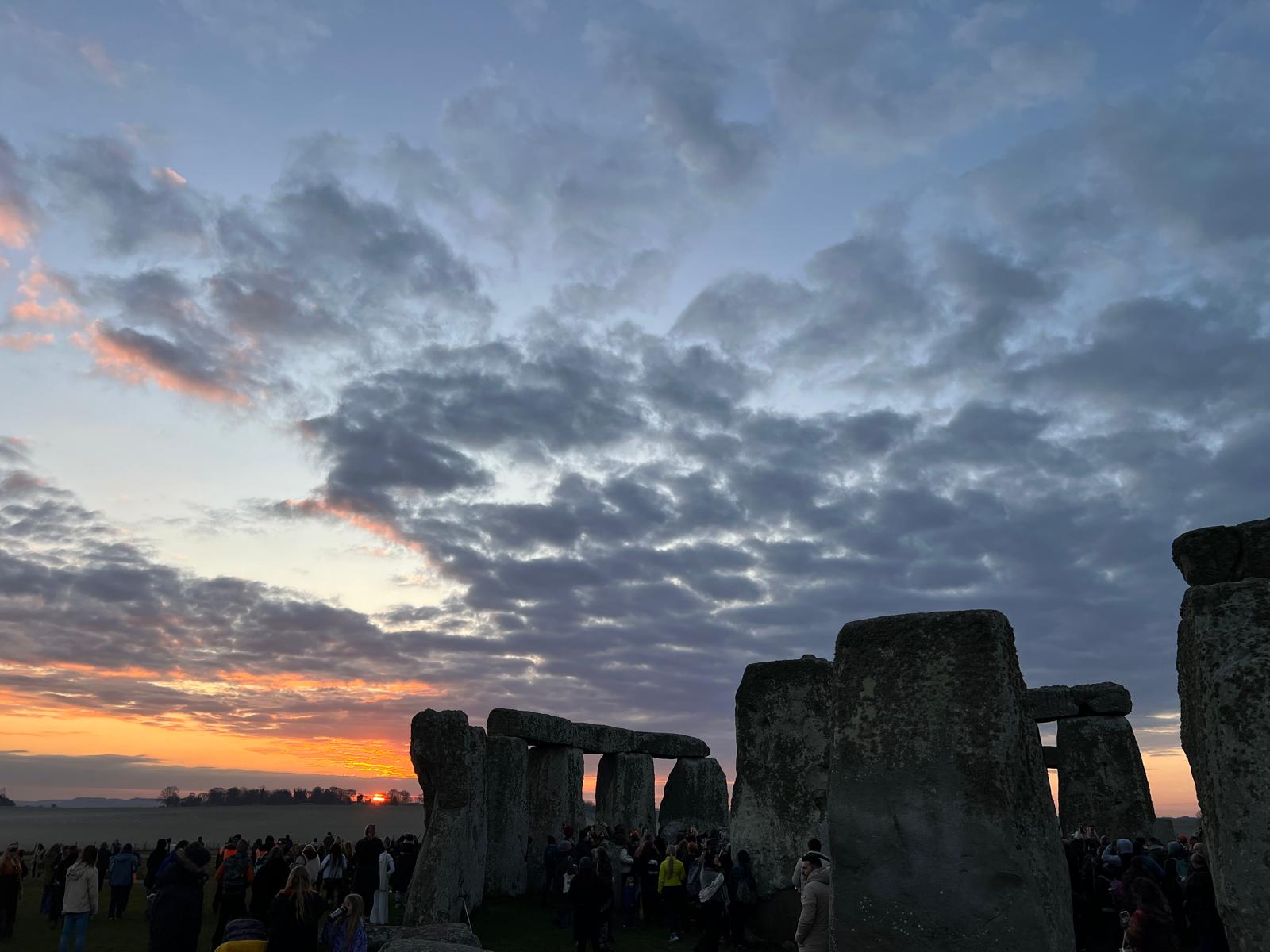
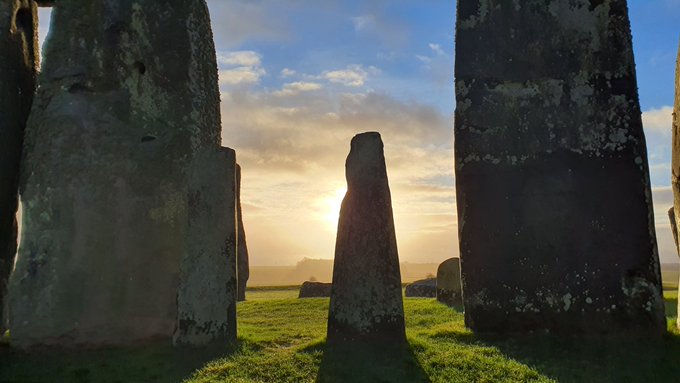
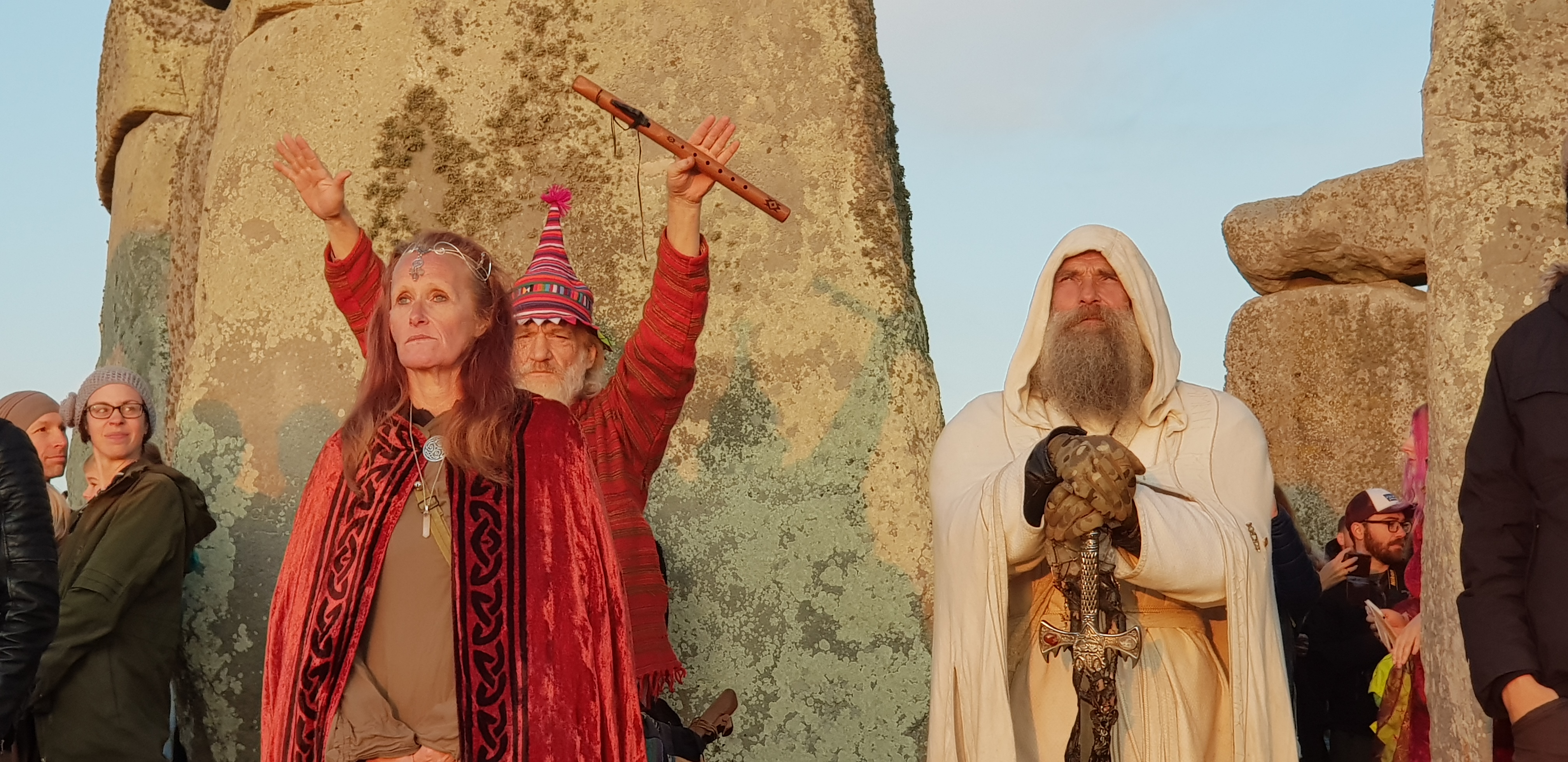
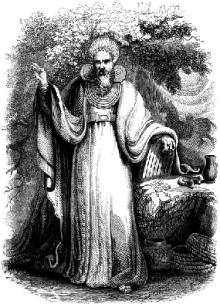 Druids pre-dated the Roman invasion of Britain and in ancient Celtic cultures they were members of highly respected shamanic class. They were typically religious leaders, but also law keepers, chroniclers, doctors, and even political advisors. They were first mentioned in the 2nd century BC in roman sources and were even reported by Julius Caesar in 59 B.C. Druid’s were the arbiters of spirituality in pre-roman Britain and had a deep connection with the lore of the isles.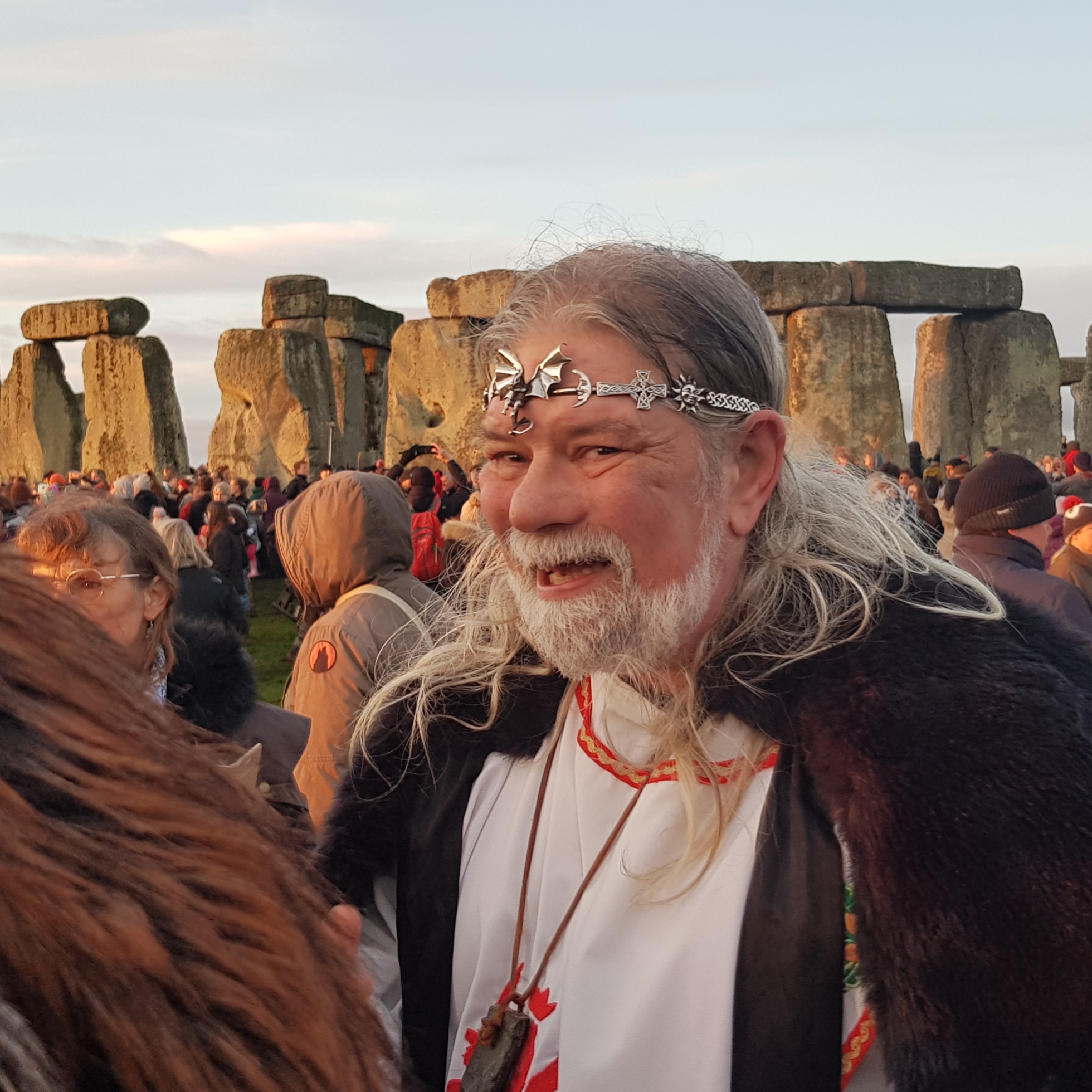






 Stonehenge Stone Circle News and Information