Stonehenge Autumn Equinox (Mabon) Managed Open Access Arrangements: 23rd September 2025

13 09 2025

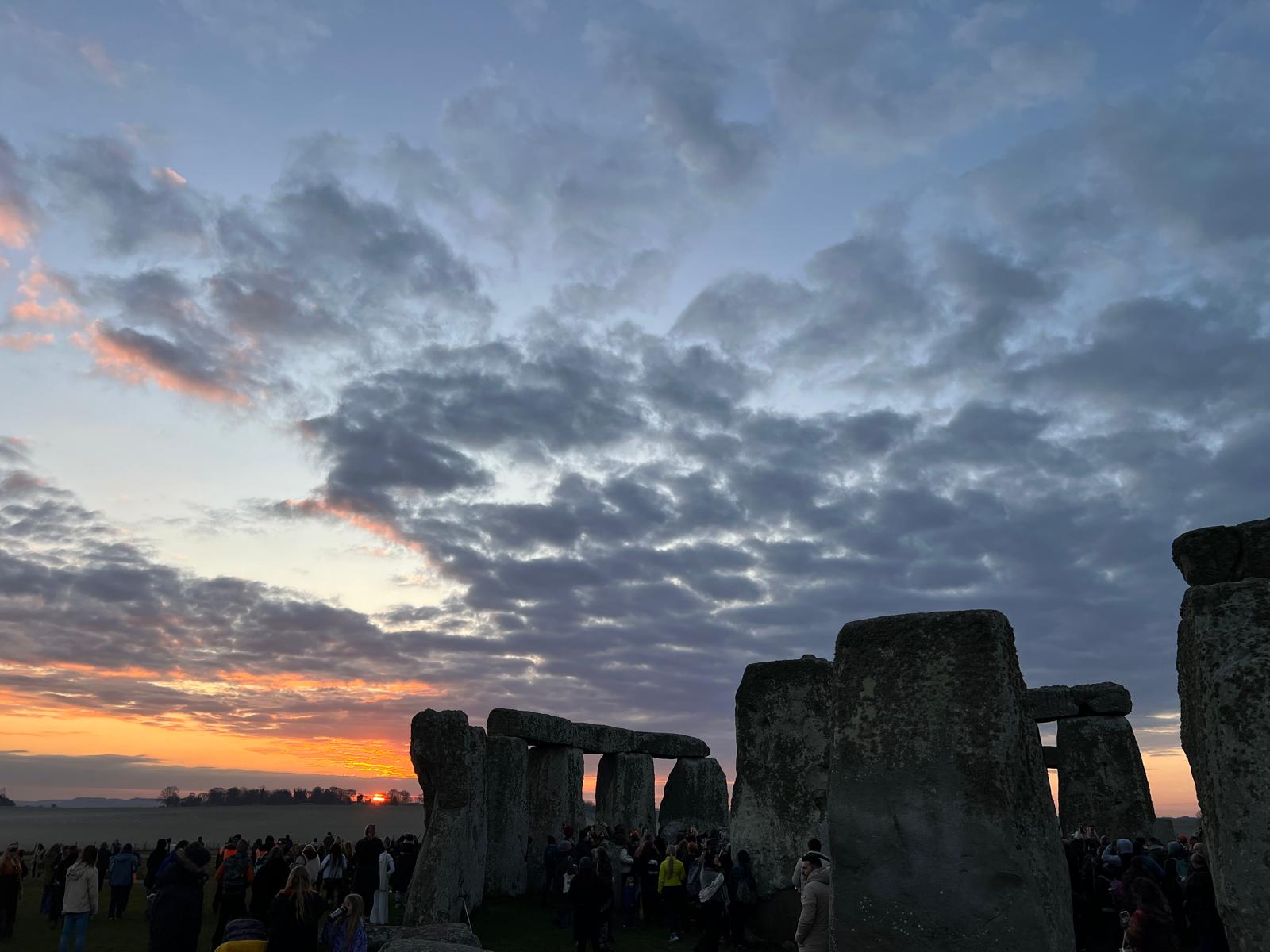
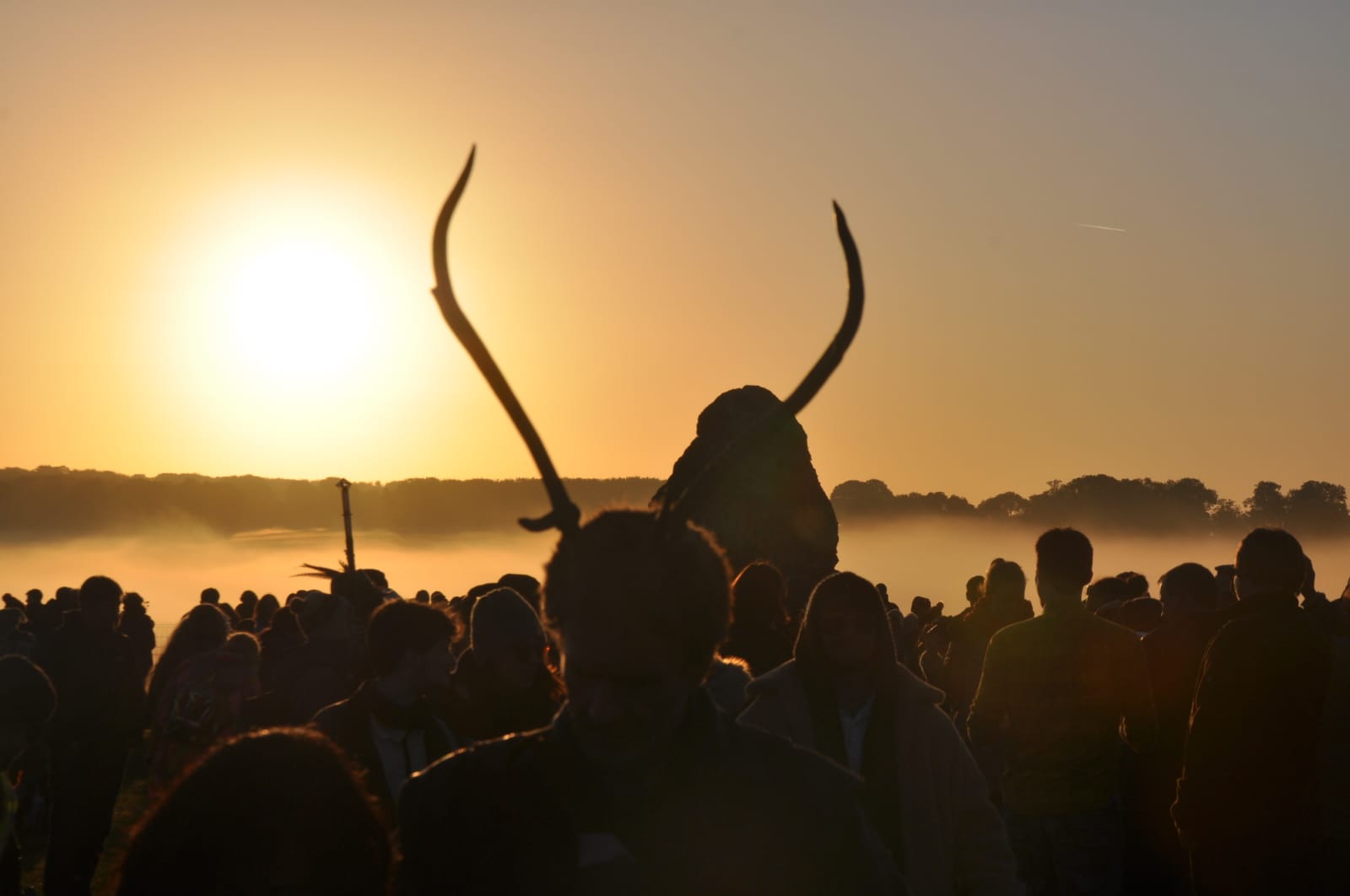
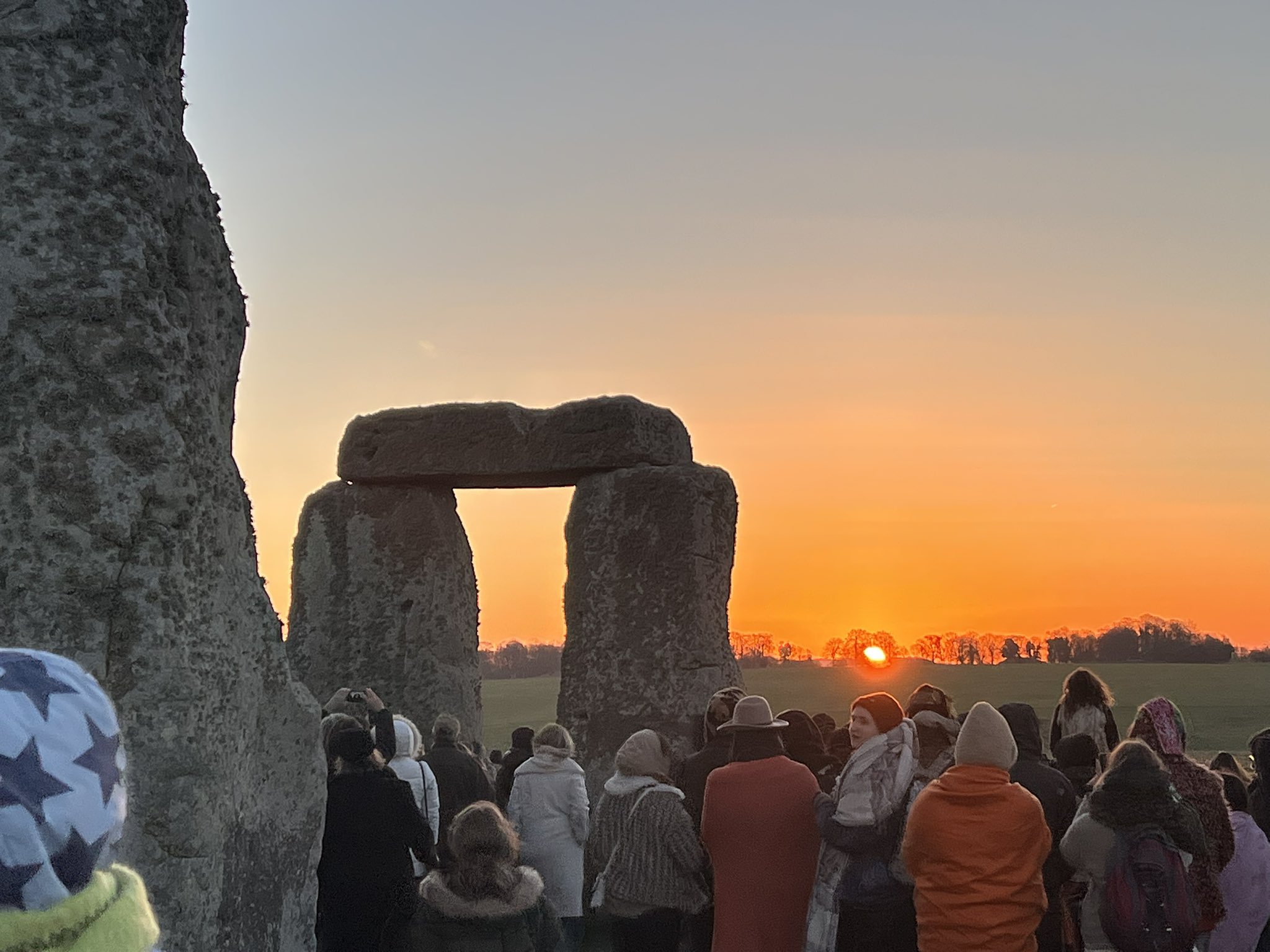
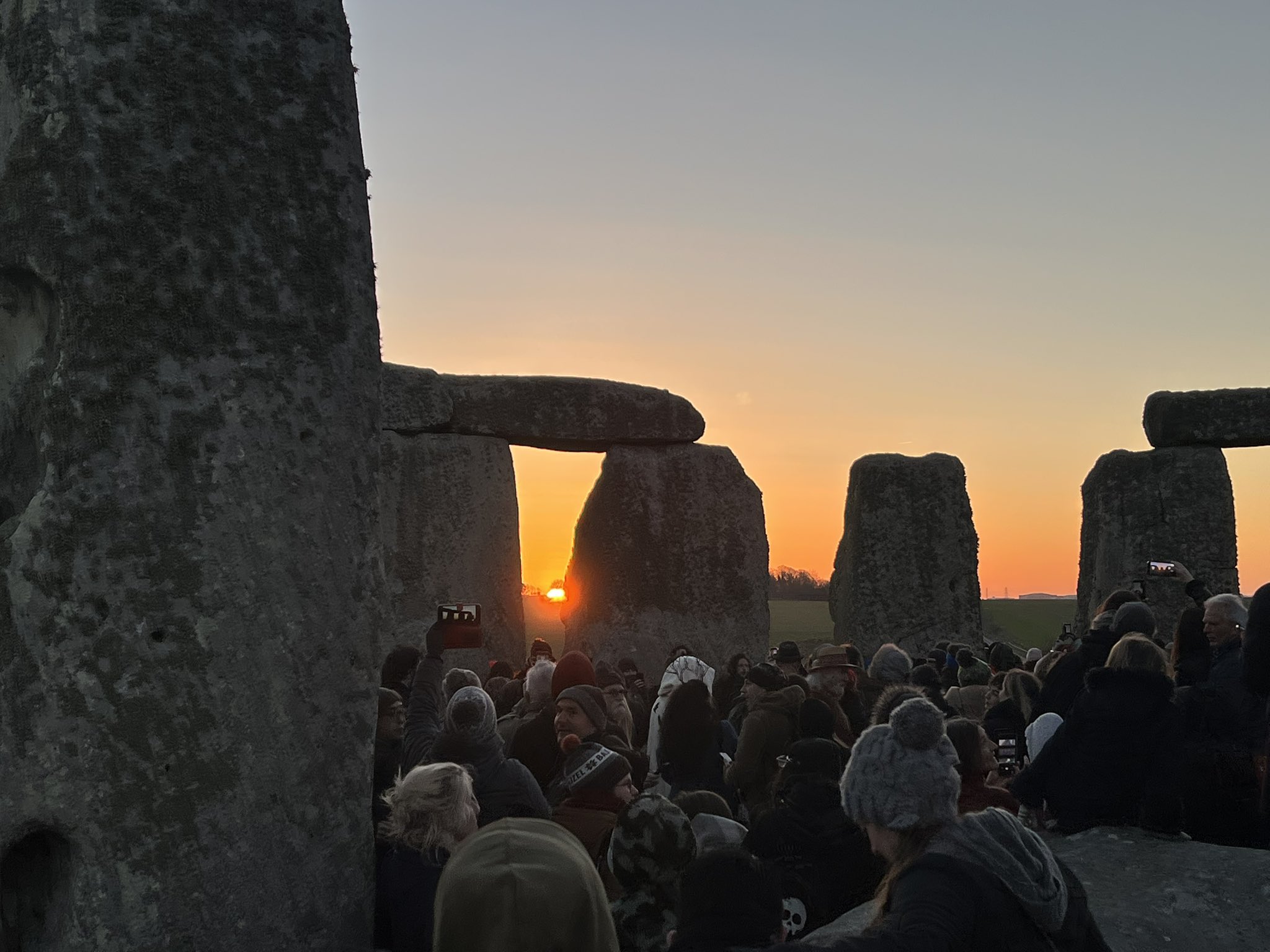
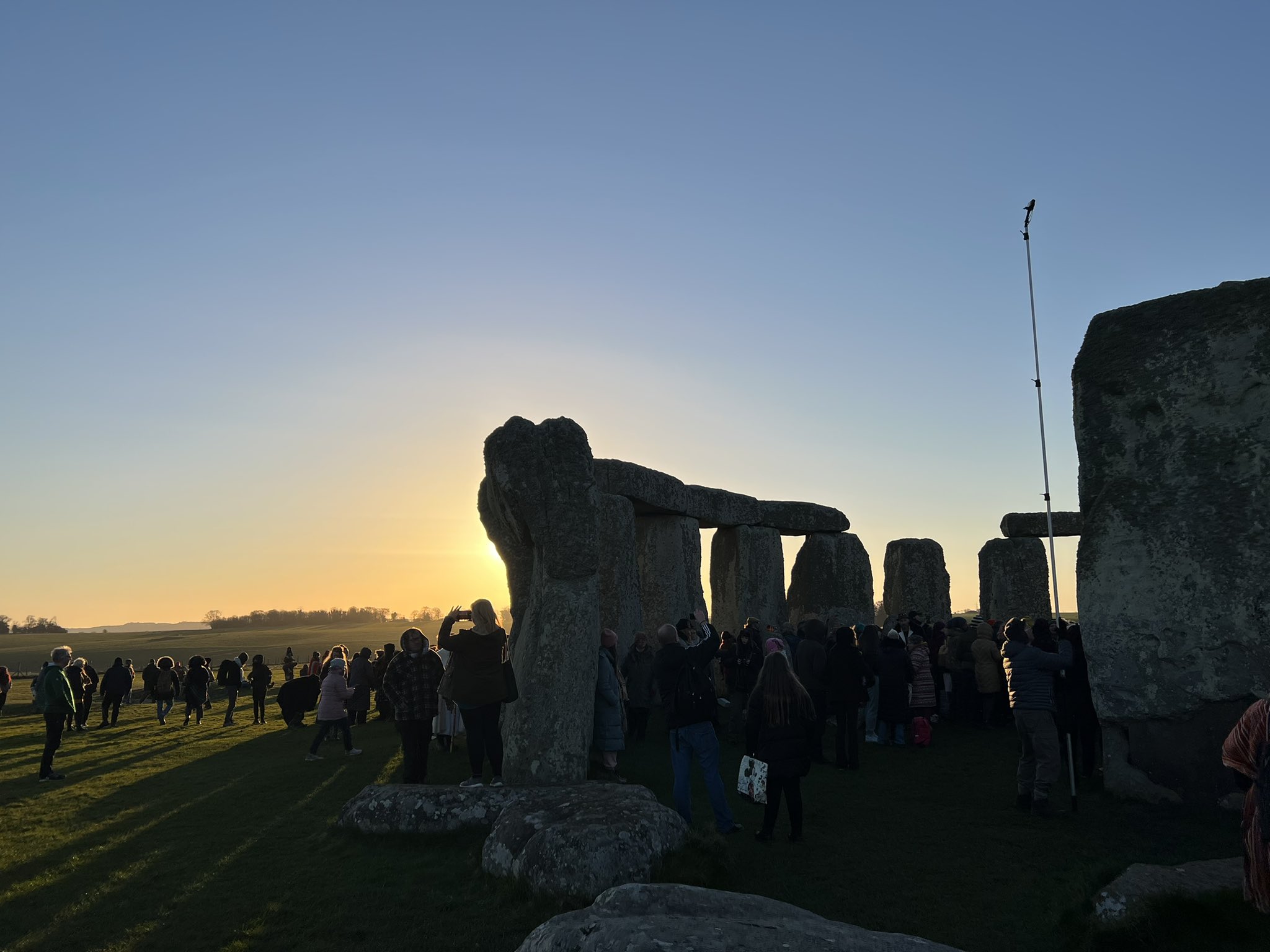
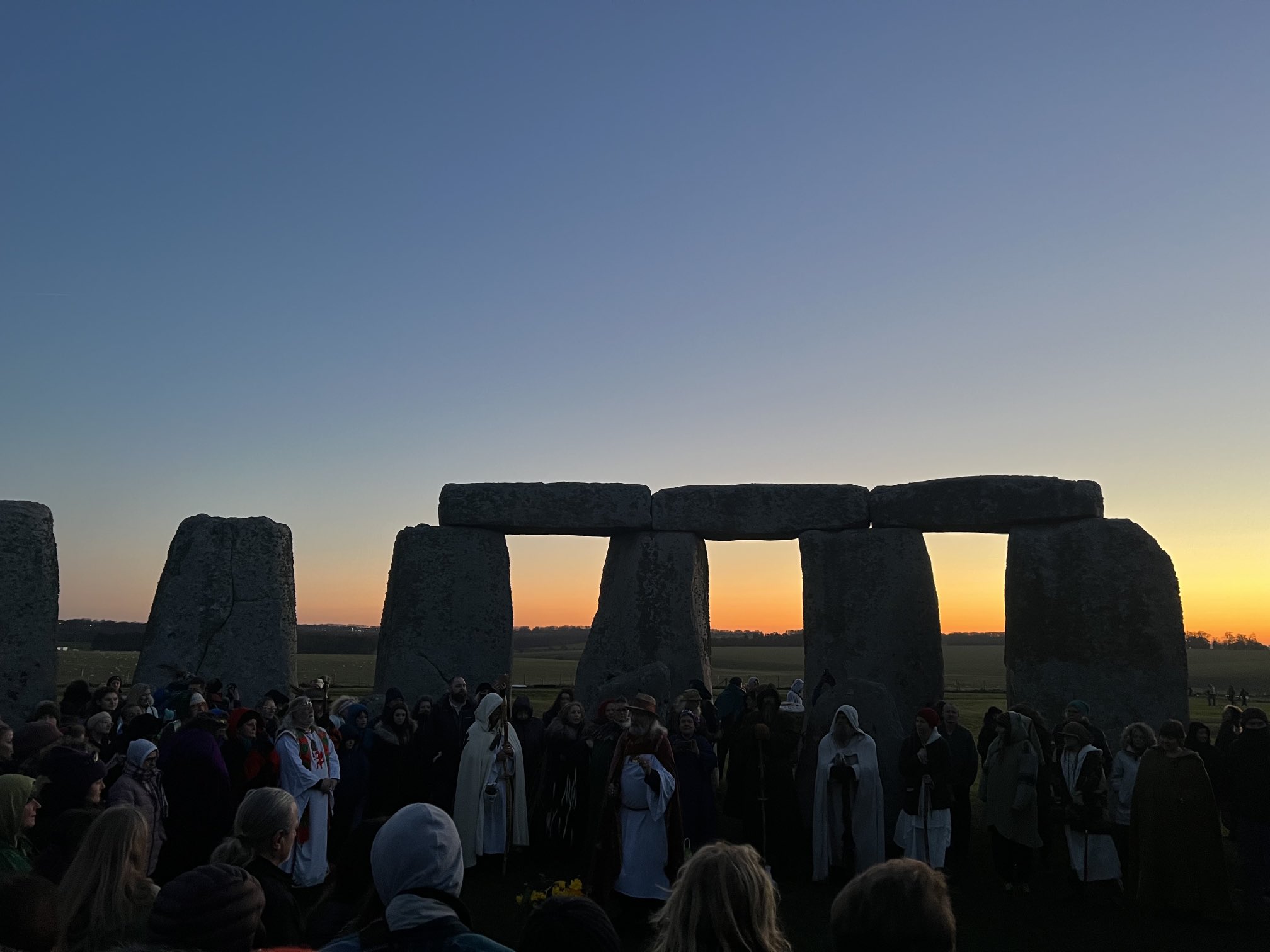
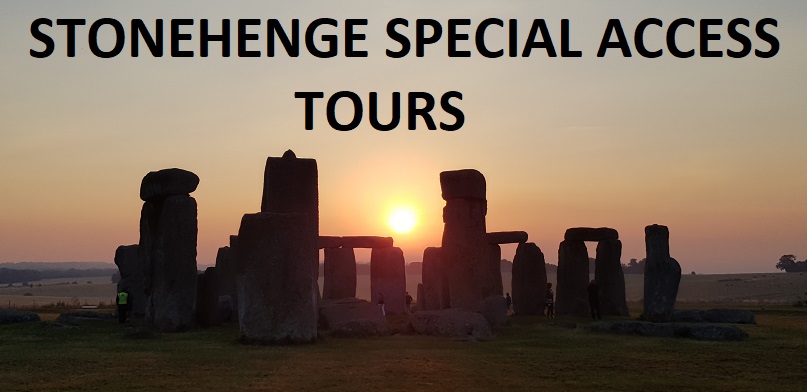
The Autumn Equinox (Mabon) is rapidly approaching as the last days of summer slowly come to an end. English Heritage are expected to offer a short period of access, from first light or safe enough to enter the monument field (approximately 06.15am until 08:30am) on the 23rd September.

Entry to the monument will begin between 05:45 – 06.15 hours (or when it is light enough to safely enter) on Tuesday 23rd September.

The Stonehenge car park will open at 05:15am. All vehicles must vacate the car parks by 11am.
Please note: there is a 25-30 minute walk (approximately 1½ miles or 2km) from the Stonehenge Visitor Centre to Stonehenge. This walk is across National Trust downland which is uneven: sensible footwear and a torch are advisable.

There will be a shuttle bus to the stones operating once the monument field has been opened (see times above).

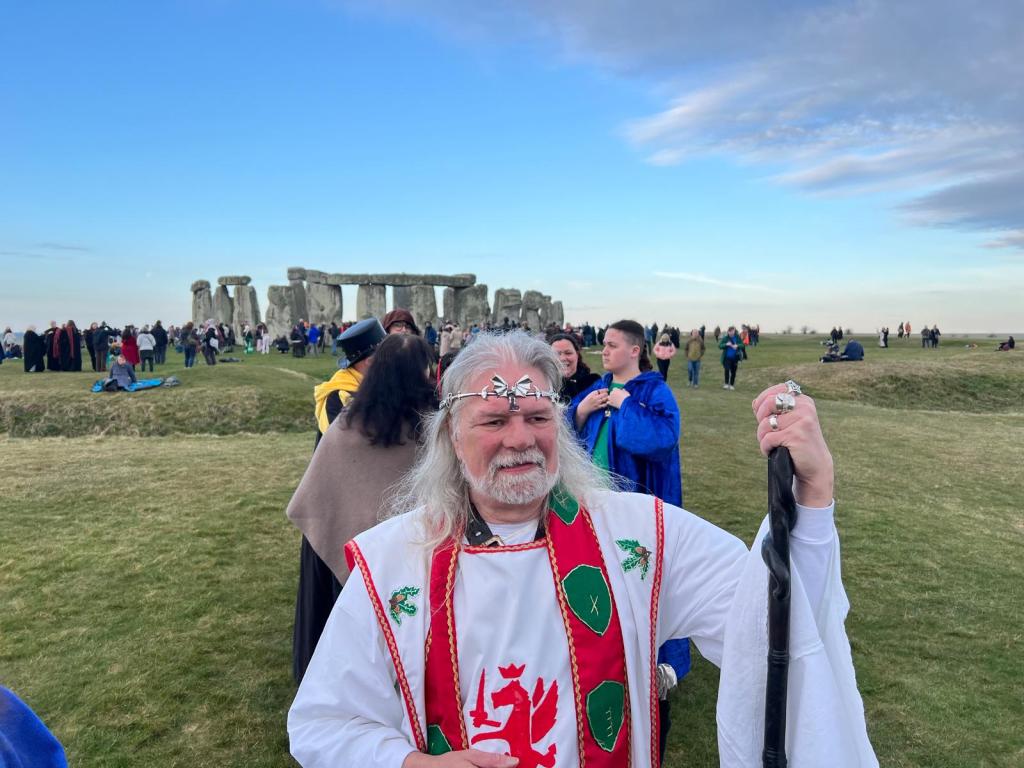
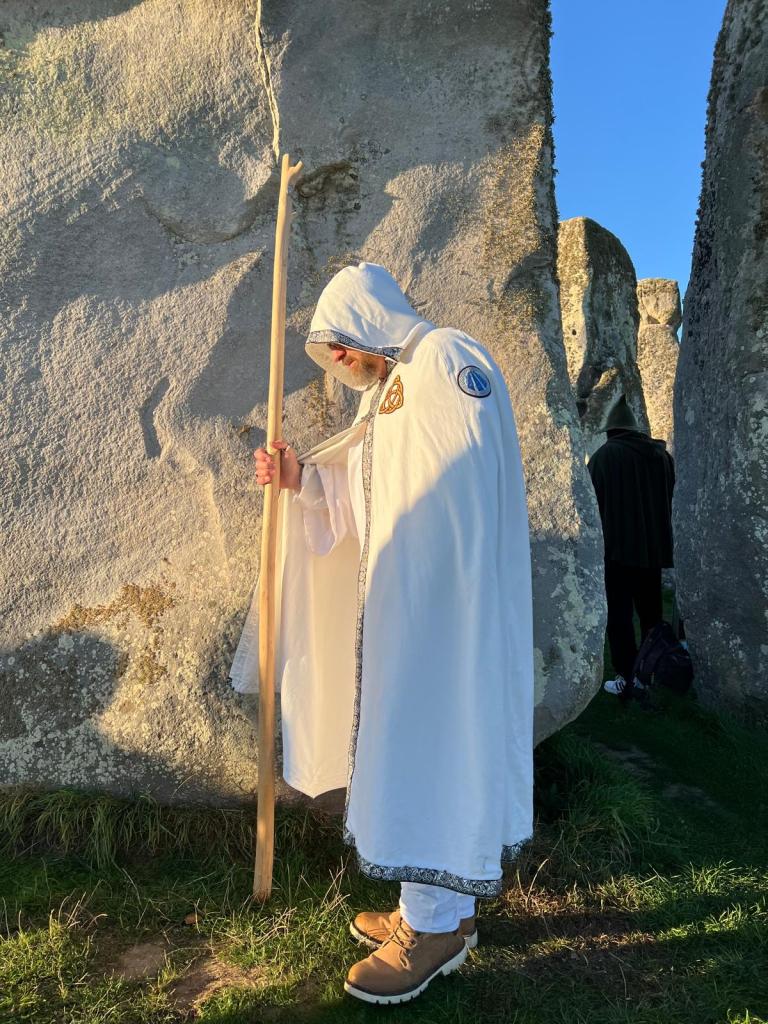
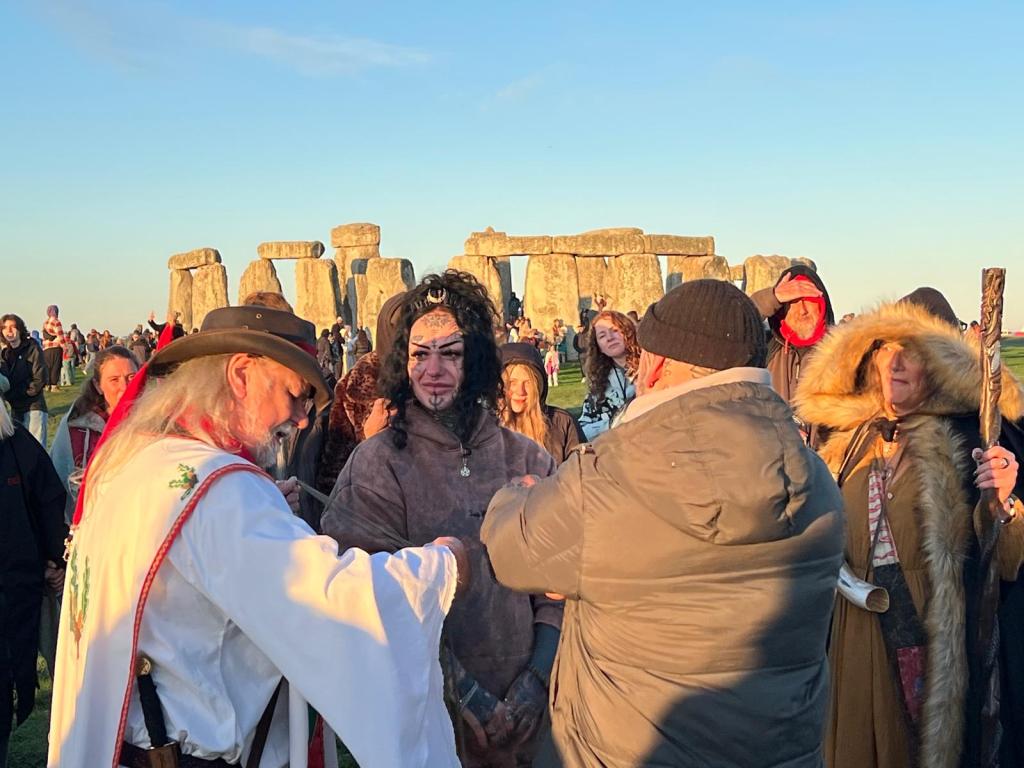
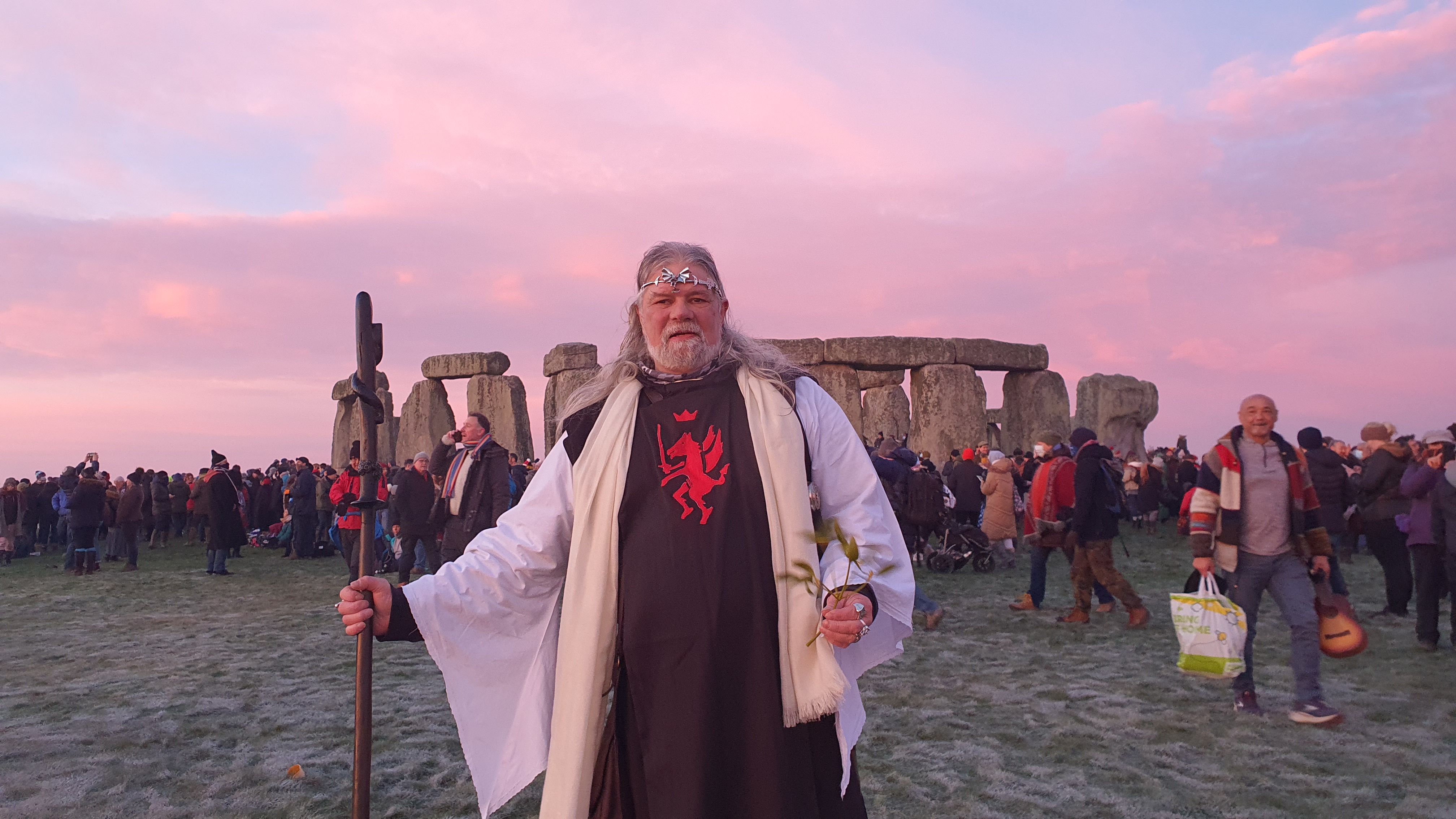
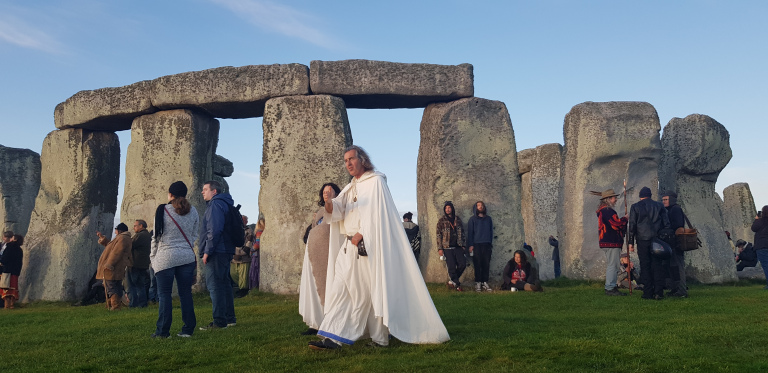
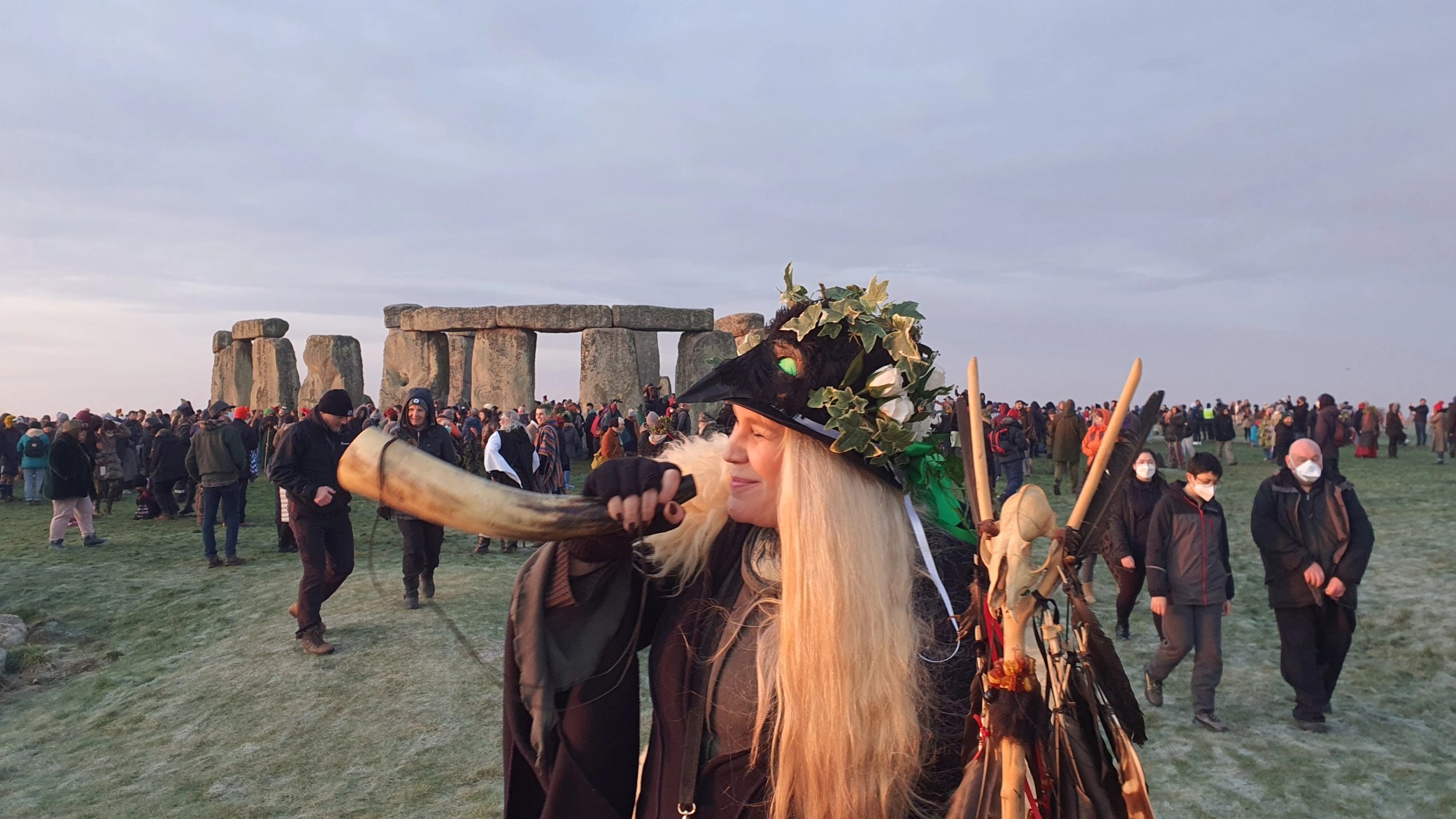
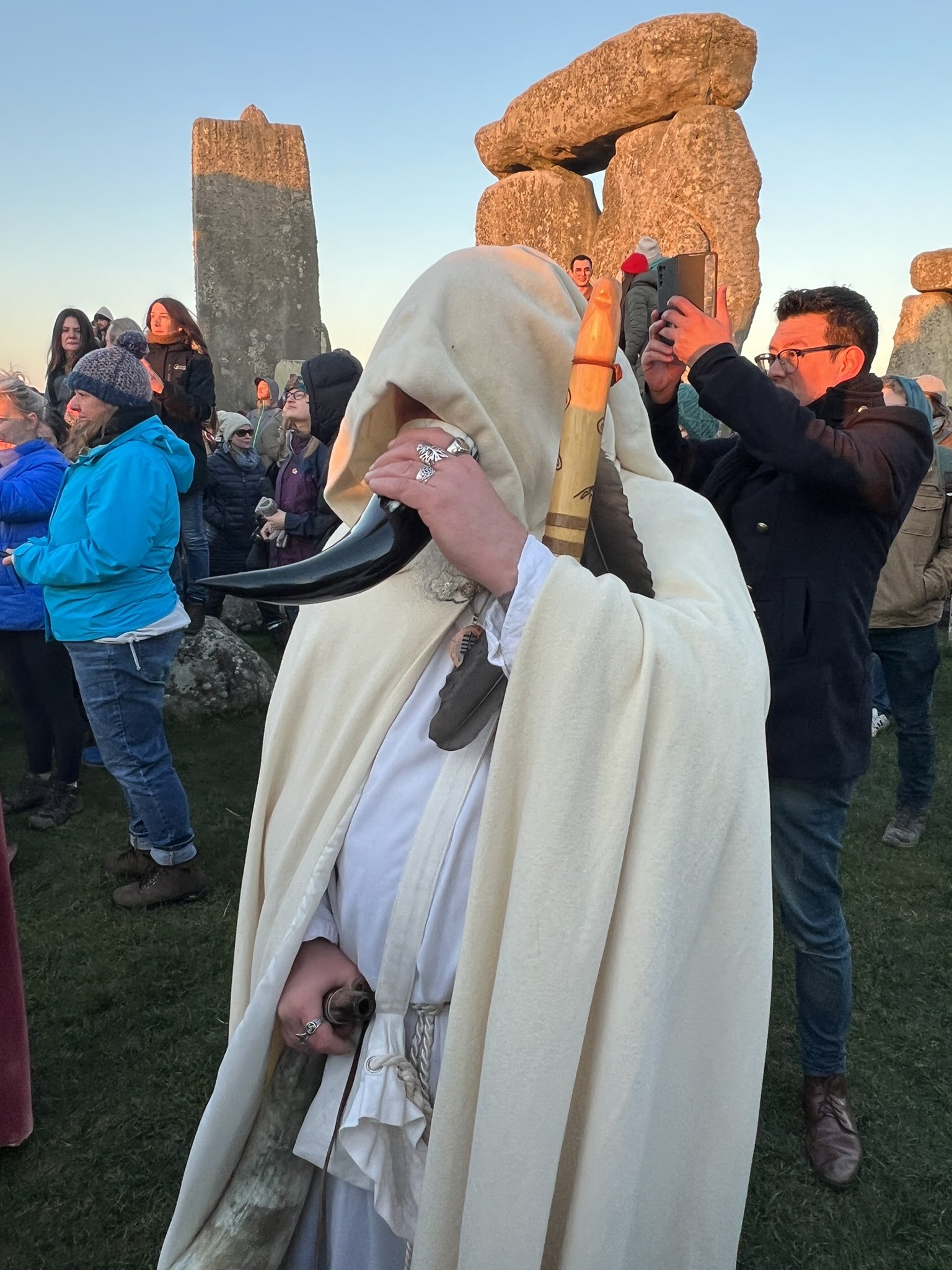
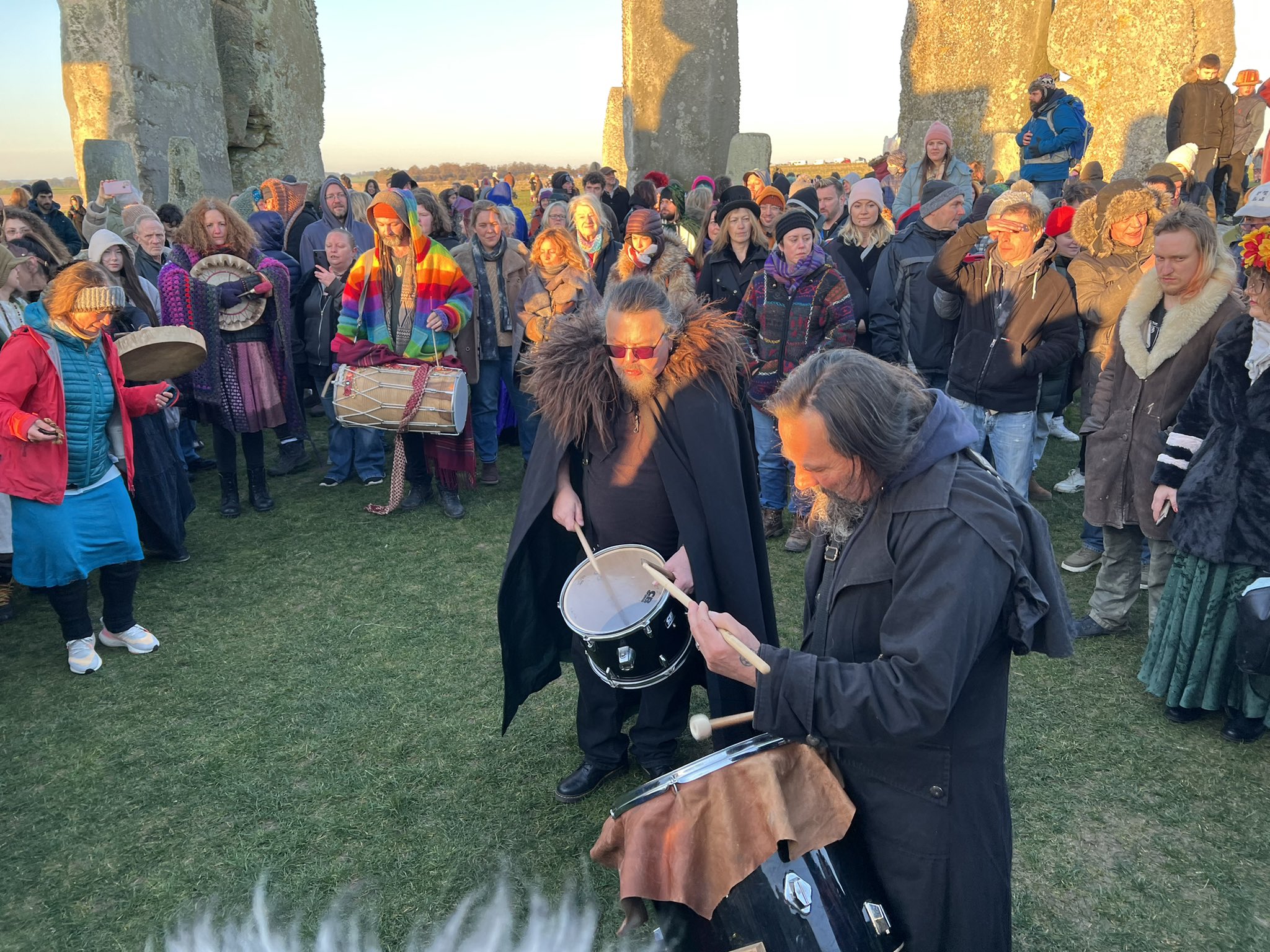
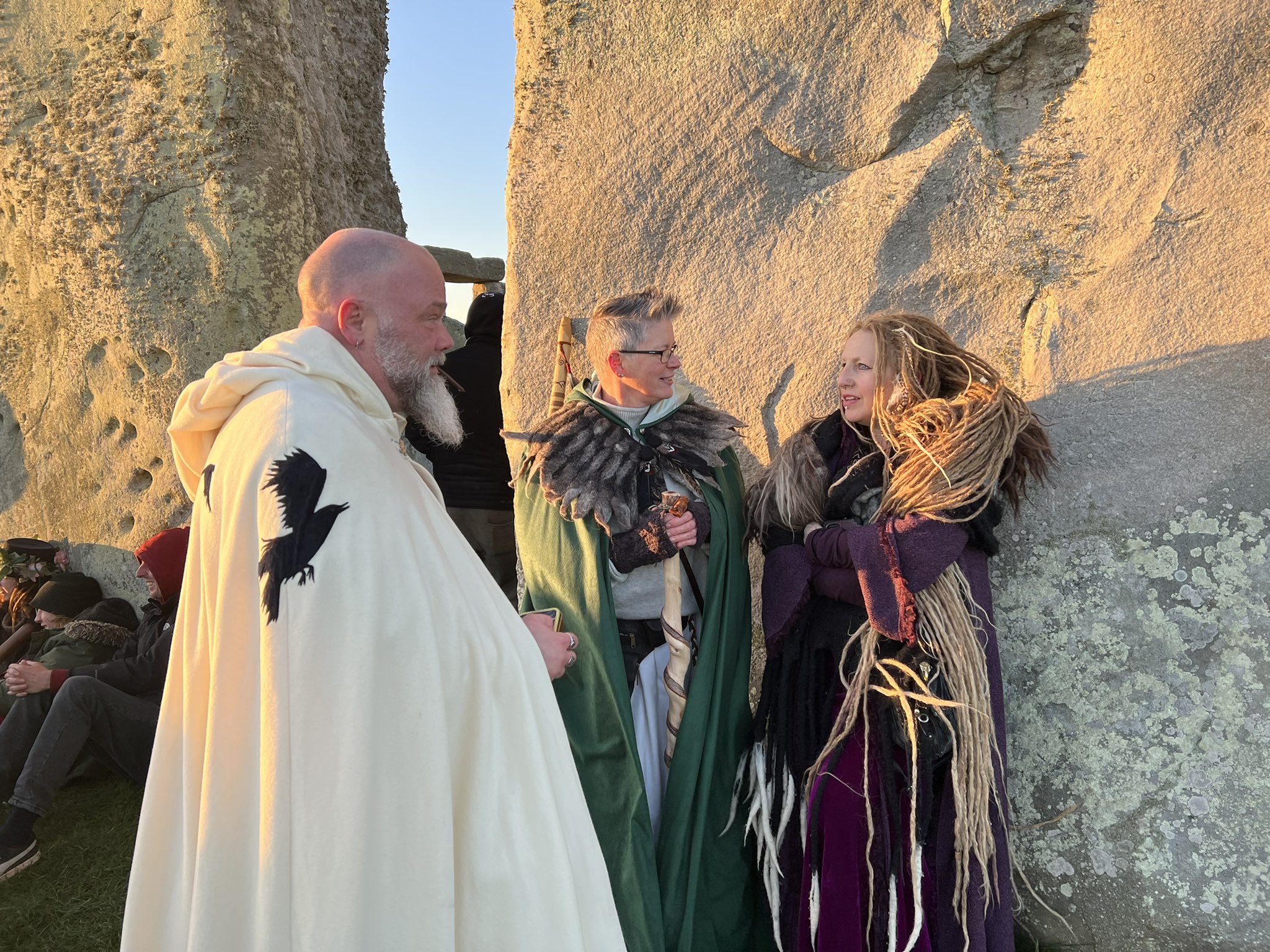
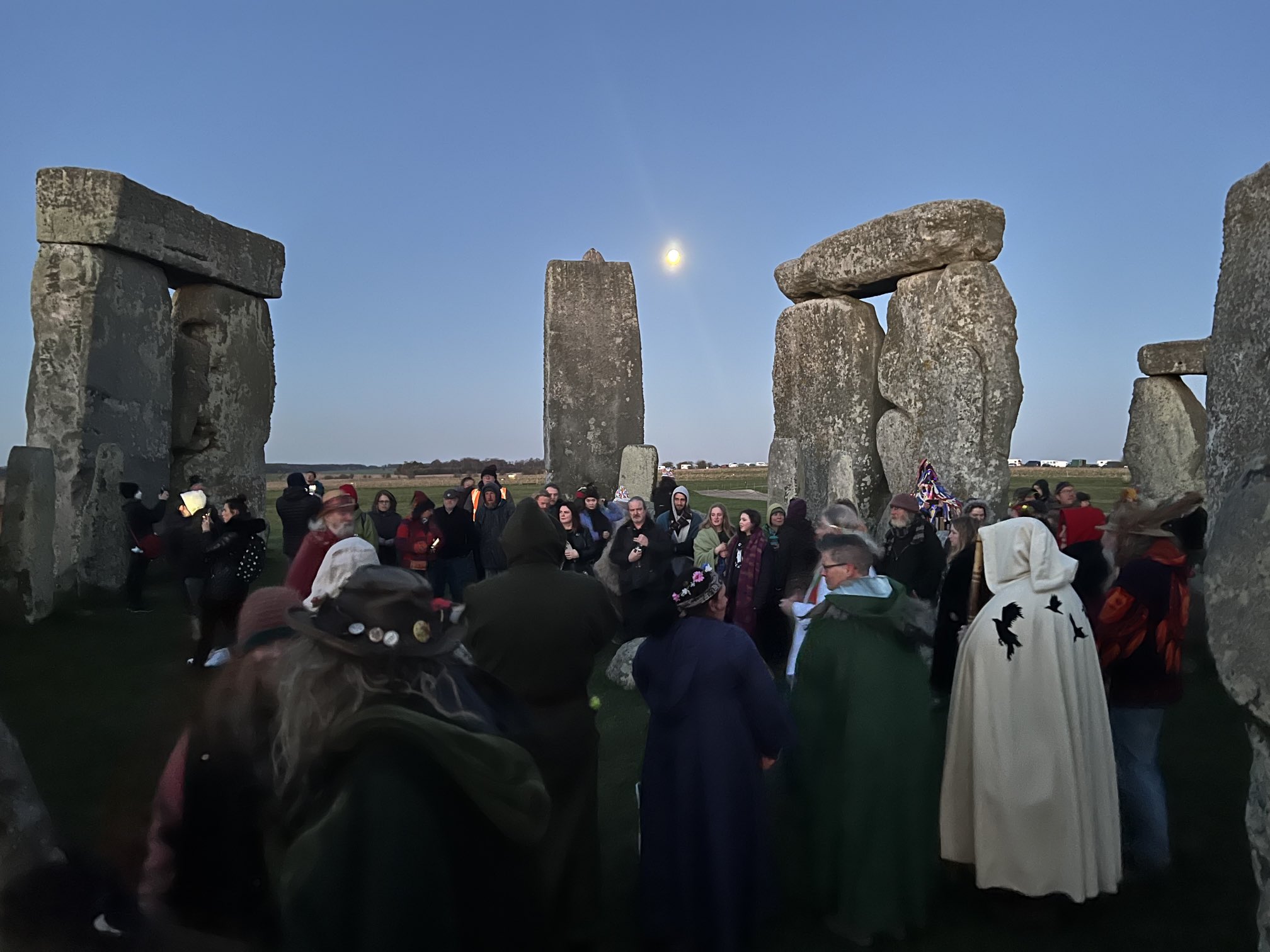
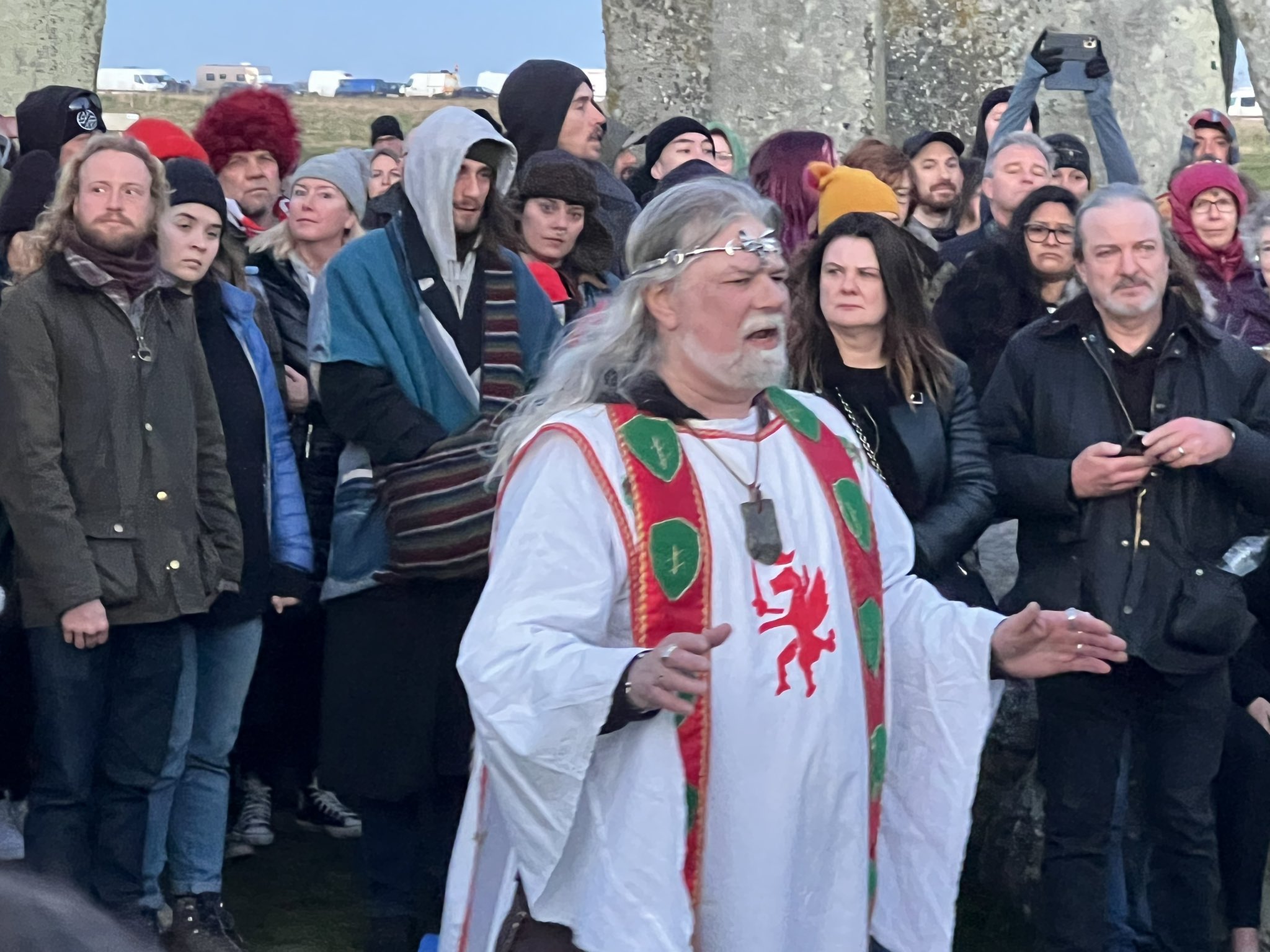
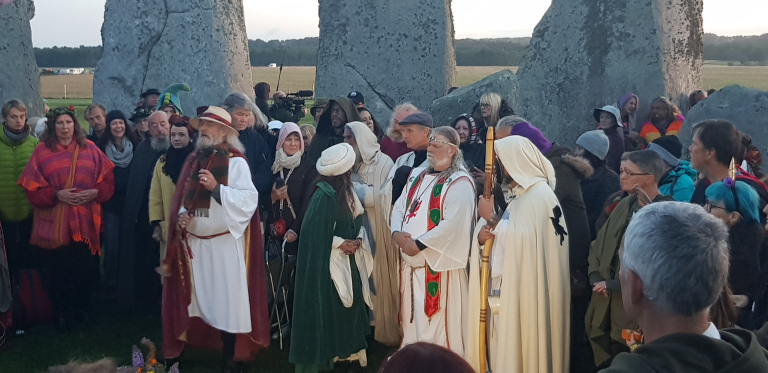
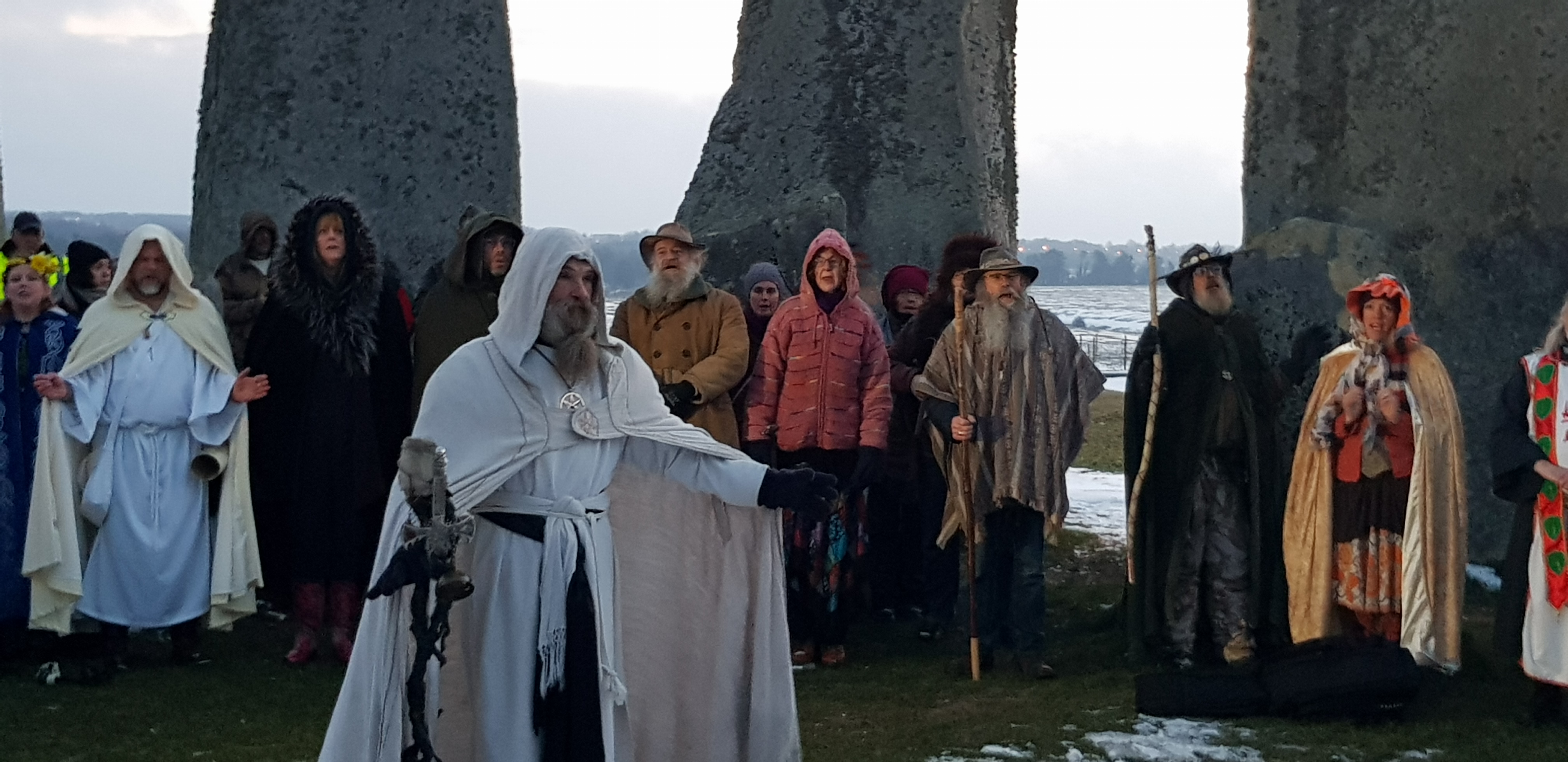
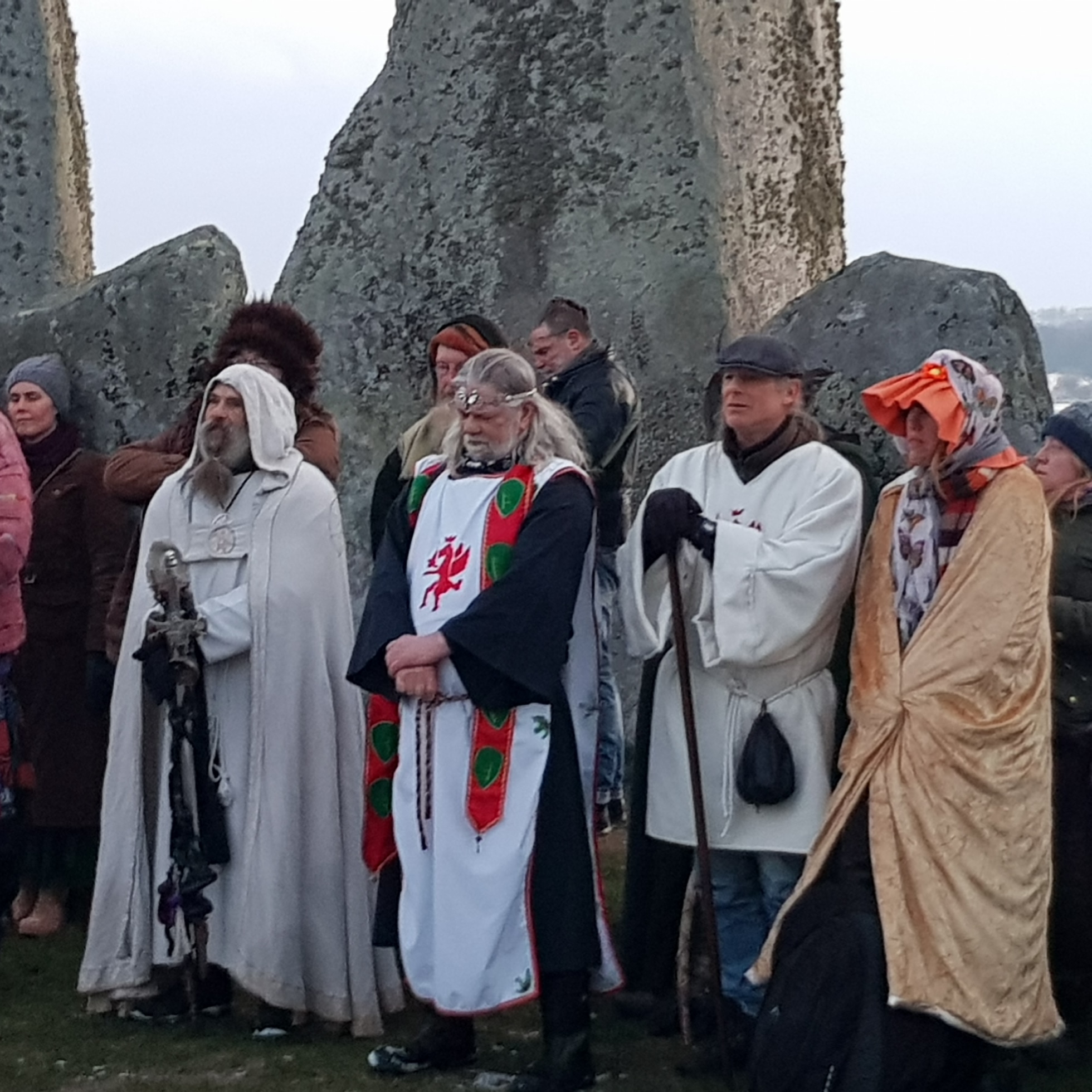
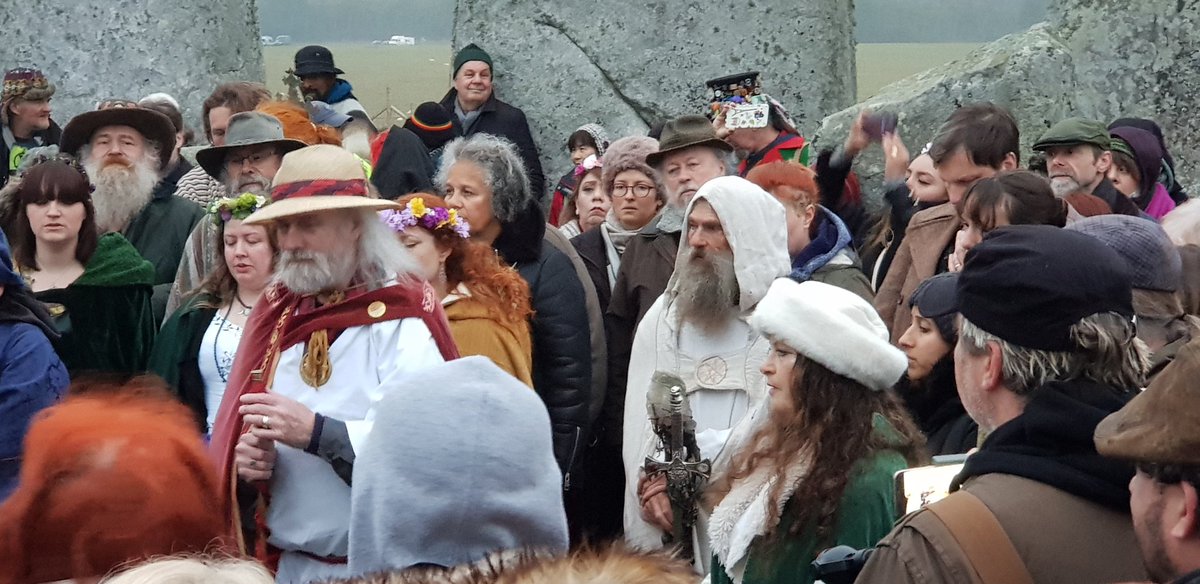
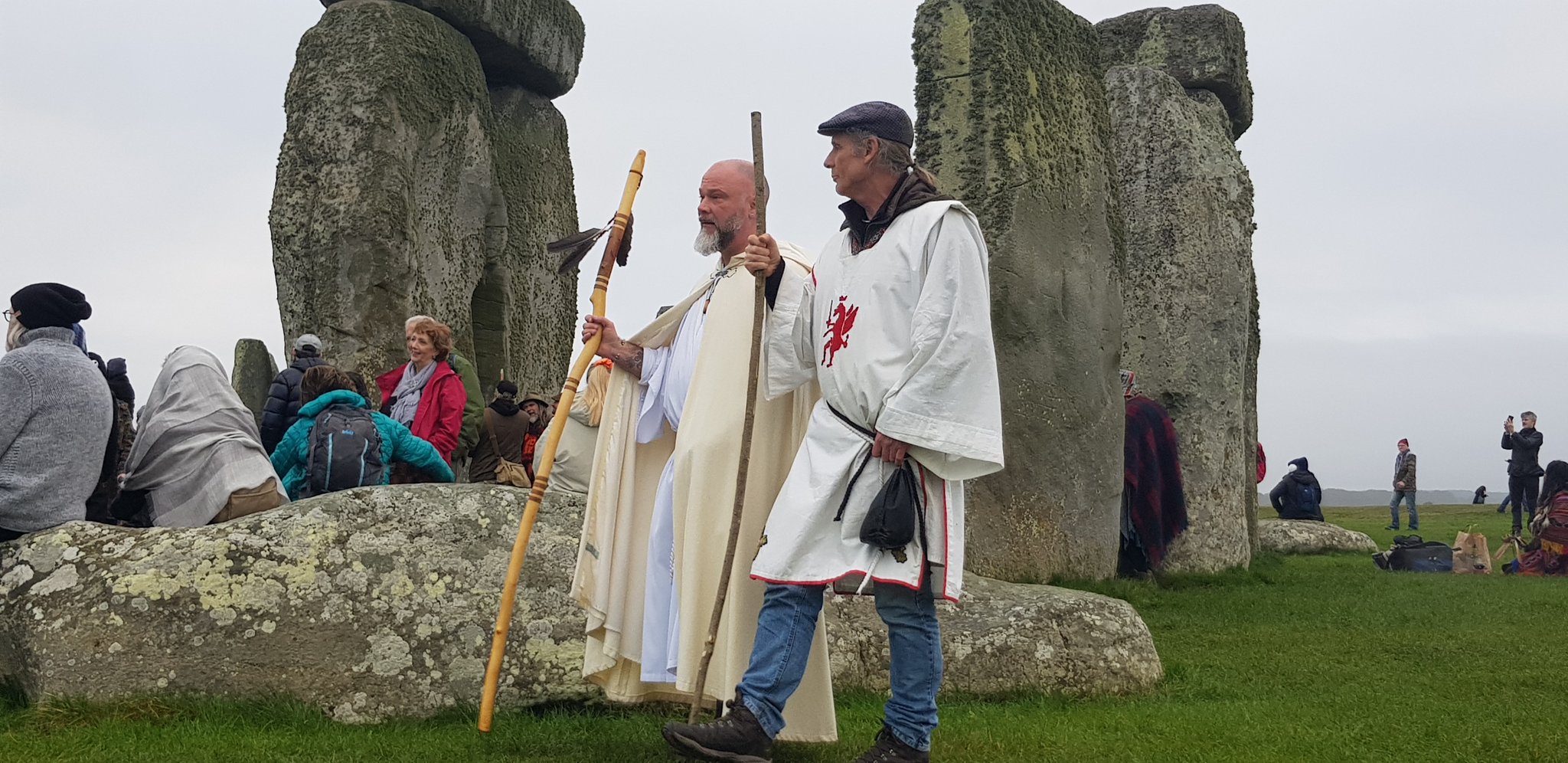
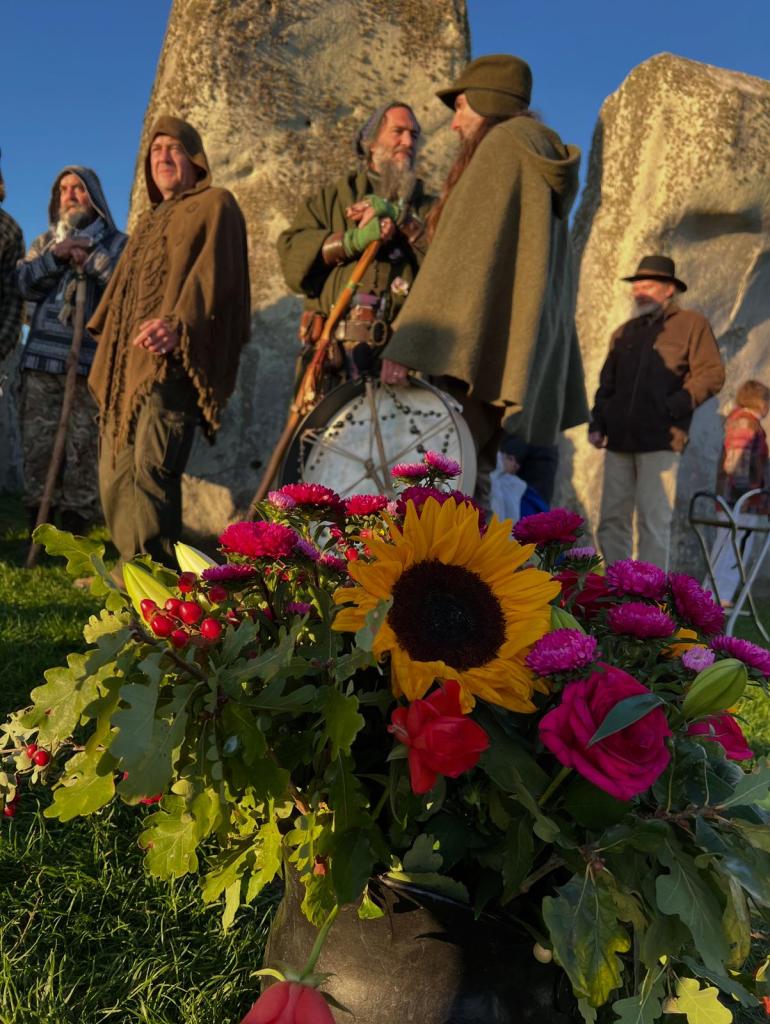
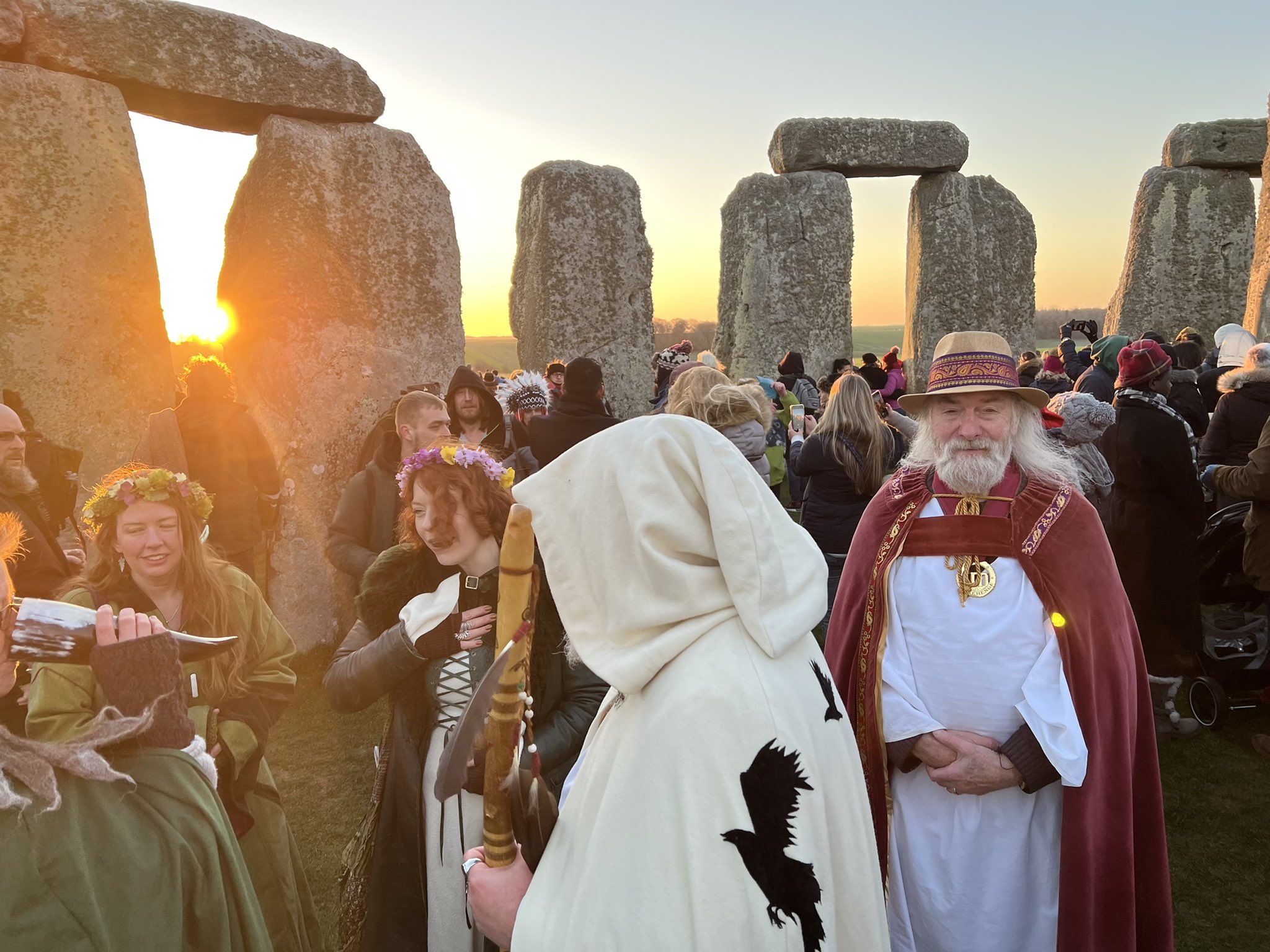
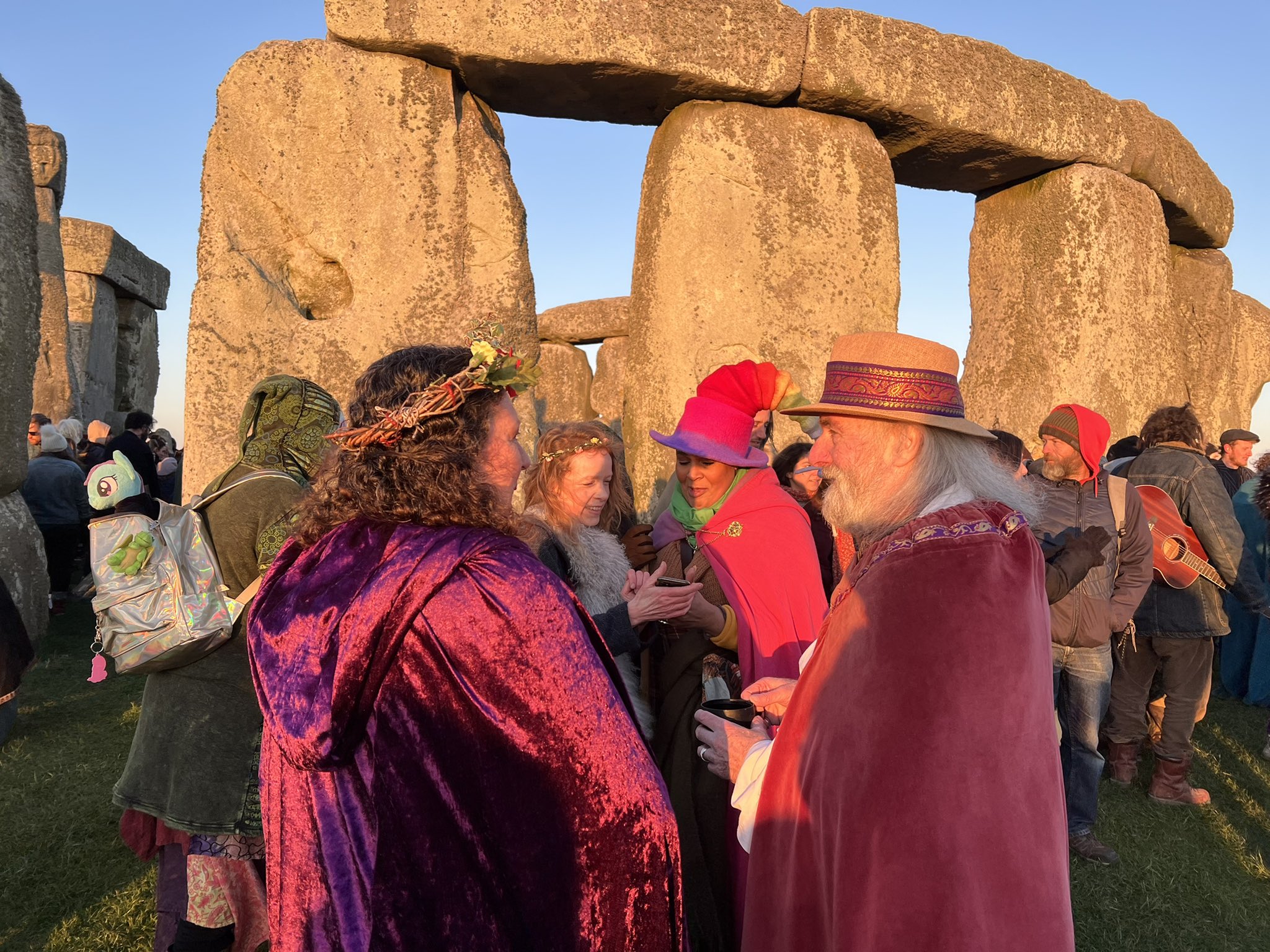
he Autumn Equinox is one of the rare occasions that English Heritage opens up the stones for public access. Equinox open access attracts fewer people than the Solstices – in the several hundreds rather than tens of thousands – and there are modern Druid ceremonies which are held in the circle around dawn, so if you prefer a quieter experience then attending the Autumn Equinox is a good choice.

English Heritage has facilitated Managed Open Access (MOA) to Stonehenge for the celebration of the summer solstice, winter solstice, spring and autumn equinox (spring and autumn equinox fall outside of this contract). English Heritage provides access to the stone circle and the monument field, free of charge to anyone who wishes to attend, but asks all those attending to comply with conditions of entry to ensure the safety of all visitors and to protect the monument. To safely provide MOA across the year, English Heritage works in partnership with Wiltshire Police and Wiltshire Council and engages experienced event managers and health and safety experts.

Please note: there is a 25-30 minute walk (approximately 1½ miles or 2km) from the Stonehenge Visitor Centre to Stonehenge. This walk is across National Trust downland which is uneven: sensible footwear and a torch are advisable.

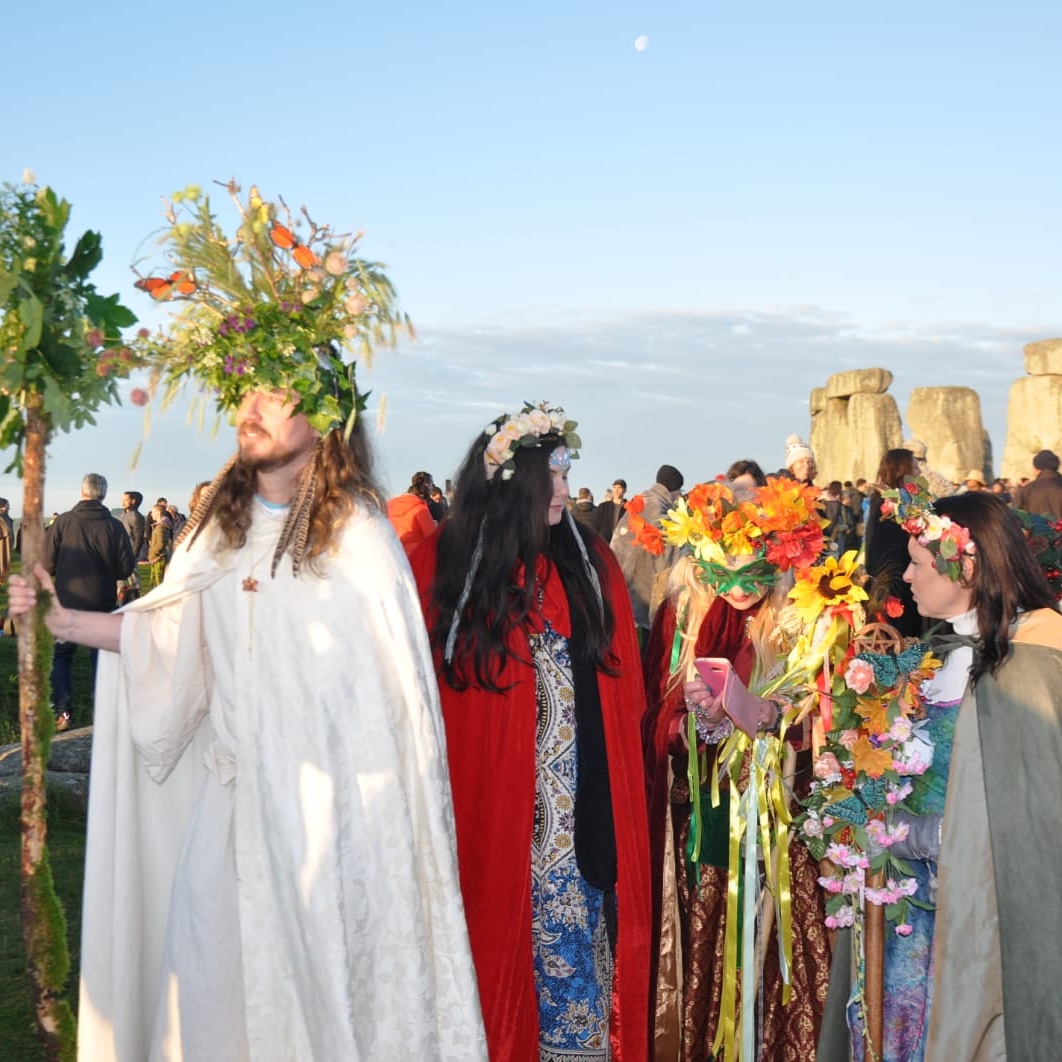
Mabon is a harvest festival, the second of three, that encourages pagans to “reap what they sow,” both literally and figuratively. It is the time when night and day stand equal in duration; thus is it a time to express gratitude, complete projects and honor a moment of balance.

What is the Equinox?
The equinox is when day and night are actually the same length. It happens several days before the spring equinox, and a few days after the autumn one.

The reason day and night are only almost equal on the equinox is because the sun looks like a disk in the sky, so the top half rises above the horizon before the centre

The Earth’s atmosphere also refracts the sunlight, so it seems to rise before its centre reaches the horizon. This causes the sun to provide more daylight than many people might expect, offering 12 hours and 10 minutes on the equinox.

The word ‘equinox’ itself actually mean ‘equal’ (equi) and ‘night’ (nox).

Respecting the Stones
Stonehenge is protected under the Ancient Monuments and Archaeological Areas Act and you must adhere to the regulations outlined in the act or face criminal prosecution. No person may touch, lean against, stand on or climb the stones, or disturb the ground in any wayView the conditions of entry and respect the Stones

MORE iNFORMATION

You can find out more about attending Solstice and Equinox by clicking on the links below.

Travelling to Stonehenge

What (and what not) to bring

Respect the stones

Safety, facilities and welfare

Accessibility

Accommodation

Equinox Links:
Stonehenge Autumn Equinox Conditions – English Heritage
Stonehenge Autumn Equinox Tours departing from Bath – Solstice Tours UK
What is the autumnal equinox? Royal Museums Greenwich
What is the Autumn equinox? Here’s what you need to know. National Geographic
Stonehenge and the Druids – Who are the Druids? Stonehenge News Blog
The Stonehenge Pilgrims – Stonehenge News Blog

Follow us on Twitter and Facebook for 2025 Equinox updates and Stonehenge news
The Stonehenge News Blog


Stonehenge Winter Solstice Celebrations 2024. Managed Open Access Arrangements

27 11 2024

Winter Solstice at Stonehenge will take place at sunrise on Saturday 21st December 2024. English Heritage are expected to offer a short period of access, from first light or safe enough to enter the monument field (approximately 07.45am until 10.00am)

Winter Solstice, access to the stones themselves is free and without restriction, and visitors can get up close with the marvel that is Stonehenge. After it passes, the days will begin to get longer and longer until June when the Summer Solstice takes place.

The Winter Solstice, marking the shortest day and longest night of the year approaches, drawing neo-druid and neo-pagan pilgrims to Stonehenge to watch the sunrise through the sacred site.

This is a twice-yearly pilgrimage for many visitors, including Druids and Pagans, with the Summer Solstice in June being the largest of the two events. The festivals which have celebrated the passing of the seasons and new beginnings throughout human history, offer a unique opportunity to visit Stonehenge with no barriers and draws crowds every year.

Whatever the weather, it could be cold and wet. So please dress accordingly.  Shuttle buses will be running to take you from the car parks to the stones. However, you may choose to walk from the Visitor Centre up to the stones. This takes 30 minutes on average and will be in low-light. So a torch would be essential.

Access to Stonehenge for Winter Solstice is is subject to the Conditions of Entry. Please read these before deciding whether to attend.  Stonehenge is in a field on Salisbury Plain and the weather in December will be cold and wet.  Even if it isn’t raining, the ground will be wet from the dew and there may also be frost. Sensible footwear and warm, waterproof clothing is essential. Please note, parking charges apply.

Can I watch the sunrise on a live stream?
English Heritage will be live streaming the sunrise on the morning of 21st December for free on their digital channels. Visit the official Stonehenge or English Heritage Facebook page, or the English Heritage YouTube channel. Please beware of fake/scam Facebook pages, events and groups that might have been set up.

Getting there:

Extremely limited parking available and strongly recommend using public transport to avoid disappointment. Salisbury Reds are operating a dedicated Solstice service from Salisbury train station via Amesbury. Please check their website for details. We also have a dedicated car sharing website which is available here.

As you approach Stonehenge, please follow signs to the car park. This is located close to Airman’s Corner Roundabout just off the A303. We ask that you park sensibly and only where directed by a steward or police officer.  This will help us make full use of the car park.

Stonehenge Winter Solstice Links:
Stonehenge Winter Solstice 2024 – ENGLISH HERITAGE
When is the shortest day of the year — date of winter solstice and what it means – DAILY MIRROR
The Rebirth of the Sun: the Winter Solstice at Stonehenge – STONEHENGE NEWS BLOG
Winter Solstice: Wild tales of slaughtered bulls, human sacrifice and much merriment – THE SCOTSMAN
The Rebirth of the Sun: the Winter Solstice at Stonehenge – STONEHENGE NEWS BLOG
Solstice Transport service rom London or Bath with expert guides – STONEHENGE GUIDED TOURS
Winter solstice: Why do pagans celebrate the shortest day of the year? THE TELEGRAPH
The Sun Stones: The Story of the Winter Solstice at Stonehenge – STONEHENGE NEWS BLOG
Solstice at Stonehenge. From Past to Present. – STONEHENGE NEWS BLOG
What has Stonehenge got to do with the winter solstice? – METRO NEWS
Stonehenge Winter Solstice Tours from Bath – SOLSTICE TOURS U.K
Celebrate Winter Solstice at Stonehenge – HOLIDAY EXTRAS
Solstice and Equinox Experience Tours – SOLSTICE EVENTS UK
The Stonehenge Solstice Pilgrims – STONEHENGE NEWS BLOG
Stonehenge, the Winter Solstice, and the Druids – INTERESTRING ENGINEERING
Respecting the Stones.  Managed Open Access –STONEHENGE NEWS BLOG

The Stonehenge News Blog
Follow us on Twitter and Facebook for all the latest Stonehenge News and Winter Solstice updates.


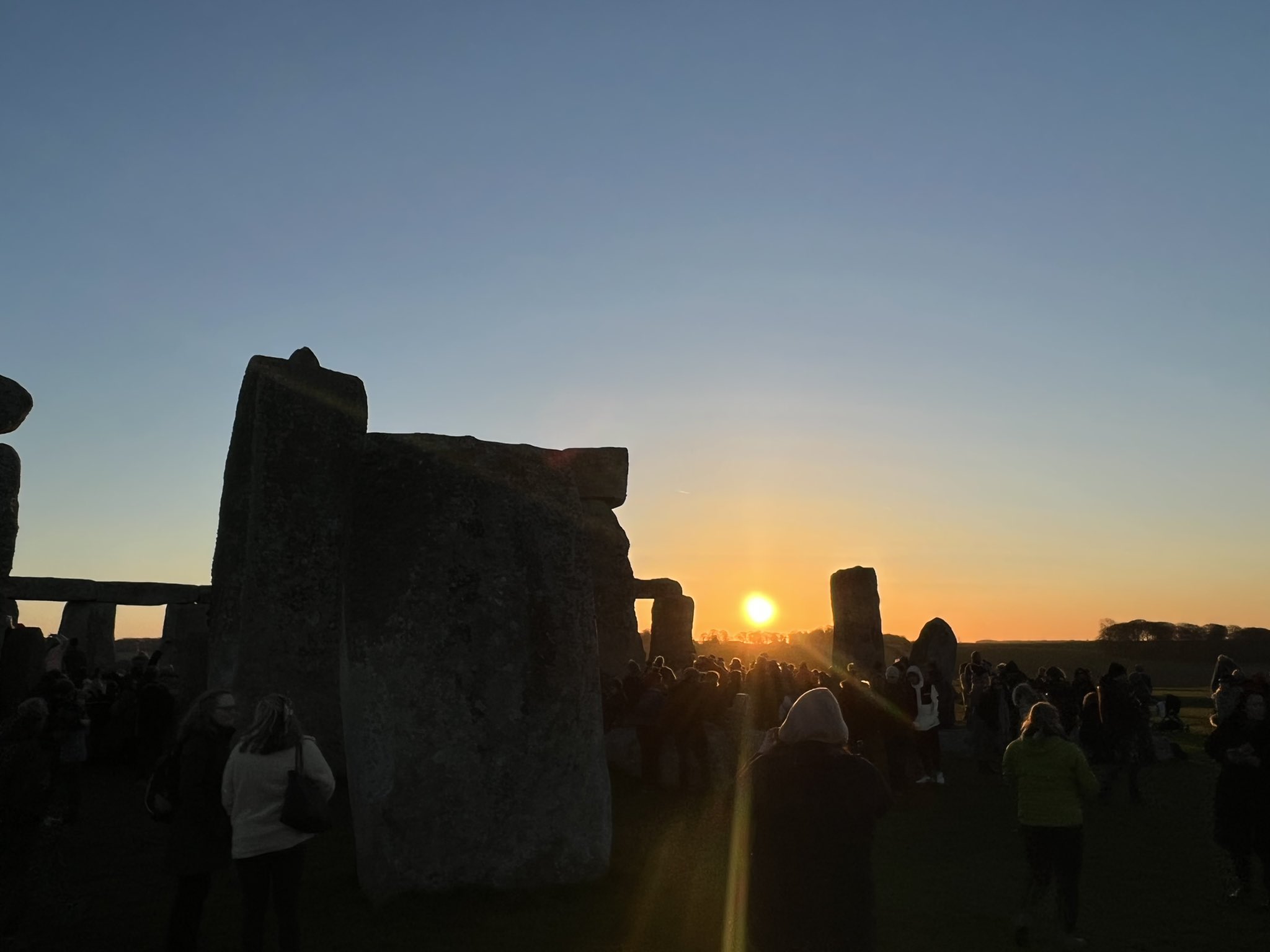
First Day of Spring: Stonehenge crowd gathers for sunrise to celebrate the 2022 Vernal Equinox.

20 03 2022

The first day of spring has been marked by 1000 revellers who gathered at Stonehenge to watch the sunrise.

Open access to the stones was given from first light, 05:45 GMT, by English Heritage which manages the site. Please visit our Twitter and Facebook page for more pics and videos.

Blog sponsored by Stonehenge Guided Tours

The Stonehenge News Blog
Follow us on Twitter and Facebook for all the latest Stonehenge News
http://www.Stonehenge.News


Stonehenge Summer Solstice Celebrations 2020. Watch the summer solstice LIVE from Stonehenge, wherever you are in the world!

13 06 2020

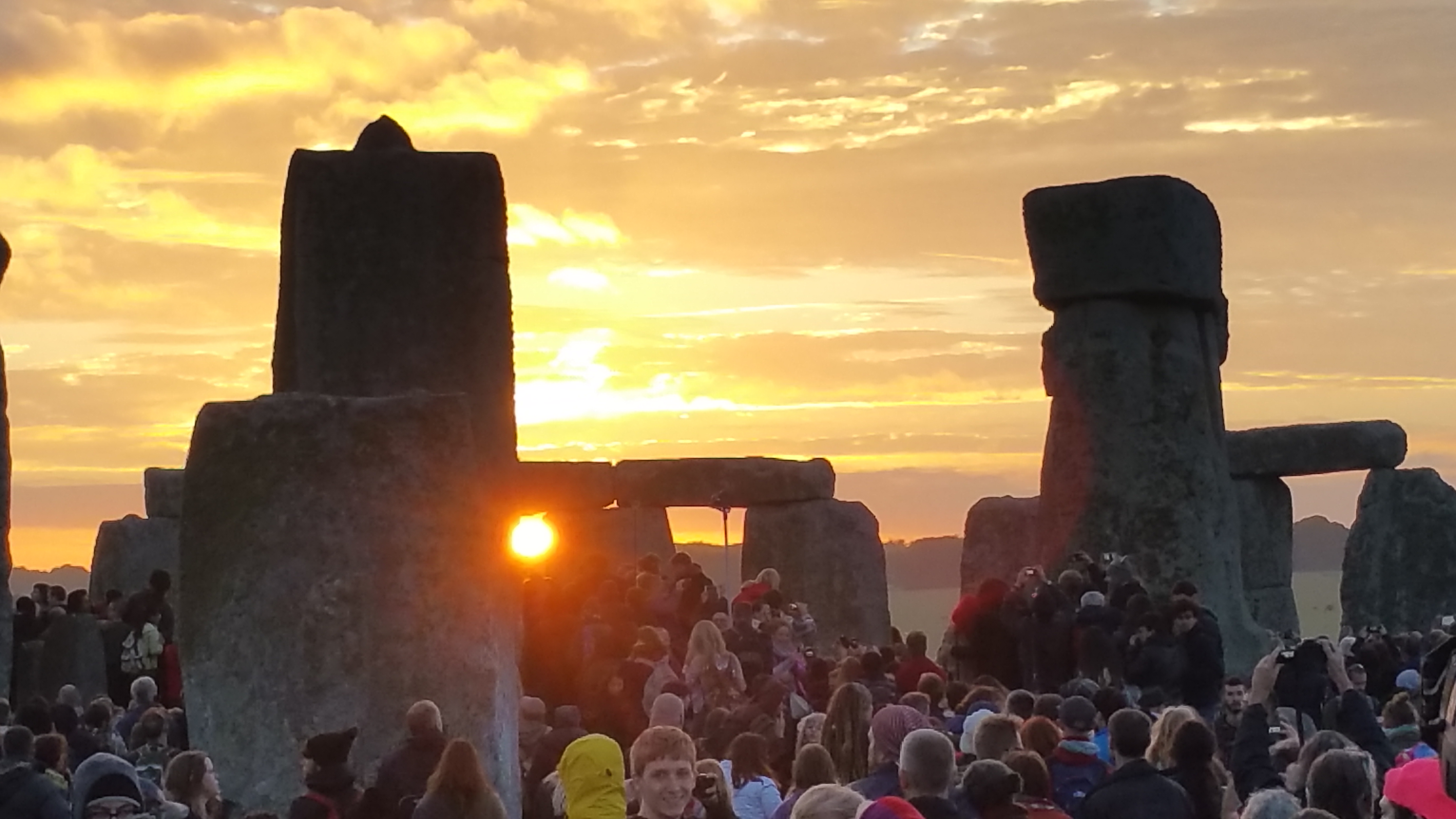
Every year on the 21 June, the rising midsummer sun and Stonehenge’s ancient monoliths combine to create one of the world’s most fundamental and bewitchingly beautiful natural light shows. 

20160621_050435

As dawn rises on the year’s longest day, the age-old stones, transported hundreds of miles and precisely arranged by our ancestors, refract the primal light of the sun in the northeast to render a spectacle which has entranced humanity for centuries.

No pandemic can halt the rays of the splendid sun or topple these arcane stones and the lights will once more enact their yearly dance. And despite restricted physical access to the stones, this year’s summer solstice will still be available to watch via streaming – the first time in its great history.

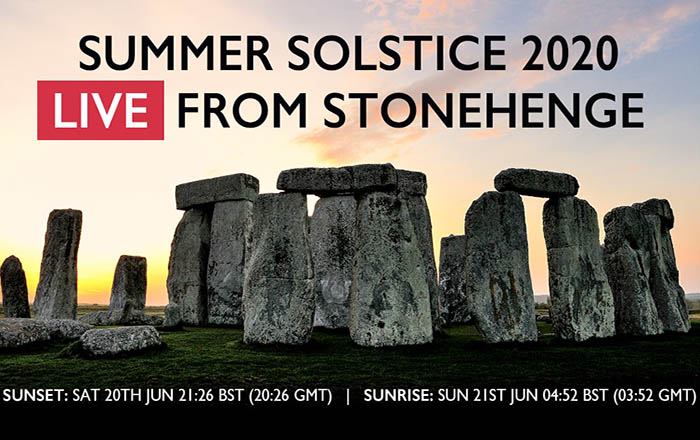
Stonehenge Summer Solstice live stream 2020

Watch the summer solstice LIVE from Stonehenge, wherever you are in the world! Official English Heritage Livestream

The Solstice and Stonehenge

The summer solstice takes place when one of the Earth’s poles is at its greatest tilt toward the Sun. It happens twice per year, once in each hemisphere. Every year on these occasions, the sun seems to pause in the sky, taking a break from its primordial journey to bask us in its warmth. Our prehistoric ancestors were keen astronomers and Stonehenge, combined with the summer solstice go a great way to substantiate this. Stonehenge, ever since its construction, has been carefully aligned on a sight-line that points to the summer solstice sunset. Every year humanity lays witness to our ancestors’ ingenuity and  the stones appear purpose built for the crystallizing moment of the midsummer sunrise. 

This slideshow requires JavaScript.

Our ancestors, both distant and recent, have come together on the summer solstice, to both celebrate the beauty of nature and the world heritage sites’ rich celebratory tradition. Ancients believed the summer solstice was a time to celebrate the balance of nature, as day defeated night and the height of summer and people rejoiced in the warmth and bounty of summertime.These traditions are still honoured to this day as all people are treated equal under the light of the solstice sun. The festival was once named Litha (in the language of the Wicca)

The perceived suspension of the sun imbued light and energy into the ancients’ rituals and that energy has been retained to this day. The celebrations at the stones are one of the most popular solstice celebrations in the world. 

This year, thousands of visitors will not be able to descend on the Stones. Instead, the Stones and the wildlife surrounding them have had a chance to recharge, whilst we can all still watch the incredible sunrise and keep communities safe from the COVID-19 outbreak. The English Heritage organisation is presenting a livestream version of the celebrations, streaming the sunrise on Sunday morning GMT on 21 June across its social media channels. 

Nichola Tasker, director of Stonehenge said he and the rest of English heritage ‘hope that our live stream offers an alternative opportunity for people near and far to connect with this spiritual place at such a special time of year and we look forward to welcoming everyone back next year’

Although times are hard, Stonehenge continues to create excitement and history, and at this time of year it creates one of the  world’s most brilliant natural light shows. English Heritage cameras will capture the best views of Stonehenge, allowing you to connect with this spiritual place from the comfort of your own home.

WHAT TIME IS SUNRISE/SUNSET ON THE SOLSICE? 

The sunset is at 21:26 BST (20:26 GMT) on Saturday 20th June. The sunrise is at 04:52 BST (03:52 GMT) on Sunday 21st June.

More Virtual Summer Solstice Events:
Stonehenge Solstice Festival – Raising money to support the NHS in these troubled times.
Virtual Stonehenge Summer Solstice Ceremony
Glastonbury Virtual Summer Solstice. Hosted by Glastonbury Information Centre
Virtual Stonehenge 2020 Festival  www.stonehenge2020.com
The Glastonbury Festival Experience

Stonehenge Summer Solstice Links:
Stonehenge will be closed during the summer solstice for the first time in decades – THE TELEGRAPH
Avebury closed for Summer Solstice 2020 – NATIONAL TRUST
‘Please don’t travel’ to Stonehenge warning ahead of summer solstice – SOMERSET LIVE
Stonehenge will livestream the sunrise during the summer solstice on June 21 so pagans and travellers in lockdown don’t miss out on the spectacle – THE DAILY MAIL
Summer solstice at Stonehenge to be broadcast live – how to watch – THE BRISTOL POST
The Stonehenge Pilgrims – STONEHENGE NEWS BLOG
Stonehenge with no crowds? Big changes planned for reopening – THE GUARDIAN
A Pilgrim’s Guide to Stonehenge. The Winter Solstice Celebrations, Summer Solstice and Equinox Dawn Gatherings – STONEHENGE NEWS BLOG
Stonehenge Solstice Photographs on FLICKR
Stonehenge Solstice live video footage on PERISCOPE
Stonehenge may have been pilgrimage site for sick – REUTERS
Background to the Stonehenge Solstice Celebrations – STONEHENGE NEWS
Stonehenge Solstice and Equinox Tours – STONEHENGE GUIDED TOURS
Tour Operator offering exclusive Stonehenge Tours – SOLSTICE EVENTS
Virtual Tour of the Stones – STONEHENGE NEWS BLOG
Stonehenge Virtual Tour: Inside the Stones  – ENGLISH HERITAGE WEBSITE

The Stonehenge News Blog
Follow us on Twitter and Facebook for all the latest Stonehenge Summer Solstice News
http://www.Stonehenge.News


The Stonehenge Pilgrims

1 05 2020

Since our Neolithic ancestors erected Stonehenge thousands of years ago and exulted in its majesty, people have continued to gather at the hallowed stones. Centuries worth of pilgrimage and spiritual congregation have continued to endow the monument with meaning. All visitors, pilgrims and revellers connect with our ancestors and with the enigmatic and arcane origins of the stones, and ultimately give Stonehenge its primal energy and continuity that any visitor enjoys today.  In this piece, I wanted to examine the history of the pilgrimage associated with the monoliths and how the people who visit and celebrate in the presence of the stones are so important to its continued vitality.

A pilgrimage is ‘a journey, often into an unknown or foreign place, where a person goes in search of new or expanded meaning about the self, others, nature, or a higher good, through the experience.’  The aim of pilgrimage is spiritual growth, enlightenment or even epiphany (the ancient Greek term for encountering and learning from a god) – the aim is to be overawed by something greater than yourself. For over a millennium, the monoliths of Stonehenge have held enough power to be a continued inspirer of pilgrimage.

Many believe that Stonehenge had religious significance for our ancestors who built it, and many would have made the journey to the stones from far and wide, to witness the grandest monument in existence at the time. It could even be said that the stones themselves and the people who carried them made the greatest pilgrimage of all – the blue stones travelling an astonishing 160 miles from south Wales. The point being, that through its dedicated construction, Stonehenge became a spiritual hub, drawing together people and connecting them with one another. Archaeological digs have uncovered evidence of ritualistic slaughter and feasting in and around the landscape of Stonehenge, dating back to the time of construction. Research at the University of Sheffield has even suggested that the specific dates for the feasting, pinpointing Midwinter celebrations. This proves that celebration and community have always been at the heart of Stonehenge.

Today, in our heady modern lives, which are so absorbed by technology, which purports to bring us together but leaves us more isolated than ever, we are more in need of pilgrimage than ever, for renewal, vitality and peace. To this day, Stonehenge plays hosts to gatherings of thousands of pilgrims and recreates the spiritual gathering of the past; gathering to celebrate the modern-day summer and winter solstices.  For centuries the stones fell out of public ownership and the arcane rituals of the past seemed lost for good. However, the Stones were given to the nation in 1918 and the festival scene has returned to Stonehenge over the last century, giving a home to the most spiritual gatherings and modern-day pilgrims. The summer Solstice is especially popular, the nature of which is joyous and brings together people from all walks of life, including: Druids, wiccans, witches, pagans, tourists, astronomers, locals and revellers of all descriptions. In a country with comparatively few national holidays, a celebration with such deep-rooted history as well as joy, is as cleansing as it is necessary, one of the greatest modern festivals.

The true power of the modern celebrations at Stonehenge lay in their connectivity. Not only do todays pilgrims disengage from modern life and connect with their fellow man – but they connect to our ancestors, across the centuries, preserving their memory and continuing to bestow the monument we all cherish with renewed energy for generations to come.

RELEVANT LINKS:

A Pilgrim’s Guide to Stonehenge. The Winter Solstice Celebrations, Summer Solstice and Equinox Dawn Gatherings – STONEHENGE NEWS BLOG
Stonehenge may have been pilgrimage site for sick – REUTERS
The Great Stones Way. This pilgrimage links the North Wessex Downs to Salisbury Plain, across the Vale of Pewsey – connecting us with our deep, prehistoric past. – THE BRITISH PILGRIMAGE TRUST
Go on a Pilgrimage. Feed mind, body and spirit with a pilgrimage along these 10 historic trails – ENGLISH HERITAGE
Background to the Stonehenge Solstice Celebrations – THE STONEHENGE NEWS BLOG
Stonehenge Solstice and Equinox Tours. Join the megalithic experts for a magical sunrise tour at the annual access gatherings. – STONEHENGE GUIDED TOURS
A Huge ‘Highway’ of Roads and Rivers Brought Stones and Pilgrims to Build Stonehenge – MYSTERIOUS UNIVERSE

The Stonehenge News Blog
Follow us on Twitter and Facebook for all the latest Stonehenge News
http://www.Stonehenge.News


Stonehenge Spring (Vernal) Equinox 20th March 2020

14 03 2020

The Spring, or Vernal, Equinox is the point at which the sun crosses the equator, returning to the northern hemisphere, the point when day and night are at equal length.  The exact time of the 2020 Spring (Vernal) Equinox is at 03.49am

Stonehenge Vernal Equinox

As the sun returns, bringing with it the prospect of spring and all its light and warmth, where better to witness this celestial dance then amongst the essential beauty of the world’s most famous megaliths.

English Heritage are expected to give a short period of managed open access from approximately 05.45m to 8.00am. Due to the current climate concerning coronavirus we recommend checking the English Heritage website for any updates.

Spring equinox 2020

This is the first of the four ‘sky points’ in our Wheel of the Year and it is when the sun does a perfect balancing act in the heavens. This is the point of the year when once again day and night are equal – 12 hours. The equinox, (the Latin word for Equinox means time of equal days and nights) is only the very moment the sun crosses the equator.

The return of the sun and the promise of spring has always been a cause for celebration.

At the North Pole the sun will blaze for the next 6 months, here the days will elongate. Across the northern hemisphere, across the centuries, our ancestors have rejoiced in celebration at the end of winter. Globally, it is a time of unity between the northern and southern hemispheres as our days hang in perfect balance with one another. Stonehenge’s connection with the stars has ensured it as a hub for equinox celebrations and to this day the celebrations continue.

The time is for the instant when the Sun crosses the celestial equator moving northwards and has a celestial longitude of 0°

For the ancients, as well as today the celebrations welcomed the spring and the end of a harsh winter; this was the time when crops were resewn and the people celebrated the triumph of light over dark, of life over death. The celebrations have always been full of hope and joy – it is even foretold that as the wind and the weather are at the vernal equinox, so they will be for the next few months.

Public access to Stonehenge currently takes place on four of the so-called ‘quarter festivals’. What exactly are the quarter festivals? And why are these occasions so celebrated by the Druids? The Quarter Festivals and the Druids

Stonehenge and the Druids – who are the Druids?

Visiting Stonehenge this year for the Spring Equinox Celebrations? RESPECT THE STONES

English Heritage –  conditions of entry for ‘Managed Open Access’

If you are considering visiting Stonehenge for the Vernal Equinox and do not have transport you can join a specialist organised small group tour.  Use a reputable tour operator who respect the conditions of entry.  Stonehenge Guided Tours are the longest established company offering award winning discreet tours from London and Bath – click here for their exclusive Spring Equinox tour.  Solstice Events offer small group sunrise tours using local expert guides.

If you are unable to visit Stonehenge on the Equinox you can watch our FACEBOOK or  LIVE PERISCOPE STONEHENGE BROADCAST

The Stonehenge News Blog
Follow us on Twitter and Facebook for all the latest Stonehenge News
http://www.Stonehenge.News


Stonehenge Winter Solstice Open Access Arrangements 2019

7 12 2019

Winter Solstice Open Access: Everything you need to know

On December 22nd 2019, to celebrate the winter solstice, Stonehenge’s inner circle is open to the public for one of only four times a year! The Stones were originally constructed in conjunction with the solar calendar – there could hardly be a more important time to be at the ancient landmark. Today, visitors from all over the world congregate to enjoy the event and English heritages policy of open access allows everyone, for this very special occasion, into the inner circle of Stonehenge, to enjoy the sunrise and interact with the monument. To ensure you have the best experience possible, we have collated all the vital information about this year’s event:

20180320_054839

English Heritage is looking forward to welcoming people to Stonehenge to celebrate Winter Solstice on Sunday 22nd December.  Visitors will be able to access the monument as soon as it is light enough to do so safely.  Please read the information below before planning your visit. Please visit the English Heritage website for further details

  • DATE AND TIMES

Sunday 22nd December 2019

Stonehenge Respect

RESPECT THE STONES AND EACH OTHER! Click here

The following timings are subject to change. Please do check back nearer the time for the confirmed schedule.

6am: Limited car parking opens
7.45am (approximately depending on light levels): Monument field opens
8.11am: Sunrise
10am: Monument field closes 

Please Note: Due to a ‘Temporary Traffic Restriction Order’ (TTRO) By-ways 11 and 12 will be closed over the Solstice period (18th -23rd December) 

What is the solstice?

Throughout the winter solstice, the earth’s axis is tilted at its furthest point from the sun. In the UK, the sun is at its lowest point in the sky. It is both the shortest day of the year and the longest night. Visitors gather to see the sunrise above the stones – an event celebrated at this time of year for thousands of years, there could hardly be a more ideal time to be amidst the sacred monoliths. Entry is completely free!

When Exactly is the Solstice?

The exact time of the Solstice on the 22nd December is 4.19 am. Open access begins at 7:45am and ends at 10:00am. This should give you plenty of time to enjoy the sunrise, appreciate the stones and meet some interesting new people, speaking of which…

Who celebrates the Solstice?

Anyone is welcome to celebrate the winter solstice and as a result it always draws a diverse and friendly crowd. It is an important spiritual occasion for some groups – so you can join a congregation of today’s druid community, including neo-druids, neo-pagans and wiccans – as well as sightseers from all over the globe.

How do you get to the Solstice?

It is possible to drive yourself to the Stones, parking costs £5 or £2 for motorbikes (Stonehenge’s postcode is SP4 7DE for your sat-nav). However, there is no guarantee – once the car park is full there is very little you will be able to do. Luckily, Salisbury Reds is running shuttle bus service, which could relieve you of a potential parking nightmare. The 333 service will run between 6.00am and 6.50am from Salisbury New Canal– with buses returning from Stonehenge between 9.15am and 10.15 am.

The service will also stop at Salisbury Railway Station and Salisbury Street in Amesbury.

Special buses planned for Stonehenge during Winter Solstice – CLICK HERE

PLANNING YOUR JOURNEY

Parking for Winter Solstice is very limited and we cannot guarantee that there will be space in the two Winter Solstice car parks. We strongly recommend car sharing or using public transport.

  • Travel by Bus – Salisbury Reds buses will be running from 6am from Salisbury via Amesbury.

    Organised Tours – If you are considering visiting Stonehenge for the Solstice celebrations you can join an organised tour.  Use a reputable tour operator who respect the conditions.  Stonehenge Guided Tours are the longest established company and offer guided tours and transport from London. Solstice Events offer small group Winter  Solstice Tours from Bath using local expert guides.

What should you bring to the Solstice?

The most important thing to remember is that it will likely be very cold and potentially wet! Warm clothing and sensible footwear, a pair of wellies for instance, are essential, last years solstice reached lows of 5 degrees C. Glass, drones, tents and pets (with the exception of guide dogs) are all strictly prohibited.

Ultimately, there really isn’t much you need to bring to enjoy this special occasion – a sense of adventure, a smile and a warm jacket will ensure that you have a wonderful experience. And so for all those venturing to Wiltshire’s finest historical site for this magical, midwinter day, I wish you all the very best!

Access to Stonehenge for Winter Solstice is free and is subject to the Conditions of Entry. Please read these before deciding whether to attend.  Stonehenge is in a field on Salisbury Plain and the weather in December will be cold and wet.  Even if it isn’t raining, the ground will be wet from the dew and there may also be frost. Sensible footwear and warm, waterproof clothing is essential. Please note, parking charges apply

Stonehenge Winter Solstice Links:
What has Stonehenge got to do with the winter solstice? click here
Celebrate Winter Solstice at Stonehenge – Click here
Stonehenge, the Winter Solstice, and the Druids – Click here
Winter solstice 2020: Why do pagans celebrate the shortest day of the year? click here
Special buses planned for Stonehenge during Winter Solstice – CLICK HERE
Respecting the Stones.  Managed Open Access – Click here
Solstice at Stonehenge. From Past to Present. – click here
English Heritage Conditions of Entry – click here

Please help us to create a peaceful occasion by taking personal responsibility and following the Conditions of Entry and guidelines

For traffic, weather and other updates on the morning of the winter solstice, Follow @St0nehenge @EH_Stonehenge @VisitStonehenge @HighwaysEngland @VisitWiltshire @DruidKingArthur @Wiltshirepolice for #WinterSolstice2019

If you are unable to visit Stonehenge on the Solstice you can watch our LIVE PERISCOPE STONEHENGE BROADCAST

The Stonehenge News Blog
Follow us on Twitter and Facebook for all the latest Stonehenge news and Winter Solstice updates.


Stonehenge Autumn Equinox Open Access Arrangements: 23rd September 2019

8 09 2019

THE Autumn Equinox is rapidly approaching as the last days of summer slowly come to an end. English Heritage are expected to offer a short period of access, from first light or safe enough to enter the monument field (approximately 06.30am) until 08:30am on the 23rd September this year.

The Autumn Equinox (Mabon)
The 2019 Autumn Equinox is at 08.50 GMT on the September 23rd
Sunrise will be 6.55am

IMG_20180320_155928_570

Mabon is a harvest festival, the second of three, that encourages pagans to “reap what they sow,” both literally and figuratively. It is the time when night and day stand equal in duration; thus is it a time to express gratitude, complete projects and honor a moment of balance.

IMG_20190716_103103_985

What is the Equinox?

The equinox is when day and night are actually the same length. It happens several days before the spring equinox, and a few days after the autumn one.

The reason day and night are only almost equal on the equinox is because the sun looks like a disk in the sky, so the top half rises above the horizon before the centre, according to the Met Office.

The Earth’s atmosphere also refracts the sunlight, so it seems to rise before its centre reaches the horizon. This causes the sun to provide more daylight than many people might expect, offering 12 hours and 10 minutes on the equinox.

The word ‘equinox’ itself actually mean ‘equal’ (equi) and ‘night’ (nox).

Respecting the Stones
The conditions of entry for the Managed Open Access.  Click here

If you are considering visiting Stonehenge for the Autumn Equinox and do not have transport you can join a specialist organised small group tour.  Use a reputable tour operator who respect the conditions of entry.  Stonehenge Guided Tours are the longest established company offering award winning discreet tours from London and Bath – click here for their exclusive Autumn Equinox tour. Solstice Events offer small group sunrise tours using only local expert guides.

Follow us on Twitter and Facebook for Equinox updates and Stonehenge news
The Stonehenge News Blog


Hundreds of pagans and druids descend on Stonehenge to celebrate the 2019 Spring (Vernal) Equinox.

21 03 2019

Visitors headed to the famous 5,000-year-old stone circle in Wiltshire in the dark to ensure they got to see the sun rise. And they made the most of one of only four public annual events that allows people to get so close to the stones.


Big event: The equinox happens twice a year around March 20th and September 22nd, between the summer and winter solstices. On the equinox, day and night are nearly equal because the sun appears to rise before its centre is at the horizon

WHY CAN PAGANS AND DRUIDS GET SO CLOSE TO THE STONES FOR THE EQUINOX?

The famous Stonehenge circle is normally roped off to the public, but special access is granted four times a year.

This is only on the mornings of the summer solstice, winter solstice, spring equinox and autumn equinox.

English Heritage has ‘managed open access’, meaning the public can stand among the stones on these days.

Anyone can turn up on the day to get close to the stones, but people are asked not to touch or climb on them.

Organisers also have a ban on bringing glass bottles or pets onto the site and on playing amplified music.

Today Stonehenge was opened at 5.45am when it was deemed light enough to safely allow people into the field.

Visitors began to leave at 8.30am and then the area was opened to the paying public as normal at 9.30am

Follow us on Twitter and Facebook for all the latest Stonehenge news

The Stonehenge News Blog


Stonehenge Spring (Vernal) Equinox Open Access: 21st March 2019

20 03 2019

The exact time of the 2019 Spring (Vernal) Equinox is 09.58pm

20170923_070936.jpg

English Heritage are expected to give a short period of managed open access from approximately 05.45m to 8.00am.
Sunrise on the March 21st is at 6.11am. A rare supermoon is set to stage a nocturnal spectacular in what will be the third and final occurrence of the phenomenon in 2019. On Wednesday and Thursday, the full moon will be closer to Earth, and so brighter than it usually appears.

This is the second of the four ‘sky points’ in our Wheel of the Year and it is when the sun does a perfect balancing act in the heavens.

At the Spring (or Vernal) Equinox the sun rises exactly in the east, travels through the sky for 12 hours and then sets exactly in the west. So all over the world, at this special moment, day and night are of equal length hence the word equinox which means ‘equal night’.

Of course, for those of us here in the northern hemisphere it is this equinox that brings us out of our winter.

For those in the southern hemisphere, this time is the autumnal equinox that isArthur Pendragon taking you in to your winter. And this is very much how I think of the equinoxes – as the ‘edges’ of winter. This is why they can be quite hard on our bodies as it is a major climatic shift, so it is a good time to give a boost to your immune system with natural remedies and cleansing foods.

Here in Wiltshire (as with the rest of rural Britain), it was traditional to drink dandelion and burdock cordials at this time as these herbs help to cleanse the blood and are a good tonic for the body after its winter hardships.

As the Vernal Equinox heralds the arrival of spring, it is a time of renewal in both nature and the home, so time for some spring-cleaning!

This is more than just a physical activity, it also helps to remove any old or negative energies accumulated over the dark, heavy winter months preparing the way for the positive growing energy of spring and summer.

As with all the other key festivals of the year, there are both Pagan and Christian associations with the Spring Equinox.To Pagans, this is the time of the ancient Saxon goddess, Eostre, who stands for new beginnings and fertility.

This is why she is symbolized by eggs (new life) and rabbits/hares (fertility).

Her name is also the root of the term we give to the female hormone, oestrogen.By now, you may be beginning to see the Christian celebration derived from this festival – Easter.

And this is the reason why the ‘Easter Bunny’ brings us coloured eggs (and if you’re lucky chocolate ones!) at this time of year.

So, as nature starts to sprout the seeds that have been gestating in her belly throughout the winter, maybe you can start to think about what you want to ‘sprout’ in your life now and start to take action.

Visiting Stonehenge this year for the Spring Equinox Celebrations? RESPECT THE STONES

If you are unable to visit Stonehenge on the Equinox you can watch our FACEBOOK or  LIVE PERISCOPE STONEHENGE BROADCAST

The Stonehenge News Blog
Follow us on Twitter and Facebook for all the latest Stonehenge News
http://www.Stonehenge.News