For people across the world- Stonehenge is a must see location, it’s majesty as well as it’s mystery has made it a mainstay on everyone’s bucket list. Stonehenge receives over one million visitors a year and is the busiest U.K attraction outside of London. During peak periods, there are over 10,000 visitors a day with queues stretching up to 100 meters from the ticket office to the car park. Here is an independent visitor experience.
I’m sure that if you’re planning a trip to Stonehenge you already have an idea of how special the monument is. Stonehenge is full of mystery; its construction and very existence are still open to interpretation even in our technologically advanced world. Stonehenge boasts an amazing and unique design. Many believe that the stones possess healing powers. All this is true and visiting Stonehenge is almost an ethereal experience, perhaps because of the mysteries surrounding it. I want you to get the most out of your visit so here are a few of my top tips – enjoy!
There are shuttle buses from local towns such as Salisbury that offer direct pick up / drop off services to Stonehenge. Remember to check their timetables and give yourself plenty of time to get back to the bus stop. Once the last one has gone there is no service until the next day and although the security guards are very friendly and informative they will not let you stay overnight to sleep by the trilithons, under the stars!
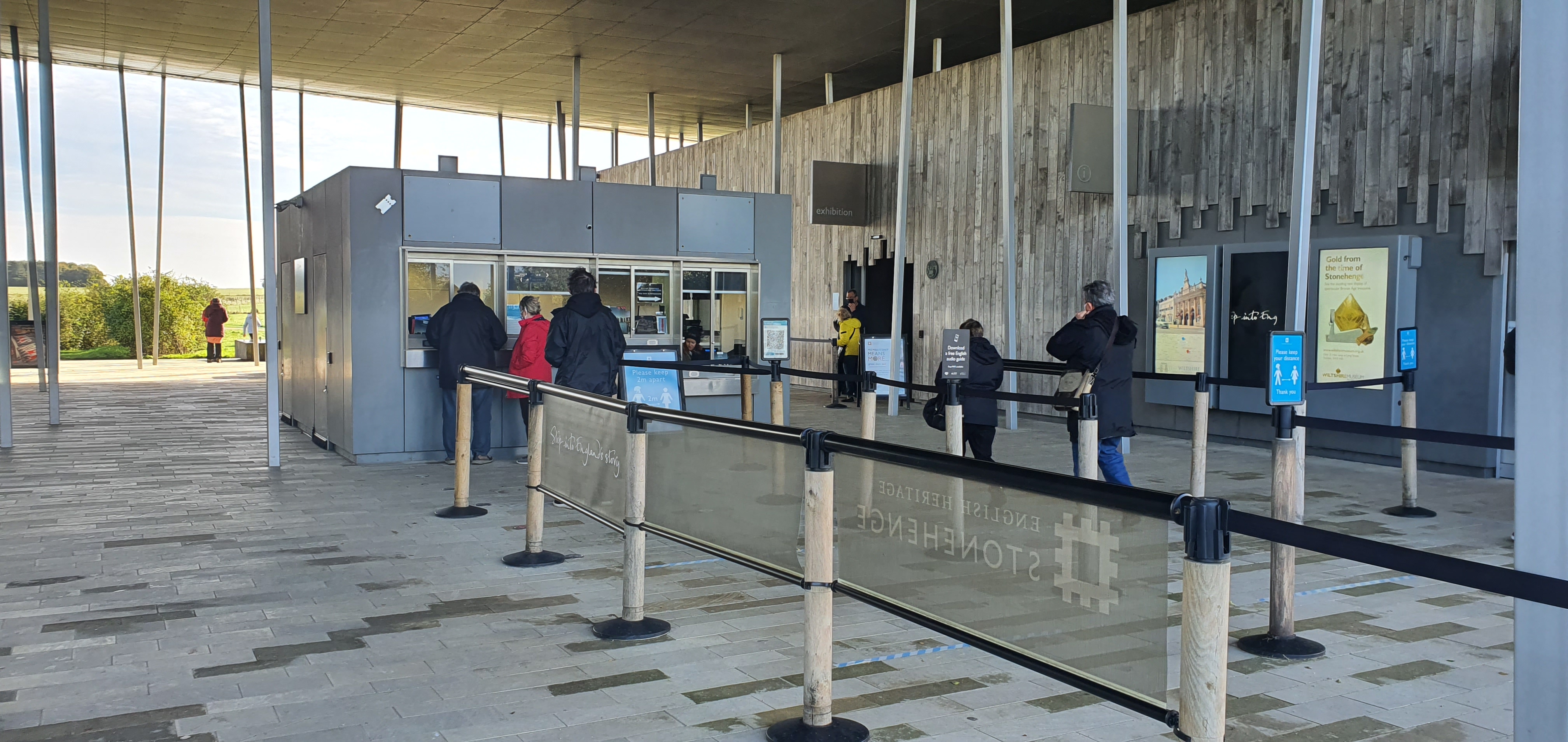
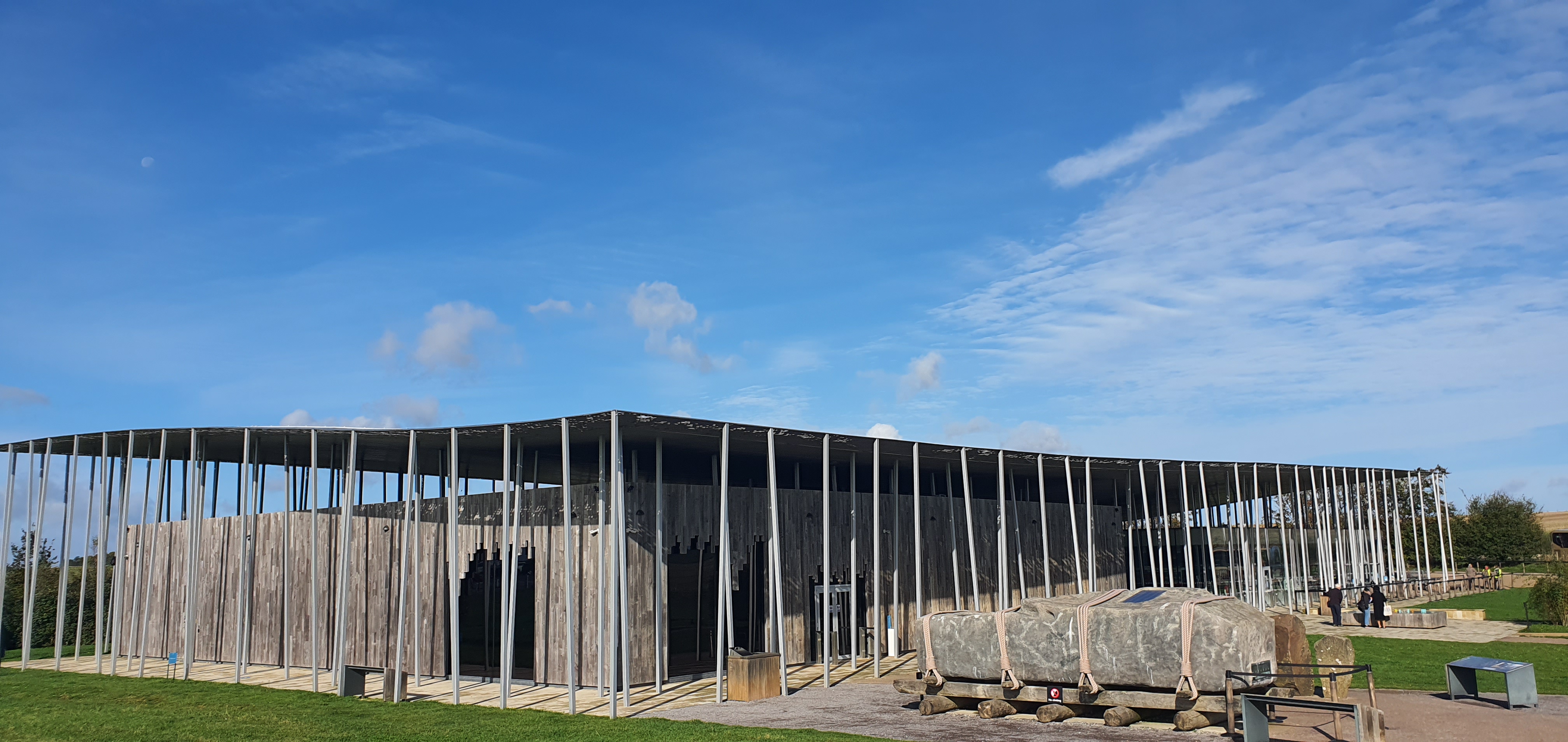
When you arrive as an independent traveler the first thing you’ll notice is the visitor centre. It was moved away from the monument itself several years ago giving a far better experience than previously.
Timed Stonehenge tickets must be brought in advance and visitor numbers are limited. You must present your booking confirmation on arrival. You can book direct with English Heritage or search for discount tickets.
Tickets cost £30 per adult
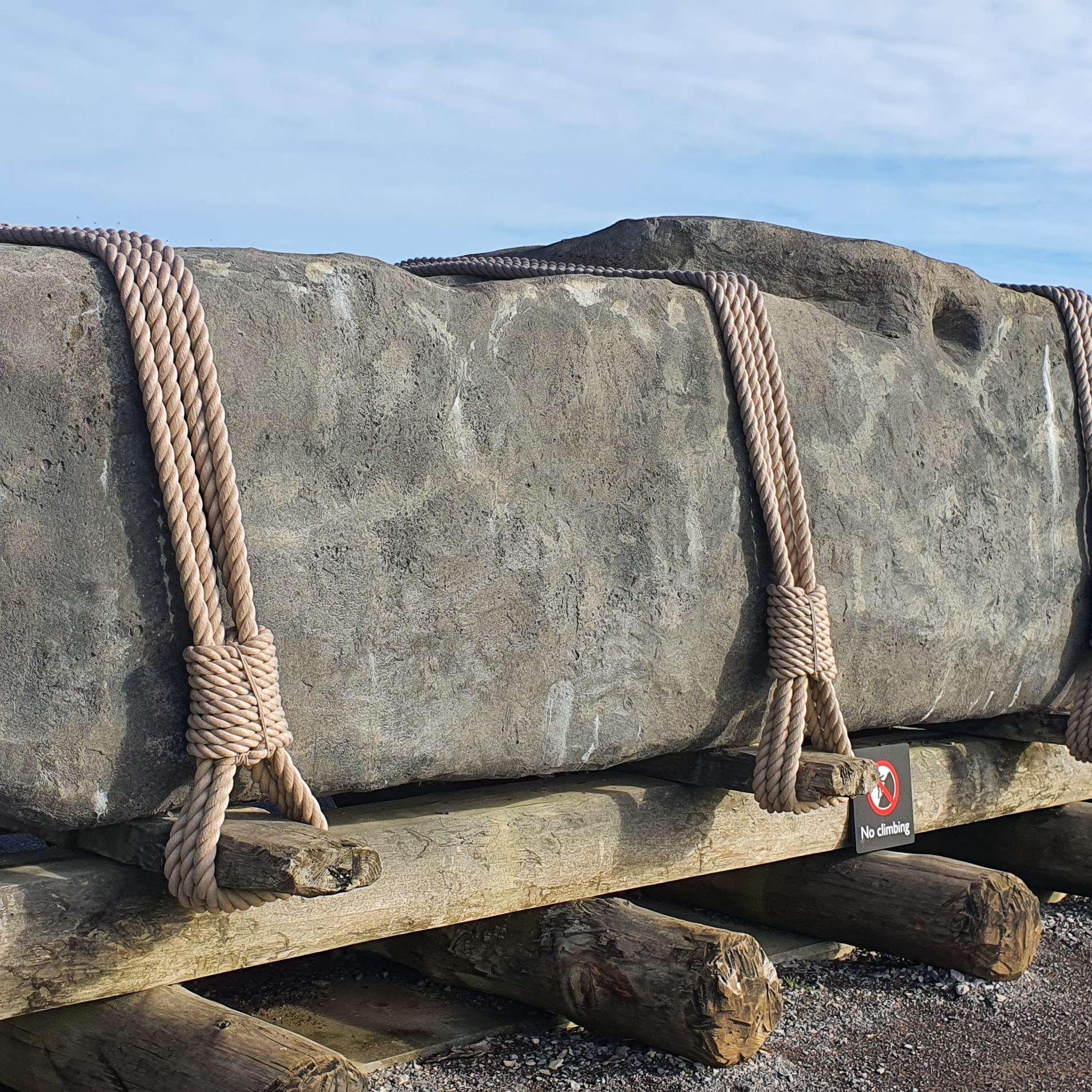
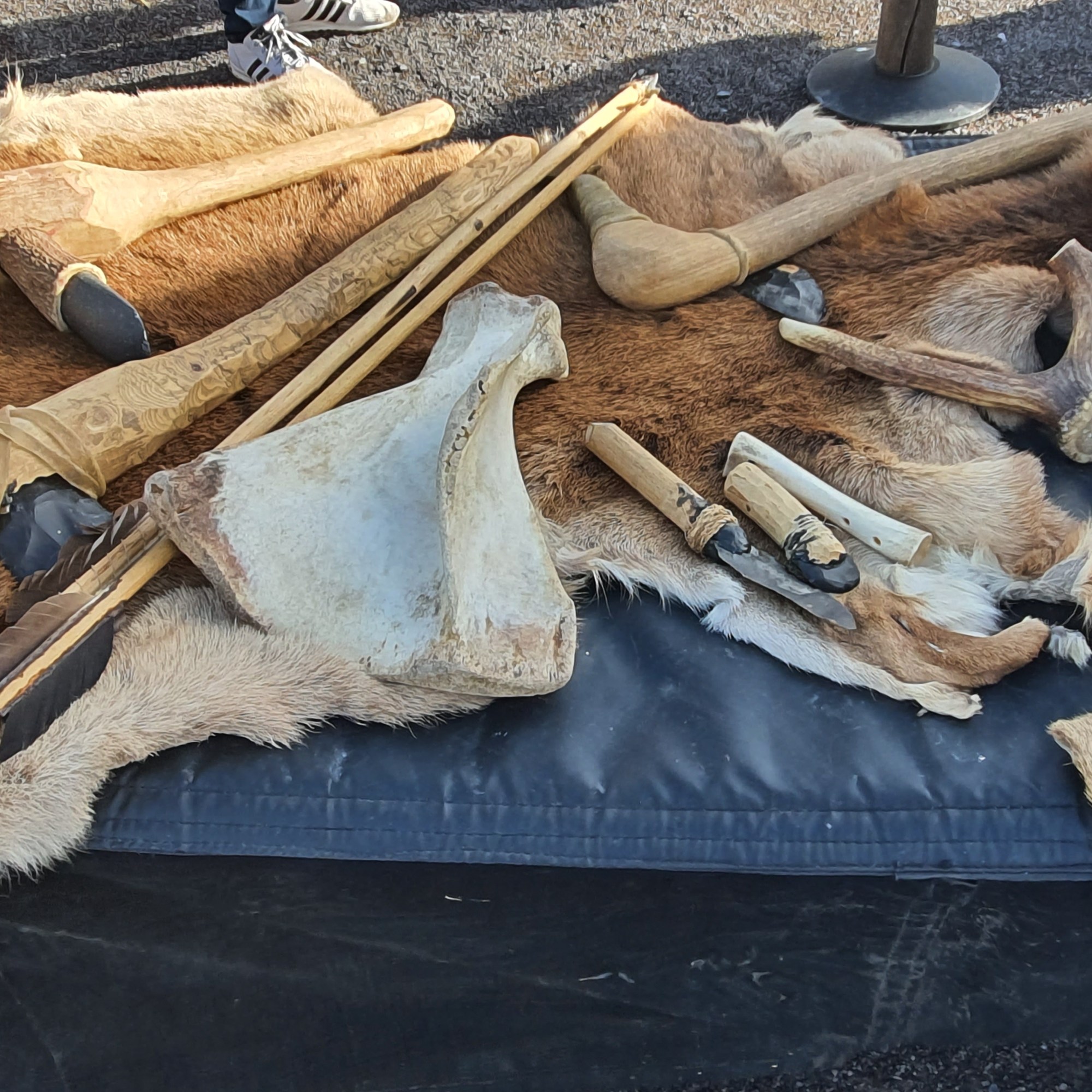
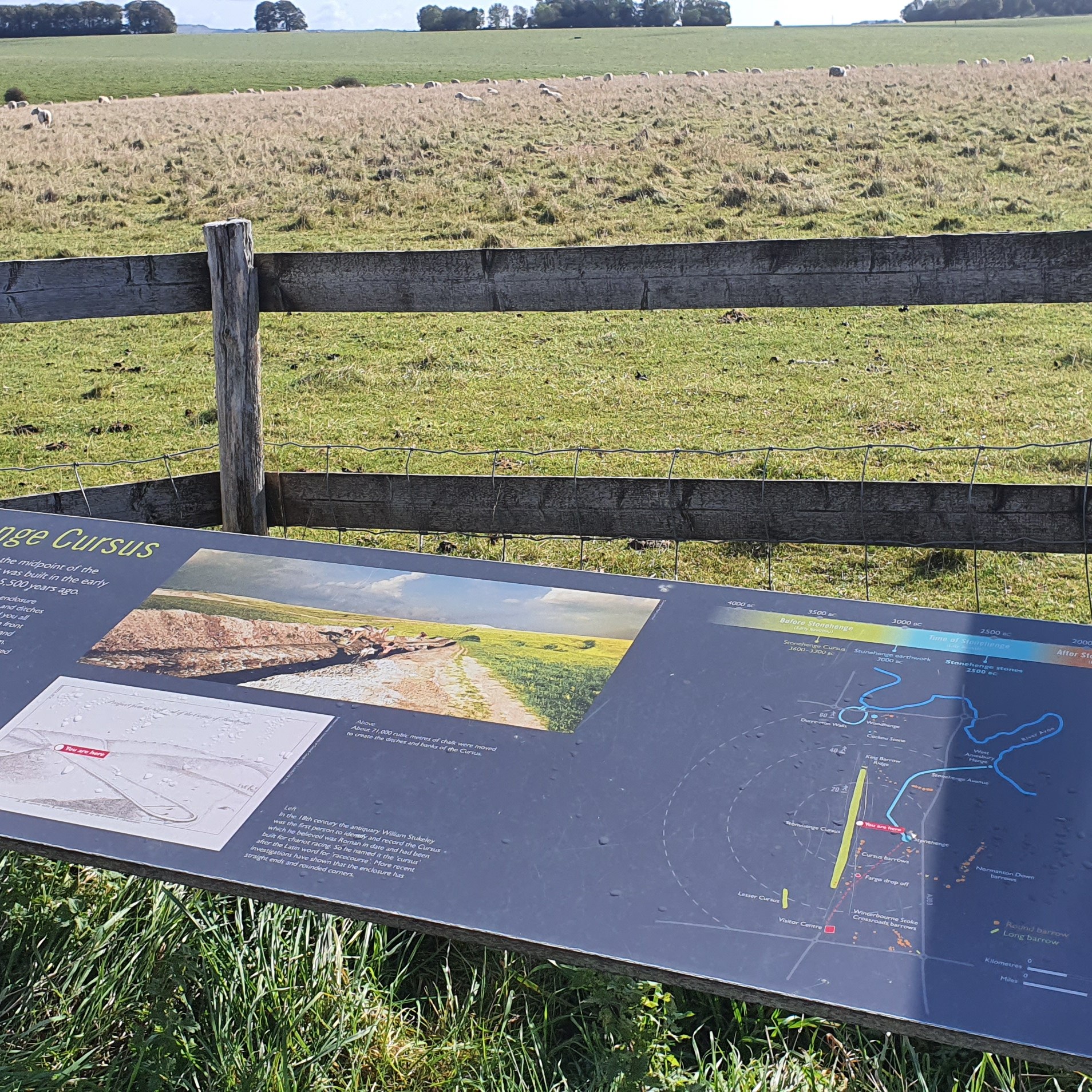
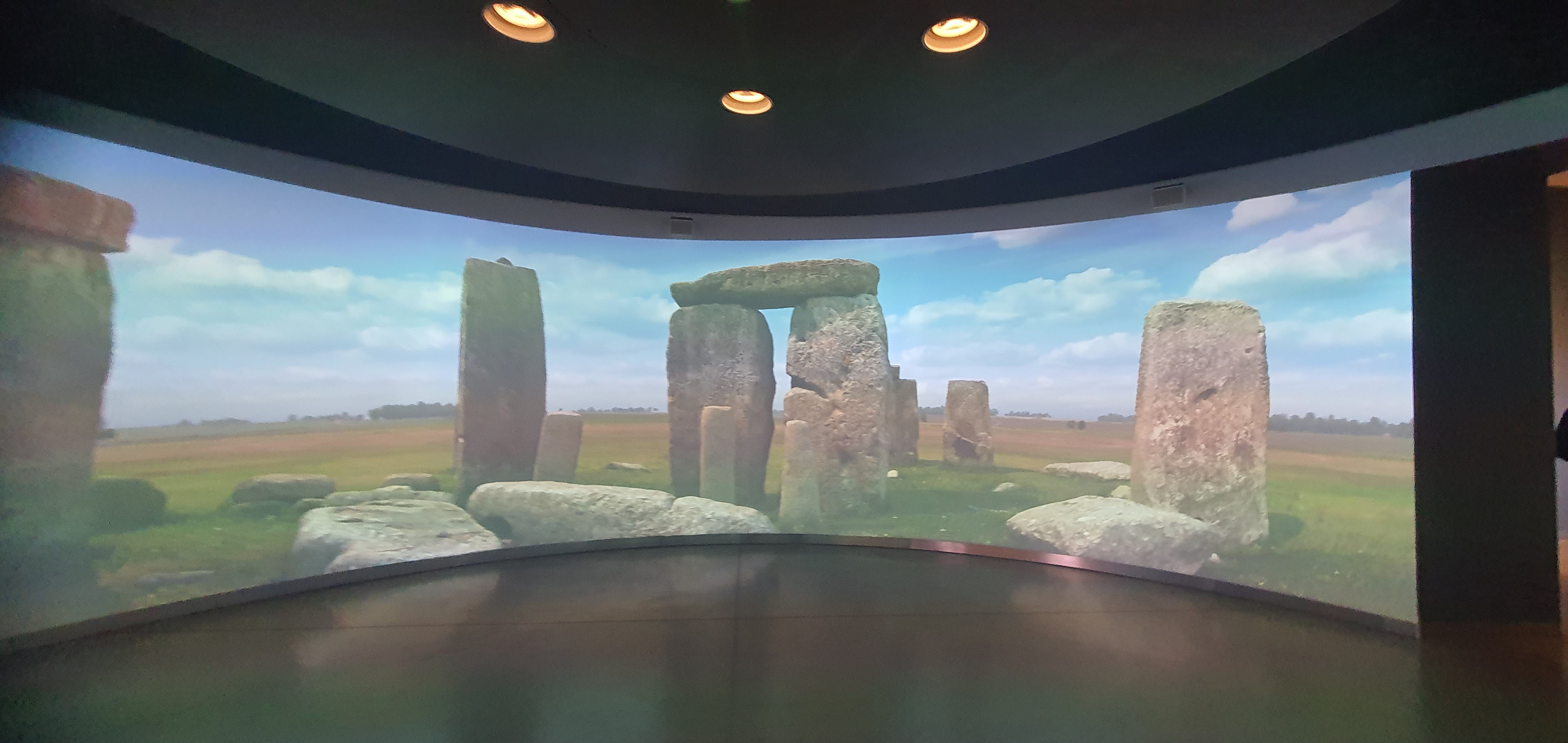
Although it’s very tempting to show your ticket confirmation and rush straight to the stones, take the time to go to the visitor centre and exhibition space first. Take in the atmosphere of the World Heritage Site, allow yourself to step into the landscape of when the Henge was constructed 4,500 years ago.
I’d highly recommend you use English Heritage’s complementary wifi to download the free multi-language audio guide. Covering the exhibition and the monument itself, it’s a fantastic way to learn about the local landscape and the most famous prehistoric monument in the world!
In the exhibition you’ll discover more than 250 significant archaeological artefacts showing how local Neolithic people lived, worked and played around the monument. You’ll see hand tools including antler picks, jewellery, Grooved Ware pottery, Arrowheads, Battle Axes, as well as ancient human remains. One of my favourite exhibits uses advanced technology to reconstruct a man’s face from a skull discovered locally. It really helped me connect with the people who erected the monument.
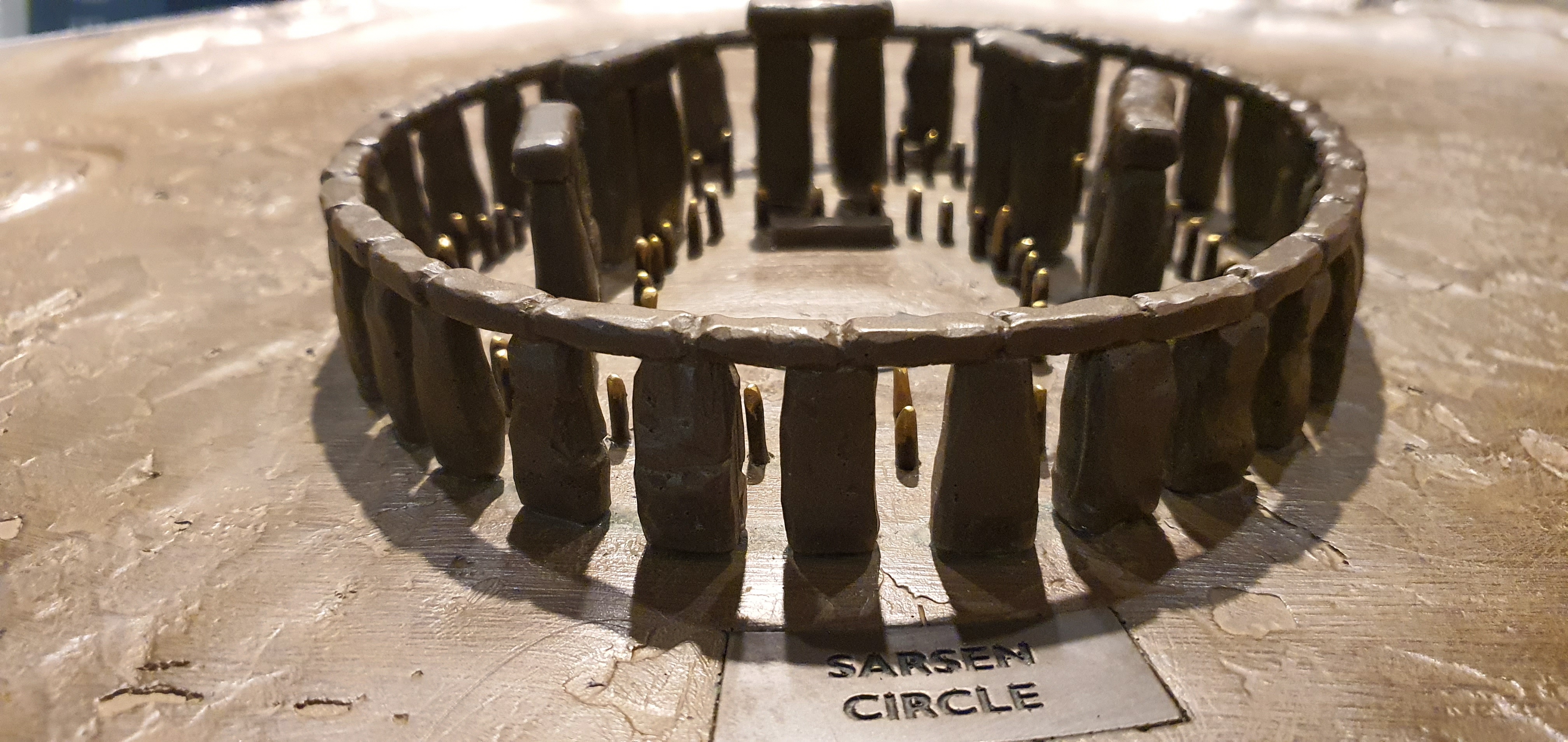
Once you leave the exhibition, you’ll find a large scale map of the UNESCO World Heritage Site local landscape including Durrington Walls, Woodhenge and Avebury as well as Stonehenge. It shows how Stonehenge is best considered in its ancient landscape and not in isolation as we often think of it today.
Half a dozen Neolithic houses have been lovingly recreated just outside the visitor and exhibition centre. They are very closely based on archaeological evidence from 100 plus houses in a huge ceremonial earthworks enclosure discovered in 2006/7 about a mile away at Durrington Walls. They dated from about the same time as the erection of the large Sarsen stones at Stonehenge. The houses are constructed with local hazel wood weaved around supporting stakes, with thatched straw roofs and walls of chalk daub. They give a fascinating clue to where the builders of Stonehenge lived during its construction.
There are two Touching Stones, one of the same material as the Blue Stones and the other of the Sarsens. Feel how they radiate heat from the sun differently, remembering you cannot touch the stones of the monument itself. Right by the touching stones is the ‘Pull A Sarsen’ experience, you can have a go at trying to move a real scale Sarsen that shows how many people it takes to move it if they all pulled as hard as you!
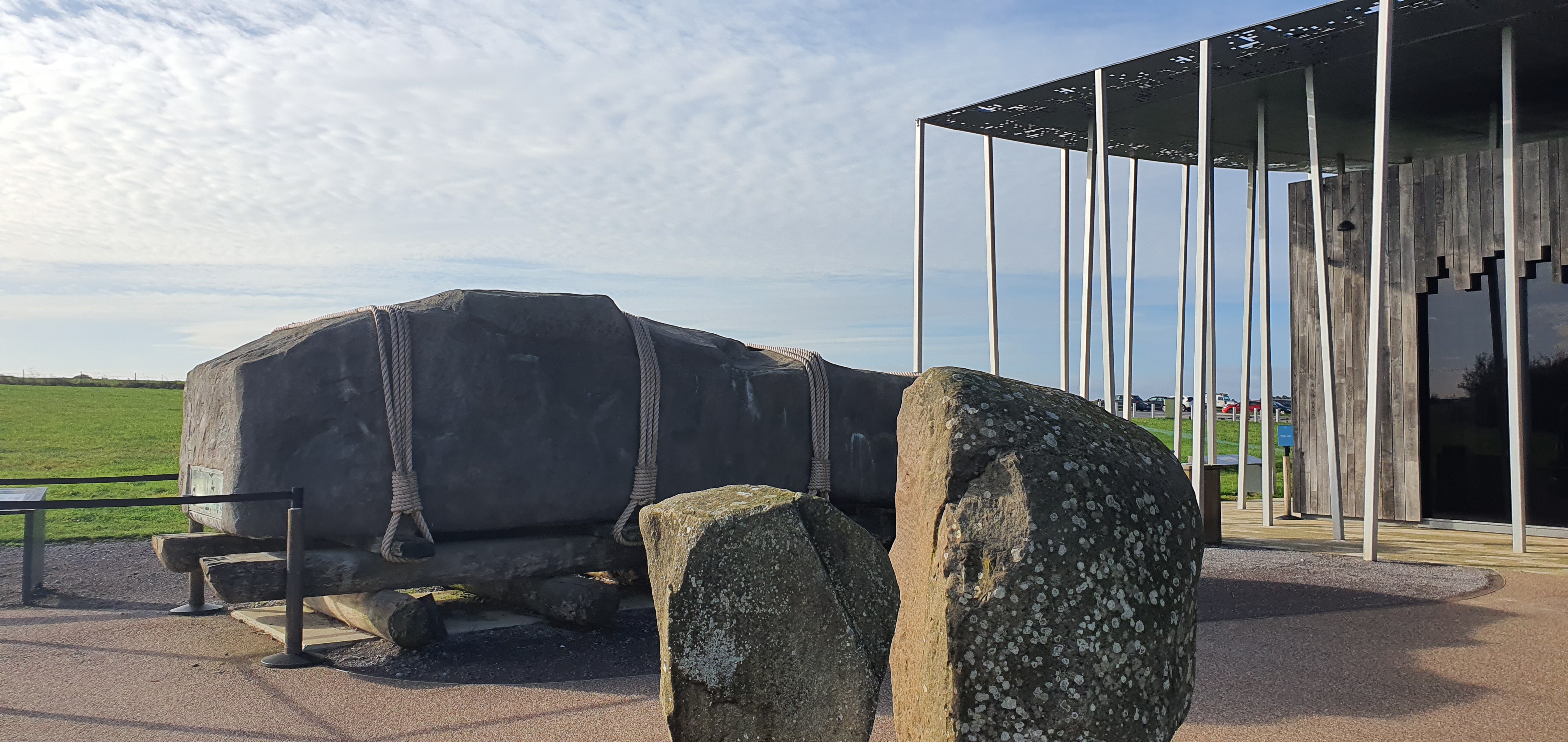
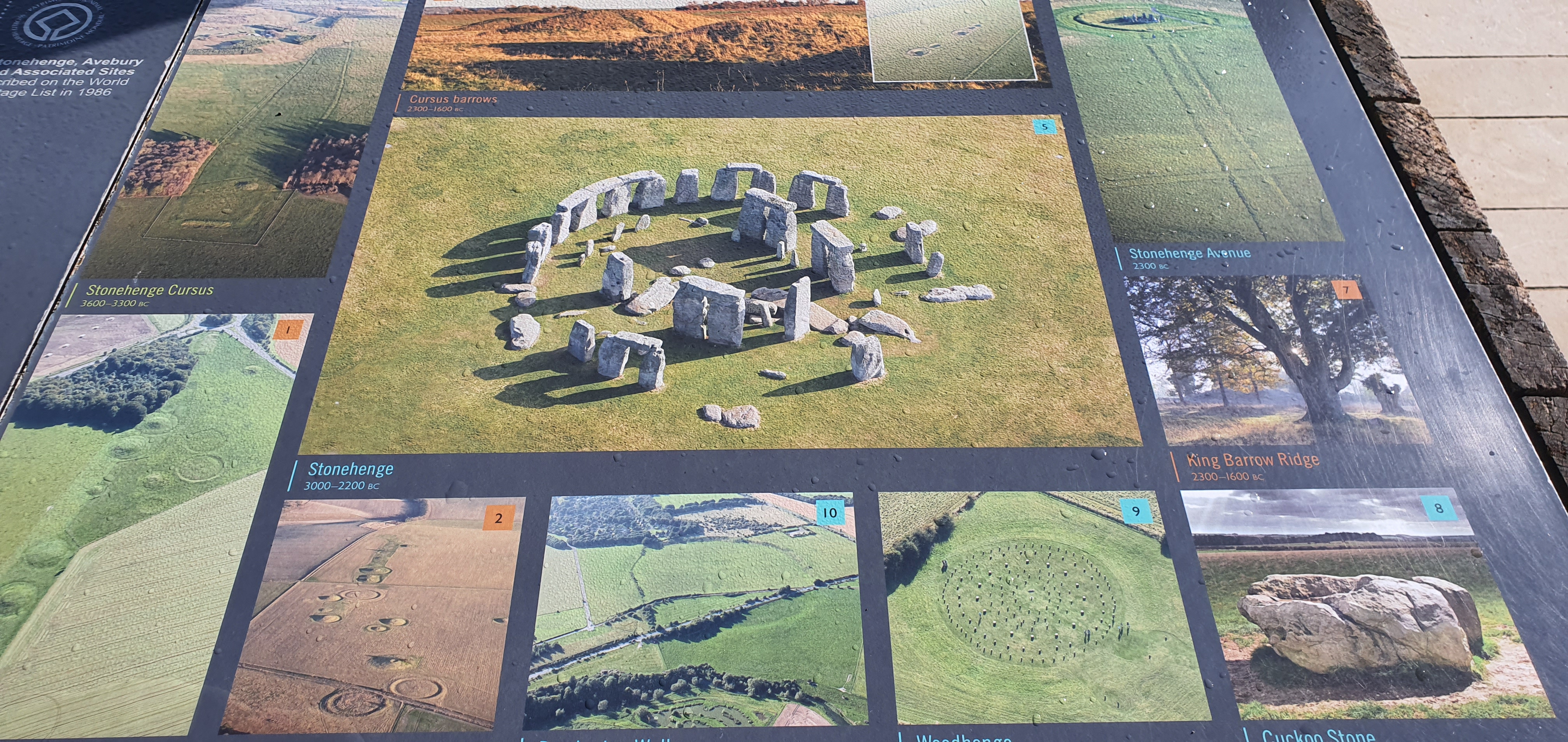
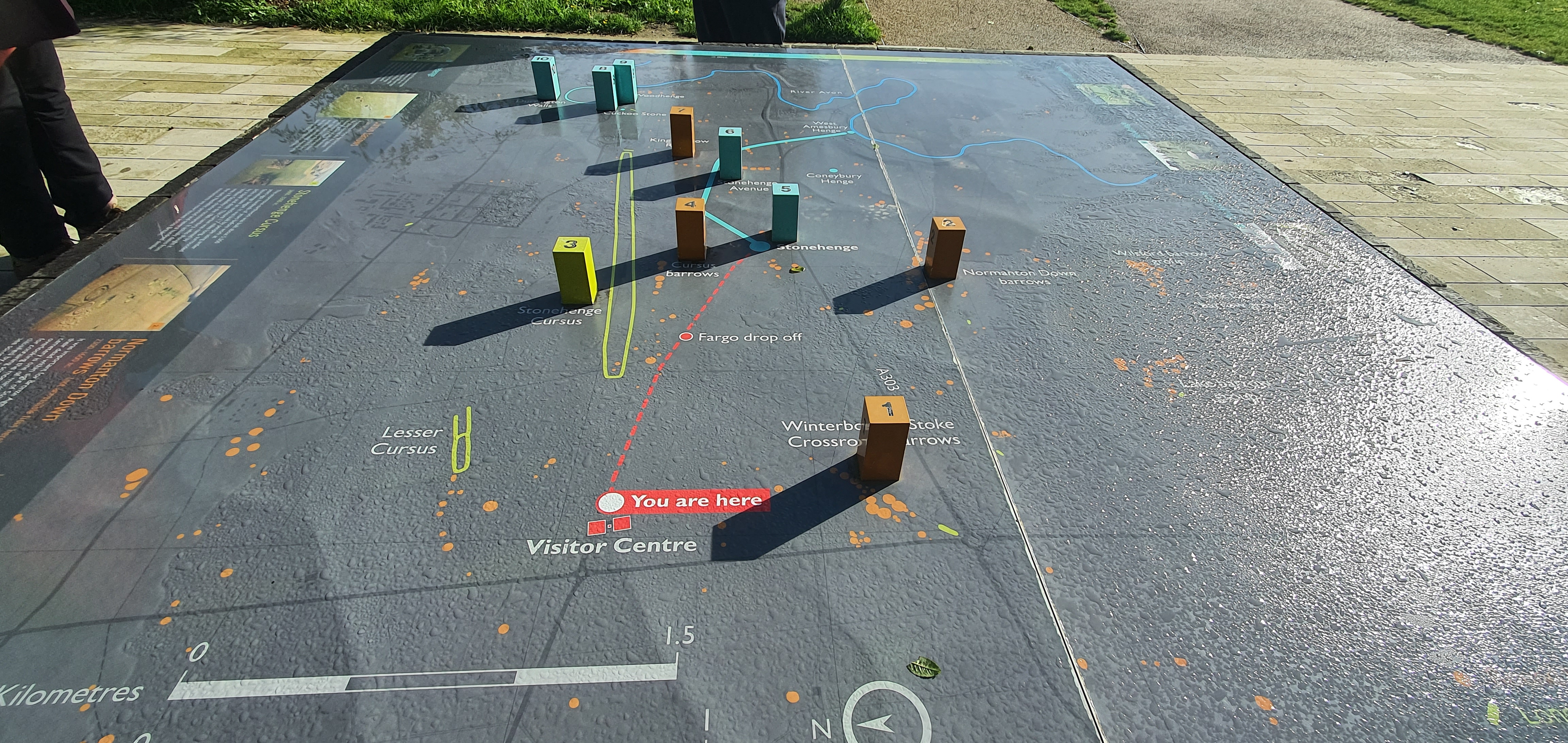
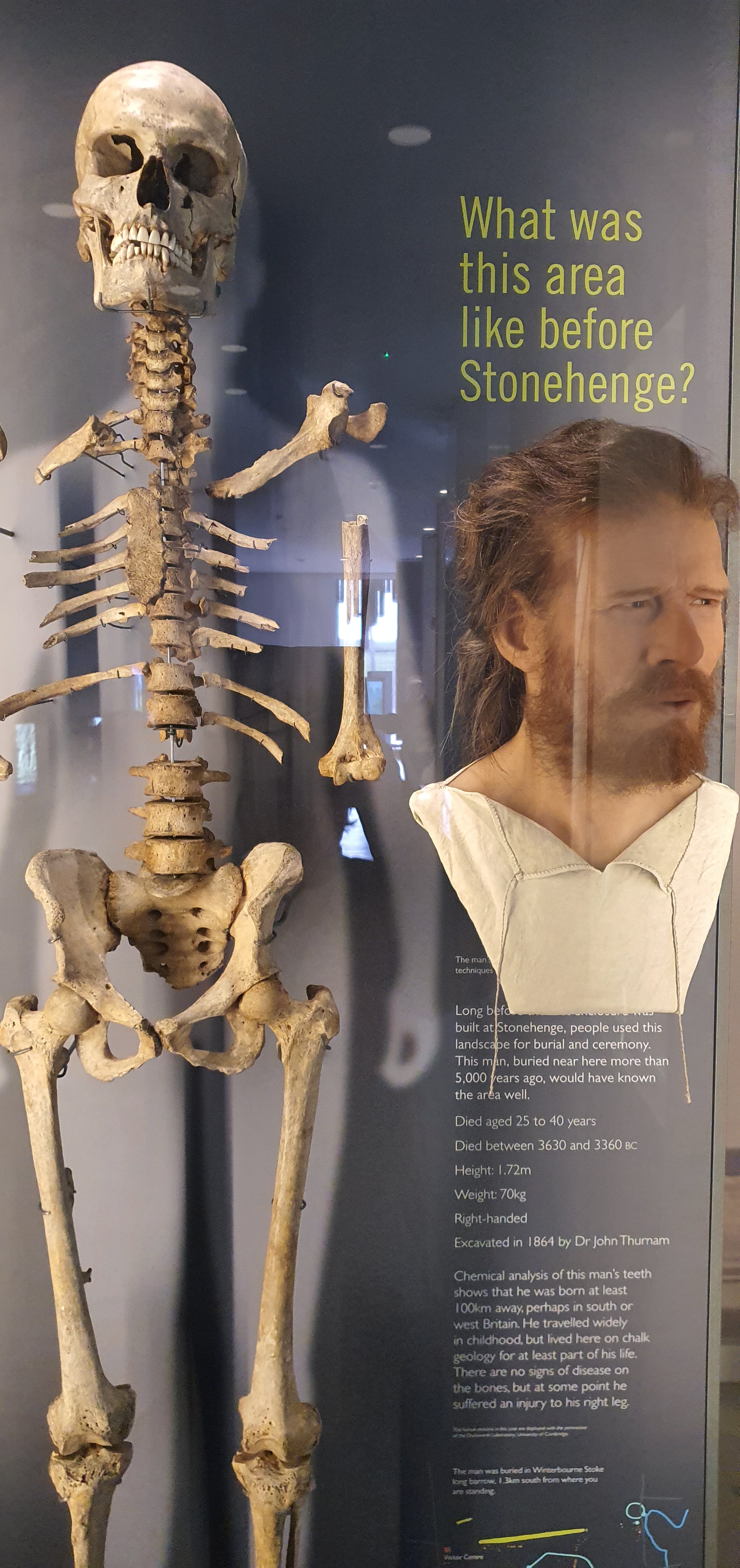

The most important thing to remember before you head up to the stones themselves is to use the public facilities as there is no toilet / washroom up at the monument!
The stones are just over a mile away from the visitor centre and there are two ways to get there. The quickest is the complimentary shuttle bus which runs every ten minutes and takes five minutes. The best way, if you are up for it, is to arrive at Stonehenge on foot, through the landscape. You get to experience the unchanged landscape just as our Neolithic ancestors did.
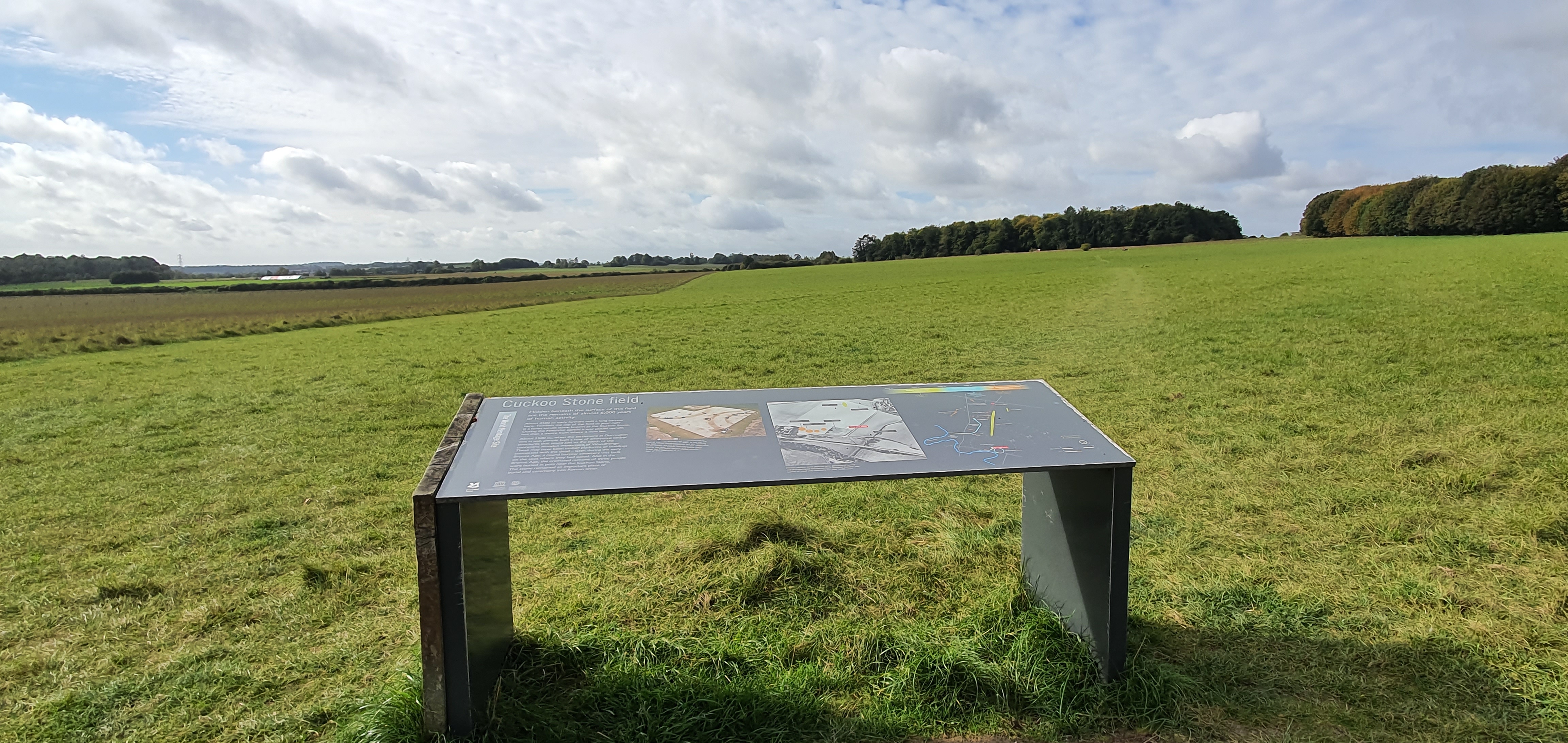
I can walk up to the stones in 15-20 minutes walking at my usual pace so give yourself a leisurely half hour. Fargo Wood marks a halfway point to the stones and is a great place to get close up to one of the many burial mounds. You can’t miss them – they look like big overturned dessert bowls covered in grass and are not giant mole hills! As you walk up to the stones, use the audio guide to for information about The Long Barrow, The Avenue and Cursus.
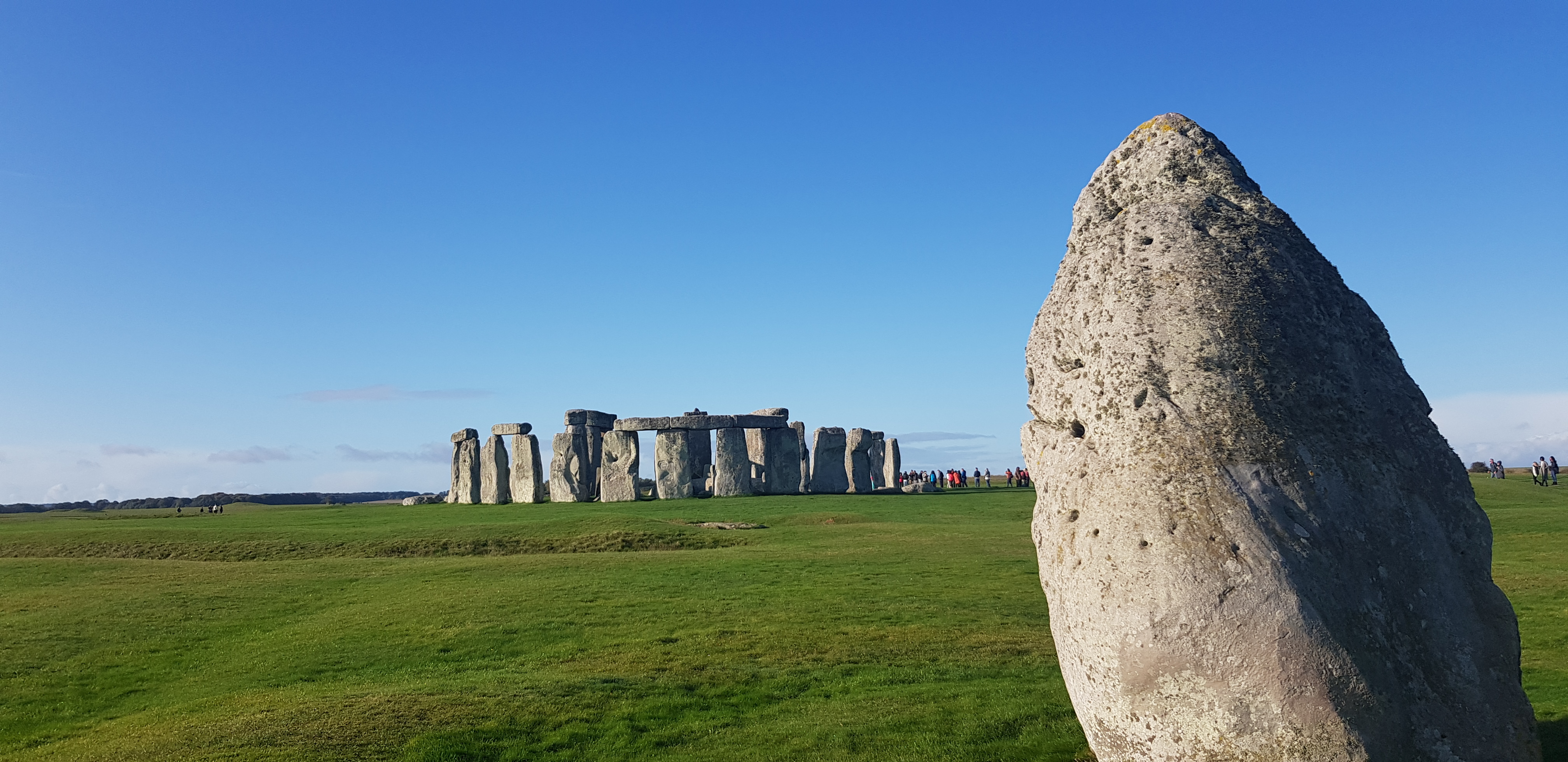
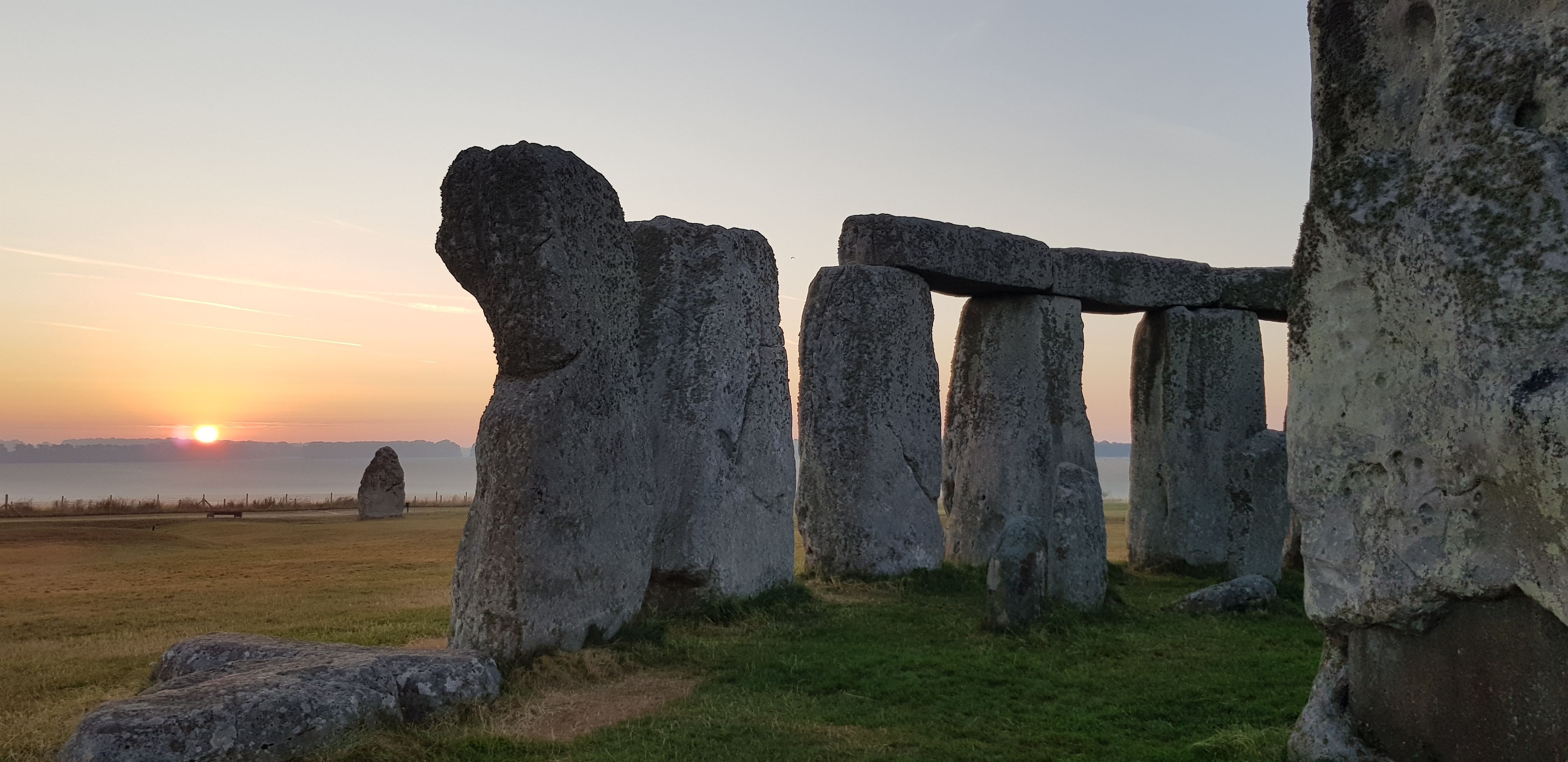
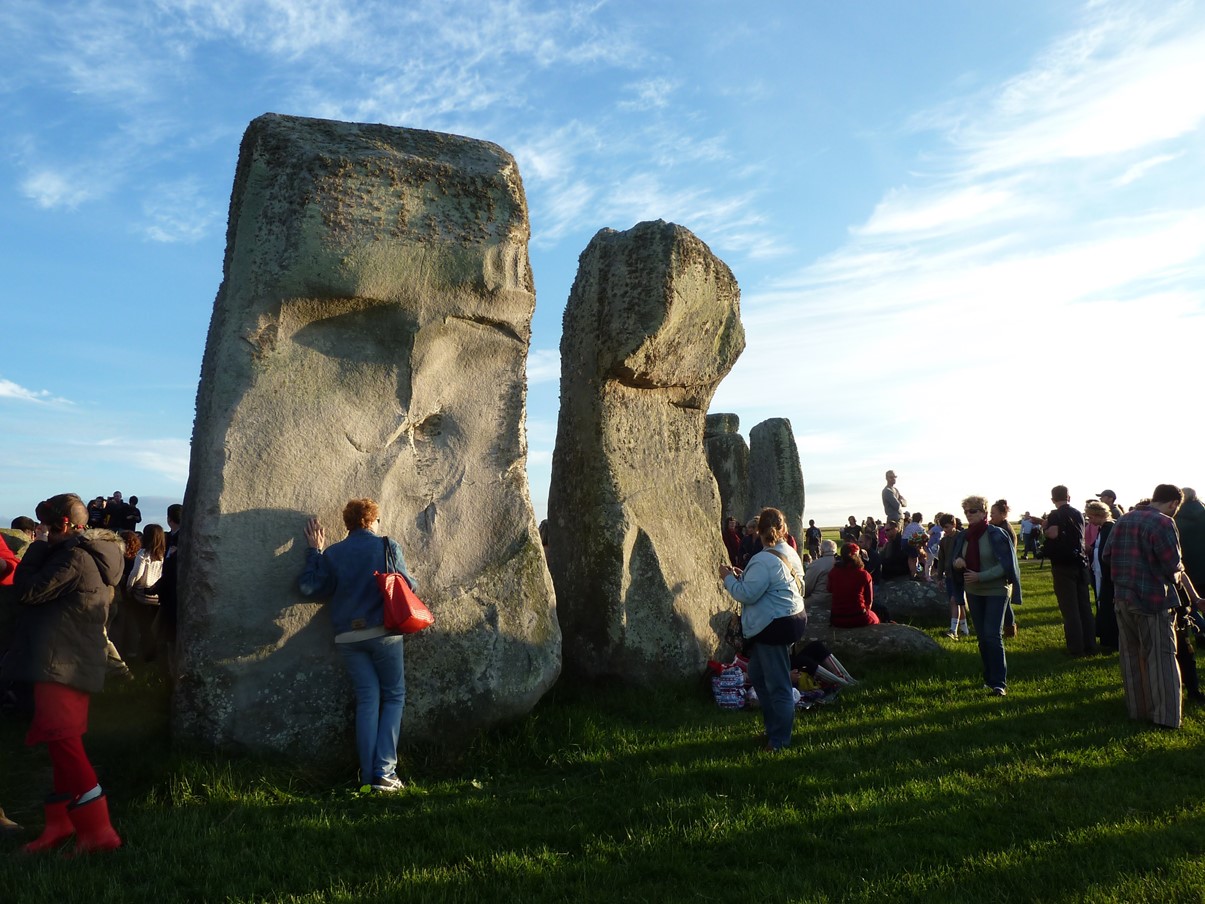
Once at the monument itself I recommend you walk in a clockwise direction, towards the Heel Stone (which marks the place on the horizon where the summer solstice sunrise appears when viewed from the centre of the stone circle) and The Avenue, connecting the River Avon with Stonehenge. Here you’ll get a great opportunity to take photos of the best views of the monument – the Heel Stone and section of outer ring of Sarsen stones that are still capped with their lintels. Once you have that Iconic shot remember to take it all in, enjoy your time by the stones! There is a rope barrier around the monument that takes you away from the site to get a good feel of the Henge (earth works) that the stones are set inside, before it allows you to the closest point of your visit for some great up close photos. If the stones are wet you may be able to see some of the carved graffiti – see if you can spot where Sir Christopher Wren (architect of St. Paul’s Cathedral) carved his name twice on the stones!
Now you can choose to walk back to the visitor centre through the landscape you will now be so aware of or get the shuttle bus if your feet are tired.
Once back at the visitor centre you can’t ignore the shop for a memento of your visit. My favourite items have ‘Stonehenge Rocks’ emblazoned on them! There’s everything from postcards and pop-up books to beautiful bespoke jewellery and even a limited edition Stonehenge Monopoly!



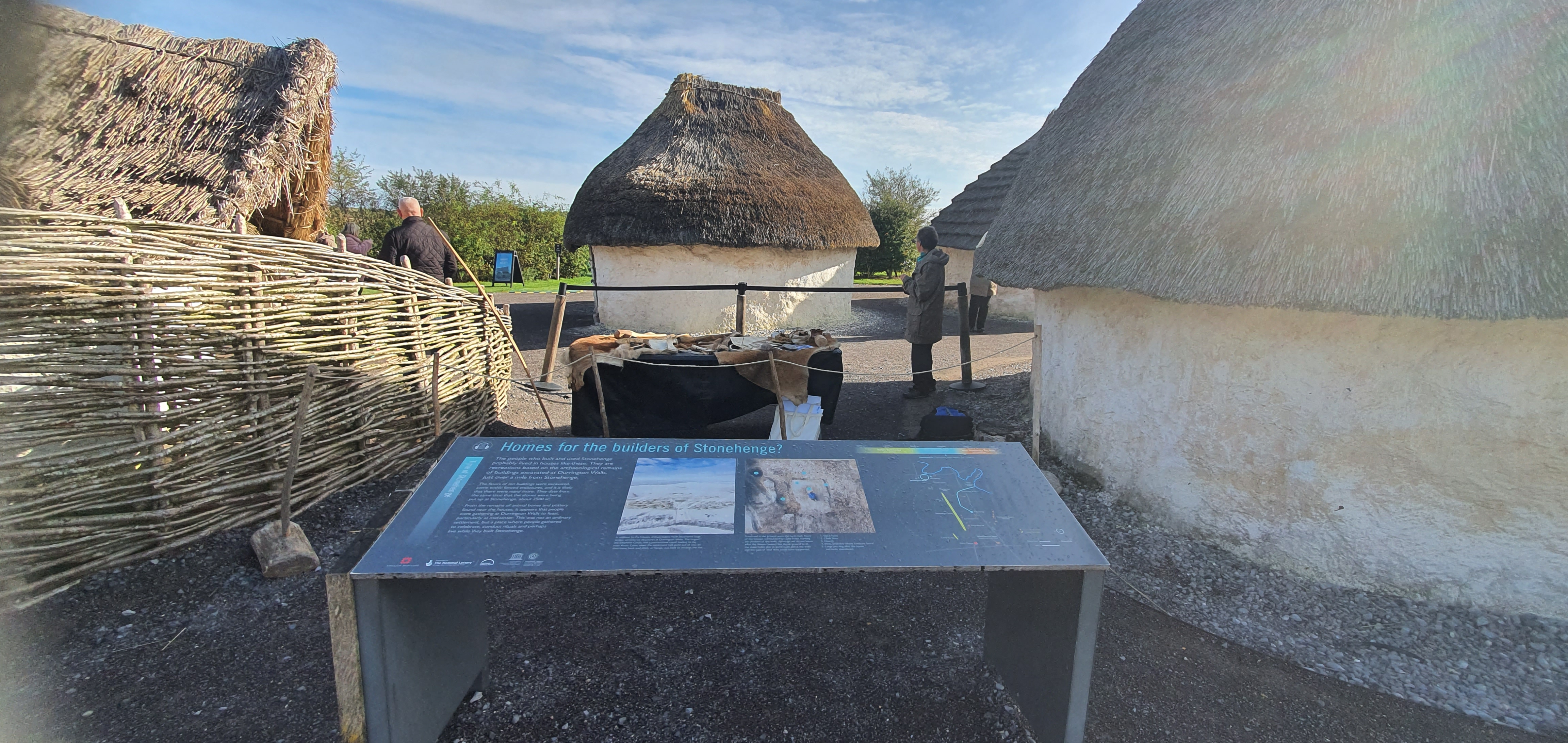
Before you leave there is also the cafe to grab a coffee and reflect on your experience at one of the most iconic monuments in the world.
It is possible to book a local expert tour guide for a Stonehenge landscape tour. These walks provides you with spectacular views of the Stonehenge area rarely seen by the millions of people who visit the monument each year. This really is a wonderful walk with some tantalizing glimpses of the Stone Circle as you approach.
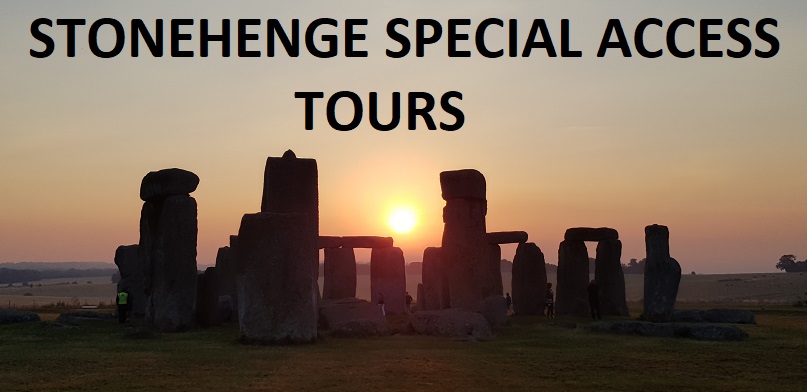
English Heritage also offer the Stonehenge Private access experience that allows you to walk amongst the inner circle before or after its officially open to the public
Visit Stonehenge Relevant Links:
Ticking Stonehenge off your bucket list. Stonehenge News Blog
Stonehenge Special Access Experience. Stonehenge News Blog
Stonehenge Walking Tours. Enhance your Stonehenge visit and book a local expert tour guide.
Salisbury Reds have frequent tour buses departing from Salisbury city centre and can also include Old Sarum Hill Fort.
The Stonehenge Travel Company can meet you in Salisbury or the railway station and conduct small group private guided tours at very reasonable prices. They also include Durrington Walls and Woodhenge.
Visit Wiltshire. Tourist Information and events guide.
Stonehenge Guided Tours offer small group and private guided tours, including the Stonehenge VIP access experience with departures from London, Bath, Salisbury and Southampton.
The Stonehenge News Blog
Follow us on Twitter and Facebook for all the latest Stonehenge News
http://www.Stonehenge.News






 StonehengeNews
 travelstonehenge

 Stonehenge Stone Circle News and Information