Stonehenge Summer Solstice Celebrations 2013

1 06 2013

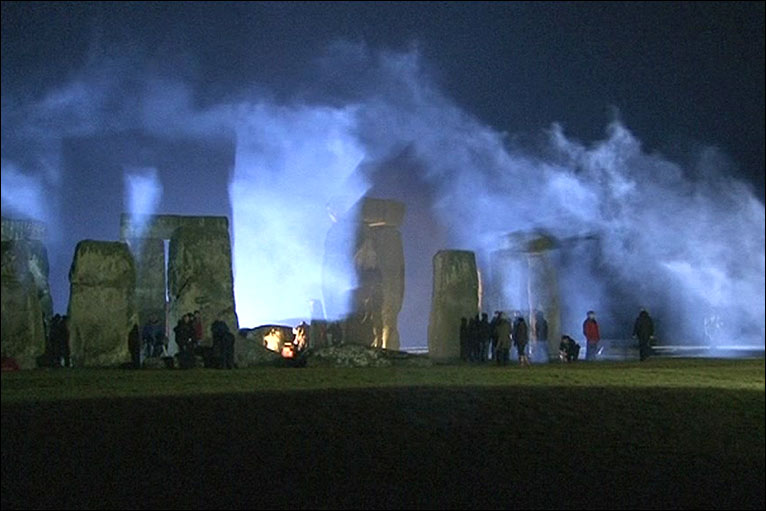
English Heritage is pleased to be providing Managed Open Access to Stonehenge for the Summer Solstice on 20-21 June 2013. Please help us to create a peaceful occasion by taking personal responsibility and following the Conditions of Entry and guidelines set out on these pages. The full Conditions of Entry can also be downloaded from the link at the bottom of this page

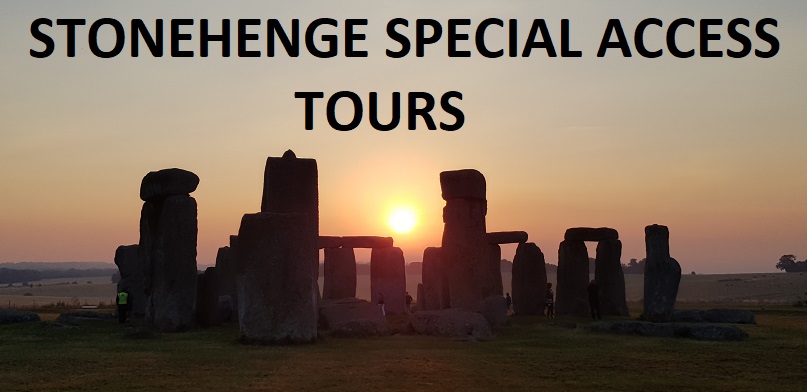
Stoneheng Summer Solstice Tour 2013

We have a duty of care to ensure public safety and are responsible for protecting  Stonehenge and its surrounding Monuments. If we are to ensure that future access is sustainable, it is essential that everyone observes and abides by these Conditions of Entry.

Celebrating the Summer Solstice at Stonehenge 

Stonehenge is an ancient prehistoric site and has been a place of worship and celebration at the time of Summer Solstice since time immemorial.

During Managed Open Access for Summer Solstice at Stonehenge, we support all individuals and groups conducting their own forms of ceremony and celebration providing that they are mutually respectful and tolerant of one another. It is a place seen by many as a sacred site – therefore please respect it and those attending.

English Heritage continues to work closely with the many agencies and people from all sectors of the community and we would like to thank them for their help and support.

Parking and entry to the Monument will be free, subject to the Conditions of Entry.  Please do not arrive at the Solstice Car Park or Stonehenge in advance of the opening times listed below:

    Timings for Summer Solstice at Stonehenge 

  • SOLSTICE CAR PARK OPENS  1900 hours (7pm) Thursday 20th June
  • ACCESS TO STONEHENGE 1900 hours (7pm) Thursday 20th June
  • LAST ADMISSION TO SOLSTICE CAR PARK   0600 hours (6am) Friday 21st June
  • STONEHENGE CLOSES  0800 hours (8am) Friday 21st June
  • SOLSTICE CAR PARK TO BE VACATED  1200 hours (12 Noon) Friday 21st June – see Travel and Parking for further information on travel and parking arrangements.

We hope the weather will be kind and wish you a peaceful and celebratory solstice.

    Stonehenge Sunset and Sunrise

Sunset and sunrise occur at the following times:

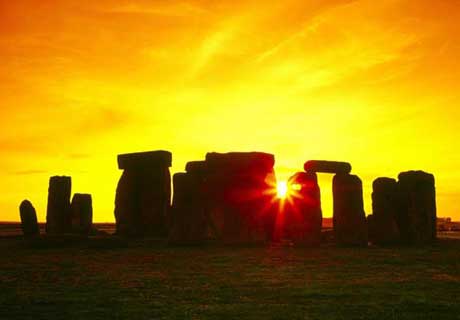
  • Sunset on Thursday 20th June 2013 is at 2126 hrs (9.26pm)
  • Sunrise on Friday 21st June 2013 is at 0452 hrs (4.52am)

STONEHENGE LINKS::

Conditions of entry: http://www.english-heritage.org.uk/content/imported-docs/p-t/summer-solstice-coe13.pdf
More info: http://www.english-heritage.org.uk/daysout/properties/stonehenge/summer-solstice/

Follow Stonehenge on Twitter for Solstice News, traffic updates, photos on the day: https://twitter.com/ST0NEHENGE

Merlin says “Please respect the Stones!”

The Stonehenge News Blog


A visit to Stonehenge is bound to make you ask: who built it?

16 05 2013

Who built Stonehenge?
A visit to Stonehenge is bound to make you ask: who built it?  It is a question nearly as old as the stones themselves.  And what do we know about the people who achieved this prehistoric marvel? Words Susan Greaney

Wizard Ideas 

In the early medieval period, writers thought they knew who had built Stonehenge—Merlin. But by the early 17th century, scholars were looking for a more plausible answer. In 1620, architect Inigo Jones thought it was based on classical geometry and constructed by the Romans. Antiquary John Aubrey thought that the native Britons, in particular the Druids, were the builders of Stonehenge. Antiquary William Stukeley’s 1740 book firmly established the idea that it was a Druid temple.

Towards the end of the 19th century, archaeologists began to realise that Stonehenge could be much older, linking finds to the Bronze Age. William Gowland’s excavations in 1901 showed that Stonehenge was built in Neolithic or early Bronze Age. Today, we think the stones were raised about 2,500 BC by the native inhabitants of late Neolithic Britain.

The Early Theories…

stonehenge_1

stonehenge-port-JOHN_AUBREYJohn Aubrey Proposed that Stonehenge was a temple built by the Druids, the priests of the pagan Celts, who came to England in the centuries immediately prior to the Christian era.


stonehenge-port-WILLIAM_STUKELEYWilliam Stukeley The first person to recognise the alignment of Stonehenge on the solstices. Like John Aubrey, however, he mistakenly attributed their construction to the Druids.


stonehenge-port-INIGO_JONESInigo Jones Believed the stones were a Roman temple of the Tuscan order built to the sky god Coelus. Later disproved by evidence establishing the period in which the stones were first laid.

Past Lives

Stonehenge was built before metal began to be used in Britain. The most common finds from this period are flint tools required for everyday activities such as hunting, making leather and preparing food. We know from animal bones that the people who constructed Stonehenge had livestock and probably also grew small quantities of crops, but still gathered wild plants and hunted wild animals.

stonehenge_3

Whether visiting in 1958 or today, children have always been fascinated by Stonehenge.
At the time that Stonehenge was built, people across Britain were using a type of flat-based decorated pottery called Grooved Ware, often found at late Neolithic monuments across Britain. Many of these prehistoric finds can be seen at Wiltshire Museum, Devizes, at Salisbury and South Wiltshire Museum and at the new Stonehenge visitor centre later this year.

Neolithic Puzzles

Until a few years ago, experts thought late Neolithic people were largely mobile, moving between seasonal temporary camps. But in 2006, a team led by Professor Mike Parker Pearson, part of the Stonehenge Riverside Project, discovered several small buildings at Durrington, just over two miles north-east of Stonehenge. These houses appear to have been inhabited on a temporary, seasonal basis about 2,500 BC, the time that Stonehenge was built. Was this where its builders lived?

Among the excavated houses were mounds of rubbish, including cow and pig bones and broken Grooved Ware pottery, showing that large midwinter feasts were held here. Nearby were complex timber monuments, buildings set within special enclosures and other strange wooden structures. This was a place of ritual, probably connected to the ceremonies at Stonehenge.

stonehenge_4

Stone arrowheads and grooved pottery have helped our understanding of the Neolithic period
After the settlement was abandoned, an enormous henge called Durrington Walls was built, which is still visible today. Part of Durrington Walls and nearby Woodhenge are English Heritage properties you can explore. You can walk from Stonehenge across the fields to Durrington Walls, perhaps the route that its builders took. You’ll see other fragments from the past—the enormous Cursus monument, which pre-dates Stonehenge, and many of the early Bronze Age round barrows that scatter this area.

People Power

There are further clues in the monument itself. Transporting the stones, shaping them and fitting them together took great organisation and hundreds of people in what was a sophisticated and organised society. You can find out more at Stonehenge’s new visitor centre later this year.

Neolithic Life: Round the Houses

stonehenge_2Outside the new Stonehenge visitor centre will be an external gallery, where we’ll be recreating three of the late Neolithic houses excavated at Durrington Walls. Here you’ll be able to see what life was like at the time Stonehenge was built. And at Old Sarum, Wiltshire, volunteers are building some prototype houses to test different ideas about the methods and materials used.

You can follow the progress of our project on our blog at www.neolithichouses.wordpress.com and our Twitter account @NeolithicHouses. If you’d like to get involved with building the houses at the visitor centre next year, or working in the external gallery, keep an eye on our website for volunteering opportunities.

We’ll be holding tours and open days at the Old Sarum houses so you can come and learn more about prehistoric life and experimental archaeology:

All details and booking information can be found on our What’s On page

English Heritage website: http://www.english-heritage.org.uk/

Merlin @ Stonehenge
The Stonehenge News Blog


Dorset history experts turn Stone Age home-makers.

14 05 2013

A team of Dorset archaeologists have been brought in to help with the £27 million project to transform the visitor experience at Stonehenge.

Stone age homes construction smallStaff from Dorset County Council’s Ancient Technology Centre (ATC), at Cranborne, have been commissioned by English Heritage to test build three Neolithic houses and help discover how Stone Age man fashioned his homes.

Working at the historic site of Old Sarum, near Salisbury, the ATC team (with the help of English Heritage volunteers) is constructing the houses using the same tools and locally sourced materials as their Stone Age counterparts.

The final constructions will go on permanent display at the new Stonehenge visitor centre early next year.

Susan Greaney, senior properties historian at English Heritage, said:

“The reconstructed houses will be an immediate and sensory link to the distant past and will bring visitors as close as they can to appreciate what life was like for the extraordinary individuals who built Stonehenge.”

An excavation at Durrington Walls near Stonehenge revealed evidence of the houses believed to be seasonal homes of the people who built the ancient monument 4500 years ago, uncovering floors and stakeholes where the walls once stood. But above ground, the appearance of the structures is unknown. One of the aims of the project is to test different materials and structures to see which ones work best.

The Ancient Technology Centre (part of Dorset County Council’s Outdoor Education Service)  is an educational facility which provides a unique blend of hands-on ancient skills and crafts activities, long-term construction projects and an opportunity for children of all ages to experience the realities of past life.

The staff’s extensive expertise and experience made them ideal candidates for the Stonehenge project. The team have gathered materials for the huts from Garston Woods in Sixpenny Handley and the Cranborne Estate, and are using traditional Stone Age flint axes and tools to carry out the work.

ATC manager Luke Winter, who is leading the project and guiding the volunteers said:

“The evidence from Durrington Walls brought to light the remains of several types of building. We’re trying to reconstruct what they looked like above ground. We’re testing lots of different thatching and walling methods, and new questions about how the Neolithic people lived are appearing every day.”

The experimental Neolithic houses at Old Sarum are open to the public, with a chance to ask questions and view demonstrations, from Saturday, 25 May to Monday 27 May, between 11am and 5pm. For more information please call English Heritage Customer Service on 0800 333 1183.

You can keep up to date with this project via the Ancient Technology Centre  webpage.

For more information, please contact: Dorset County Council

Merlin @ Stonehenge
The Stonehenge News Blog


Stonehenge Visitor Centre and Galleries Preview Tour.

11 05 2013

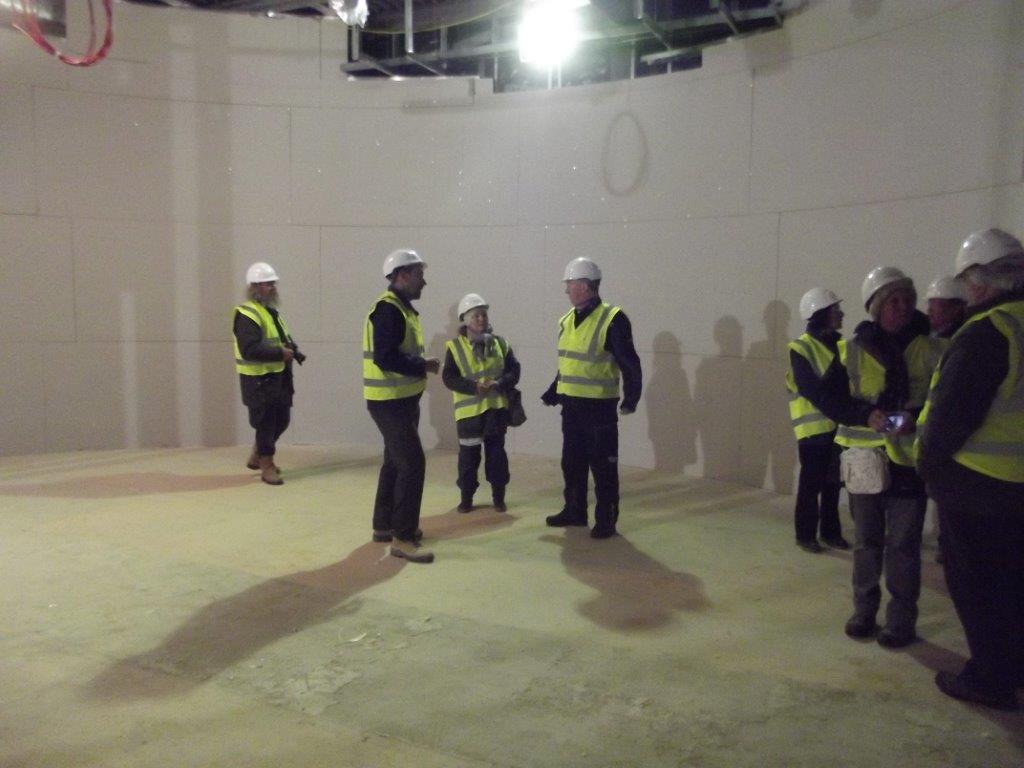
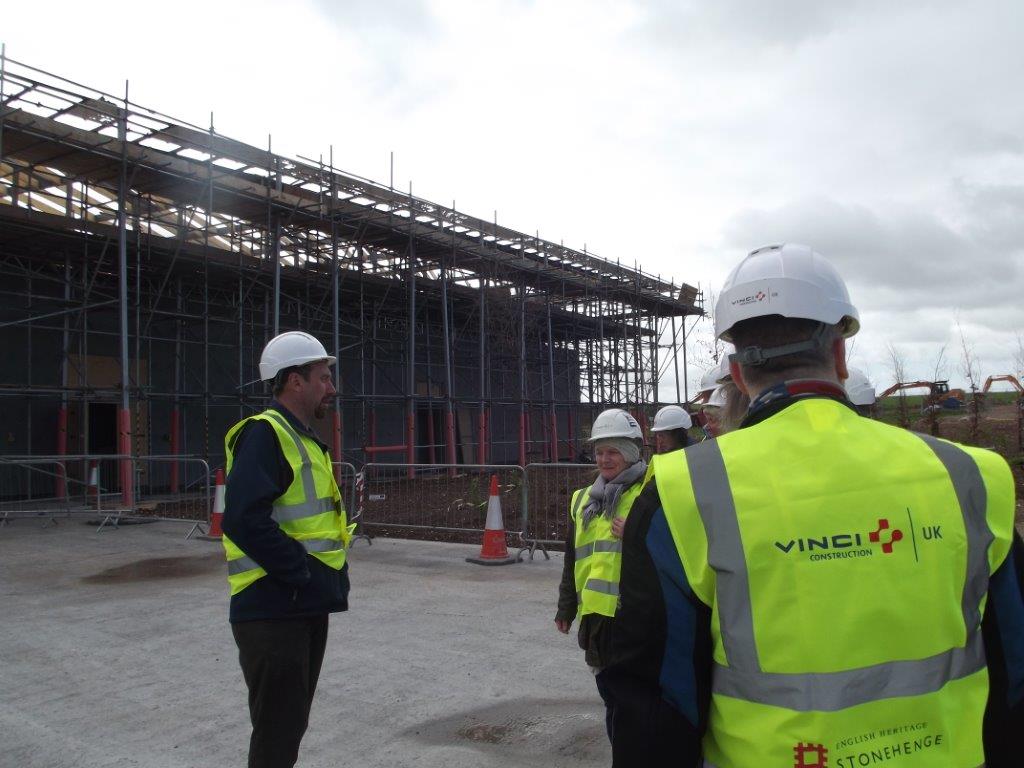
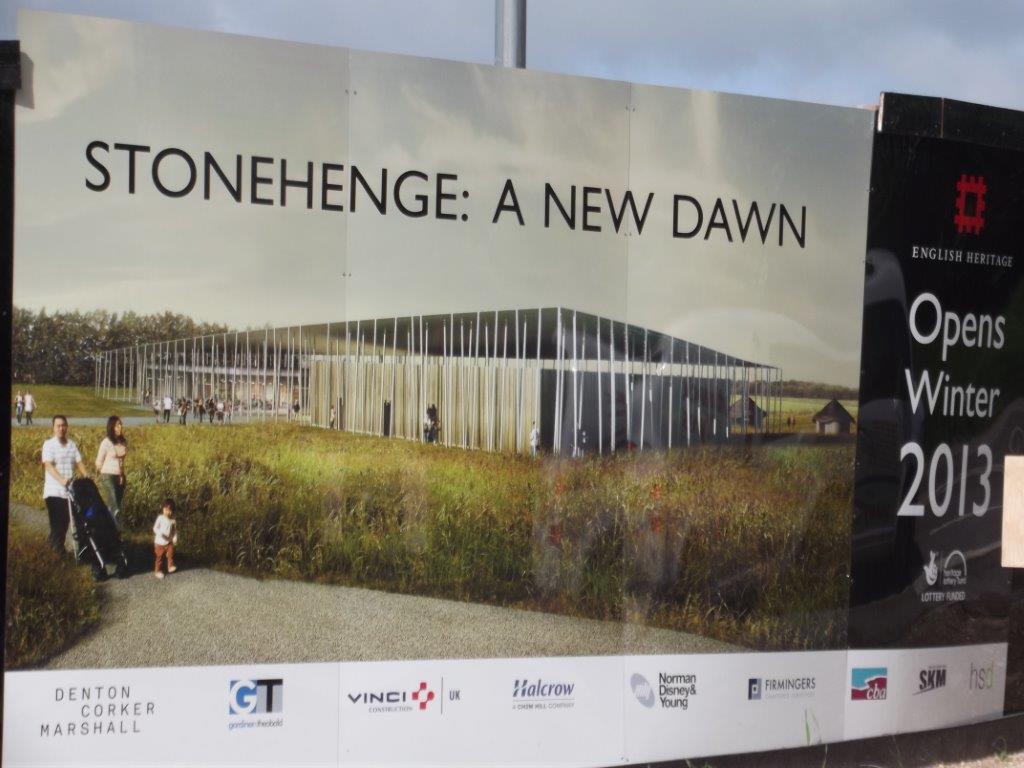
What happened on the visit ? We met English Heritage; Loranie Knowles (Stonehenge Project Director), Richard Williams (Stonehenge Project Manager) and Lisa Holmes (Stonehenge Community Projects Manager) together with staff from Vinci Construction.

Stonehenge Visitor Centre

Collectively they shared their experience behind the scenes of how the fantastic new facility is being made possible.  We got a tour around the site and also a chance to ask questions.

We also had an opportunity to make comments after the tour and shared our thoughts about the build, along with ideas and ways we would like to see the centre used by local community in the future

The open day has been organised and hosted by English Heritage with thanks to Vinci Construction and to Heritage Lottery funding which supports local community involvement in the Stonehenge Environmental Improvement programme.

Stonehenge Visitor Centre

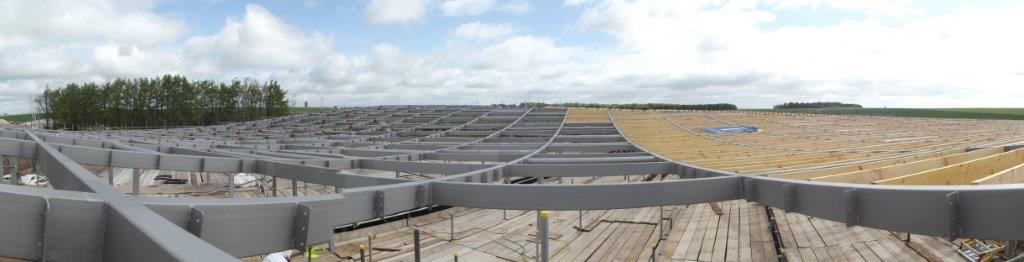
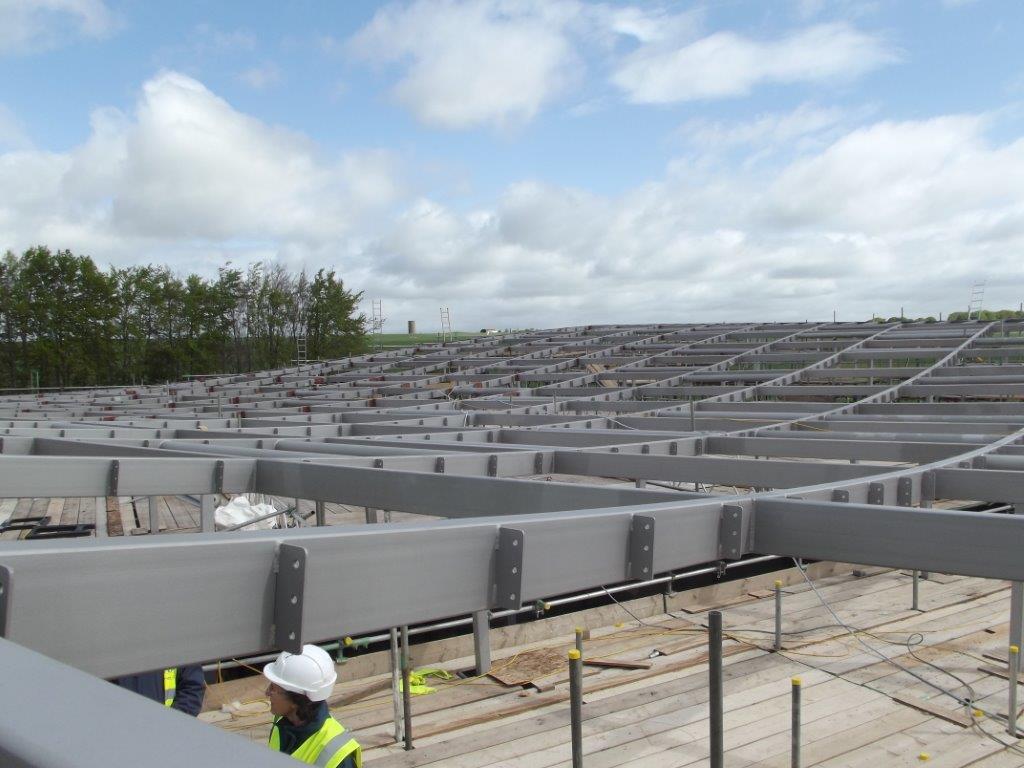
Panoramic view of Stonehenge Visitor Centre Roof

Stonehenge Visitor Centre

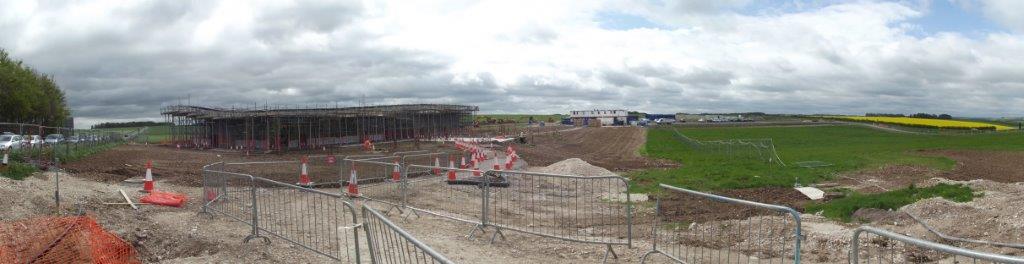
Panoramic view of Stonehenge Visitor Centre from the new coach park

Stonehenge Visitor Centre

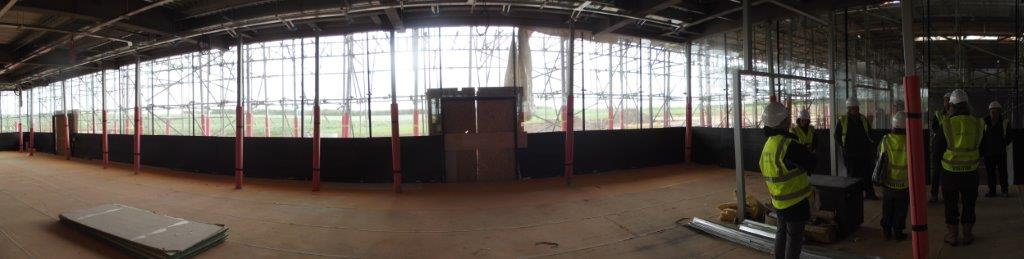
Panoramic view from the Stonehenge Visitor Centre Souvenir Shop

Stonehenge Visitor Centre

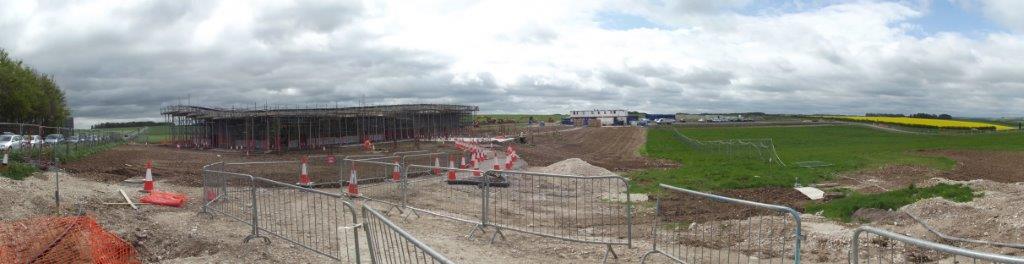
Panoramic view of the Stonehenge Visitor Centre from the West

More images of the exterior and interior:

The Stonehenge 360 Cinema

The Stonehenge 360 Cinema

Stonehenge Visitor Centre.  Roof top view

Stonehenge Visitor Centre. Roof top view

Stonehenge Visitor Centre.  Main entrance.

Stonehenge Visitor Centre. Main entrance.

Loraine Knowles, Stonehenge director for English Heritage, said: “It is fantastic to see the building taking shape and to see how well it sits in the landscape. “Progress with the creation of the interior spaces for the museum galleries, education area, shop and cafe is equally exciting because it is now possible to see on the ground how these great new facilities will be experienced by our visitors.

English Heritage’s £27million project to transform the visitor facilities at Stonehenge will see the new centre open in December, with the existing facilities to be demolished and grassed over by next June.

Merlin @ Stonehenge
The Stonehenge News Blog


Stonehenge opens to Druids for Vernal Equinox

26 03 2010
 

English Heritage site welcomes worshippers to mark the start of spring

Druids celebrate the sping equinox at Stonehenge(Panasonic)

A handful of lucky Druids took advantage of a rare opportunity to walk amongst Stonehenge this Saturday, 20 March in celebration of the Spring Equinox. Less than a hundred visitors, including Druids and pagan worshippers met at around 5.30am to watch the sunrise and welcome in the spring.

Despite the wet, windy weather, traditional customs such as blessings, chants and drum choruses went ahead in the middle of the ordinarily protected English Heritage site.

With characters dressed in outfits of white robes, floral headdresses, witches brooms and even stag’s antlers, attendees worshipped as the sun rose directly above the equator.

Despite heavy cloud cover, the gathered crowd enjoyed a brief glimpse of the sun before taking advantage of their rare chance to touch and interact with the stones.

Formal proceedings were overseen by renowned Arch Druid of Stonehenge Rollo MaughFling, leading both traditional chants and calling for more contemporary solutions, too. When talking about the upcoming General Election, the Arch Druid strayed away from a political bias and instead asked that, “Whoever is best fitted to lead us out of recession and back into prosperity be the party that wins as many people are suffering.”

One fellow Druid not afraid of showing his political stance was notorious eco-campaigner, Arthur Uther Pendragon, announcing his decision to run as an independent candidate in the forthcoming election.

“I have stood three times previously,” he told MSN UK, “The first time, I embarrassed the British National Party into last place, the second time, the new leader of the Monster Raving Looney Party into last place, and the third time I embarrassed myself into last place, but still polling 1% of the Vote.”

The day was also saw a posthumous appearance by Wally Hope, the founder of the Stonehenge festival. Since his death in 1975, the ashes of Wally Hope have been carried to the stones by their official keepers.


How and Why Was Stonehenge Built?

22 03 2010

StonehengeFrom the grassy deserted plains of southern England rises a circle of standing stones, some of them up to 24 feet tall. For centuries they have towered over visitors, offering tantalizing hints about their prehistoric past. For centuries, everyone who has stood before them has wondered the same thing: Who built this mysterious rock monument? And why? “Since Stonehenge was built and rebuilt over a period of centuries, no one group has sole credit for its construction, but the main building seems to have been done by a people known as the ‘Beaker Folk,’” says Benjamin Hudson, professor of History and Medieval Studies at Penn State. The Beaker Folk (who earned their name from the distinctive inverted bell-shaped pottery drinking vessels they made) scattered throughout prehistoric western Europe. The earliest construction at Stonehenge began about 3000 B.C., says Hudson, with a stone circle inside a ditch and bank. Within that circle lay a timber building; researchers have excavated from the site about 56 pits containing the remains of human cremations. Construction continued for 600 years, in several phases of landscaping: Burial mounds (most pointing east-to-west) and ceremonial pathways were added to the site. In 2400 B.C., the builders erected the large sandstone blocks which give the site its name. (Coined by Henry of Huntingdon, a twelfth-century English historian, “Stonehenge” means “hinged or supported stones.”) The means of moving those enormous standing stones has provoked centuries of speculation, with theories ranging from demonic powers to Merlin’s magic to alien technology. The reality is much more ordinary, says Hudson. “Much of the construction was little more than putting enough men under a stone to move it into place,” he notes, “although some basic engineering was required for the larger stones and the lintels.” One theory holds that the builders used simple inclines and levers to move the stones into place. Like the Egyptian pyramid-builders, the Stonehenge constructors relied more on brute labor than sophisticated technology. Though one of the most complete and monumental examples of Neolithic and Bronze Age construction, Stonehenge was not alone in its time. Hudson notes one estimate that places it among 300 surviving stone monuments throughout the British Isles—including the famous stone circle in Avebury. The connections between and among these sites often remain murky, and undoubtedly many creations of the Beaker Folk have returned to nature, leaving few traces of their existence. “Stonehenge forces us to reconsider the period of history that is not accompanied by written records,” Hudson says. Since the builders left no explanation, the precise purpose of their work remains obscure. One theory sees Stonehenge as a temple, pointing to the elaborate landscaping surrounding the site. More recently, historians and archaeologists have suggested it provided an observatory for either moon or sun cults. The Beaker Folk are believed to have been sun worshipers who aligned Stonehenge with certain important sun events, such as mid summer and winter solstices. While the absence of records makes it nearly impossible to be certain about Stonehenge’s purpose, the site itself does leave us with a portrait of Beaker Folk society. “The building of the monument required knowledge of civil engineering, transportation, and quarrying,” he says. “The society that constructed it was wealthy enough to afford such an expensive venture and it also had a developed theology that provided the guidance for the designs whose meanings still elude us.” Perhaps it is that elusive meaning that has, for centuries, drawn people to Stonehenge, to sit and wonder among the silent stones.

Stonehenge Guide
Stonehenge Stone Circle


Doctor Who filming at Stonehenge

5 02 2010


On Tuesday night, February 2, Wiltshire’s ancient stone monument was taken over by a film crew…..filming season five of BBC 1’s Doctor Who.

Exclusive leak….
Turns out that when the moon lies above the stone circle and the sun is on the opposite side of the earth, the stone circle acts as a gateway to a parallel time and place. Standing in the centre of the circle can allow one to be at one with the entire universe but unfortunately induces runaway ageing and exposure to other more evil personalities bent upon conquest. Dr Who finds himself imprisoned within the stone circle of an advanced extra-galactic civilisation and is held as a hostage until dastardly demands are met. The clock is running and the Doctor is rapidly ageing towards infancy. A twist in the tale is the entity that is allowed into the modern Human world when the stone circle is activated. Sadly, the choices are harsh…..either allow the proposed McDonalds drive-through planned for the Avenue, the bowling alley, the souvenir shop and the vast visitor facilities or, the Doctor will be wearing nappies for the remainder of this series and the evil personality (a hybrid mutation of David Icke and Schliemann) will win executive control of English Heritage.

Doctor Who at Stonehenge
Despite it being a closed set…
Local fans, braved the rain hoping to catch a glimpse of the action: “I’ve been a fan of Doctor Who since I was five, that’s 35 years now, and this has been the first chance I’ve had to see it being filmed.”

…plus returning professor River Song (Alex Kingston) have all been spotted on set – along with a brazier or two – the rumour is that the latest episodes including The Eleventh Hour, The Beast Below and Victory of the Daleks will all be set ‘some time in the past’.

With early filming reports claiming that the Doctor aka Matt Smith along with his sexy assistant Amy Pond played by Karen Gillan…


Avebury and Stonehenge go live on Google

28 01 2010

WOW 360-degree views of Stonehenge – click here

Avebury and Stonehenge can be explored with the click of a mouse from today as the National Trust’s most famous sites have been added to Google’s Street View mapping.

Over 20 historic locations across the UK – including castles, landscapes and country houses – have been scanned using a panoramic camera, bolted to the back of a tricycle, and added to Google’s online mapping service.

Users can now take a 360-degree, ground-level tour of sites such as Corfe Castle in Dorset, Fountains Abbey in North Yorkshire, Lindisfarne Castle in Northumberland, and Plas Newydd in Wales.

Austen fans with a romantic sensibility can even take a virtual turn around Lyme Park in Cheshire – made famous by Colin Firth’s emergence from its lake as Mr Darcy in the BBC’s adaptation of Pride And Prejudice.

Google’s Street View cyclists pedalled over 125 miles on the 18-stone trike, following marked routes around the National Trust sites to capture them from every angle.

Ed Parsons, technologist at Google, said: “We were delighted to be able to open up some of the UK’s most famous landmarks to the rest of the world via the web.”

However, he does not believe the online experience will discourage tourists from visiting the sites in person.

“It’s a fun way to preview what to see and do on a day out,” he said.

“Or whet your appetite for where to go next.”

Google will continue to collect images from other National Trust sites throughout 2010, including UNESCO World Heritage Site the Giant’s Causeway, in County Antrim.