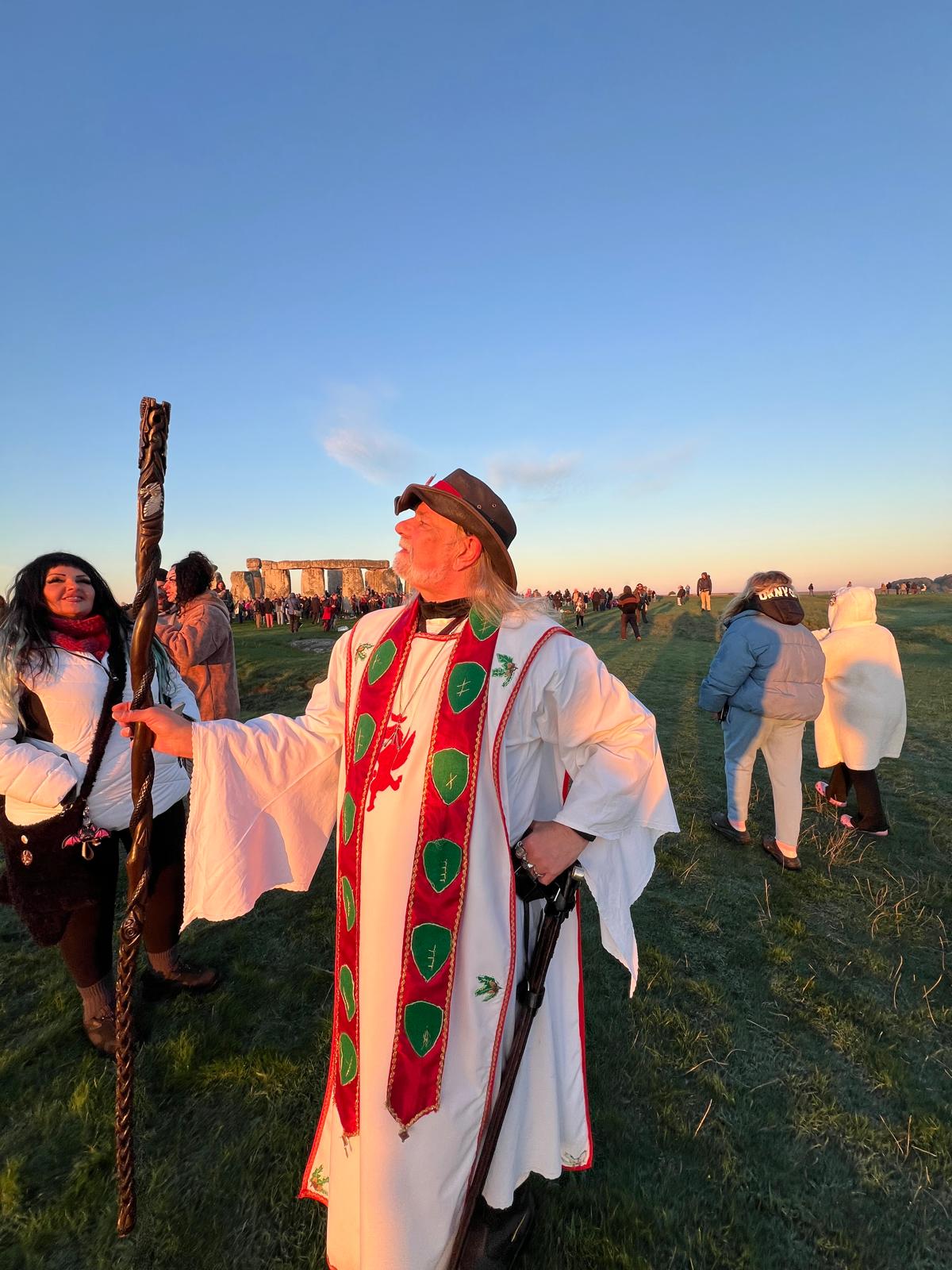
Arthur Pendragon, Stonehenge and the Summer Solstice. The man, the myth the legend!

19 06 2026

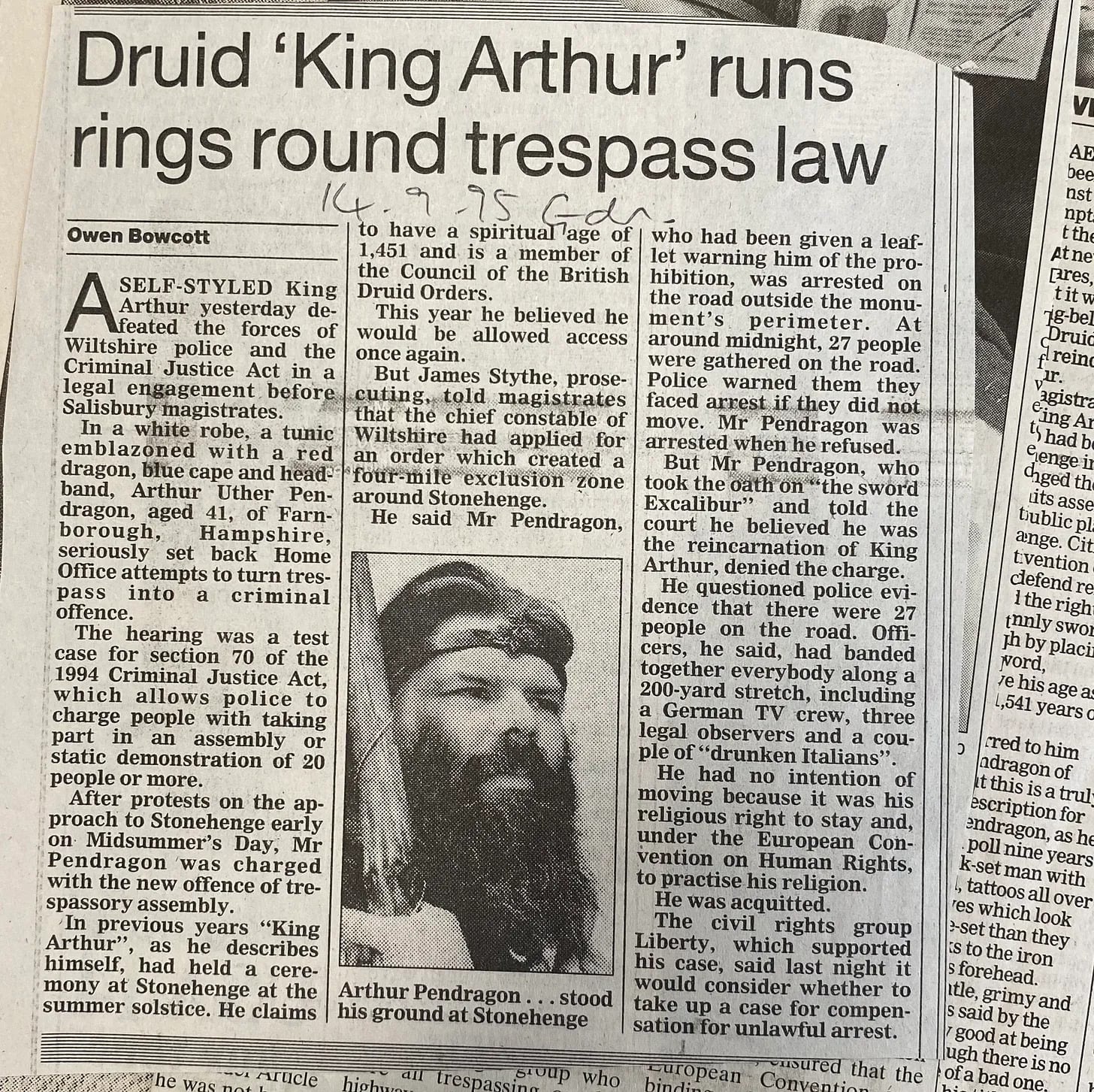
After the government shut down the Stonehenge Free Festival with the infamous and appalling police violence of the Battle of the Beanfield in 1985, an exclusion zone was established around Stonehenge for the Summer Solstice complete with roadblocks, razor wire, helicopters, horses and dogs. Years of conflict between the festival community and the authorities followed.

Arthur was a key figure in the campaign to re-open Stonehenge to celebrants and eventually took the government (with the help of Kier Starmer) to the European Court in 1998, claiming that the exclusion zone breached his freedom of thought, conscience, religion and freedom of expression, in contravention of Articles 9, 10 and 11 of the European Convention on Human Rights. Thanks to his persistence we can all enjoy the solstice celebrations again this year.

COMING SOON The Trials of Arthur – The Biker who would be King

A personal message from Arthur this solstice:

I would like to wish everyone attending, and everyone who is not, a very Happy Solstice,
And whom might I be, well, as the first line from a poem I wrote back in 1987 goes.

“My name is Arthur, I am he, once and future born to be,”

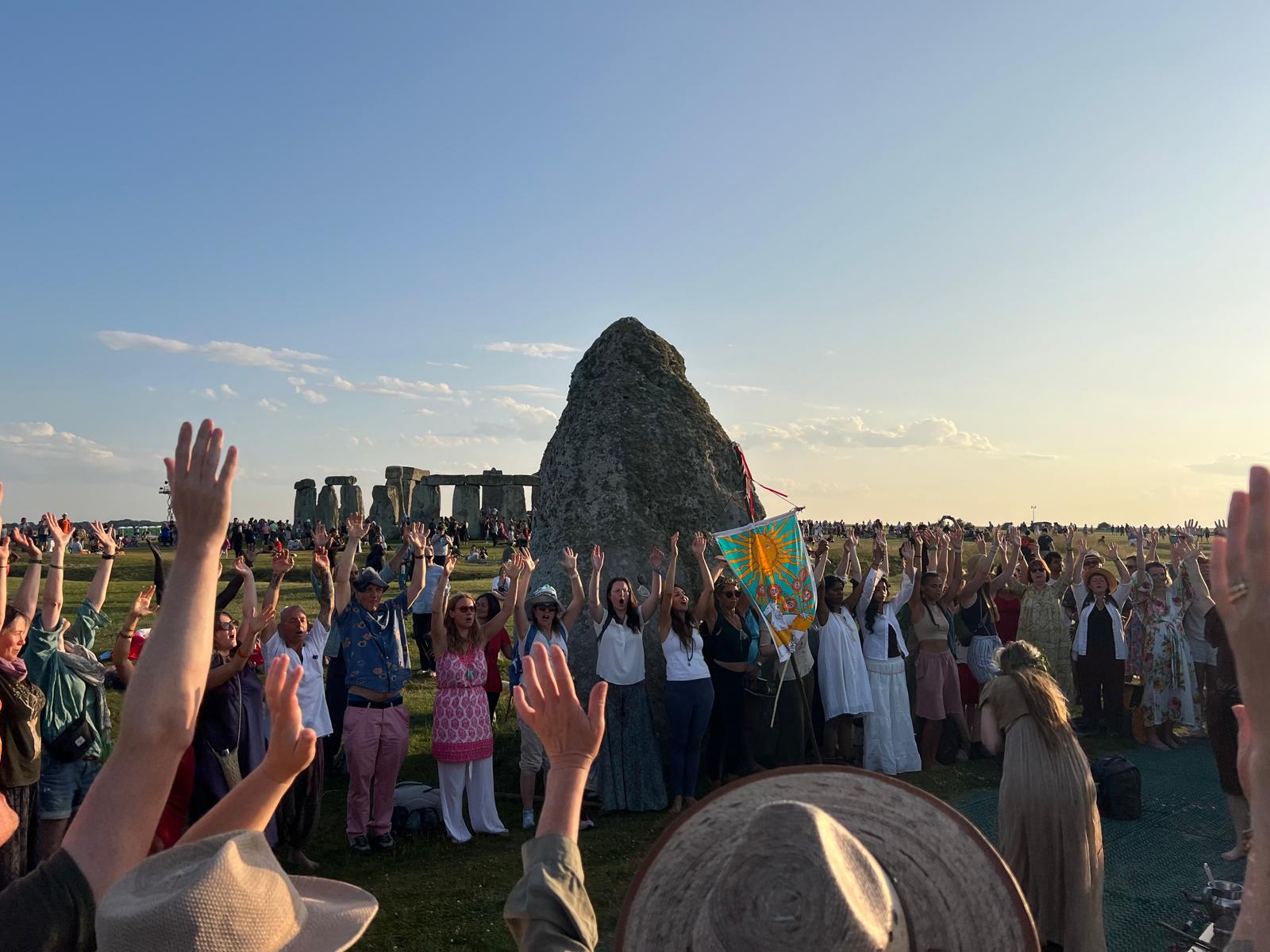
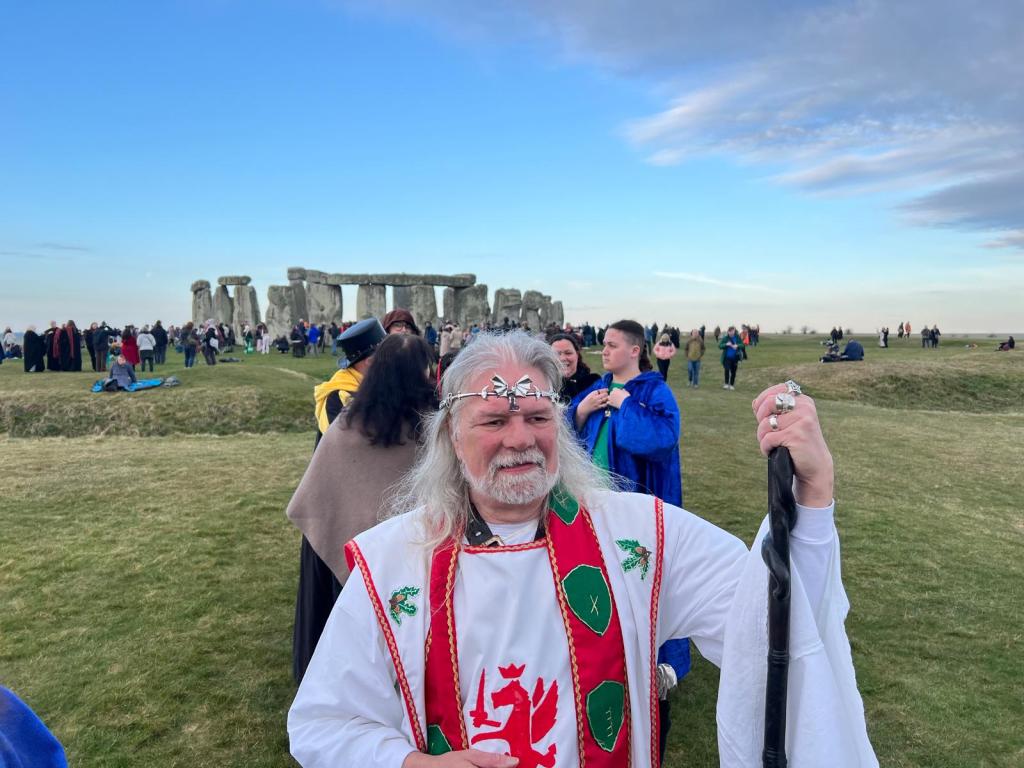
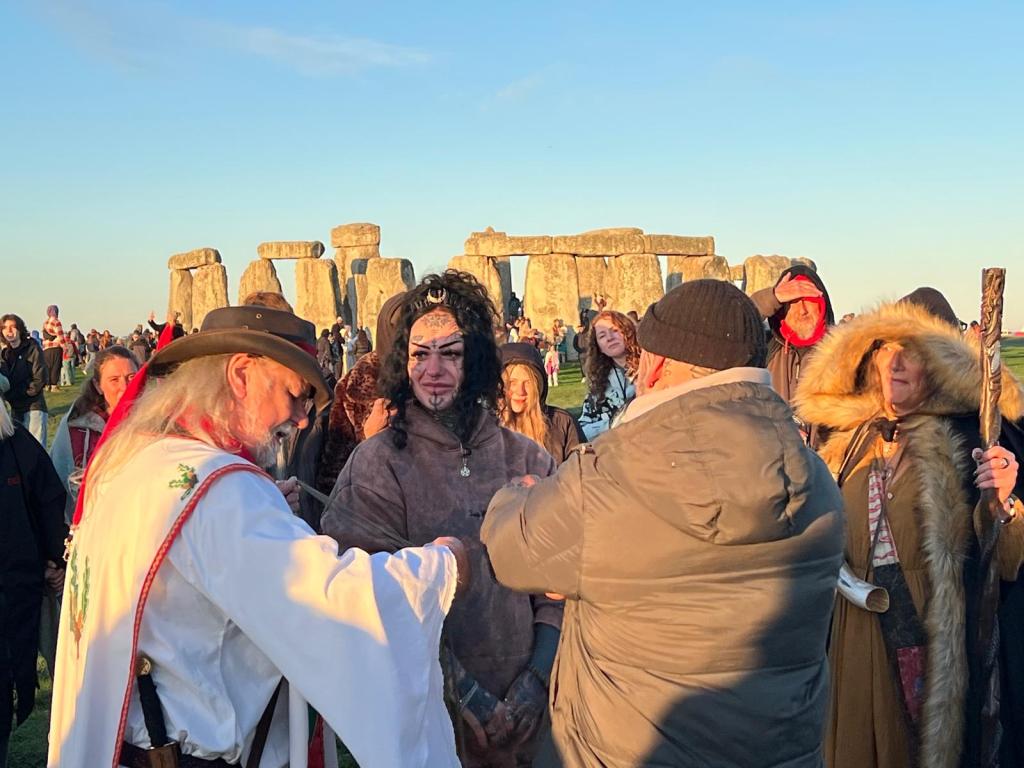
Yes, I am Generally known as King Arthur, a Senior Druid and Pagan Priest, oft’ time Independent Parliamentary candidate for Salisbury, and one of the celebrants at Stonehenge going back to the days of the so called ‘Exclusion zone’ when we were forced to hold our ceremonies on the road side adjacent to the Hele Stone.

I took Her Majesties Government to the court of Human Rights in the late nineties and the young Barrister who assisted me is the current Prime Minister, at least at the time of going to press.

There’s a book coming out, ‘maybe’ on 23rd of next month. It’s the fourth edition of The Trials of Arthur, subtitled the Biker who would be King. It’s a rip roaring read profusely illustrated with around forty, mainly full colour photographs, many of which you will have never seen before. There are also a couple of new articles by both joint-Authors, myself and former Guardian columnist and writer C.J.Stone. That’s not all that’s new in this edition we have included an article written by Kier Starmer, although I am not sure that’s the sort of endorsement that will necessarily be a good selling point.

I have been fighting for Free access at times of Celebration for more than forty years now and have had many adventures and Quests along the way; it’s all in the book. I gave up work and relied on the generosity of others to literally keep this show on the road. I reasoned that, if I was a ‘Good’, Arthur the Goddess would provide and I would not go hungry, if not I would receive no help and I would have made a wrong turn along the way, it was of course a leap of Faith.

Please show your respect to Arthur Pendragon this Summer Solstice. Arthur is self funded and his ‘Iron Horse’ motorbike is at the garage and needs repairs. He needs some help – please make a donation this weekend – we need people like this in our society who make the difference.

RELEVANT LINKS:

Arthur Pendragon, Stonehenge and the Solstice

Arthur Pendragon on FaceBook

Time to Elect a King.

Druid Leader King Arthur Uther Pendragon, Head of the Loyal Arthurian Warband.

The Stonehenge News Blog
Follow us on Twitter and Facebook for all the latest Stonehenge news and stories


2026 Stonehenge Summer Solstice Managed Open Access Arrangements

9 05 2026

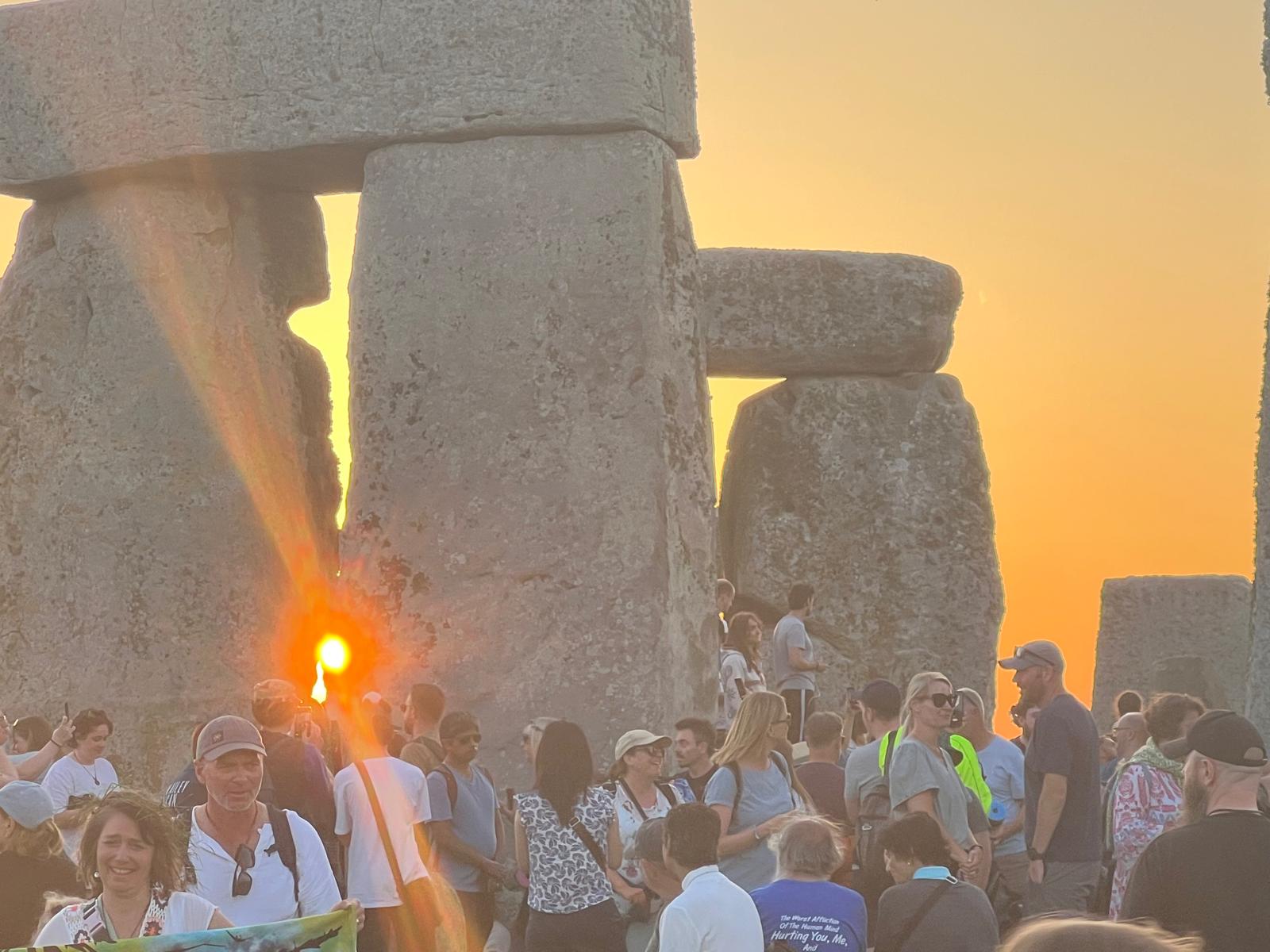
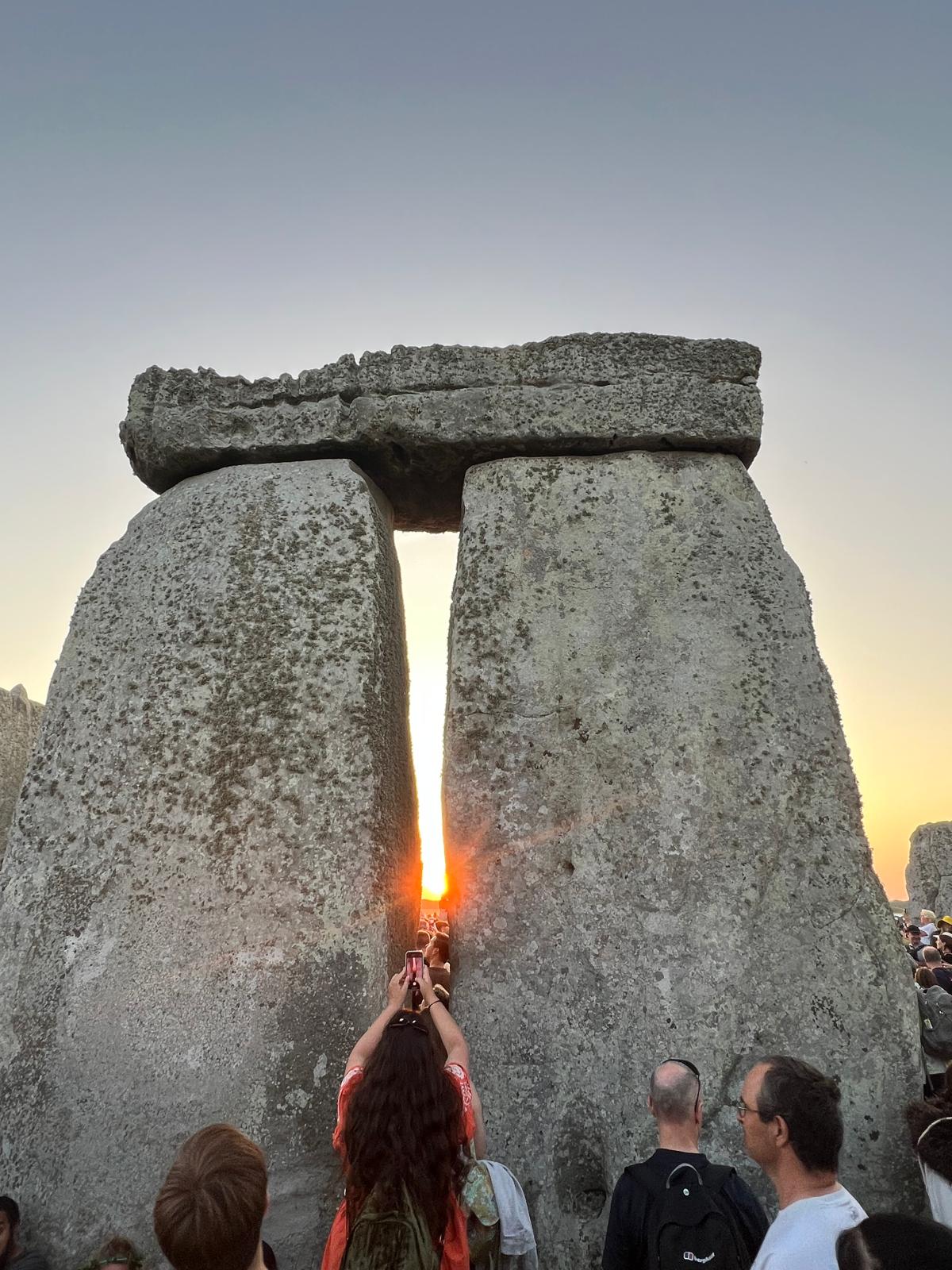
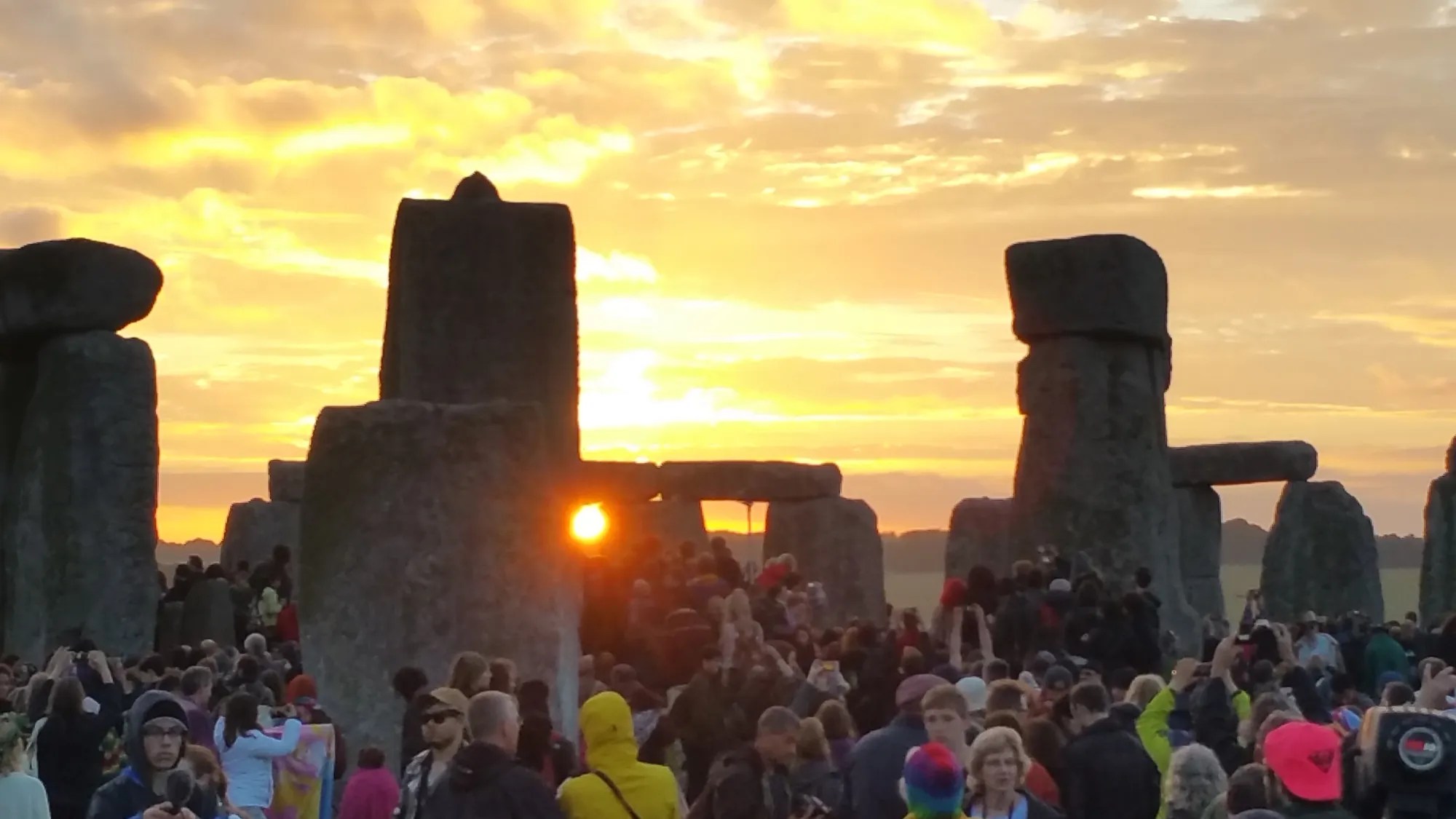
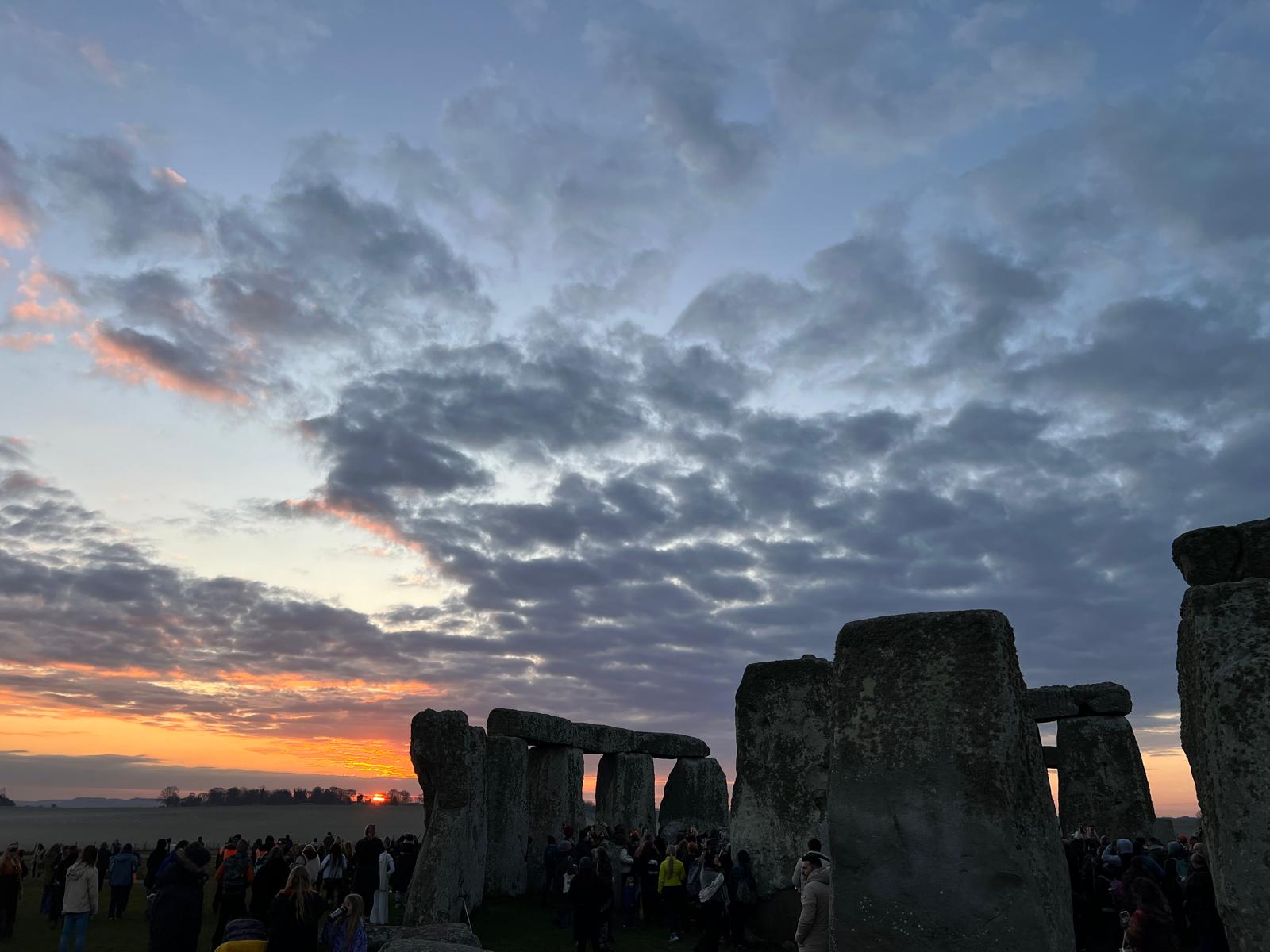
This years Summer solstice will be celebrated from the evening of Saturday 20th June to the morning of Sunday 21st June 2026. Stonehenge was built to align with the sun on the solstices. English Heritage is pleased to provide free access to Stonehenge to celebrate the Summer Solstice.

English Heritage are pleased to provide free Managed Open Access to Stonehenge summer solstice. We ask that if you are planning to join us for this peaceful and special occasion that you read the Conditions of Entry and the information provided below before deciding whether to come.

IMPORTANT NOTICE: Visitors are strongly advised not to travel to Stonehenge by car. English Heritage are operating a pre-booking system for parking at Stonehenge during summer solstice in order to make best use of limited car parking on site and reduce local road congestion. We recommend travel by public transport or car sharing. If you do choose to drive, there are a limited number of parking spaces which you may wish to prebook online. Otherwise, parking will be available on the night until the carpark is full.

Please note that parking opens from 19:00pm on 20th June

There will be road closures in place to divert Summer Solstice attendees into our car parks. Please follow temporary traffic signs as you approach Stonehenge and follow the instructions of staff who will guide you to a parking space.

There will be slow-moving traffic around the area all evening. Please be patient on your journey and do not abandon your car on the side of any of the roads approaching Stonehenge or you may risk it being towed

Please note: English Heritage are operating a pre-booking system for parking at Stonehenge during summer solstice in order to make best use of limited car parking on site and reduce local road congestion. We recommend travel by public transport or car sharing. If you do choose to drive, there are a limited number of parking spaces which you may wish to prebook online. Otherwise, parking will be available on the night until the carpark is full.

We recommend travel by public transport or car sharing. If you do choose to drive, limited parking will be available on the night until the carpark is full.

Parking charges apply. Visit our Travelling to Stonehenge page for more details.

Friday 20 June 2025 
SOLSTICE CAR PARK OPENS19:00 hours
ACCESS TO STONEHENGE MONUMENT FIELD19:00 hours
SUNSET21:26 hours
Saturday 21 June 2025 
SUNRISE04:51 hours
LAST ADMISSION TO SOLSTICE CAR PARK06:00 hours (or when full)
STONEHENGE MONUMENT FIELD CLOSES08:00 hours
SOLSTICE CAR PARK TO BE VACATED12:00 hours (noon)

There is a 25-30 minute walk (approximately 1½ miles or 2km) from the Stonehenge Visitor Centre to Stonehenge. This walk is across National Trust downland which is uneven: sensible footwear and a torch are advisable.

There will be a shuttle bus to the stones operating once the monument field has been opened (see times above).

Stonehenge is a significant World Heritage Site and to many it is sacred – please respect the stones and all those who are attending.

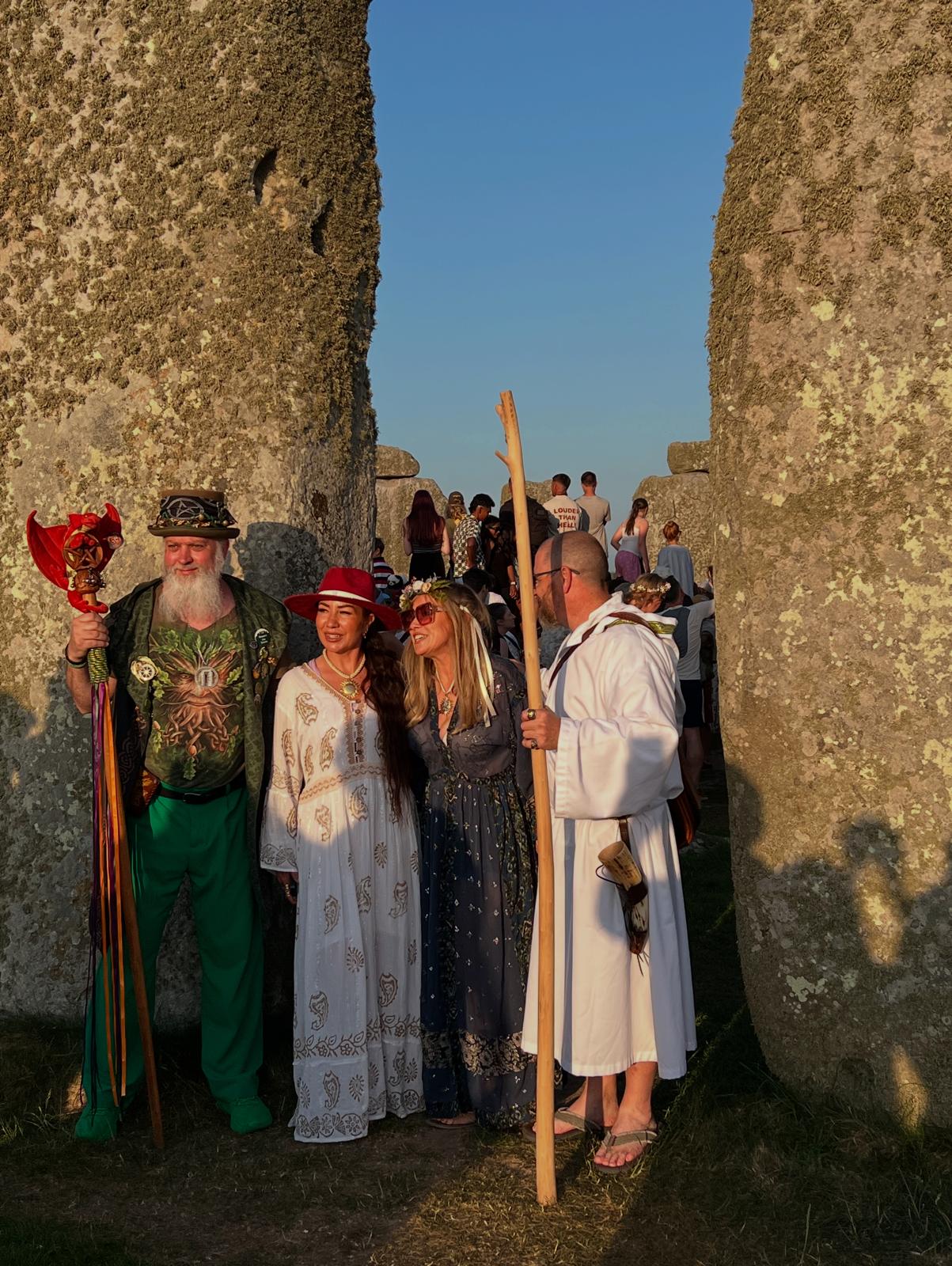
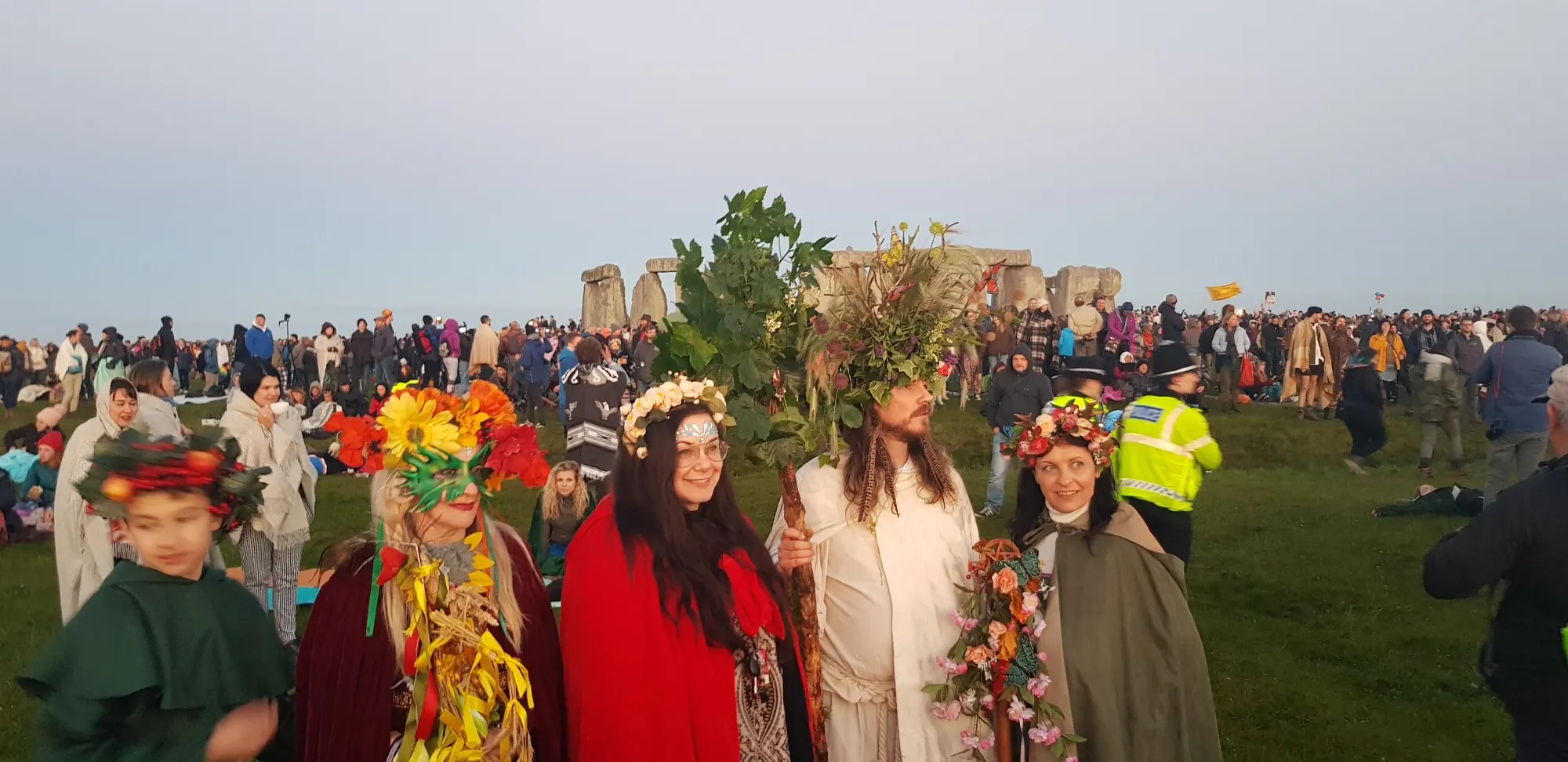
Stonehenge is an ancient prehistoric world heritage site which has been a place of worship and celebration at the time of Summer Solstice for thousands of years. Stonehenge is a world renowned historic Monument and part of a World Heritage Site. It is seen by many who attend as a sacred place. The Stonehenge summer solstice is a popular annual event that sees thousands of people descend on Wiltshire to celebrate the changing seasons. Summer solstice falls on the longest day of the year.

Sunrise and sunset will be live streamed on the official English Heritage YouTube channel. If you plan to attend in person, please read the following page carefully.

Please also follow us on Twitter (X) and the Stonehenge News Facebook page for live feeds throughout the Solstice

What is the summer solstice?

At the summer solstice, the sun travels the longest path through the sky, and therefore that day has the most daylight. The exact moment of the solstice is the time of year that the Earth is closest to the sun.

According to the astronomical definition of the seasons, the summer solstice also marks the beginning of summer, which lasts until the autumnal equinox (22 or 23 September in the Northern Hemisphere, and 20 or 21 March in the Southern Hemisphere). Under the meteorological definition, which splits the year into four seasons of three full months each based on the Gregorian calendar, winter starts on 1 December every year, and summer starts on 1 June.

202Stonehenge Summer Solstice Links:

The summer solstice: When is it and what causes it? SPACE.COM
When is the summer solstice? The first day of summer and meaning behind it – Evening Standard
Druid Leader King Arthur Uther Pendragon, Head of the Loyal Arthurian Warband. STONEHENGE NEWS BLOG
The Stonehenge Tour Company. Stonehenge Guided Rock Tours
Respecting the Stones.  Managed Open Access –STONEHENGE NEWS BLOG
Solstice at Stonehenge. From Past to Present. – STONEHENGE NEWS BLOG
The Stonehenge Solstice Pilgrims – STONEHENGE NEWS BLOG
Stonehenge Solstice Events U.K – Guided Equinox and Solstice Tours
Respecting the Stones.  Managed Open Access –STONEHENGE NEWS BLOG
Summer Solstice at Stonehenge. From Past to Present. Stonehenge New Blog
Why Thousands Of Pagans Gather At Stonehenge For The Solstice Stonehenge News Blog

The Stonehenge News Blog
Follow us on Twitter and Facebook for all the latest Stonehenge News and 2026 Summer Solstice updates
http://www.Stonehenge.News


Stonehenge Spring (Vernal) Equinox Celebrations. Managed Open Access: 20th March 2026

4 03 2026

This year the Spring Equinox will be celebrated on Friday 20th March 2026

English Heritage is pleased to give a short period of managed open access on the 20th March. Sunrise is at 6:11am, and access will commence as soon as it is safe, this is likely to be from approximately 5:45am and will end at 8:30am. The Stonehenge car park will open at 05:15am. All vehicles must vacate the car parks by 11am.

The spring equinox is one of the rare occasions that English Heritage opens up the stones for public access. Equinox open accesses attract fewer people than the Solstices – in the several hundreds rather than tens of thousands – and there are modern Druid ceremonies which are held in the circle around dawn.

Spring equinox 2026

This is the first of the four ‘sky points’ in our Wheel of the Year and it is when the sun does a perfect balancing act in the heavens. This is the point of the year when once again day and night are equal – 12 hours. The equinox, (the Latin word for Equinox means time of equal days and nights) is only the very moment the sun crosses the equator.

WHY CAN PAGANS AND DRUIDS GET SO CLOSE TO THE STONES FOR THE EQUINOX?

The famous Stonehenge circle is normally roped off to the public, but special access is granted four times a year. This is only on the mornings of the summer solstice, winter solstice, spring equinox and autumn equinox. English Heritage has ‘managed open access’, meaning the public can stand among the stones on these days. Anyone can turn up on the day to get close to the stones, but people are asked not to touch or climb on them. Organisers also have a ban on bringing glass bottles or pets onto the site and on playing amplified music. Stonehenge is expected to open at 5.45am when it was deemed light enough to safely allow people into the field and visitors must leave by 8.30am. English Heritage open to the paying public as normal at 9.30am.

Public access to Stonehenge currently takes place on four of the so-called ‘quarter festivals’. What exactly are the quarter festivals? And why are these occasions so celebrated by the Druids? The Quarter Festivals and the Druids

You can find out more about attending Solstice and Equinox by clicking on the links below.

Travelling to Stonehenge

What (and what not) to bring

Respect the stones

Safety, facilities and welfare

Accessibility

Accommodation

Related Equinox Links:
What is the vernal equinox? Why does it mark the first day of spring? – Express
Summer Solstice at Stonehenge. From Past to Present – Stonehenge News Blog
Stonehenge Spring Equinox Tours and Transport – Stonehenge Guided Tours
Solstice at Stonehenge – English Heritage
The Stonehenge Pilgrims – Stonehenge News Blog
Live Stonehenge Spring Equinox Stream – #FollowTheDruid
What Exactly Is the Spring Equinox? – Country Living
Stonehenge Equinox / Solstice Guided Tours – Solstice Events UK
Visiting Stonehenge this year for the Spring Equinox Celebrations? RESPECT THE STONES

The Stonehenge News Blog
Follow us on Twitter and Facebook for all the latest Stonehenge News and Equinox updates.
http://www.Stonehenge.News


The grains of sand that unravel the Stonehenge enigma after 5,000 years: Researchers have discovered new evidence indicating that the stones were relocated by humans rather than by glaciers.

23 01 2026

The 5,000-year-old enigma of Stonehenge might have been resolved at last – aided by a handful of minuscule sand grains. Although the majority of researchers contend that the enormous stones of Stonehenge were transported from Wales and Scotland, an alternative theory suggests that the builders received assistance. As per the glacial transport theory, the ice that once enveloped ancient Britain conveniently moved the stones to the Salisbury Plain.

A handful of minuscule grains of sand might have ultimately unraveled one of the most persistent enigmas surrounding Stonehenge, as researchers discover proof that the stones were moved by humans rather than by glaciers

Nevertheless, researchers have now discovered substantial evidence indicating that the megaliths were likely transported by humans. Employing advanced mineral fingerprinting methods, geologists from Curtin University demonstrated that no glacial debris ever reached the Salisbury Plain. Had the rocks been transported by ice, they would have left a breadcrumb trail of millions of microscopic mineral grains. However, upon examining the sand in Wiltshire, the researchers found that none had been relocated there during the last ice age, which occurred between 20,000 and 26,000 years ago. Lead author Dr. Anthony Clarke informed the Daily Mail: ‘Our results render glacial transport improbable and support the prevailing theories that the megaliths were transported from remote locations by Neolithic individuals utilizing techniques such as sledges, rollers, and waterways.’

While the large standing stones, known as sarsens, originate from an area merely 15 miles (24 km) north of the stone circle, the smaller bluestones and the unique altar stone are not sourced locally. Geologists have traced the two to five-tonne bluestones back to the Preseli Hills in Wales, whereas the six-tonne altar stone has been identified as coming from a site at least 460 miles (750 km) away in northern Scotland. This indicates that Neolithic individuals would have had to transport specifically chosen stones over extensive distances using only stone and wooden tools. For some researchers, this notion appears so improbable that the glacial transport theory presents itself as a more plausible alternative. If ice did indeed cover the Salisbury Plain at some point in the distant past, it would have left behind evidence that should be observable today. Many of these significant traces, such as scratches on the bedrock or sculpted landforms, are either absent or inconclusive in the vicinity of Stonehenge. However, the ice would have also left a microscopic trace that scientists should be capable of detecting.

The large standing stones, referred to as sarsens, are sourced from an area located merely 15 miles (24 km) to the north of the stone circle, while the smaller bluestones and the distinctive altar stone are not obtained locally. Geologists have traced the bluestones, which weigh between two to five tonnes, back to the Preseli Hills in Wales, whereas the six-tonne altar stone has been determined to originate from a location at least 460 miles (750 km) away in northern Scotland. This suggests that Neolithic people would have needed to transport specifically selected stones over considerable distances using only stone and wooden tools. For some researchers, this idea seems so unlikely that the glacial transport theory emerges as a more credible alternative. If ice did indeed cover the Salisbury Plain at some point in the distant past, it would have left behind evidence that should be detectable today. Many of these important traces, such as scratches on the bedrock or sculpted landforms, are either missing or inconclusive in the area surrounding Stonehenge. Nevertheless, the ice would have also left a microscopic trace that scientists should be able to identify.

The large standing stones, known as sarsens, are obtained from a region situated just 15 miles (24 km) north of the stone circle, while the smaller bluestones and the unique altar stone are sourced from locations that are not local. Geologists have traced the origins of the bluestones, which weigh between two to five tonnes, back to the Preseli Hills in Wales, while the six-tonne altar stone has been identified as coming from a site at least 460 miles (750 km) away in northern Scotland. This indicates that Neolithic individuals would have had to transport carefully chosen stones over significant distances using only stone and wooden tools. For some researchers, this notion appears so improbable that the glacial transport theory presents itself as a more plausible alternative. If ice did indeed cover the Salisbury Plain at some point in the remote past, it would have left behind evidence that should be detectable in the present day. Many of these significant traces, such as scratches on the bedrock or sculpted landforms, are either absent or inconclusive in the vicinity of Stonehenge. However, the ice would have also left a microscopic trace that scientists should be capable of identifying.

This provides ‘robust, verifiable evidence’ that the massive stones were indeed transported manually to the Salisbury Plain. This could imply that we need to acknowledge more the creativity and resolve of our ancient forebears. Professor Kirkland states: ‘One could suggest a coastal transport by boat for the longer distances, followed by overland transportation utilizing sledges, rollers, prepared pathways, and organized labor, particularly for the largest stones. ‘Contemplating this supports the notion of a sophisticated interconnected society during the Neolithic period.’

Relevant Links
Grains of sand prove people – not glaciers – transported Stonehenge rocks – THE CONSERVATION~
The grains of sand that solve Stonehenge mystery after 5,000 years: Scientists uncover new evidence the stones were moved by humans – and not glaciers – DAILY MAIL
Want to visit Stonehenge with an expert tour guide and hear all about the latest discoveries? THE STONEHENGE TOUR COMPANY
Visit the inner circle of Stonehenge and walk amongst the Stones and dawn or dusk – STONEHENGE GUIDED TOURS

The Stonehenge News Blog

Follow us on Twitter and Facebook for all the latest Stonehenge News
http://www.Stonehenge.News



The English Heritage Stonehenge experience as an independent visitor:

5 01 2026

For people across the world- Stonehenge is a must see location, it’s majesty as well as it’s mystery has made it a mainstay on everyone’s bucket list. Stonehenge receives over one million visitors a year and is the busiest U.K attraction outside of London. During peak periods, there are over 10,000 visitors a day with queues stretching up to 100 meters from the ticket office to the car park. Here is an independent visitor experience.

I’m sure that if you’re planning a trip to Stonehenge you already have an idea of how special the monument is. Stonehenge is full of mystery; its construction and very existence are still open to interpretation even in our technologically advanced world. Stonehenge boasts an amazing and unique design. Many believe that the stones possess healing powers. All this is true and visiting Stonehenge is almost an ethereal experience, perhaps because of the mysteries surrounding it. I want you to get the most out of your visit so here are a few of my top tips – enjoy!

There are shuttle buses from local towns such as Salisbury that offer direct pick up / drop off services to Stonehenge. Remember to check their timetables and give yourself plenty of time to get back to the bus stop. Once the last one has gone there is no service until the next day and although the security guards are very friendly and informative they will not let you stay overnight to sleep by the trilithons, under the stars!

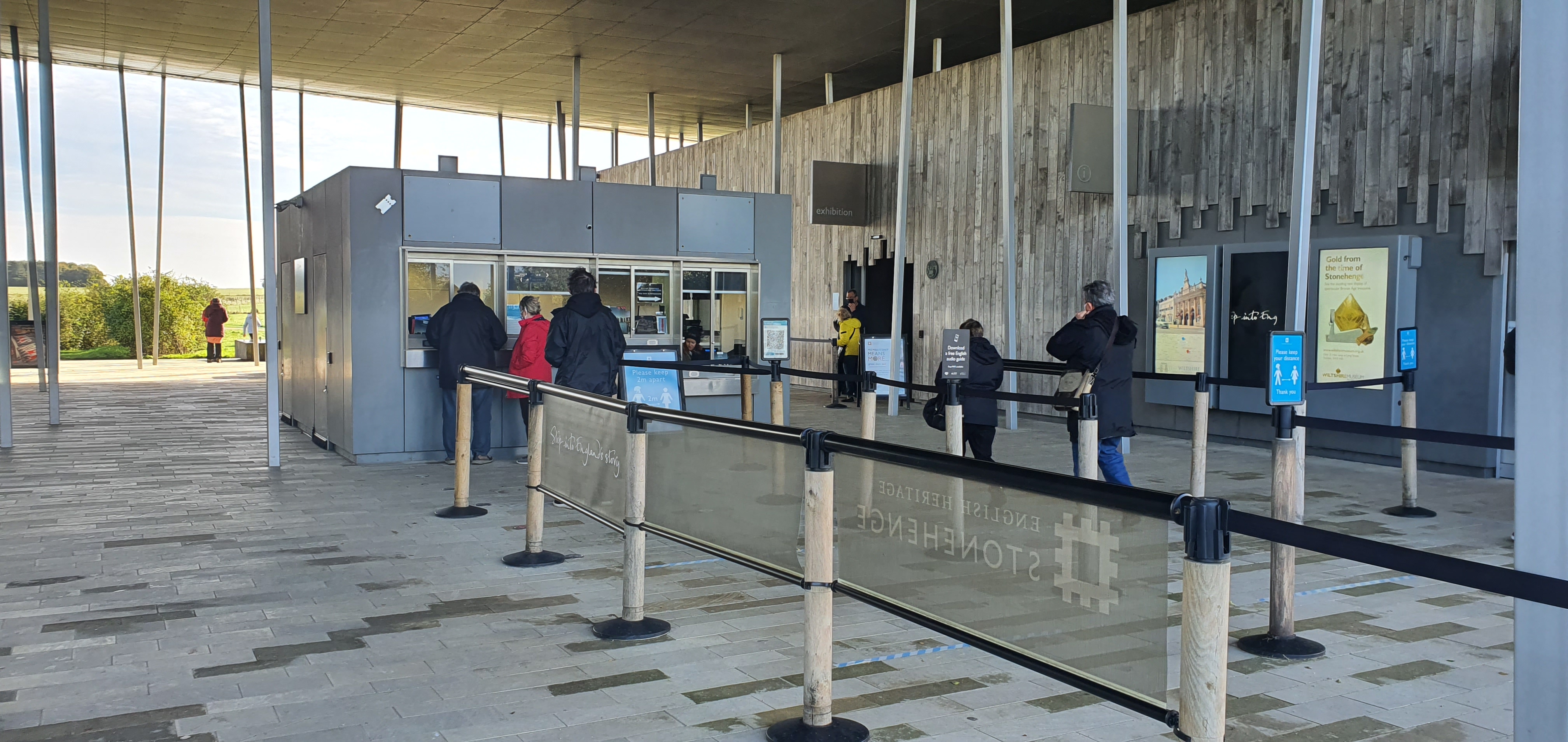
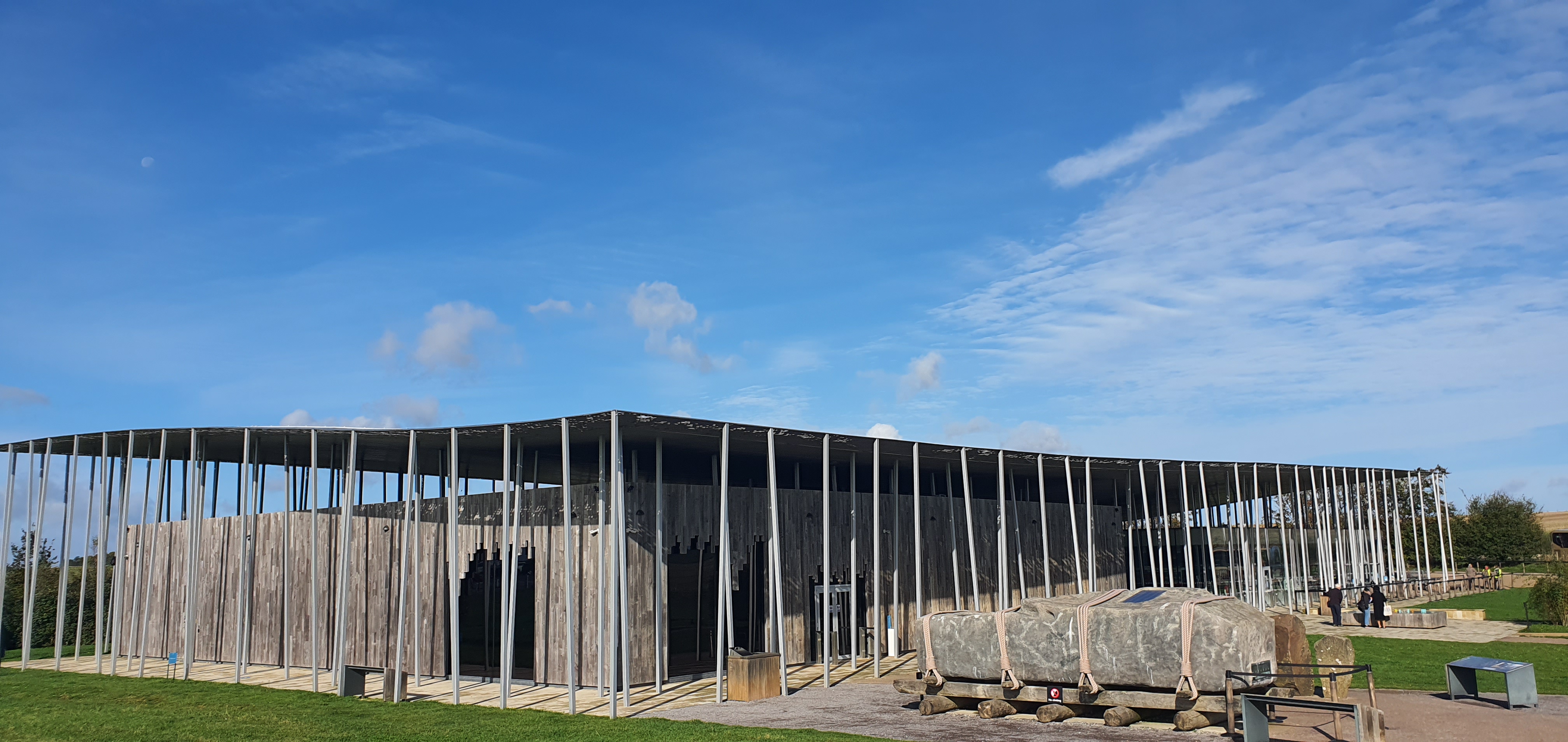
When you arrive as an independent traveler the first thing you’ll notice is the visitor centre. It was moved away from the monument itself several years ago giving a far better experience than previously.

Timed Stonehenge tickets must be brought in advance and visitor numbers are limited. You must present your booking confirmation on arrival. You can book direct with English Heritage or search for discount tickets.
Tickets cost £30 per adult

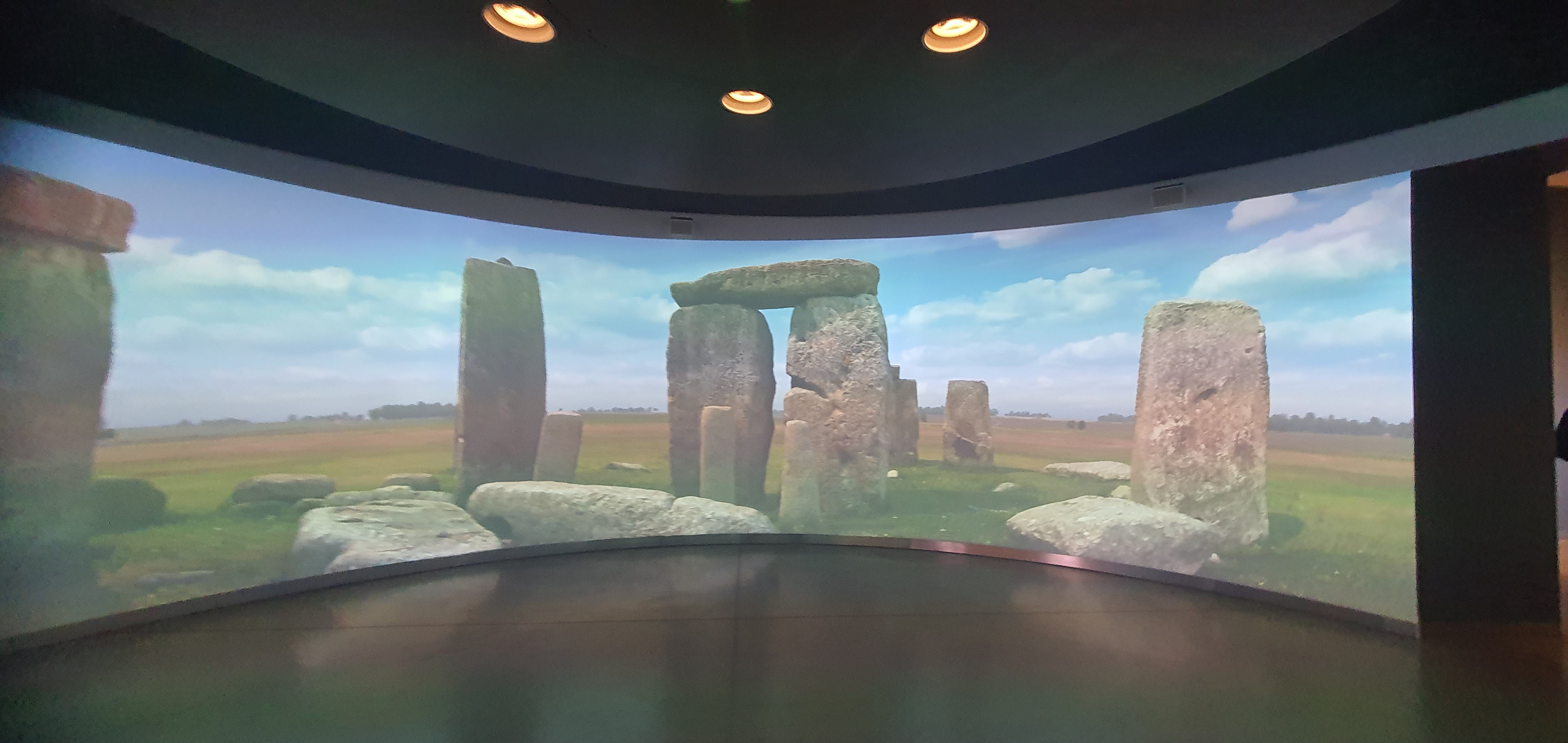
Although it’s very tempting to show your ticket confirmation and rush straight to the stones, take the time to go to the visitor centre and exhibition space first. Take in the atmosphere of the World Heritage Site, allow yourself to step into the landscape of when the Henge was constructed 4,500 years ago.

I’d highly recommend you use English Heritage’s complementary wifi to download the free multi-language audio guide. Covering the exhibition and the monument itself, it’s a fantastic way to learn about the local landscape and the most famous prehistoric monument in the world!

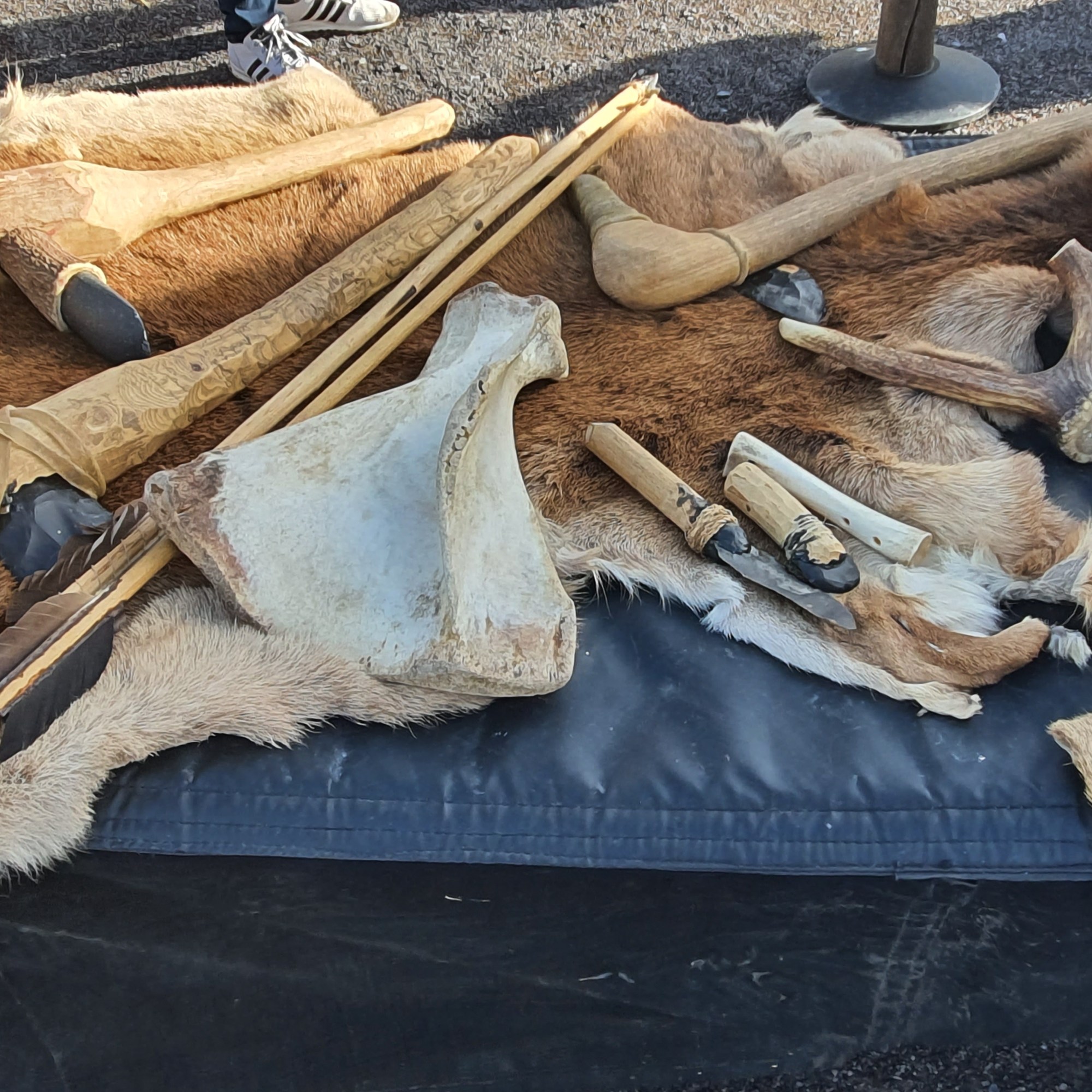
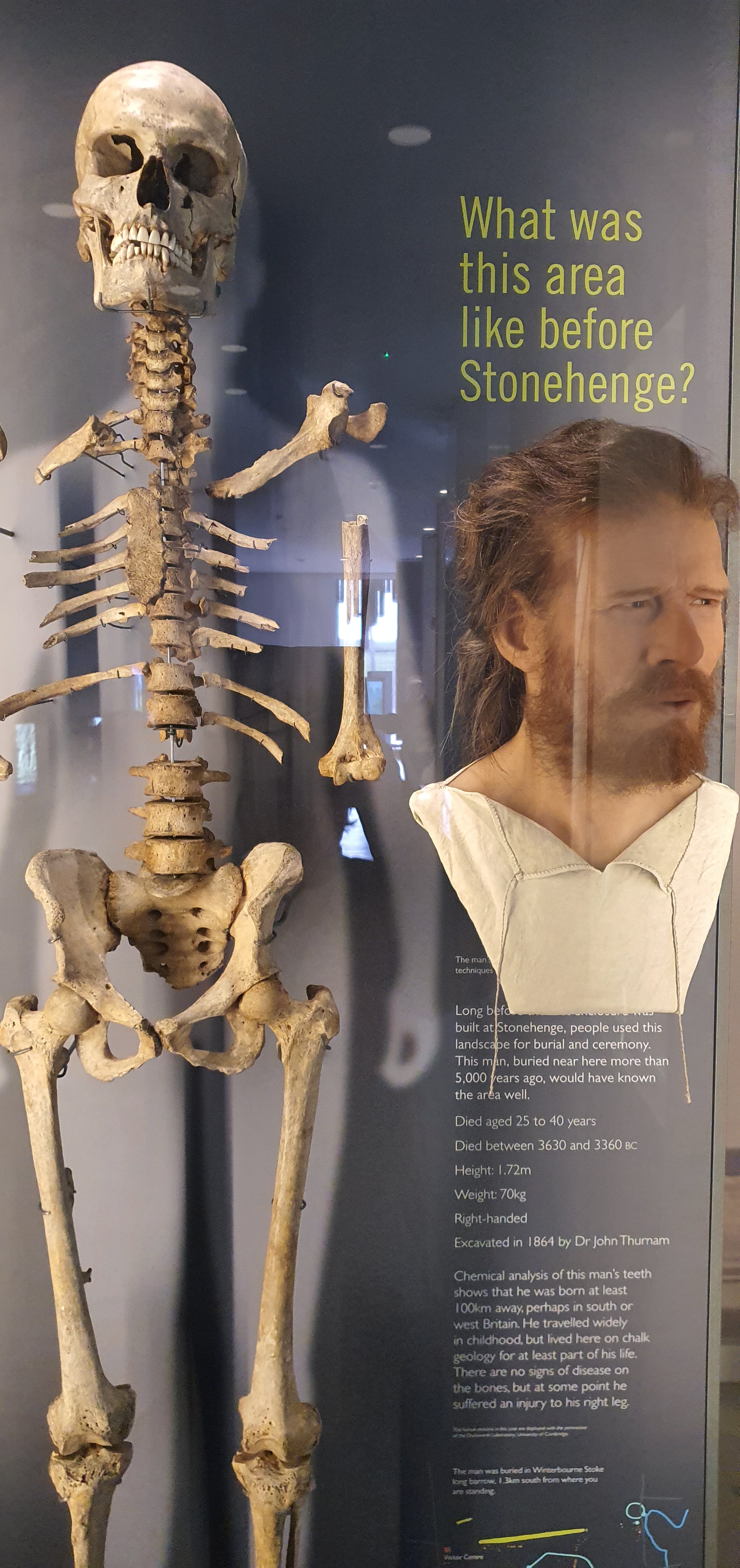
In the exhibition you’ll discover more than 250 significant archaeological artefacts showing how local Neolithic people lived, worked and played around the monument. You’ll see hand tools including antler picks, jewellery, Grooved Ware pottery, Arrowheads, Battle Axes, as well as ancient human remains. One of my favourite exhibits uses advanced technology to reconstruct a man’s face from a skull discovered locally. It really helped me connect with the people who erected the monument.

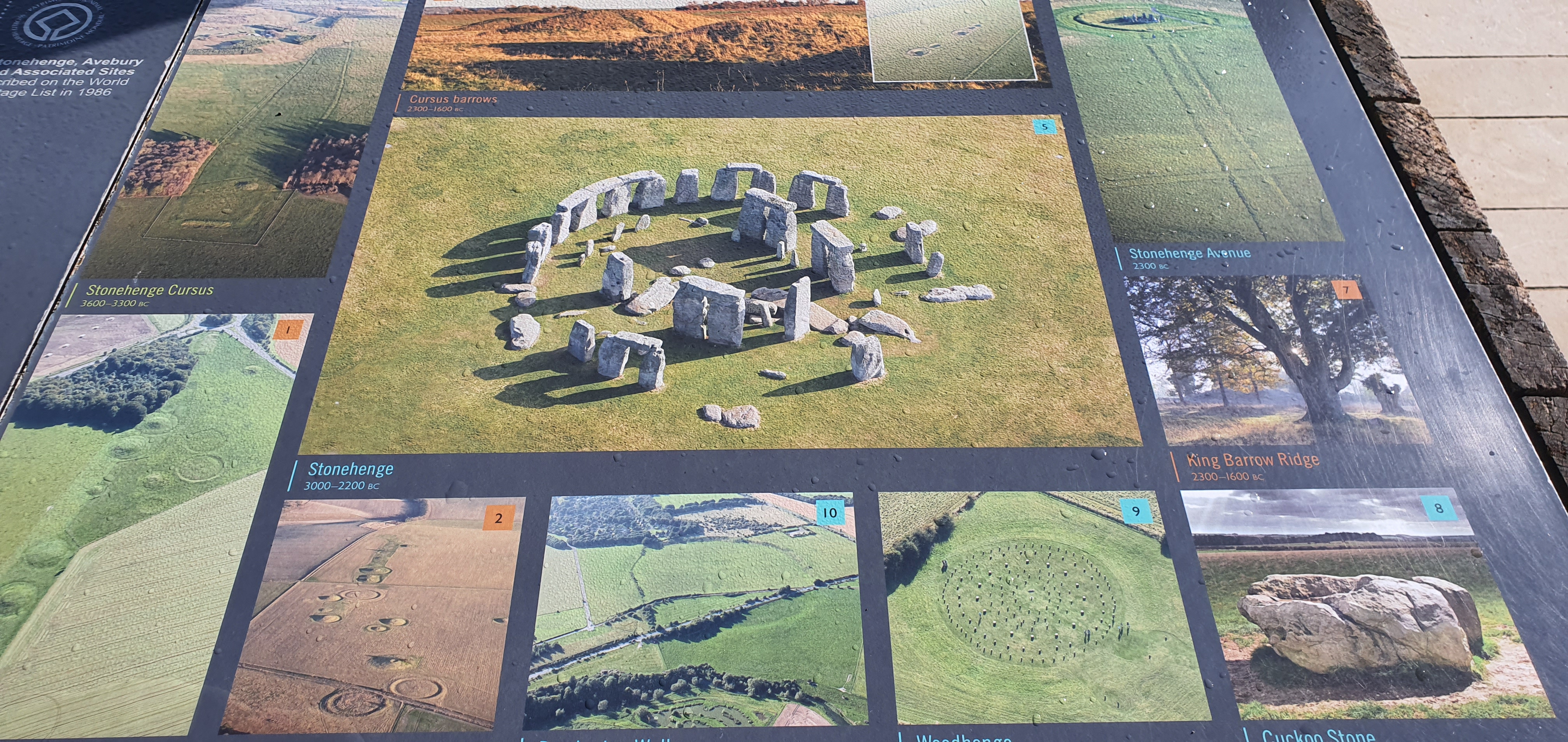
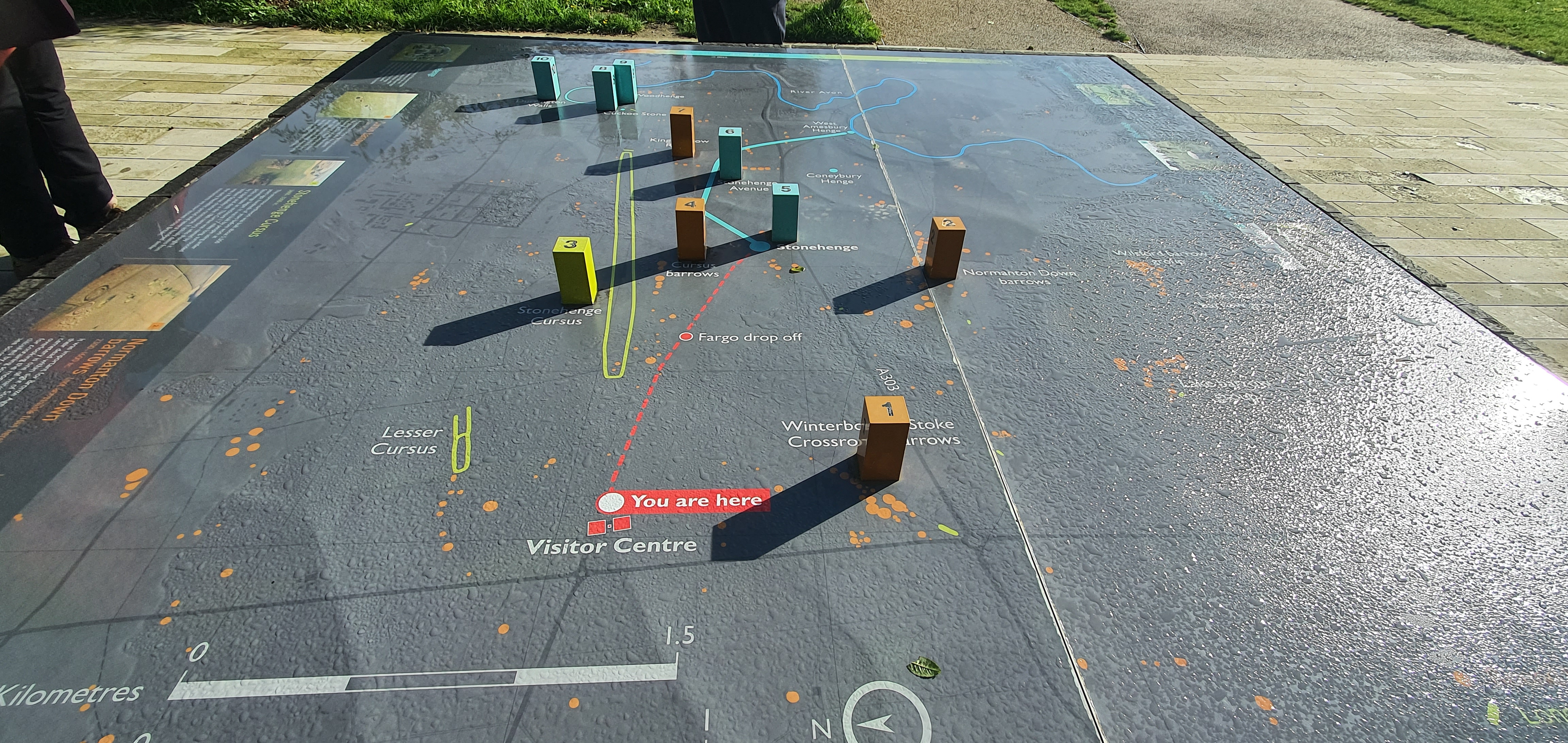
Once you leave the exhibition, you’ll find a large scale map of the UNESCO World Heritage Site local landscape including Durrington Walls, Woodhenge and Avebury as well as Stonehenge. It shows how Stonehenge is best considered in its ancient landscape and not in isolation as we often think of it today.

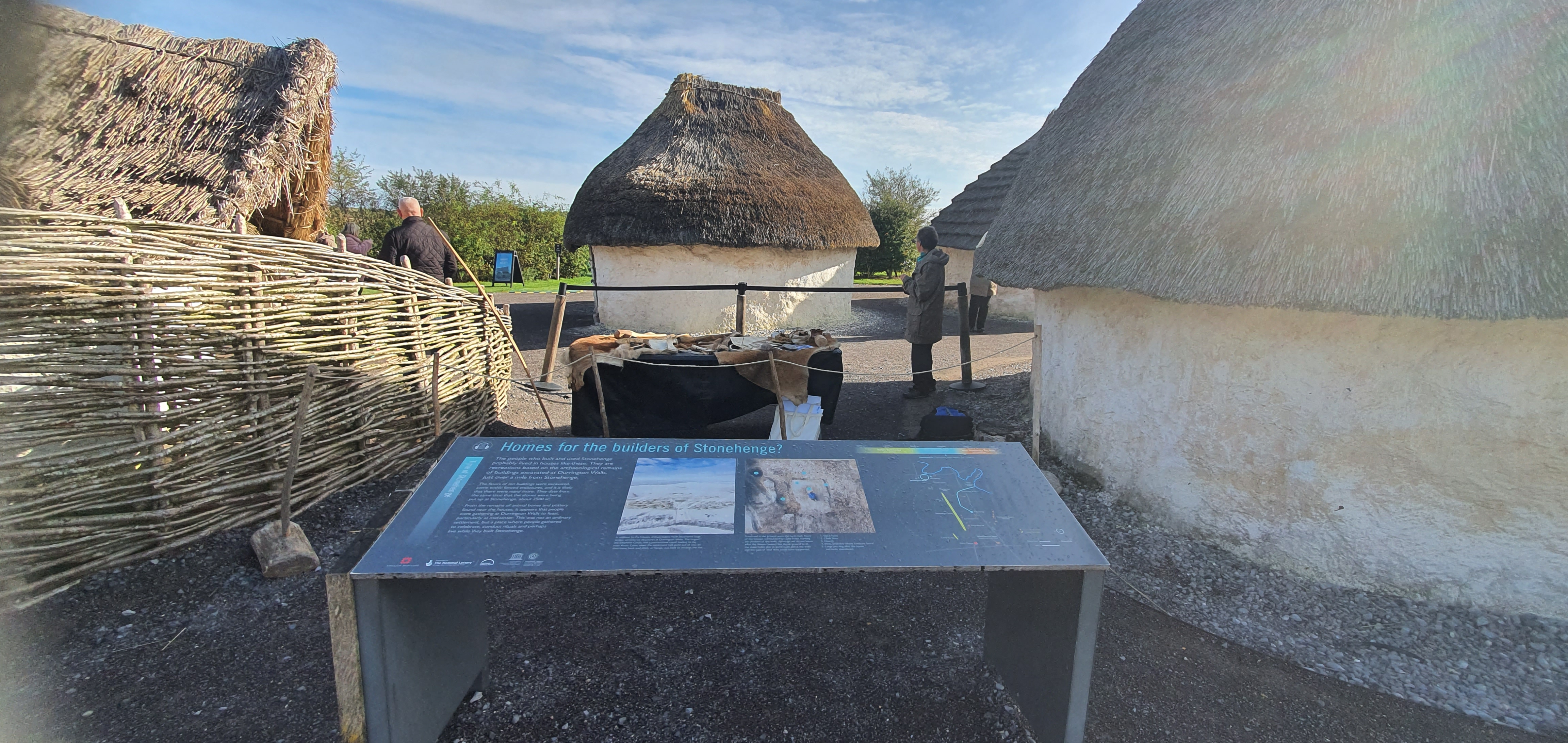
Half a dozen Neolithic houses have been lovingly recreated just outside the visitor and exhibition centre. They are very closely based on archaeological evidence from 100 plus houses in a huge ceremonial earthworks enclosure discovered in 2006/7 about a mile away at Durrington Walls. They dated from about the same time as the erection of the large Sarsen stones at Stonehenge. The houses are constructed with local hazel wood weaved around supporting stakes, with thatched straw roofs and walls of chalk daub. They give a fascinating clue to where the builders of Stonehenge lived during its construction.

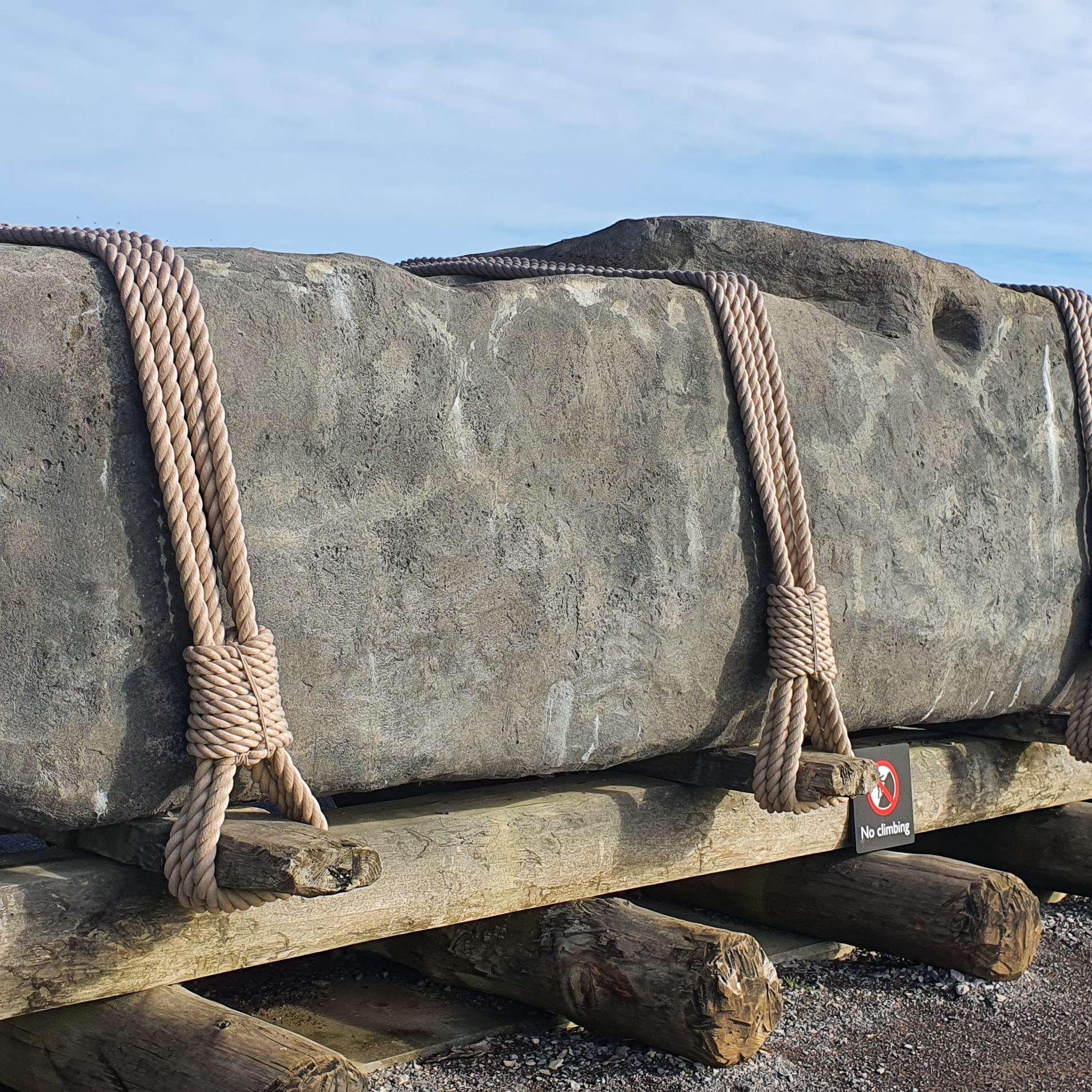
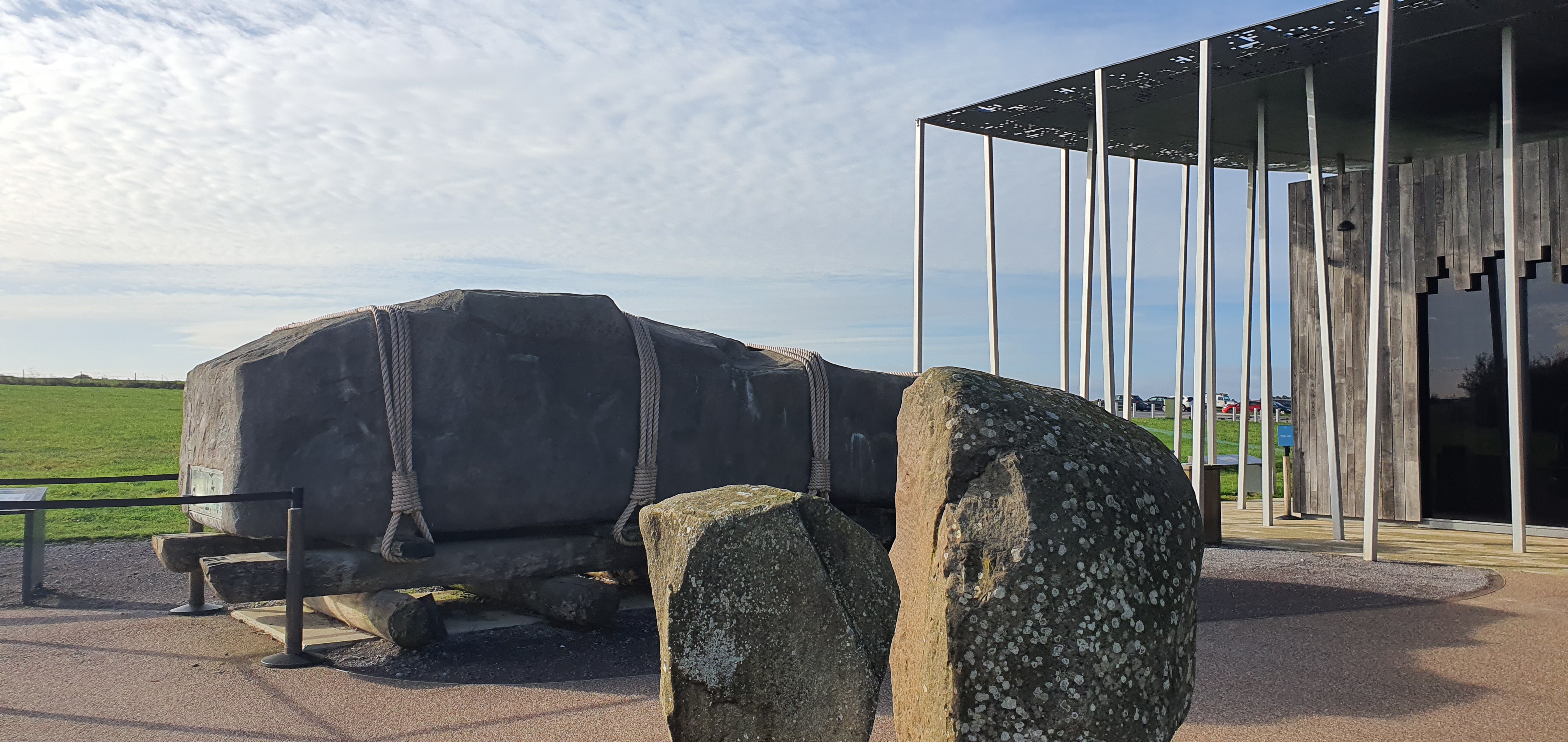
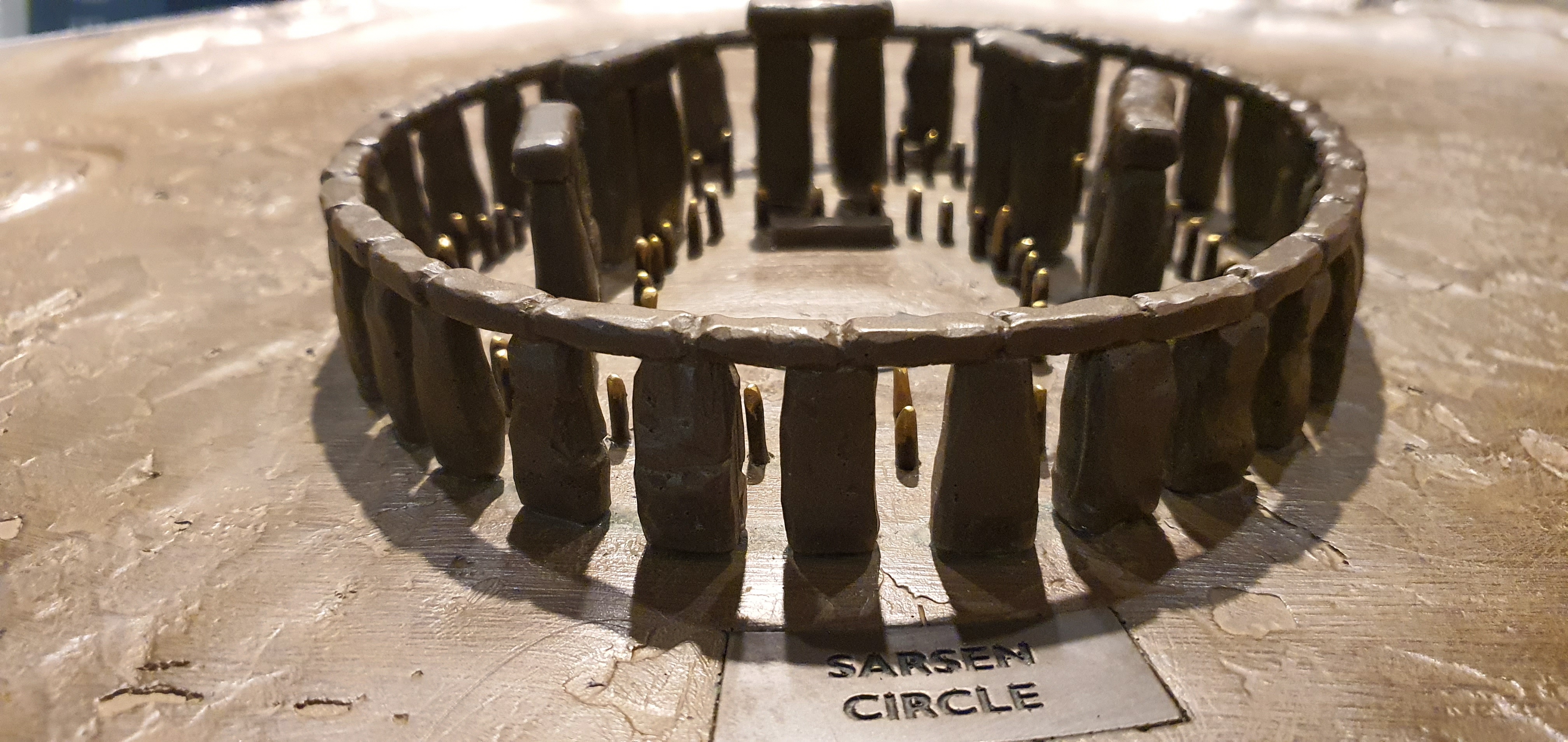
There are two Touching Stones, one of the same material as the Blue Stones and the other of the Sarsens. Feel how they radiate heat from the sun differently, remembering you cannot touch the stones of the monument itself. Right by the touching stones is the ‘Pull A Sarsen’ experience, you can have a go at trying to move a real scale Sarsen that shows how many people it takes to move it if they all pulled as hard as you!

The most important thing to remember before you head up to the stones themselves is to use the public facilities as there is no toilet / washroom up at the monument!

The stones are just over a mile away from the visitor centre and there are two ways to get there. The quickest is the complimentary shuttle bus which runs every ten minutes and takes five minutes. The best way, if you are up for it, is to arrive at Stonehenge on foot, through the landscape. You get to experience the unchanged landscape just as our Neolithic ancestors did.

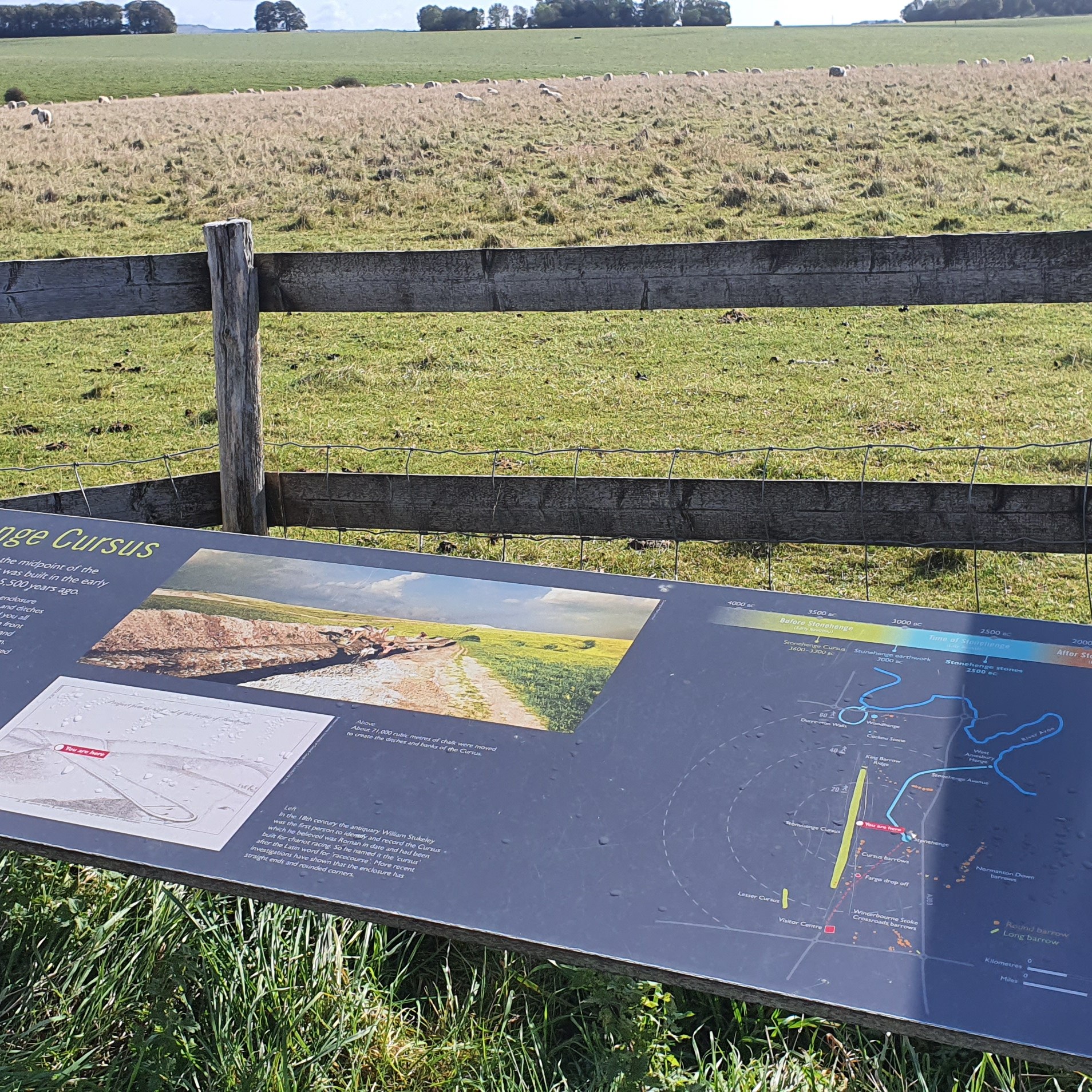
I can walk up to the stones in 15-20 minutes walking at my usual pace so give yourself a leisurely half hour. Fargo Wood marks a halfway point to the stones and is a great place to get close up to one of the many burial mounds. You can’t miss them – they look like big overturned dessert bowls covered in grass and are not giant mole hills! As you walk up to the stones, use the audio guide to for information about The Long Barrow, The Avenue and Cursus.

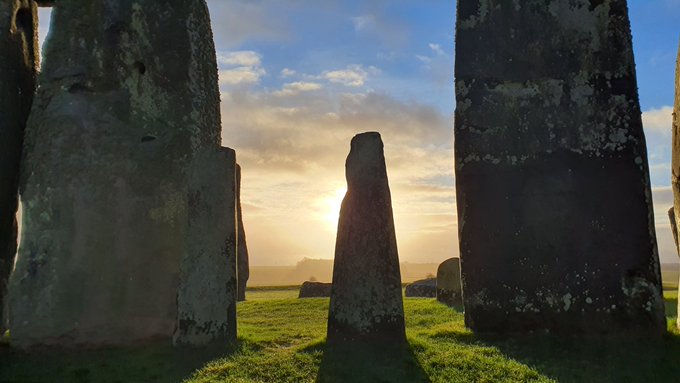
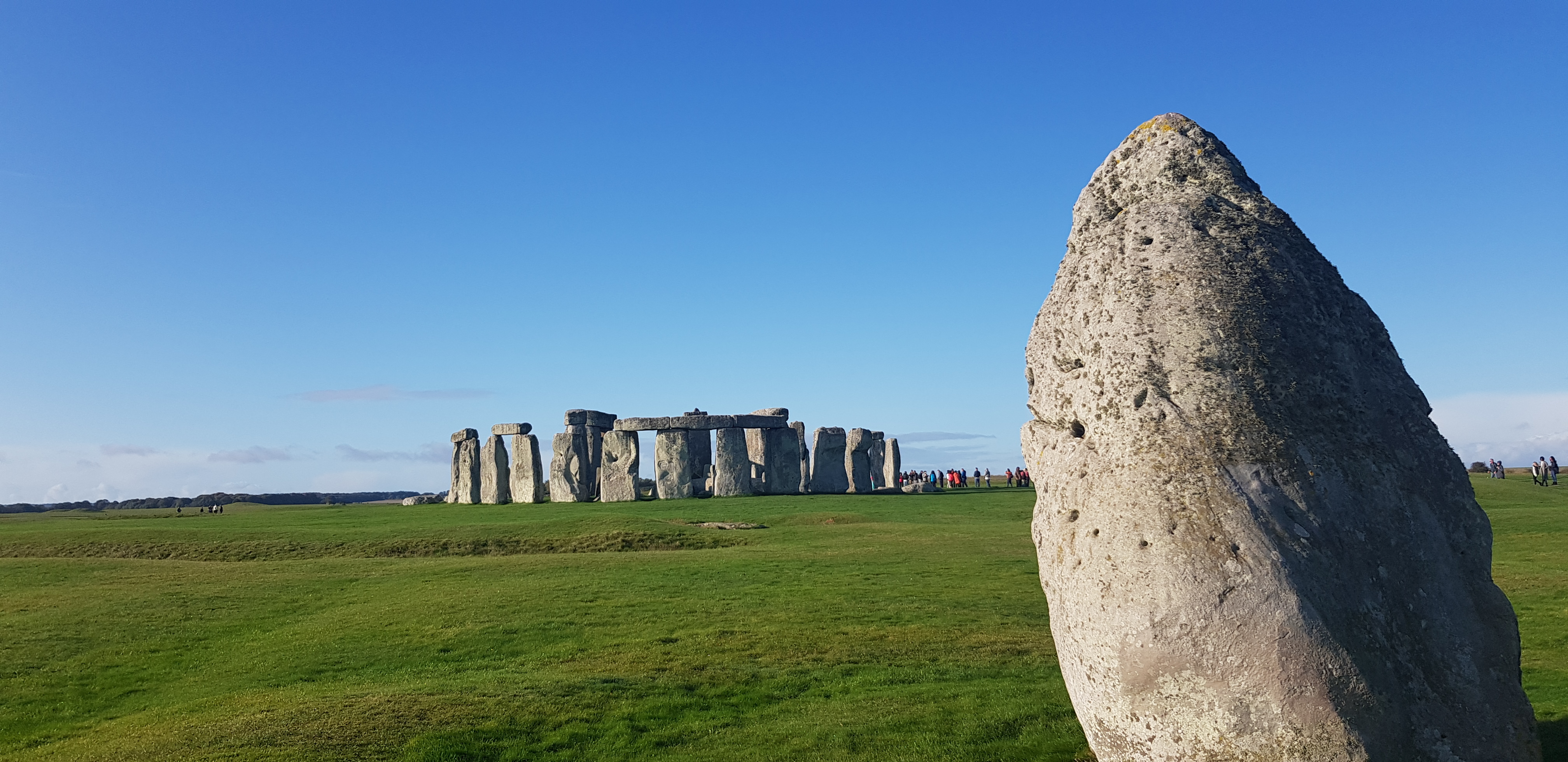
Once at the monument itself I recommend you walk in a clockwise direction, towards the Heel Stone (which marks the place on the horizon where the summer solstice sunrise appears when viewed from the centre of the stone circle) and The Avenue, connecting the River Avon with Stonehenge. Here you’ll get a great opportunity to take photos of the best views of the monument – the Heel Stone and section of outer ring of Sarsen stones that are still capped with their lintels. Once you have that Iconic shot remember to take it all in, enjoy your time by the stones! There is a rope barrier around the monument that takes you away from the site to get a good feel of the Henge (earth works) that the stones are set inside, before it allows you to the closest point of your visit for some great up close photos. If the stones are wet you may be able to see some of the carved graffiti – see if you can spot where Sir Christopher Wren (architect of St. Paul’s Cathedral) carved his name twice on the stones!

Now you can choose to walk back to the visitor centre through the landscape you will now be so aware of or get the shuttle bus if your feet are tired.

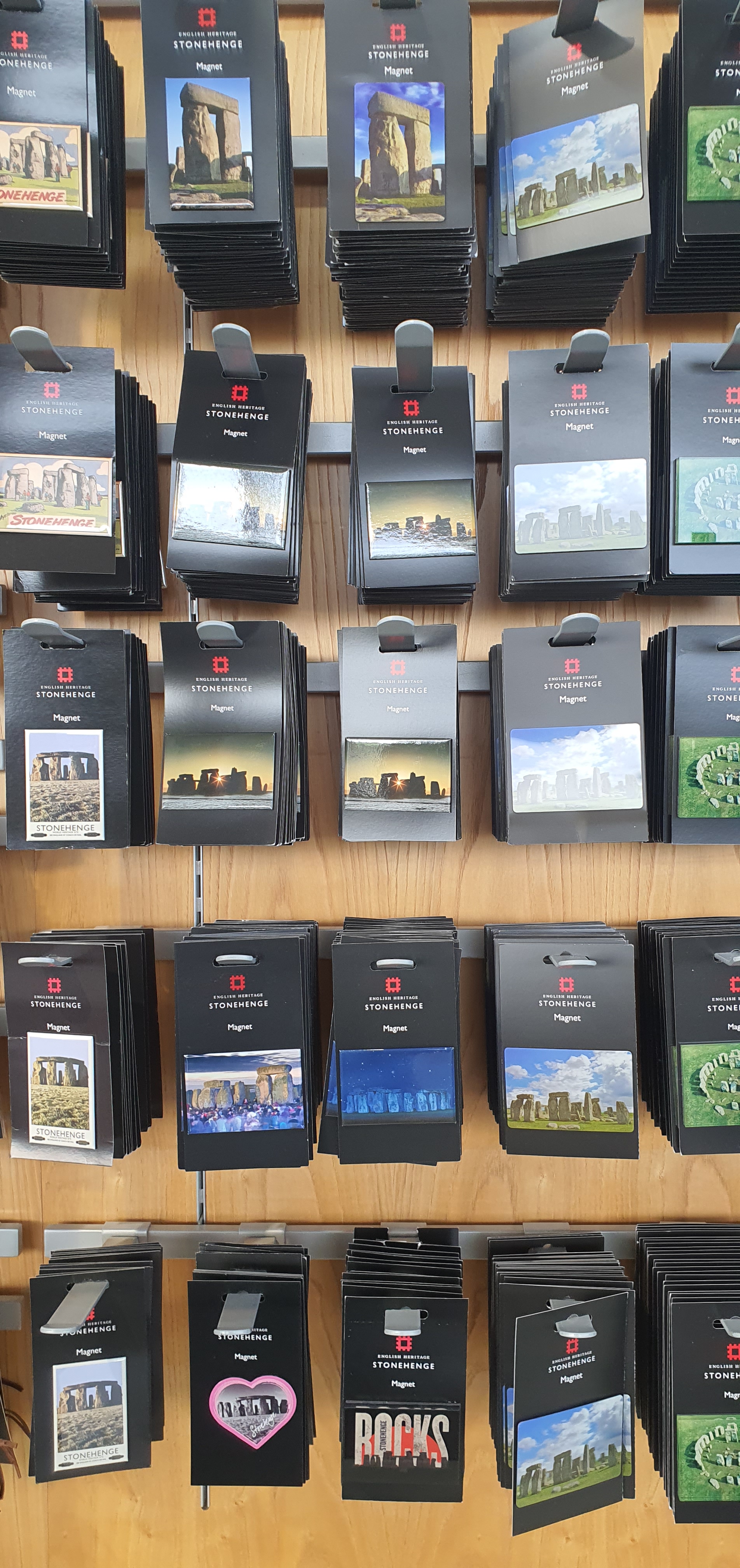
Once back at the visitor centre you can’t ignore the shop for a memento of your visit. My favourite items have ‘Stonehenge Rocks’ emblazoned on them! There’s everything from postcards and pop-up books to beautiful bespoke jewellery and even a limited edition Stonehenge Monopoly!

Before you leave there is also the cafe to grab a coffee and reflect on your experience at one of the most iconic monuments in the world.

It is possible to book a local expert tour guide for a Stonehenge landscape tour. These walks provides you with spectacular views of the Stonehenge area rarely seen by the millions of people who visit the monument each year. This really is a wonderful walk with some tantalizing glimpses of the Stone Circle as you approach.

English Heritage also offer the Stonehenge Private access experience that allows you to walk amongst the inner circle before or after its officially open to the public

Visit Stonehenge Relevant Links:
Ticking Stonehenge off your bucket list. Stonehenge News Blog
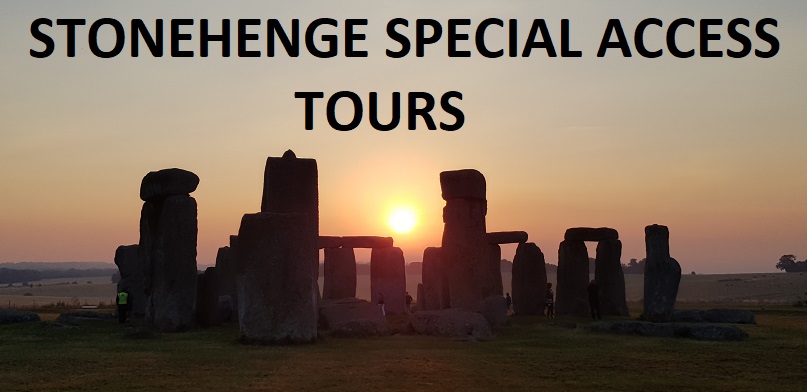
Stonehenge Special Access Experience. Stonehenge News Blog
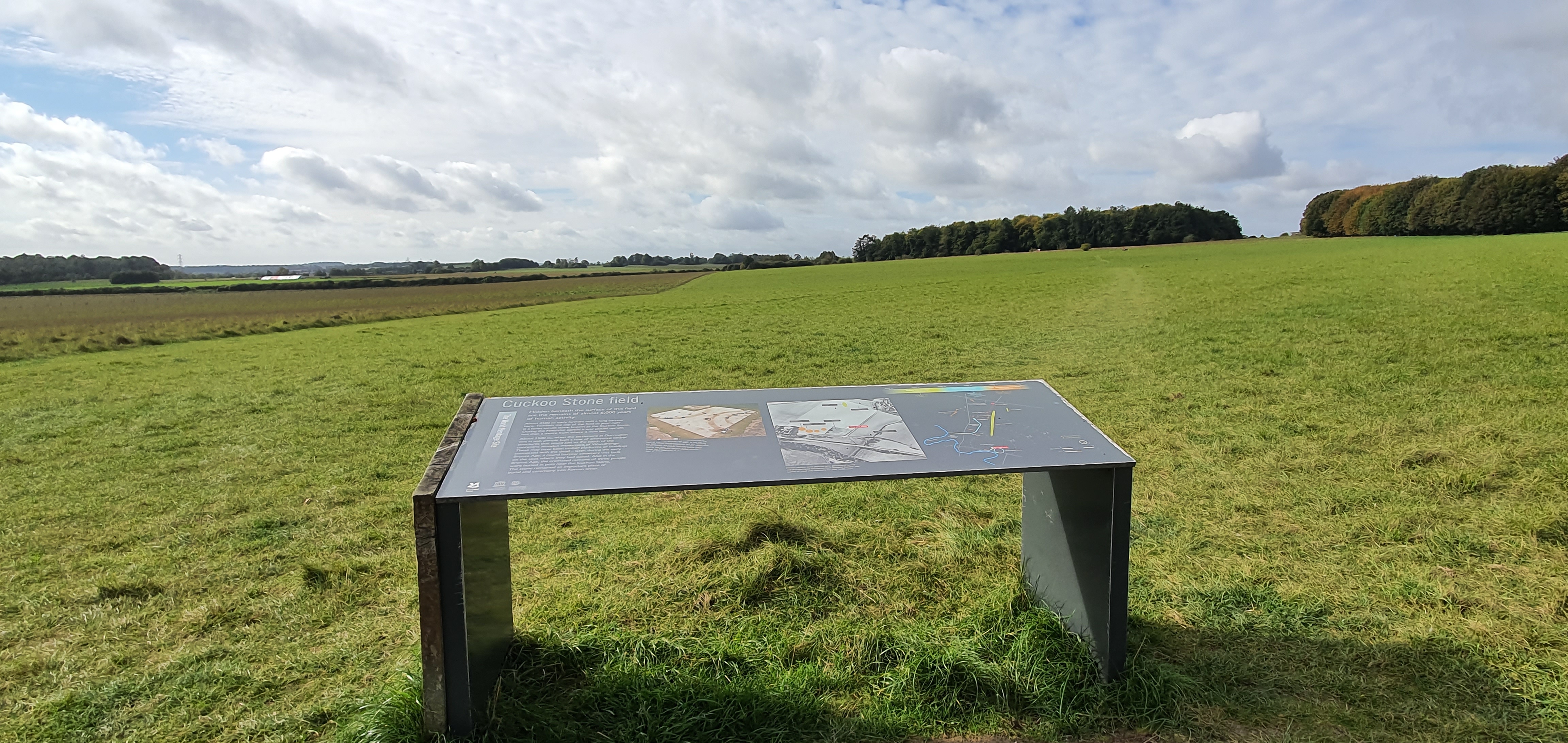
Stonehenge Walking Tours. Enhance your Stonehenge visit and book a local expert tour guide.
Salisbury Reds have frequent tour buses departing from Salisbury city centre and can also include Old Sarum Hill Fort.
The Stonehenge Travel Company can meet you in Salisbury or the railway station and conduct small group private guided tours at very reasonable prices. They also include Durrington Walls and Woodhenge.
Visit Wiltshire. Tourist Information and events guide.
Stonehenge Guided Tours offer small group and private guided tours, including the Stonehenge VIP access experience with departures from London, Bath, Salisbury and Southampton.

The Stonehenge News Blog
Follow us on Twitter and Facebook for all the latest Stonehenge News
http://www.Stonehenge.News